
Swamp Milkweed Seeds 50 Count – Native Pollinator Plant for Gardens
Original price was: $31.99.$11.99Current price is: $11.99.
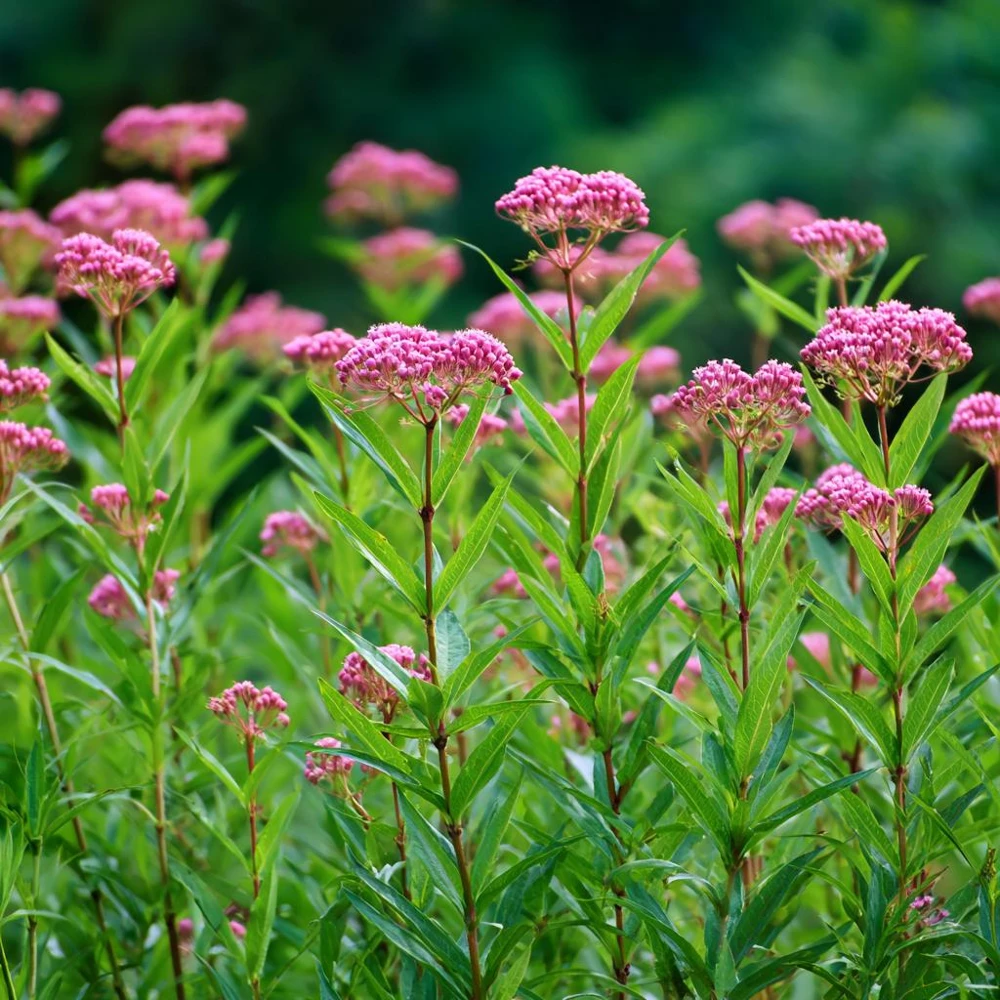
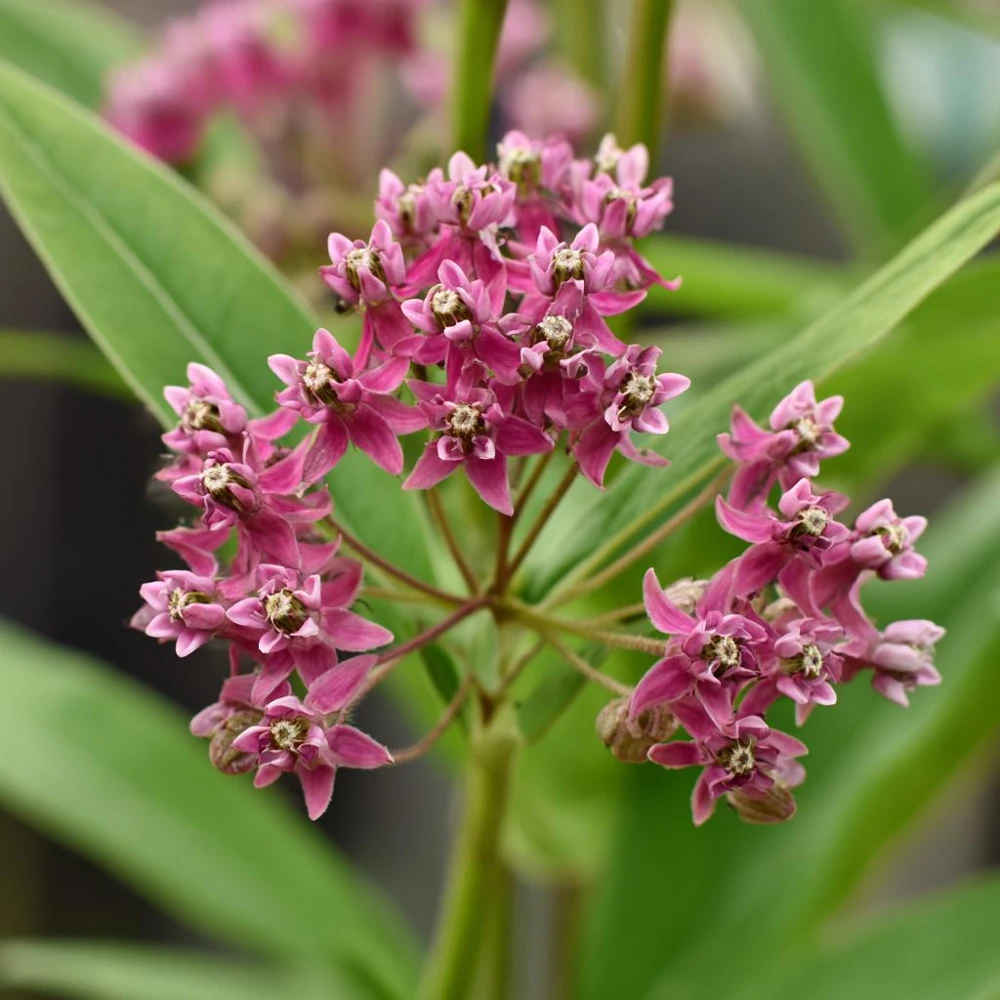
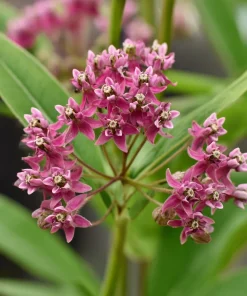
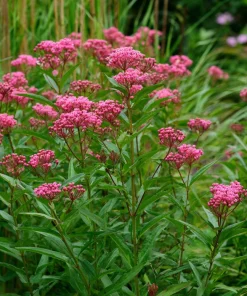
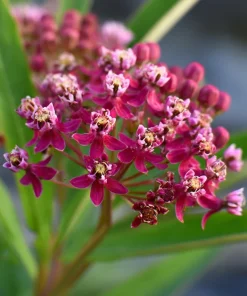
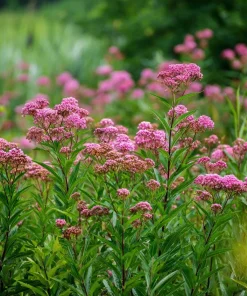
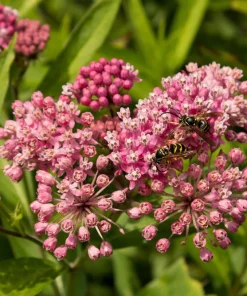
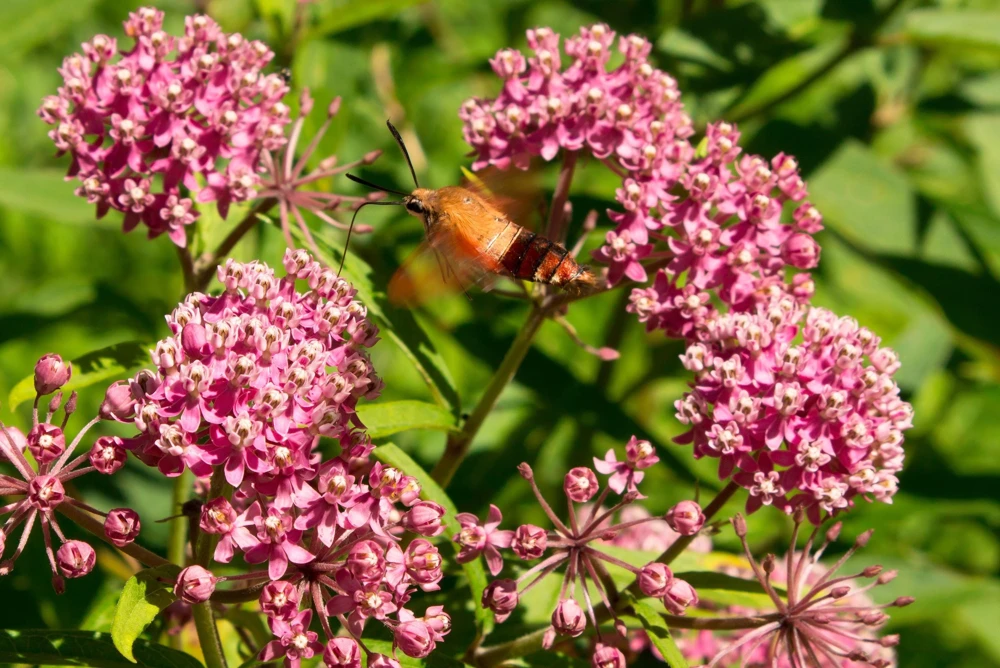
Cultivate a vibrant ecosystem with swamp milkweed seeds. These asclepias incarnata seeds produce beautiful pink flowers, attracting butterflies and bees. Perfect for rain gardens and moist landscapes, supporting local wildlife.
Estimated arrival
Oct 14
Oct 19 - Oct 21
Oct 24 - Oct 28
Shop With Confidence
30-Day Plant Health Guarantee
Arrives damaged? We’ll replace it free — see our return policy.
Responsive Support
Email us anytime, we reply within 1 business day.
Expert Packaging
Temperature-controlled shipping to protect your plants in transit.
Secure Checkout
Pay safely with Visa, Mastercard, PayPal.
Plant Specifications
-
USDA Hardiness Zone
USDA zones 3-9 -
Soil Type
Moist, fertile, well-draining soil -
Sunlight Exposure
Full sun -
Expected Planting Period
Early spring after cold stratification
Overview
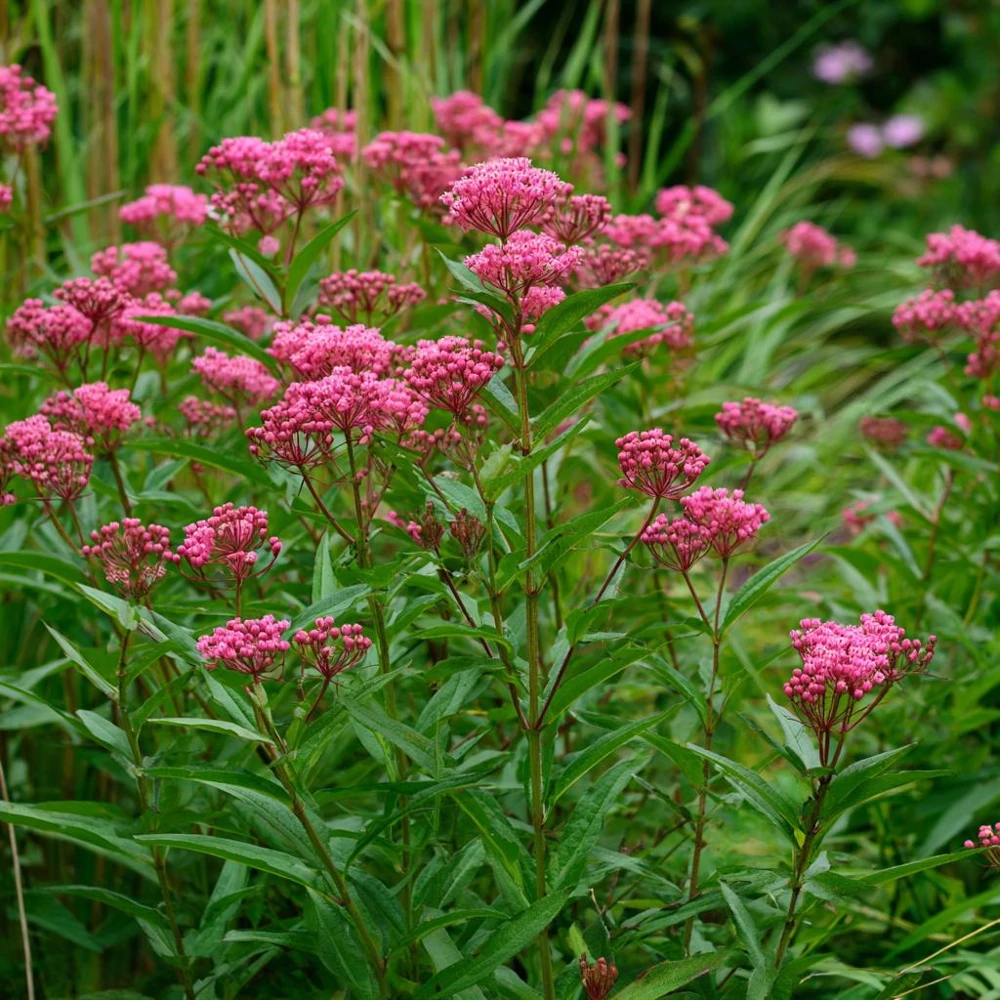
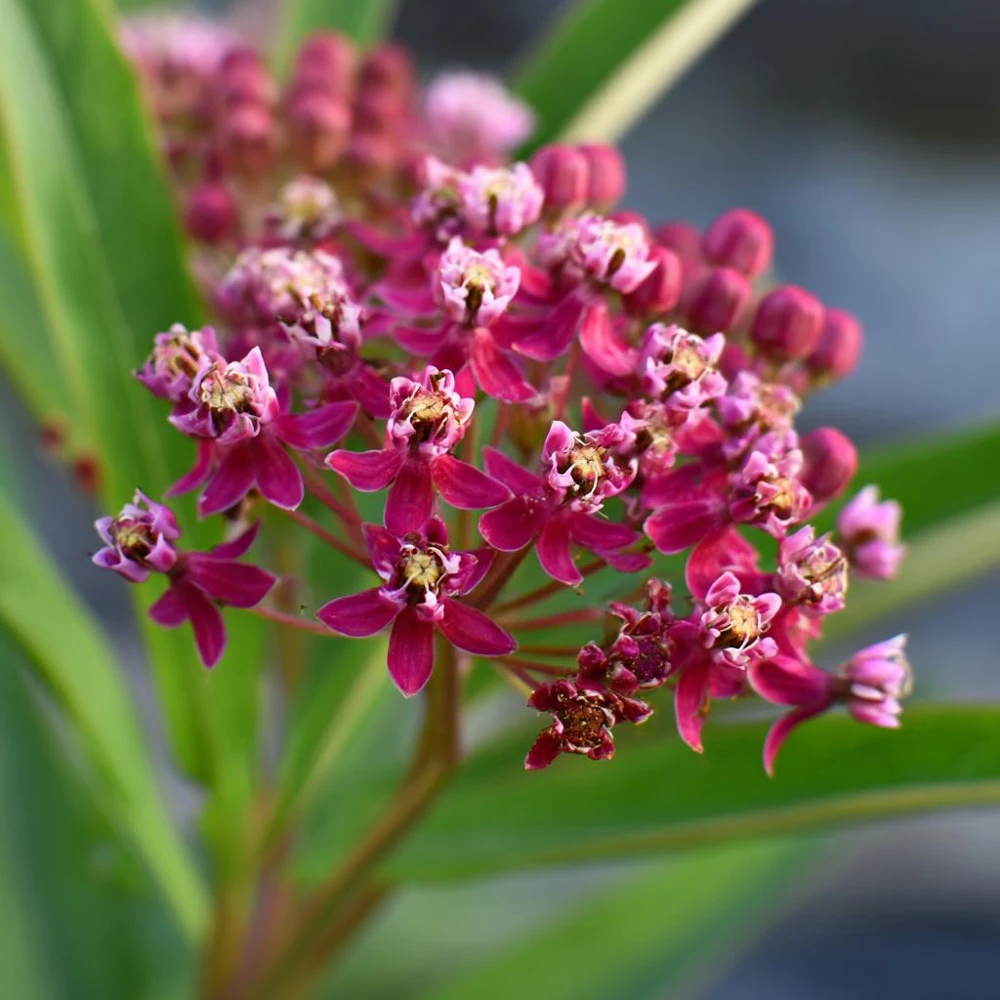
Transform your garden into a haven for pollinators with our premium swamp milkweed seeds. Also known by its botanical name, Asclepias incarnata, this native perennial is cherished for its striking pink to mauve flowers and its crucial role in supporting local ecosystems. Each packet contains 50 swamp milkweed seeds, providing ample opportunity to establish a thriving patch of this beneficial plant. Ideal for garden beds, wet areas, and naturalized landscapes, this hardy plant adds vibrant color and texture while offering essential resources for wildlife, especially monarch butterflies. Its remarkable adaptability to moist soils makes it a perfect choice for rain gardens, pond edges, and other areas with consistent moisture, ensuring a beautiful and ecologically valuable addition to your outdoor space.
Growing swamp milkweed from seed is a rewarding experience, allowing you to witness the plant’s full life cycle and contribute directly to pollinator conservation. These seeds are a fantastic option for anyone looking to create a sustainable and biodiverse garden. They are a vital food source for monarch caterpillars and provide nectar for a wide array of butterflies, bees, and other beneficial insects. By planting asclepias incarnata seeds, you are not just growing a flower; you are nurturing a critical part of the natural world.
Key Benefits
Planting swamp milkweed seeds offers a multitude of advantages for both your garden and the environment. This native plant is a powerhouse for ecological health and provides stunning visual appeal.
- Attracts Pollinators:Swamp milkweed is a magnet for monarch butterflies, providing essential food for their larvae, and a rich nectar source for adult butterflies, bees, and other beneficial insects. Creating a pollinator-friendly garden has never been easier.
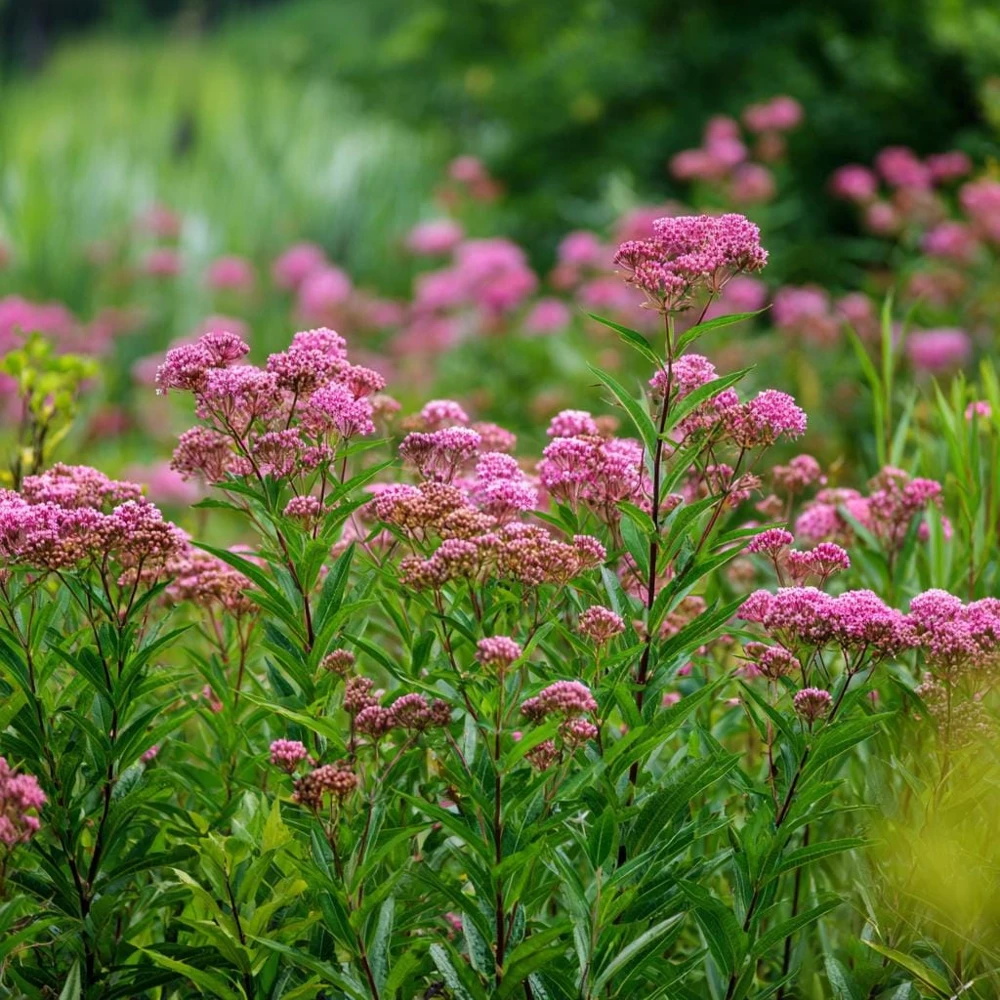
- Beautiful Blooms: Enjoy clusters of fragrant, showy pink to mauve flowers that add a splash of vibrant color to your garden throughout the summer, enhancing its aesthetic appeal.
- Supports Wildlife: Beyond monarchs, this plant supports a variety of local wildlife, contributing to a healthier and more diverse ecosystem in your backyard.
- Adapts to Moist Conditions: Unlike many garden plants, Asclepias incarnata thrives in wet soils, making it an excellent choice for rain gardens, boggy areas, and pond margins where other plants might struggle.
- Low Maintenance: Once established, swamp milkweed is a hardy and relatively low-maintenance perennial, requiring minimal care to flourish and provide continuous beauty.
- Native Plant: As a native pollinator plant, it is well-suited to local climates and soils, requiring fewer resources and promoting regional biodiversity.
- Erosion Control: Its robust root system can help stabilize soil in moist areas, making it beneficial for erosion control along water features.
Plant Care & Growing Tips
Cultivating swamp milkweed from seeds is straightforward with the right approach. To ensure successful germination and robust plant growth, proper care is essential. Begin by cold stratifying your swamp milkweed seeds for 30–60 days; this mimics winter conditions and significantly improves germination rates. You can do this by placing the seeds in a damp paper towel inside a plastic bag in your refrigerator, or by sowing them outdoors in late fall or early spring. For indoor starting, sow seeds 6–8 weeks before the last expected frost.
Plant the asclepias incarnata seeds approximately ¼ inch deep in well-drained, fertile soil. While it tolerates various soil types, it absolutely thrives in consistently moist conditions, making it perfect for areas near water sources or in rain gardens. Full sun exposure (at least 6 hours of direct sunlight daily) is ideal for optimal flowering and robust growth. Water regularly to maintain consistent moisture, especially during dry spells and in the plant’s early stages. Once established, swamp milkweed is quite drought-tolerant but will perform best with regular hydration. Minimal fertilization is needed; a balanced slow-release fertilizer in spring can be beneficial but is often not required in fertile soils. Deadhead spent flowers to encourage prolonged blooming and prevent excessive self-seeding. Monitor for common pests, though this native plant is generally quite resilient. These tips will help you grow strong, healthy native pollinator seeds into beautiful flowering plants.
Size & Details
Each packet contains 50 swamp milkweed seeds, providing an ample supply to start a significant patch or multiple smaller plantings. Once mature, Swamp Milkweed typically grows to a height of 3 to 5 feet (90-150 cm) with a spread of 2 to 3 feet (60-90 cm), forming an upright, bushy perennial. The plants produce clusters of vibrant pink to mauve flowers from mid-summer through early fall. These asclepias incarnata seeds are shipped as dry, raw seeds, ready for cold stratification and planting. Germination typically occurs within 14–28 days after appropriate stratification and sowing. Plants will generally begin blooming in their second year when grown from seed, reaching their full size and flowering potential by their third year. Thin seedlings to 12–18 inches apart for optimal air circulation and development, ensuring each plant has enough space to thrive.
Frequently Asked Questions
- Q: How big does swamp milkweed get? A: Swamp milkweed typically grows to an impressive height of 3 to 5 feet (90-150 cm) and spreads about 2 to 3 feet (60-90 cm) wide, creating a substantial presence in the garden.
- Q: Is this an indoor or outdoor plant? A: Swamp milkweed is an outdoor perennial plant, best suited for garden beds, rain gardens, and naturalized landscapes where it can receive full sun and consistent moisture.
- Q: How much sunlight does swamp milkweed need? A: This plant thrives in full sun, requiring at least 6 hours of direct sunlight per day to produce abundant blooms and healthy growth.
- Q: Is this plant easy to care for? A: Yes, once established, swamp milkweed is considered a low-maintenance plant. It’s hardy and generally pest-resistant, making it a great choice for gardeners of all experience levels.
- Q: What condition will the seeds arrive in? A: The seeds will arrive as dry, raw seeds, ready for you to begin the cold stratification process before planting.
- Q: How long until swamp milkweed blooms from seed? A: Swamp milkweed typically begins to bloom in its second growing season when started from seed, with more prolific flowering in subsequent years.
- Q: What’s the best time to plant swamp milkweed seeds? A: After cold stratification, sow seeds outdoors in early spring after the last frost, or start them indoors 6-8 weeks before the last frost for transplanting.
- Q: Will these native pollinator seeds attract butterflies? A: Absolutely! Swamp milkweed is a host plant for monarch caterpillars and a significant nectar source for adult butterflies, bees, and other pollinators, making it an excellent choice for a pollinator garden.
- Q: What type of soil does swamp milkweed prefer? A: While adaptable, swamp milkweed prefers consistently moist, fertile, and well-drained soil. It excels in areas with higher moisture content, such as rain gardens or near pond edges.
- Q: Is this plant suitable for wet areas in the garden? A: Yes, Asclepias incarnata is specifically named “swamp milkweed” because of its preference and tolerance for moist to wet soil conditions, making it ideal for such environments.
Be the first to review “Swamp Milkweed Seeds 50 Count – Native Pollinator Plant for Gardens”
People Also Viewed



Reviews
There are no reviews yet.