
American Hornbeam Live Tree (Carpinus caroliniana) – Native Shade Tree, 36-42″ Tall, 1 Gallon Pot, Outdoor
Original price was: $127.98.$79.99Current price is: $79.99.
Add a stunning American Hornbeam live tree to your landscape. This native shade tree (Carpinus caroliniana) provides excellent shade, attractive foliage, and a strong, sculptural form. Perfect for natural settings or formal gardens, growing 36-42″ tall in a 1 gallon trade pot.
Estimated arrival
Oct 14
Oct 19 - Oct 21
Oct 24 - Oct 28
Shop With Confidence
30-Day Plant Health Guarantee
Arrives damaged? We’ll replace it free — see our return policy.
Responsive Support
Email us anytime, we reply within 1 business day.
Expert Packaging
Temperature-controlled shipping to protect your plants in transit.
Secure Checkout
Pay safely with Visa, Mastercard, PayPal.
Plant Specifications
-
USDA Hardiness Zone
USDA Zones 3-9 -
Soil Type
Well-draining loam, adaptable to various soil types -
Sunlight Exposure
Full sun to partial shade -
Expected Planting Period
Spring or Fall
Overview
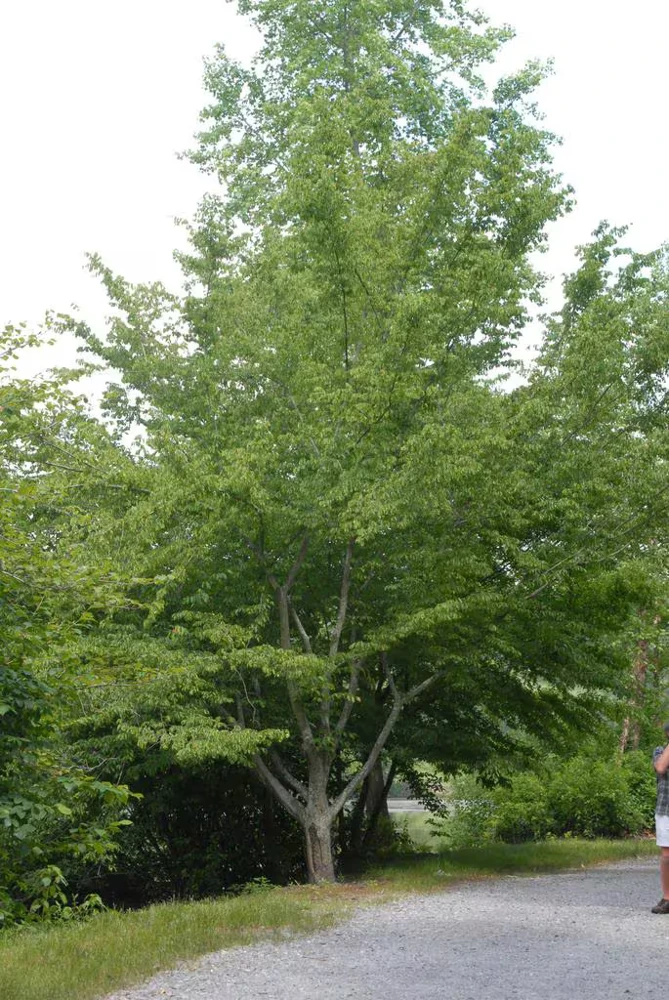
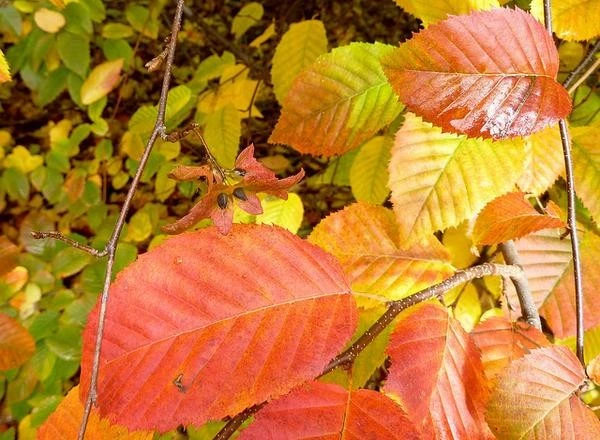
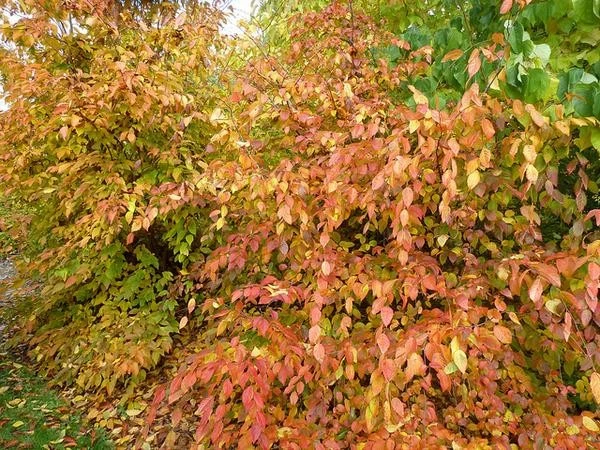
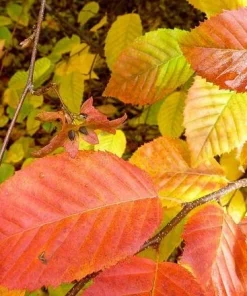
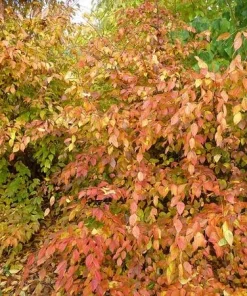
Introducing the magnificent American Hornbeam live tree, also known by its botanical name, Carpinus caroliniana. This exquisite specimen is a true gem for any landscape, offering both aesthetic appeal and ecological benefits. As a prominent native shade tree, it thrives in various conditions and contributes significantly to local ecosystems. The American Hornbeam is celebrated for its distinctive muscular-looking trunk, attractive fall foliage that transitions from green to vibrant orange and red, and its dense canopy, which provides excellent shade throughout the warmer months. This particular offering provides a healthy, well-established plant, ready to be integrated into your garden design. It’s an ideal choice for those seeking a resilient and beautiful tree that requires minimal intervention once established, making Carpinus caroliniana tree an outstanding choice for sustainable landscaping.
The American Hornbeam live tree is a deciduous tree that is native to the eastern United States, making it perfectly adapted to regional climates. It’s often found growing as an understory tree in forests but also performs exceptionally well in more open, cultivated settings. Its slow to medium growth rate ensures a sturdy and long-lived tree, becoming a cherished part of your property for decades. Whether you’re aiming to create a natural woodland feel, establish a privacy screen, or simply enjoy the beauty of a well-formed tree, the American Hornbeam is an excellent candidate. Its adaptability and charming characteristics make it a favorite among gardeners and landscapers alike.
Key Benefits
The American Hornbeam live tree offers a multitude of benefits, making it an exceptional choice for various landscaping projects. Its robust nature and attractive features ensure it adds value and beauty to any outdoor space.
- Exceptional Shade Provider: With its dense canopy, the American Hornbeam live tree creates ample shade, perfect for cooling your home, creating comfortable outdoor living spaces, or protecting other plants from intense sun.
- Stunning Fall Color: Witness a spectacular display as its green leaves transform into brilliant shades of orange, red, and yellow, adding vibrant seasonal interest to your garden.
- Strong, Attractive Form: The unique, fluted, and sinewy trunk gives the tree a distinctive, muscular appearance, providing year-round visual interest, especially in winter.
- Native & Ecologically Beneficial: As a native shade tree, it supports local wildlife, providing food and shelter for birds and other small animals, contributing to biodiversity.
- Low Maintenance: Once established, the American Hornbeam is remarkably low-maintenance, tolerant of various soil conditions and requiring minimal pruning, which is ideal for busy gardeners.
- Versatile Landscaping Use: Suitable for a wide range of applications, from naturalized woodland gardens to formal hedges, street trees, or as a specimen plant, showcasing the versatility of the Carpinus caroliniana tree.
- Good for Erosion Control: Its strong root system helps stabilize soil, making it a good choice for slopes or areas prone to erosion.
Plant Care & Growing Tips
Caring for your American Hornbeam live tree is relatively straightforward, especially given its hardy and adaptable nature. To ensure optimal growth and health, understanding its basic needs is crucial. This tree thrives in a variety of light conditions, from full sun to partial shade. In hotter climates, some afternoon shade can be beneficial to protect it from scorching. When planting, choose a location with well-draining soil. While it tolerates a range of soil types, a rich, loamy soil with a slightly acidic to neutral pH is ideal. Ensure the planting hole is twice as wide as the root ball and just as deep, allowing the root flare to be at or slightly above ground level.
Watering is critical during the first few growing seasons to help establish a strong root system. Provide deep, consistent watering, especially during dry spells, ensuring the soil remains moist but not waterlogged. Once established, the Carpinus caroliniana tree becomes more drought-tolerant, though supplemental watering during extended dry periods will always be appreciated. Fertilization is generally not necessary in rich soils, but if your soil is poor, a balanced slow-release fertilizer applied in early spring can be beneficial. Pruning should be done in late winter or early spring while the tree is dormant. Focus on removing dead, damaged, or crossing branches to maintain a healthy structure. The hornbeam plant care routine is minimal, making it a rewarding addition to your landscape.
The American Hornbeam live tree is quite resistant to most pests and diseases, further simplifying its care. However, keep an eye out for common issues like aphids or scale, which can be managed with horticultural oil or insecticidal soap if outbreaks occur. Ensuring good air circulation and avoiding overhead watering can help prevent fungal diseases. This native shade tree is a resilient choice, and with proper initial care, it will flourish and provide beauty for many years to come. For those interested in landscaping trees, the American Hornbeam offers an attractive, robust, and low-maintenance option.
Size & Details
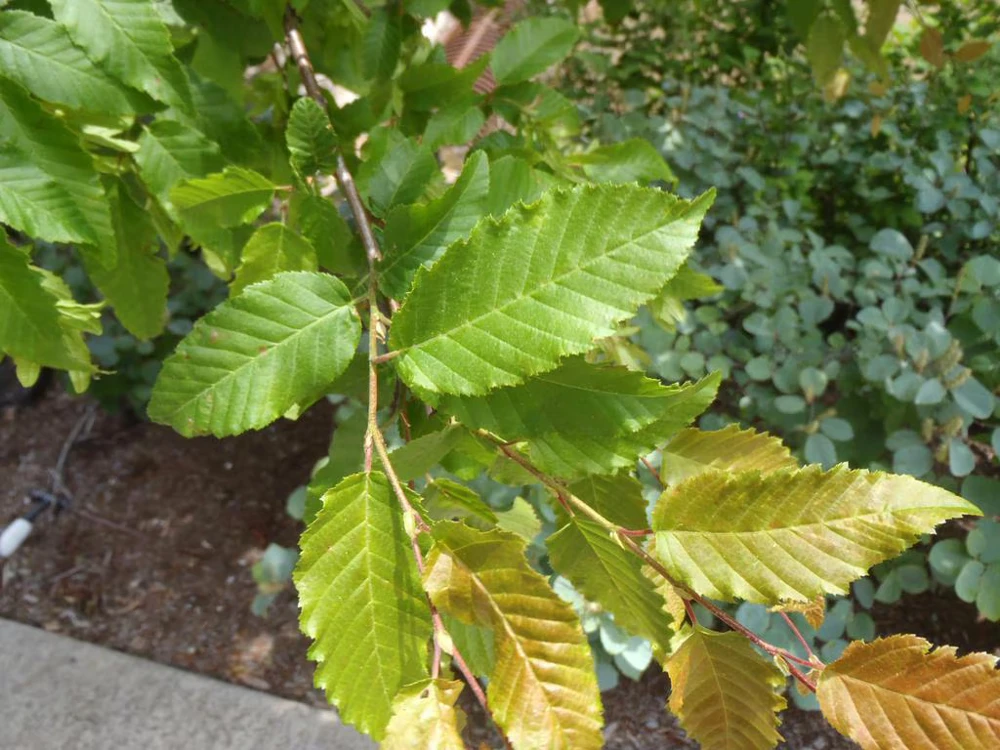
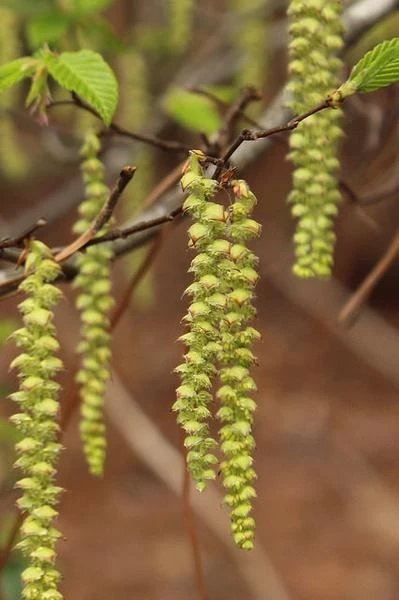
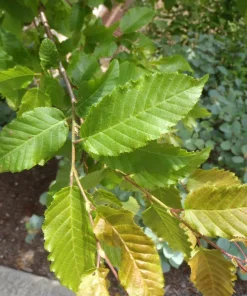
This offering features a robust American Hornbeam live tree, measuring approximately 36-42 inches tall. It is supplied in a trade 1 gallon container, providing a well-developed root system ready for planting. The tree is a young, healthy specimen, ideal for transplanting into your garden or landscape. As a medium growth rate tree, it will gradually establish itself and grow into a mature size, typically reaching heights of 20-30 feet with a spread of 15-20 feet, though it can grow taller in ideal conditions. It ships as a potted plant, ensuring minimal transplant shock and a smooth transition to its new home. The American Hornbeam is known for its strong, dense wood and attractive, finely toothed leaves.
The Carpinus caroliniana tree is an outdoor plant, perfectly suited for the diverse climates of the United States. Its mature size makes it an excellent choice for creating naturalized areas, providing shade, or as a striking specimen tree. With proper care, this young tree will develop its characteristic fluted trunk and dense canopy, becoming a focal point in your garden. This size is ideal for planting directly into the ground, allowing it to begin its growth journey immediately. It’s a fantastic investment for long-term landscape beauty and environmental benefit.
Frequently Asked Questions
- Q: How big does this American Hornbeam live tree get? A: This particular tree is 36-42 inches tall when shipped. At maturity, an American Hornbeam typically reaches heights of 20-30 feet with a spread of 15-20 feet, though it can grow larger under optimal conditions.
- Q: Is this an indoor or outdoor plant? A: The American Hornbeam live tree (Carpinus caroliniana) is an outdoor plant. It is a deciduous tree well-suited for various outdoor landscapes and climates.
- Q: How much sunlight does it need? A: This native shade tree performs well in full sun to partial shade. In hotter regions, it benefits from some afternoon shade to protect its foliage.
- Q: Is this plant easy to care for? A: Yes, once established, the American Hornbeam is considered a low-maintenance tree. Its robust nature and adaptability make hornbeam plant care relatively easy for gardeners of all experience levels.
- Q: What condition will it arrive in? A: Your American Hornbeam live tree will arrive as a healthy, potted plant with its root system intact, ready for transplanting. We take great care in packaging to ensure safe delivery.
- Q: When is the best time to plant a Carpinus caroliniana tree? A: The best time to plant is in the spring or fall when temperatures are moderate. This allows the tree to establish its root system before the stress of summer heat or winter cold.
- Q: What kind of soil does the American Hornbeam prefer? A: It prefers well-draining, moist soil, but it is adaptable to a wide range of soil types, including clay, loam, and sand. A slightly acidic to neutral pH is ideal.
- Q: Will it provide good fall color? A: Absolutely! One of the key attractions of the American Hornbeam live tree is its beautiful fall foliage, which turns vibrant shades of orange, red, and yellow, adding significant seasonal interest to your landscape.
- Q: Is the American Hornbeam suitable for urban environments? A: Yes, this native shade tree is quite tolerant of urban conditions, including pollution, making it a good choice for city parks, street trees, and residential landscapes.
- Q: Can I use this tree for a hedge or screen? A: While it is primarily grown as a specimen or shade tree, its dense branching habit can be utilized to create an effective screen or even a formal hedge with regular pruning.
Be the first to review “American Hornbeam Live Tree (Carpinus caroliniana) – Native Shade Tree, 36-42″ Tall, 1 Gallon Pot, Outdoor”
People Also Viewed



Reviews
There are no reviews yet.