

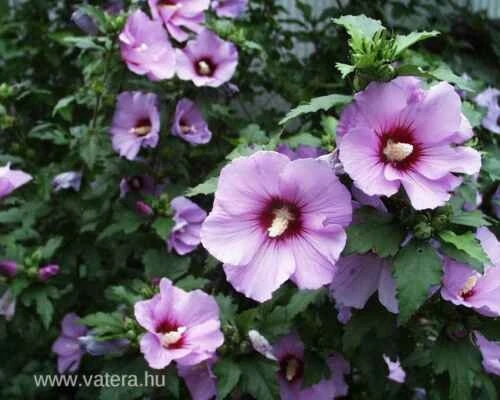
Hibiscus Syriacus ‘Minerva’ Live Plant – Lavender Rose of Sharon Shrub – 4-6 Inch Starter
Original price was: $98.99.$68.99Current price is: $68.99.
Bring vibrant color to your garden with the Hibiscus Syriacus ‘Minerva’ live plant. This beautiful Rose of Sharon shrub features striking lavender flowers with a distinctive dark red eye, blooming profusely from summer into fall. It’s a hardy, deciduous plant ideal for outdoor landscapes, offering a long season of interest and easy care.
Estimated arrival
Nov 07
Nov 12 - Nov 14
Nov 17 - Nov 21
Shop With Confidence
30-Day Plant Health Guarantee
Arrives damaged? We’ll replace it free — see our return policy.
Responsive Support
Email us anytime, we reply within 1 business day.
Expert Packaging
Temperature-controlled shipping to protect your plants in transit.
Secure Checkout
Pay safely with Visa, Mastercard, PayPal.
Plant Specifications
-
USDA Hardiness Zone
USDA Zones 5-8 -
Soil Type
Moist, organically rich, well-draining soil -
Sunlight Exposure
Full sun to partial shade -
Expected Planting Period
Spring to early summer
Overview
Introduce a touch of elegance and enduring beauty to your outdoor space with the Hibiscus Syriacus ‘Minerva’ live plant. Also widely known as the Rose of Sharon ‘Minerva’, this deciduous shrub is a true garden gem, celebrated for its abundant, showy blooms and robust nature. The ‘Minerva’ variety stands out with its gorgeous lavender-purple flowers, each adorned with a striking dark red eye, creating a captivating contrast that draws the eye. As a Rose of Sharon Minerva shrub, it offers a prolonged blooming period, gracing your garden with color from mid-summer well into the fall, when many other plants begin to fade. This hardy plant is an excellent choice for creating vibrant hedges, attractive specimen plantings, or adding vertical interest to mixed borders.
The Hibiscus Syriacus ‘Minerva’ live plant is a vigorous grower, capable of reaching impressive heights and widths, providing substantial visual impact in any landscape setting. Its resilience and adaptability make it a favorite among gardeners, from novices to experts. Whether you’re looking to enhance your curb appeal, create a privacy screen, or simply enjoy beautiful, long-lasting flowers, the ‘Minerva’ Rose of Sharon is an outstanding selection that promises to deliver year after year. This 4-6 inch starter plant is well-rooted and ready to establish itself in your garden, setting the stage for years of magnificent blooms.
Key Benefits
The Hibiscus Syriacus ‘Minerva’ live plant offers a wealth of benefits that make it a highly desirable addition to any garden or landscape. Its ease of care combined with its stunning visual appeal ensures a rewarding gardening experience.
- Extended Bloom Season: Enjoy a continuous display of beautiful lavender flowers with a dark red eye from mid-summer through fall, providing vibrant color when many other plants are past their peak. The lavender hibiscus plant ensures your garden remains lively and attractive for months.
- Exceptional Hardiness: This deciduous shrub is remarkably tough and adaptable, thriving in a wide range of climates (USDA Zones 5-8). It tolerates summer heat and humidity exceptionally well, making it a reliable performer in various regions.
- Low Maintenance: Once established, the ‘Minerva’ Rose of Sharon requires minimal care, making it an excellent choice for busy gardeners. It’s relatively pest and disease resistant, reducing the need for constant attention.
- Versatile Landscaping Use: Its upright growth habit and dense foliage make it perfect for hedges, privacy screens, foundation plantings, or as a striking stand-alone specimen plant. It can also be trained as a small tree.
- Attracts Pollinators: The showy flowers of the Hibiscus Syriacus ‘Minerva’ live plant are a magnet for butterflies, hummingbirds, and other beneficial pollinators, contributing to a healthy garden ecosystem.
- Drought Tolerance: While it prefers consistent moisture, established plants exhibit good tolerance to periods of drought, an important feature for sustainable gardening.
- Vibrant Foliage: Beyond its flowers, the bright green foliage provides a lush backdrop throughout the growing season, adding to the plant’s overall aesthetic appeal.
Plant Care & Growing Tips
Caring for your Hibiscus Syriacus ‘Minerva’ live plant is straightforward, ensuring a healthy and floriferous shrub for years to come. This hardy hibiscus is known for its resilience, but providing optimal conditions will maximize its bloom potential and overall vigor. For best results, plant your Rose of Sharon Minerva shrub in a location that receives full sun to partial shade. Full sun (at least 6 hours of direct sunlight daily) will encourage the most abundant flowering, but it can tolerate some afternoon shade, especially in hotter climates. Ensure the planting site has well-drained soil, as hibiscus does not like to sit in soggy conditions. Amend heavy clay soils with organic matter to improve drainage.
When it comes to watering, consistent moisture is key, particularly during its establishment phase and throughout dry spells. Water deeply and regularly, allowing the top few inches of soil to dry out slightly between waterings. Once established, the plant becomes more tolerant of drought. Fertilize in early spring with a balanced, slow-release granular fertilizer formulated for flowering shrubs. Avoid excessive nitrogen, which can promote leafy growth at the expense of flowers. Pruning is best done in late winter or early spring before new growth emerges. You can prune to shape the plant, remove dead or crossing branches, and encourage a more compact form and larger blooms. This hardy hibiscus outdoor plant is generally resistant to pests and diseases, but keep an eye out for aphids or whiteflies, which can be managed with insecticidal soap if needed.
The Minerva hibiscus care routine also includes mulching around the base of the plant to help retain soil moisture, regulate soil temperature, and suppress weeds. A layer of organic mulch, such as shredded bark or compost, applied in spring, will benefit the plant greatly. While it is a robust plant, protection from harsh winter winds in the colder parts of its hardiness range (USDA Zone 5) can be beneficial, especially for younger plants. With these simple care practices, your ‘Minerva’ Rose of Sharon will thrive and provide a spectacular display of lavender blooms season after season.
Size & Details
This offering is for one Hibiscus Syriacus ‘Minerva’ live plant, provided as a well-rooted starter plant. Each plant typically measures approximately 4-6 inches in height, ready for transplanting into your garden or a larger container. It is shipped as a rooted plant in a 2 1/2 inch pot, ensuring a healthy root system for successful establishment. As a deciduous shrub, it may arrive dormant or soon to be dormant, leafless during colder months, which is completely normal and indicates its readiness for spring re-growth. During warmer seasons, leaves will be present, showing green to yellow coloration.
The ‘Minerva’ Rose of Sharon is a vigorous grower, with an average growth rate, meaning it will establish and mature at a steady pace. When mature, this shrub can reach an impressive height of 5 feet or more, with a comparable spread, forming a substantial and attractive landscape feature. Its extended bloom period throughout summer into fall ensures a long season of vibrant lavender flowers. This plant is ideal for those seeking a durable and beautiful flowering shrub that provides significant visual impact. Expect your plant to begin producing its characteristic blooms within one to two growing seasons after planting, once it has settled into its new environment.
Frequently Asked Questions
- Q: How big does this plant get? A: The Hibiscus Syriacus ‘Minerva’ live plant is a vigorous shrub that can grow to 5 feet or more in height and spread when mature, providing a substantial presence in your garden.
- Q: Is this an indoor or outdoor plant? A: The ‘Minerva’ Rose of Sharon is a hardy deciduous shrub, specifically grown as an outdoor plant for landscaping purposes. It thrives in garden beds and large outdoor containers.
- Q: How much sunlight does it need? A: For optimal flowering, this plant prefers full sun, meaning at least 6 hours of direct sunlight per day. It can tolerate partial shade, especially in very hot climates.
- Q: Is this plant easy to care for? A: Yes, the Rose of Sharon Minerva shrub is known for its low maintenance and hardiness, making it an excellent choice for gardeners of all experience levels.
- Q: What condition will it arrive in? A: Your 4-6 inch starter plant will arrive well-rooted in a 2 1/2 inch pot. Depending on the season, it may be dormant or soon to be dormant and leafless, which is normal for a deciduous plant.
- Q: How long until it blooms? A: While a starter plant, your ‘Minerva’ Rose of Sharon should begin to produce its beautiful lavender flowers within one to two growing seasons after planting, once established.
- Q: Will it survive winter in my zone? A: This hardy hibiscus outdoor plant is suitable for USDA Hardiness Zones 5-8, meaning it is very tolerant of cold winters within this range.
- Q: What type of soil does the Minerva hibiscus prefer? A: It thrives in moist, organically rich, and well-drained soils. Good drainage is crucial to prevent root rot.
- Q: Can I grow this plant in a container? A: Yes, the Hibiscus Syriacus ‘Minerva’ live plant can be grown in a large container, provided it has adequate drainage and is regularly watered and fertilized.
- Q: What is the best time to plant this Hibiscus? A: Spring is generally the best time to plant, allowing the shrub to establish its root system before the heat of summer or the cold of winter.
Be the first to review “Hibiscus Syriacus ‘Minerva’ Live Plant – Lavender Rose of Sharon Shrub – 4-6 Inch Starter”
People Also Viewed
Flower Plants
Fuchsia Corabells Dark Eyes Live Plant – 6″ Pot – Shade-Tolerant Flowering – Hanging Basket

Vegetable Seeds
50 White Bush Scallop Squash Seeds – Patty Pan Summer Vegetable


Reviews
There are no reviews yet.