
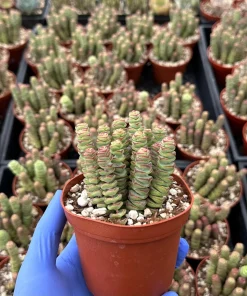
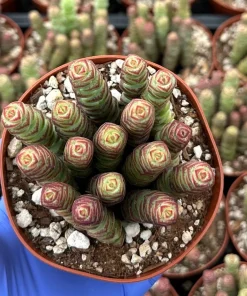
Crassula Baby Necklace Succulent Live Plant – Trailing Indoor Succulent
Original price was: $37.08.$17.08Current price is: $17.08.
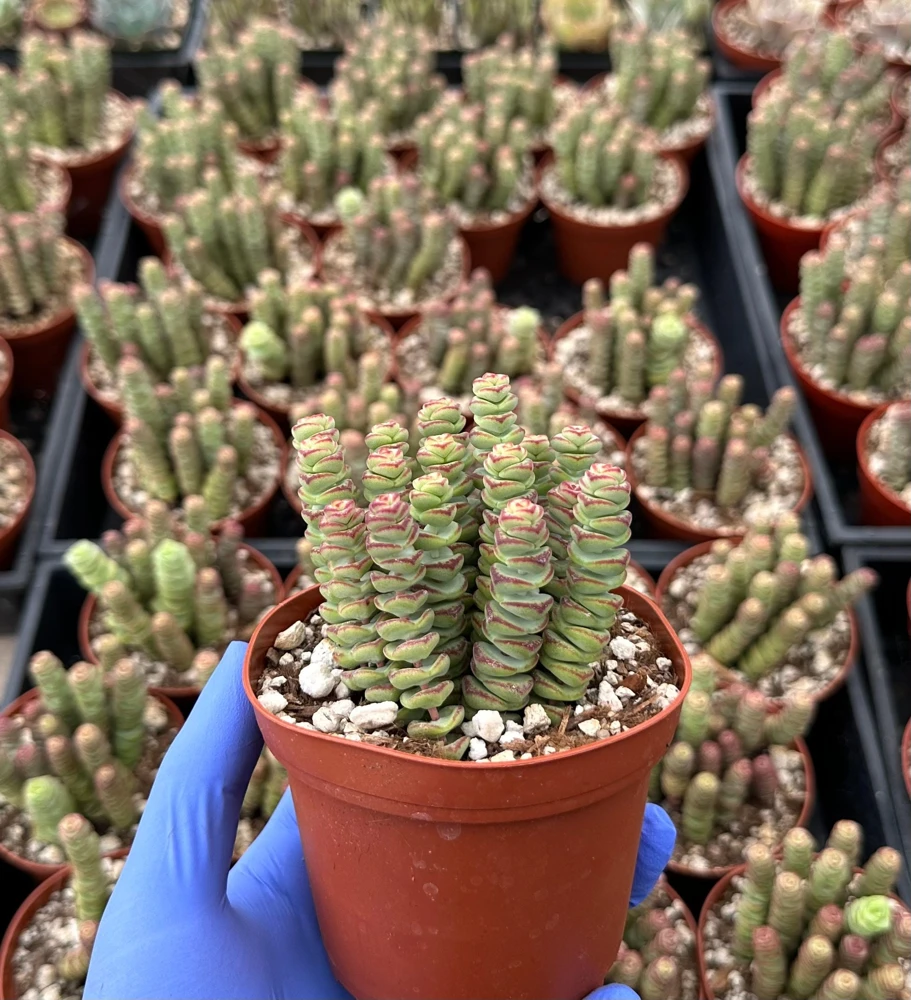
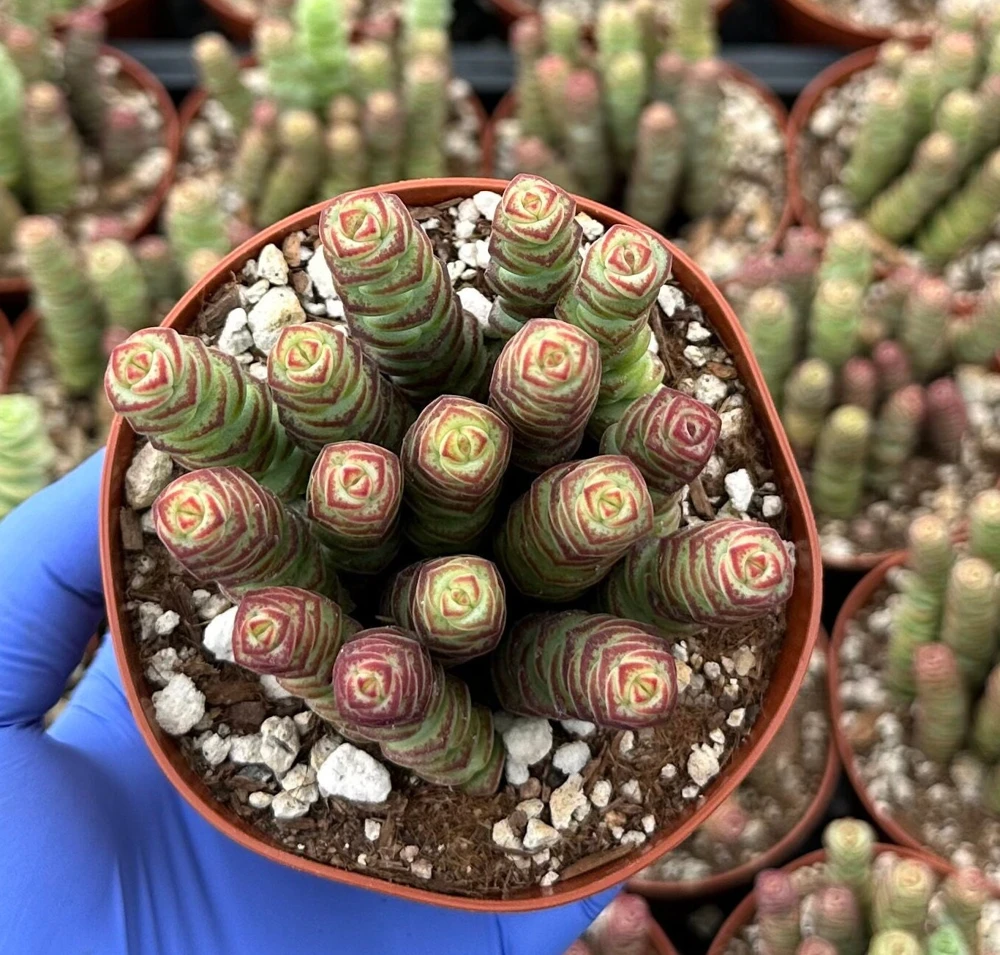
Bring home a beautiful Crassula Baby Necklace live plant, known for its charming trailing growth and densely packed, rounded leaves resembling a string of beads. This easy care succulent is perfect for beginners and adds unique texture to any indoor succulent garden or hanging basket.
Estimated arrival
Oct 23
Oct 28 - Oct 30
Nov 02 - Nov 06
Shop With Confidence
30-Day Plant Health Guarantee
Arrives damaged? We’ll replace it free — see our return policy.
Responsive Support
Email us anytime, we reply within 1 business day.
Expert Packaging
Temperature-controlled shipping to protect your plants in transit.
Secure Checkout
Pay safely with Visa, Mastercard, PayPal.
Plant Specifications
-
USDA Hardiness Zone
USDA zones 9-11 (outdoors), year-round indoors -
Soil Type
Well-draining succulent or cactus mix -
Sunlight Exposure
Bright indirect light -
Expected Planting Period
Year-round indoors
Overview
Introduce a touch of whimsical beauty to your home with the delightful Crassula Baby Necklace live plant. This captivating succulent, scientifically known as Crassula rupestris, earns its enchanting common name from its distinctive growth habit, which truly resembles a delicate string of beads or a miniature necklace. Its small, rounded, and densely packed leaves are arranged artfully around the stems, creating a visually appealing, cascading effect. The Crassula Baby Necklace live plant is a fantastic choice for both novice and experienced plant enthusiasts, offering low-maintenance care and unique aesthetic appeal. It thrives as an indoor plant, making it an ideal addition to bright windowsills, shelves, or terrariums, and is particularly stunning when allowed to trail gracefully from hanging baskets.
Originating from South Africa, this resilient succulent is adapted to arid conditions, making it forgiving for those who might forget a watering now and then. Its unique form provides excellent textural contrast in mixed succulent arrangements and brings a vibrant, living element into any space. Beyond its foliage, the Crassula rupestris succulent also produces charming, small, star-shaped pink flowers, typically in late summer or fall, adding another layer of interest to its already beautiful display. This easy-to-grow plant promises to be a conversation starter and a joy to nurture.
Key Benefits
The Crassula Baby Necklace live plant offers a multitude of benefits, making it a popular choice for plant lovers looking for both beauty and ease of care. Its distinctive appearance and resilient nature contribute to a rewarding plant ownership experience.
- Unique Decorative Appeal: The trailing stems adorned with bead-like leaves make this succulent a stunning visual accent. It’s perfect for adding dynamic texture to indoor succulent gardens, creating focal points in terrariums, or enhancing the beauty of hanging baskets where its growth habit can truly shine.
- Low Maintenance & Easy Care: As an easy care succulent, the Crassula Baby Necklace requires minimal attention, making it an excellent option for busy individuals or those new to plant care. Its drought-tolerant nature means it won’t demand constant watering.
- Air Purifying Qualities: Like many houseplants, this Crassula Baby Necklace live plant contributes to a healthier indoor environment by naturally filtering toxins and improving air quality, promoting a fresher living space.
- Compact & Versatile: Its moderate size and trailing habit allow it to fit into various spaces, from small apartments to larger homes. It can be displayed on shelves, desks, or in hanging planters, adapting to your decorating needs.
- Showy Seasonal Blooms: Enjoy the unexpected beauty of small, star-shaped pink flowers that typically emerge in clusters during late summer or fall. These delicate blooms add a lovely pop of color and interest.
- Drought Tolerant: This plant is highly adapted to dry conditions, requiring less frequent watering compared to many other houseplants. This feature makes the Baby Necklace succulent care routine straightforward and less demanding.
- Great for Beginners: Its hardiness and forgiving nature make the Crassula rupestris succulent an ideal plant for those just starting their journey into gardening or succulent cultivation.
Plant Care & Growing Tips
Caring for your Crassula Baby Necklace live plant is straightforward, making it an ideal choice for both beginners and experienced succulent enthusiasts. Understanding its basic needs will ensure healthy growth and vibrant foliage. This resilient succulent thrives with proper attention to light, water, and soil conditions.
Sunlight Requirements: The Crassula Baby Necklace live plant prefers bright, indirect light for at least 6 hours a day. While it can tolerate some direct morning sun, intense afternoon sun can scorch its delicate leaves. When grown indoors, a south or west-facing window is often ideal. If light is insufficient, the plant may stretch or become leggy, indicating it’s reaching for more light. Providing adequate light is crucial for vibrant coloration and compact growth, which is key to successful Baby Necklace succulent care.
Watering Schedule & Soil Moisture: Like most succulents, the Crassula Baby Necklace is drought-tolerant and susceptible to overwatering. Water thoroughly when the soil is completely dry to the touch, then allow it to dry out entirely before watering again. This typically means watering every 2-4 weeks, depending on humidity, light, and temperature. Reduce watering significantly during the cooler, dormant months. When in doubt, it’s always better to underwater than overwater.
Soil Type & Drainage: A well-draining soil mix is paramount for this plant. A standard succulent or cactus potting mix is highly recommended. You can also create your own by mixing regular potting soil with perlite, pumice, or coarse sand in a 1:1 ratio to enhance drainage. Ensure the pot has drainage holes to prevent water from sitting around the roots, which can lead to root rot. Good drainage is vital for the health of any trailing succulents indoor.
Temperature Range & USDA Hardiness Zone: The Crassula rupestris succulent prefers average room temperatures between 65-75°F (18-24°C). It can tolerate cooler temperatures but should be protected from frost. If grown outdoors, it is generally hardy in USDA zones 9-11. For indoor cultivation, avoid placing it near drafts, air conditioning vents, or heating elements that can cause sudden temperature fluctuations.
Fertilization Schedule: Fertilize sparingly, if at all. During the active growing season (spring and summer), you can feed your Crassula Baby Necklace with a diluted, balanced liquid fertilizer specifically formulated for succulents, typically once every 2-3 months. Avoid fertilizing during fall and winter when the plant is dormant. Over-fertilization can harm the plant.
Common Problems & Solutions: Watch out for common succulent pests like mealybugs or spider mites, which can be treated with insecticidal soap or neem oil. Overwatering is the most common issue, leading to root rot; ensure proper drainage and adjust your watering schedule. If the plant becomes leggy, it’s likely not getting enough light. Pruning can help maintain its shape and encourage bushier growth, making it a more robust easy care succulent.
Size & Details
The Crassula Baby Necklace live plant is typically a compact succulent that develops into a charming trailing specimen. While specific dimensions can vary based on age and growing conditions, it generally grows to a height of 6-12 inches, with its stems trailing up to 1-2 feet or more over time, making it ideal for hanging baskets or elevated planters. The small, rounded leaves are densely packed, giving the stems a beaded appearance. This plant is shipped as a healthy, established live plant, carefully packaged to ensure its safe arrival. It comes rooted in a nursery pot, ready for you to transplant into your preferred decorative container upon arrival. With proper Baby Necklace succulent care, you can expect a moderate growth rate, allowing you to enjoy its development over time.
This species is known for its relatively quick establishment in a new environment, given suitable conditions. While it may not bloom immediately, you can anticipate seeing its delicate pink, star-shaped flowers during the late summer or fall once the plant reaches maturity and is happily settled in its new home. The trailing habit makes it a dynamic addition to any collection of trailing succulents indoor, offering both vertical and horizontal interest.
Frequently Asked Questions
- Q: How big does this plant get? A: The Crassula Baby Necklace live plant typically grows to be about 6-12 inches tall, with its unique stems trailing up to 1-2 feet or more. Its size makes it versatile for various indoor spaces, from windowsills to hanging baskets.
- Q: What size pot does it come in? A: Your Crassula Baby Necklace will arrive as a live plant rooted in a standard nursery pot, usually a 2-inch or 4-inch size, depending on the maturity of the plant. It’s ready for you to transplant into your decorative pot of choice.
- Q: Is this an indoor or outdoor plant? A: While it can thrive outdoors in warm climates (USDA zones 9-11), the Crassula Baby Necklace live plant is most commonly grown as an indoor succulent in the US due to its preference for frost-free conditions. It makes an excellent houseplant.
- Q: How much sunlight does it need? A: This easy care succulent prefers bright, indirect sunlight for at least 6 hours daily. A south or west-facing window is often ideal indoors. Avoid prolonged exposure to intense, direct afternoon sun to prevent leaf scorching.
- Q: Is this plant easy to care for? A: Yes, the Crassula Baby Necklace is considered an easy care succulent. It’s drought-tolerant and forgiving, making it a great choice for beginners or those seeking low-maintenance plants. The key is proper watering and adequate light.
- Q: What condition will it arrive in? A: We carefully package each Crassula Baby Necklace live plant to ensure it arrives healthy and in excellent condition, ready to thrive in its new home. It will be securely nestled in its nursery pot.
- Q: Is it shipped in soil? A: Yes, the plant is shipped fully rooted in its nursery pot with appropriate soil, minimizing transplant shock and making it easy for you to re-pot upon arrival.
- Q: How long until it blooms? A: Once established and mature, the Crassula rupestris succulent typically produces small, star-shaped pink flowers in late summer or fall. The exact timing can vary based on growing conditions and plant health.
- Q: When is the best time to plant? A: As an indoor plant, the Crassula Baby Necklace can be planted or re-potted year-round. If grown outdoors in suitable climates, spring or early summer is ideal to allow it to establish before colder weather.
- Q: Will it survive winter in my zone? A: If you live in USDA zones 9-11, it can survive mild winters outdoors. In colder zones, it must be brought indoors or protected from frost. This makes it an ideal choice among trailing succulents indoor for most climates.
| Size | 2", 4" |
|---|
Be the first to review “Crassula Baby Necklace Succulent Live Plant – Trailing Indoor Succulent”
People Also Viewed



Reviews
There are no reviews yet.