


Sirenevyi Pomegranate Starter Plant – Cold Hardy Punica Granatum Live Plant
Original price was: $69.99.$44.99Current price is: $44.99.
Bring home the unique Sirenevyi pomegranate plant, a cold-hardy and self-pollinating variety. Enjoy delicious, soft-seeded fruit and vibrant flowers, perfect for USDA Zones 7-10.
Estimated arrival
Sep 29
Oct 04 - Oct 06
Oct 09 - Oct 13
Shop With Confidence
30-Day Plant Health Guarantee
Arrives damaged? We’ll replace it free — see our return policy.
Responsive Support
Email us anytime, we reply within 1 business day.
Expert Packaging
Temperature-controlled shipping to protect your plants in transit.
Secure Checkout
Pay safely with Visa, Mastercard, PayPal.
Plant Specifications
-
USDA Hardiness Zone
7-10 (Zone 6 with protection) -
Soil Type
Well-draining, sandy loam -
Sunlight Exposure
Full sun -
Expected Planting Period
Spring to early summer
Overview
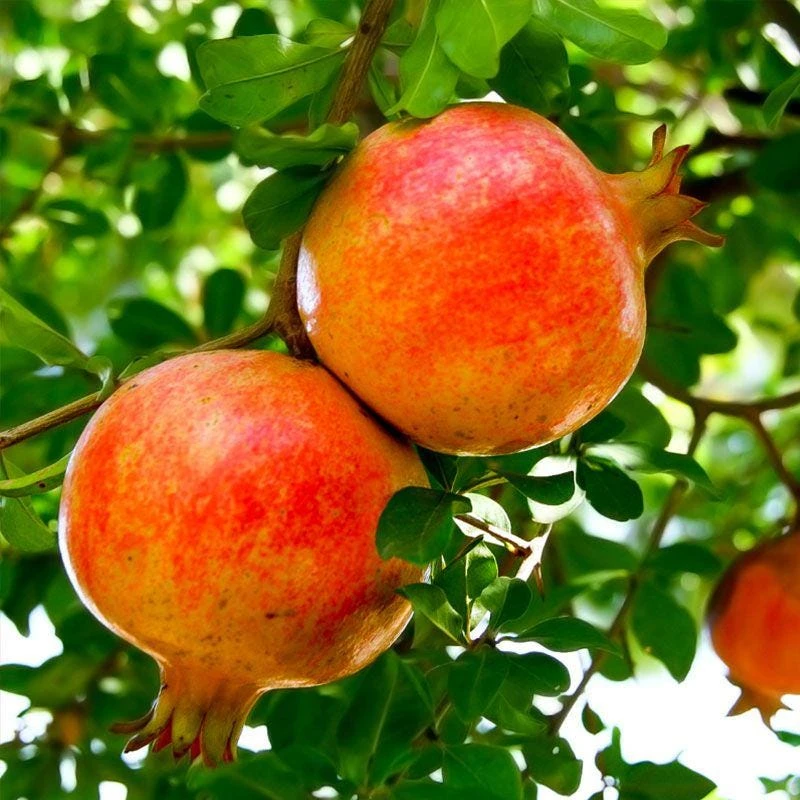
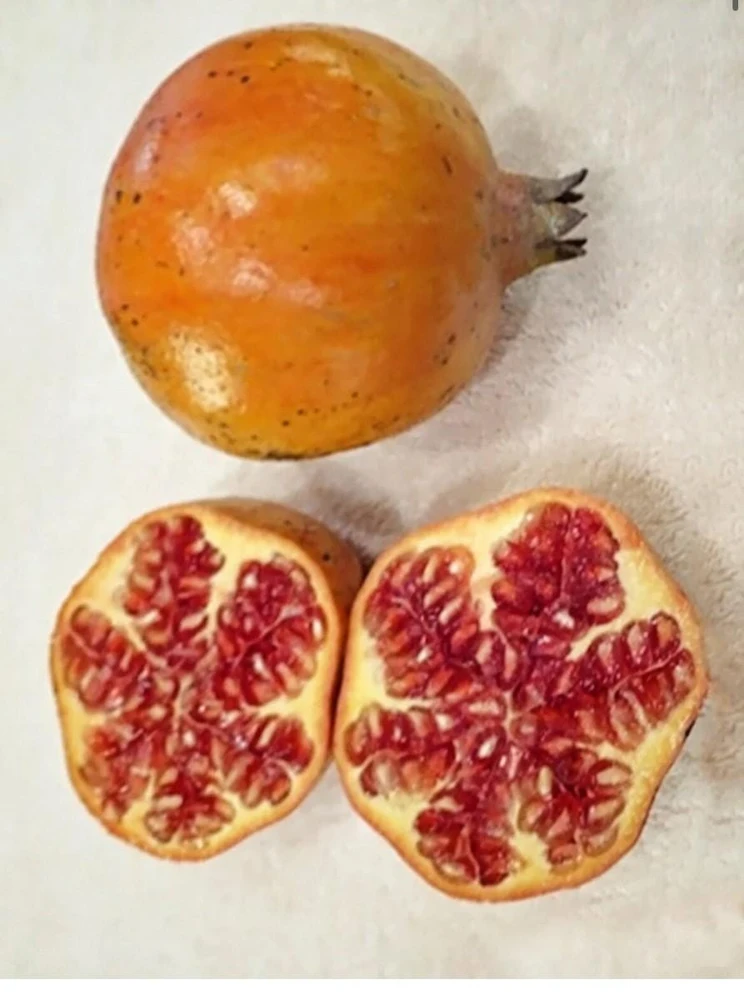
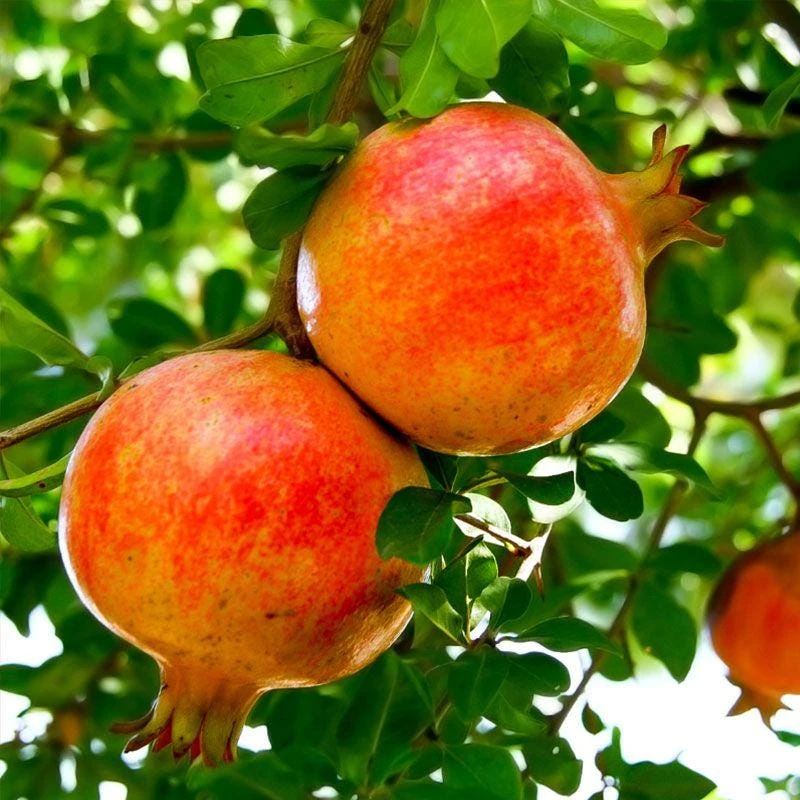
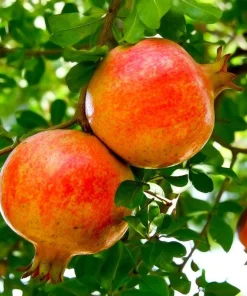
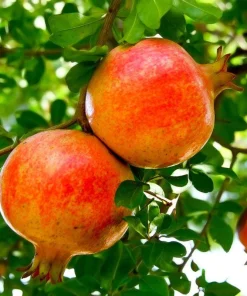
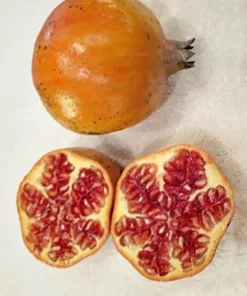
Cultivate your own delicious and exotic fruit with the Sirenevyi pomegranate plant. This exceptional variety, known botanically as Punica granatum ‘Sirenevyi’, is a cold-hardy and self-pollinating selection, making it an excellent choice for a wide range of climates. Originally developed at Dr. Gregory Levin’s renowned research station in Turkmenistan, the ‘Sirenevyi’ pomegranate is celebrated for its distinctive fruit, which features soft seeds and a truly unique flavor profile. Beyond its culinary appeal, this plant also offers significant ornamental value, producing decorative, speckled fruit and vibrant, attractive flowers that enhance any garden or landscape. Whether you’re an experienced gardener or a budding enthusiast, the Sirenevyi pomegranate plant provides an exciting opportunity to grow a resilient and rewarding fruit tree.
As a cold hardy pomegranate, the ‘Sirenevyi’ stands out among its peers. While many pomegranates thrive only in warmer climates, this particular cultivar demonstrates superior tolerance to colder temperatures, extending its suitability to a broader range of USDA Hardiness Zones. This resilience, combined with its self-pollinating nature, ensures a more reliable fruit set, even if you only have space for one plant. The beauty of its blossoms and the intrigue of its fruit make the Punica Granatum Sirenevyi a conversation starter and a delightful addition to any home orchard or edible landscape.
Key Benefits
The Sirenevyi pomegranate plant offers a multitude of benefits, making it a highly desirable addition to your garden. From its unique fruit characteristics to its robust nature, this variety provides both aesthetic appeal and practical value.
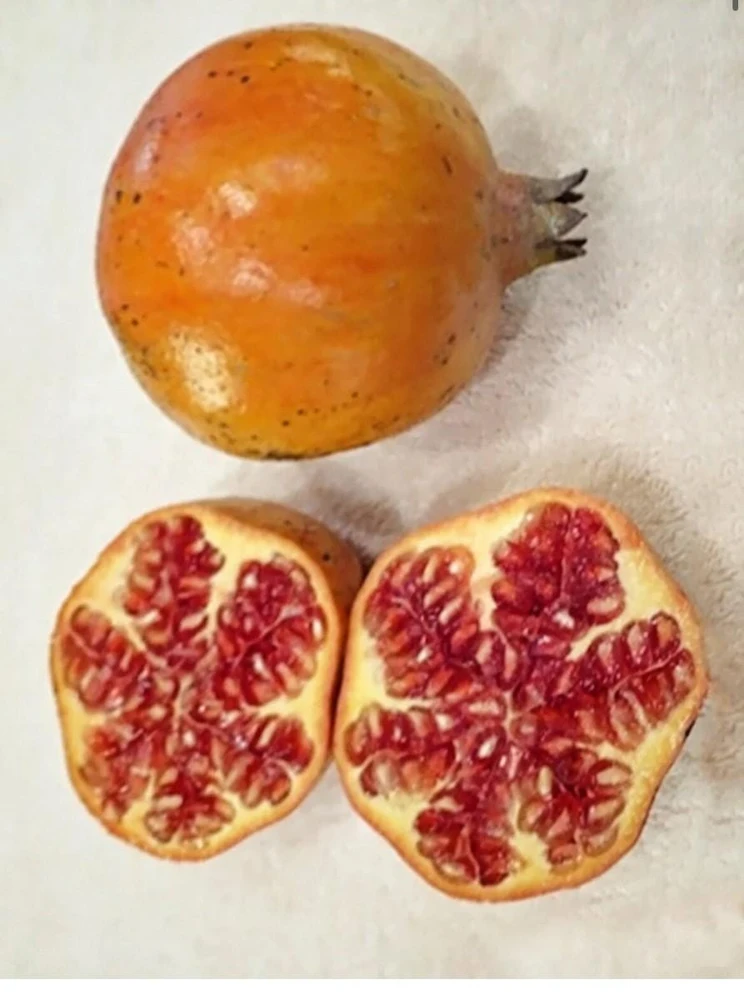
- Delicious Soft-Seeded Fruit: Enjoy pomegranates with notably softer seeds than many other varieties, making them easier and more pleasant to eat fresh. The unique flavor is a delightful bonus.
- Cold-Hardy & Resilient: This variety is remarkably tolerant to colder temperatures, thriving in USDA Zones 7-10, and even some protected areas of Zone 6, making it a versatile choice for many regions. This characteristic defines it as a true cold hardy pomegranate.
- Self-Pollinating: The Sirenevyi pomegranate plant does not require a second plant for pollination, ensuring fruit production even when planted alone. This makes it ideal for smaller gardens or limited spaces.
- Ornamental Appeal: Beyond its fruit, the ‘Sirenevyi’ boasts vibrant, attractive flowers and decorative, speckled fruit that add significant visual interest to your landscape throughout the growing season.
- Unique Genetic Origin: Hailing from Dr. Gregory Levin’s renowned research station in Turkmenistan, this cultivar carries a distinguished lineage, ensuring a high-quality and unique genetic profile.
- Low Maintenance: Once established, the Punica Granatum Sirenevyi is relatively low-maintenance, requiring standard care for fruit trees, making it accessible for gardeners of various skill levels.
- Versatile Culinary Uses: The flavorful arils (seeds) can be enjoyed fresh, juiced, or used in a variety of culinary applications, from salads and desserts to savory dishes.
Plant Care & Growing Tips
Caring for your Sirenevyi pomegranate plant is a rewarding experience that will yield beautiful blossoms and delicious fruit. Pomegranates are generally resilient, but providing optimal conditions will ensure the best growth and harvest. For sunlight, the ‘Sirenevyi’ thrives in full sun, meaning it requires at least 6-8 hours of direct sunlight per day. In hotter climates, some afternoon shade can be beneficial to prevent scorching, but too much shade will reduce fruit production and vigor. Ensure your planting location offers ample light for this vibrant cold hardy pomegranate.
When it comes to watering, pomegranates prefer consistent moisture, especially during their establishment phase and when fruiting. However, they are also quite drought-tolerant once mature. Water deeply and regularly, allowing the top few inches of soil to dry out between waterings. Avoid overwatering, as this can lead to root rot. Well-draining soil is crucial; a sandy loam or loamy soil with a pH between 5.5 and 7.0 is ideal. If your soil is heavy clay, amend it with organic matter to improve drainage. For optimal growth of your Punica Granatum Sirenevyi, ensure good air circulation around the plant to prevent fungal issues.
The Sirenevyi pomegranate plant is known for its cold hardiness, generally thriving in USDA Zones 7–10. In Zone 6, it may survive with adequate winter protection, especially for young plants. This could include mulching heavily around the base, wrapping the plant in burlap, or growing it in a sheltered location. Fertilize your pomegranate in early spring with a balanced slow-release fertilizer or one formulated for fruit trees. Avoid excessive nitrogen, which can promote leafy growth at the expense of fruit. Pruning is best done in late winter or early spring before new growth begins, focusing on removing dead, damaged, or crossing branches, and shaping the plant for good air circulation and fruit production. Keep an eye out for common pests like aphids or whiteflies, and treat with organic insecticidal soap if necessary. Proper care will help your self-pollinating pomegranate flourish.
Size & Details
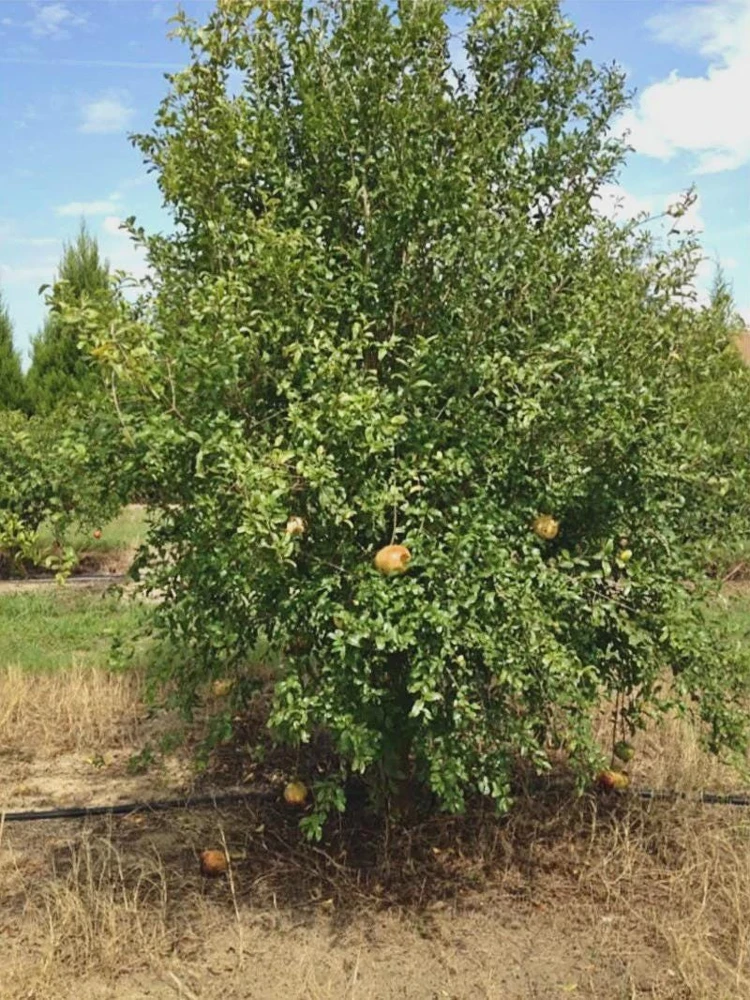
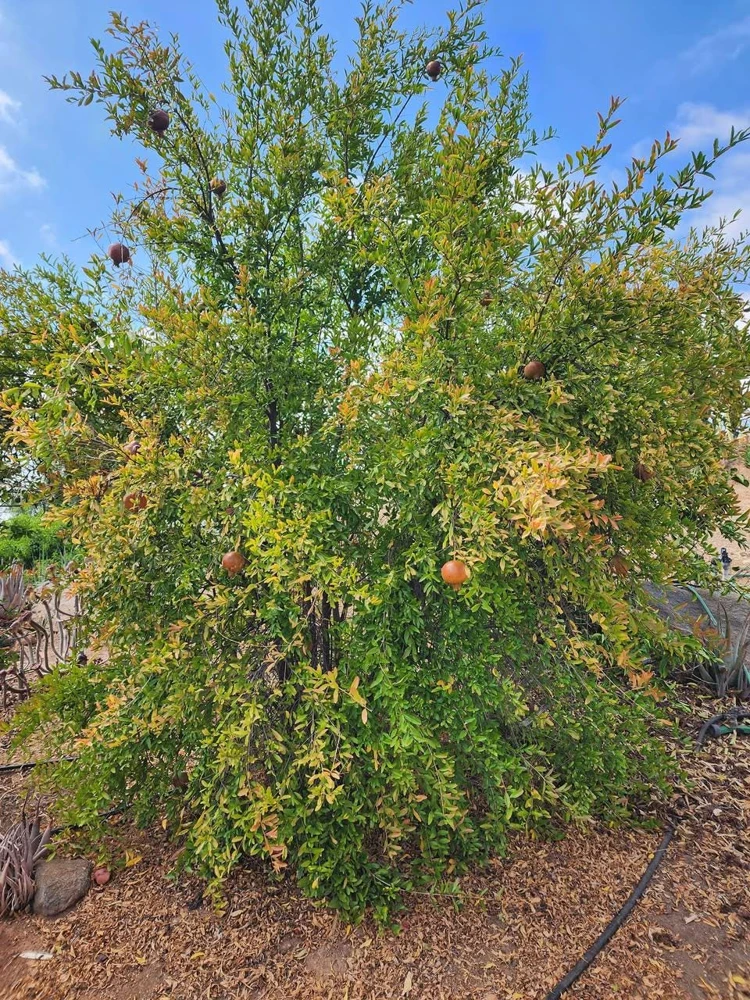
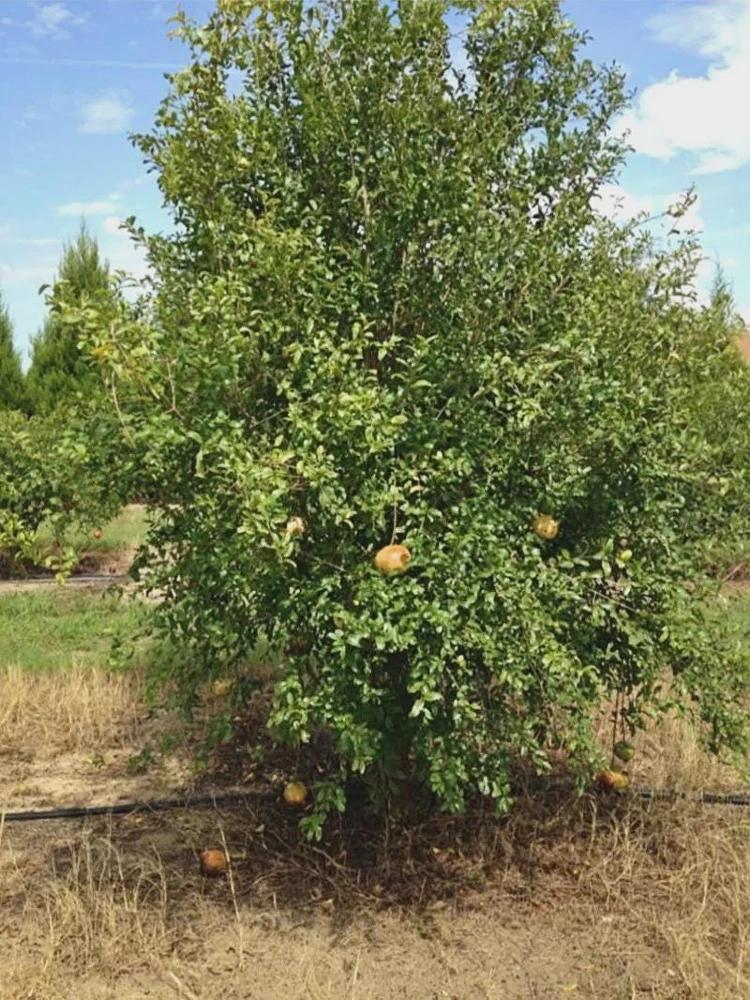
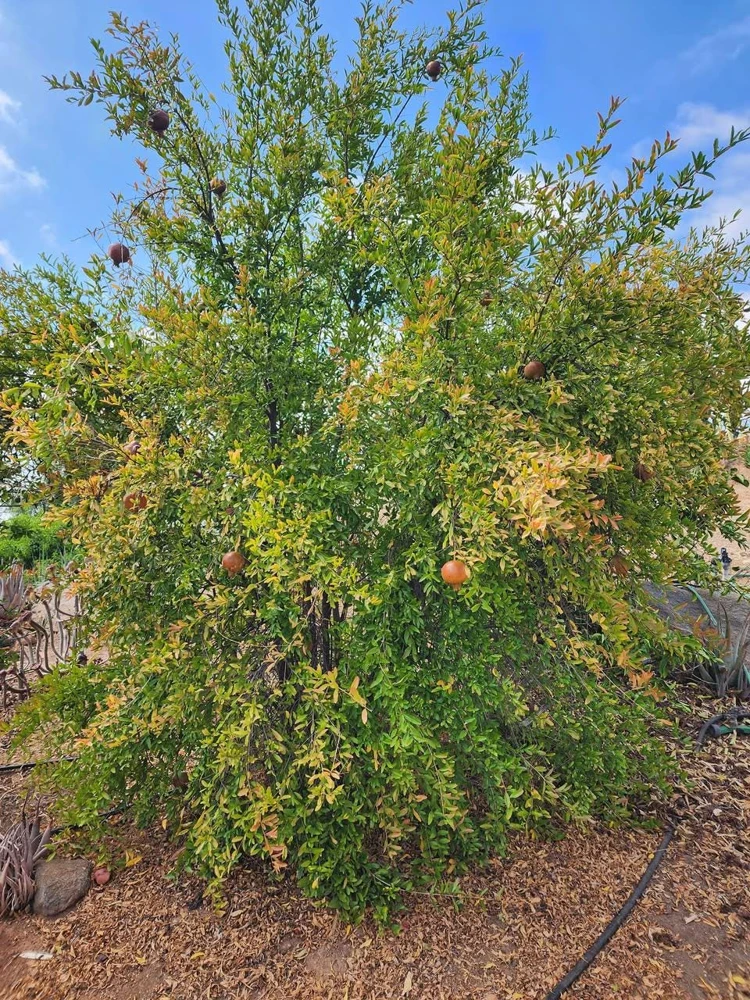
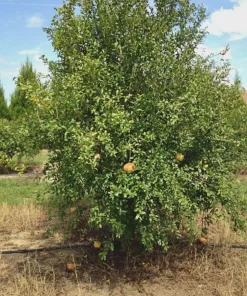
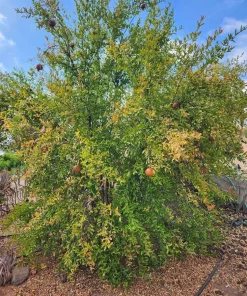
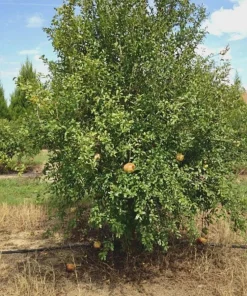
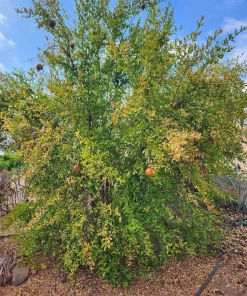
This offering is for 1 Sirenevyi pomegranate plant starter plant. Your plant will arrive as a healthy, bare-root specimen, ready for immediate planting in its new home. While exact dimensions vary by individual plant, starter plants typically range from 6 to 12 inches in height, providing a robust foundation for future growth. Pomegranates are generally fast-growing shrubs or small trees, and with proper care, your ‘Sirenevyi’ can reach a mature height of 10-20 feet, with a similar spread, though it can be kept smaller with regular pruning. Expect your plant to begin producing fruit within 2-3 years of planting, with increasing yields as it matures.
The ‘Sirenevyi’ is a versatile plant that can be grown as a multi-stemmed shrub or trained into a single-trunk tree. It typically blooms in late spring to early summer, with fruit ripening in late summer to fall, depending on your climate. As a soft seed pomegranate, it offers a distinct advantage for fresh consumption. The bare-root shipping method minimizes transplant shock and allows the plant to quickly establish itself in your garden. Ensure you have a suitable planting location prepared upon arrival for your new Punica Granatum Sirenevyi.
Frequently Asked Questions
- Q: How big does this plant get? A: The Sirenevyi pomegranate plant can grow into a large shrub or small tree, typically reaching 10-20 feet tall and wide. Its size can be managed with pruning to fit your garden space.
- Q: Is this an indoor or outdoor plant? A: The ‘Sirenevyi’ pomegranate is primarily an outdoor plant, thriving in full sun in USDA Zones 7-10. It is a cold hardy pomegranate, but young plants in colder zones may need winter protection.
- Q: How much sunlight does it need? A: This pomegranate requires at least 6-8 hours of direct sunlight per day for optimal growth and fruit production. Less sun will result in fewer flowers and fruit.
- Q: Is this plant easy to care for? A: Yes, once established, the Sirenevyi pomegranate plant is relatively low-maintenance. It’s quite resilient to drought and various soil conditions, making it suitable for gardeners of all experience levels.
- Q: What condition will it arrive in? A: Your ‘Sirenevyi’ pomegranate will arrive as a healthy bare-root starter plant, carefully packaged to ensure its safe journey and readiness for planting.
- Q: How long until it produces fruit? A: With good care, you can expect your self-pollinating pomegranate to begin producing fruit within 2-3 years after planting. Yields will increase as the plant matures.
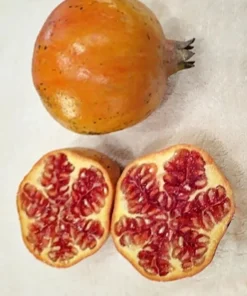
- Q: What is a soft seed pomegranate? A: A soft seed pomegranate like the ‘Sirenevyi’ has arils (the juicy sacs around the seeds) where the seeds themselves are less fibrous and easier to chew or swallow, making for a more enjoyable eating experience.
- Q: Will it survive winter in my zone? A: The ‘Sirenevyi’ is a cold hardy pomegranate rated for USDA Zones 7-10. In Zone 6, it may survive with winter protection such as mulching or covering, especially for young plants.
- Q: What soil type does it prefer? A: Pomegranates prefer well-draining soil, ideally a sandy loam or loamy soil. Good drainage is more important than specific soil composition to prevent root issues.
- Q: Can I grow this plant in a container? A: Yes, the Punica Granatum Sirenevyi can be grown in a large container, especially in colder zones where it can be brought indoors for winter protection. Ensure the container has excellent drainage.
Be the first to review “Sirenevyi Pomegranate Starter Plant – Cold Hardy Punica Granatum Live Plant”
People Also Viewed
Houseplants
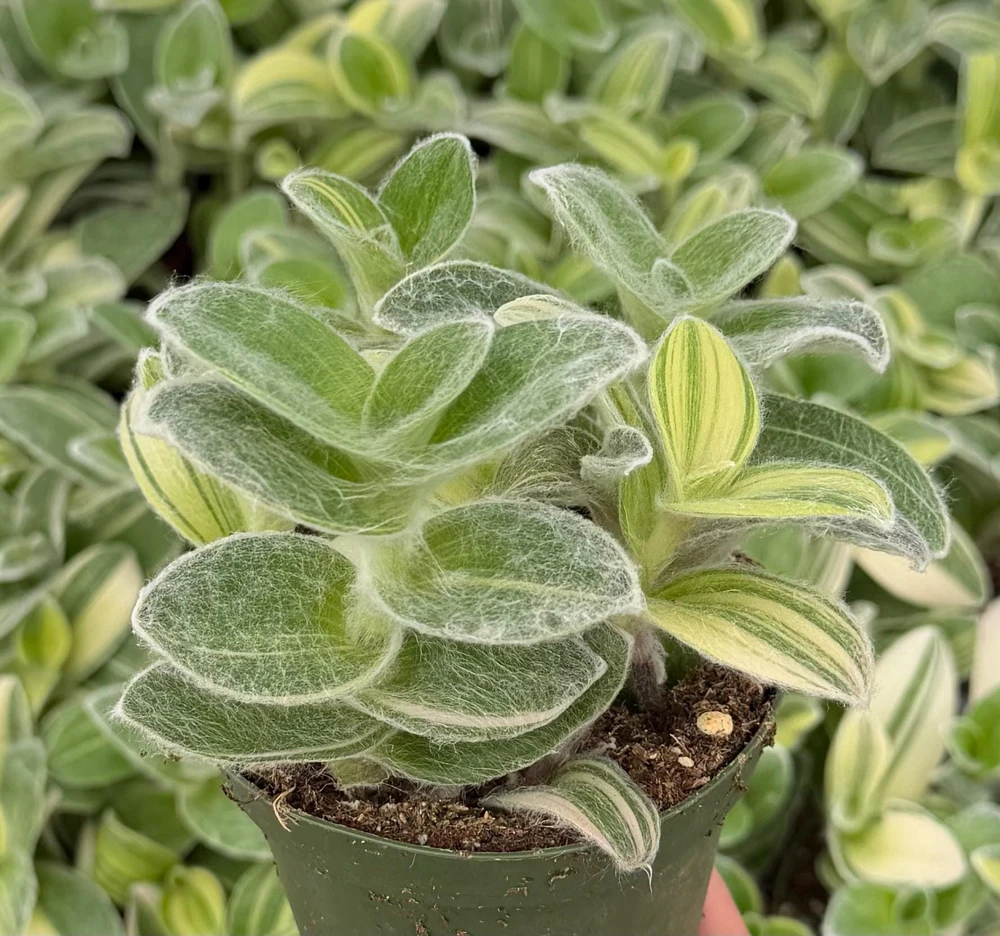
Tradescantia Sillamontana Variegata Live Plant – White Velvet Spiderwort, 4 inch Pot, Indoor/Outdoor

Reviews
There are no reviews yet.