
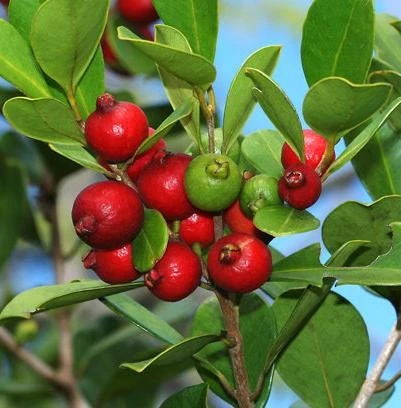
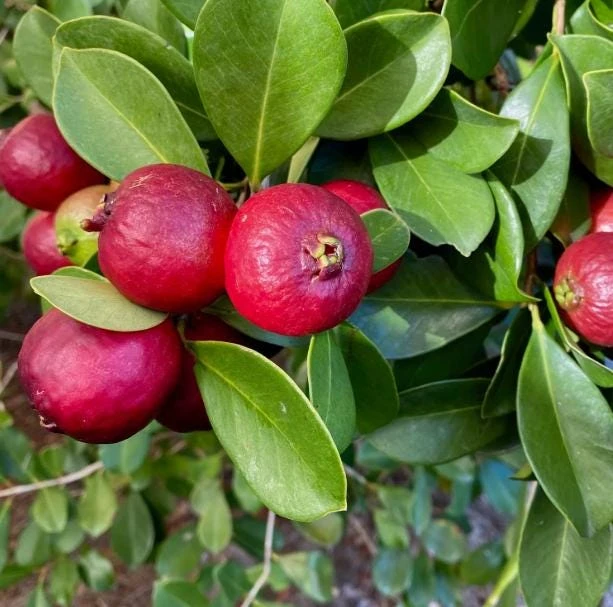
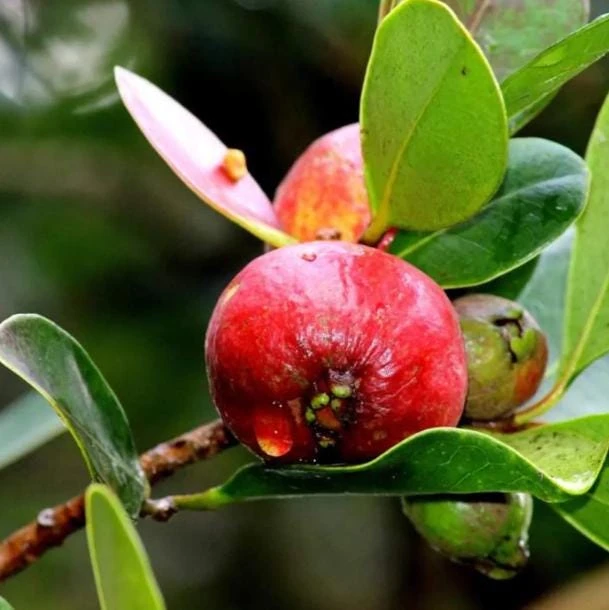
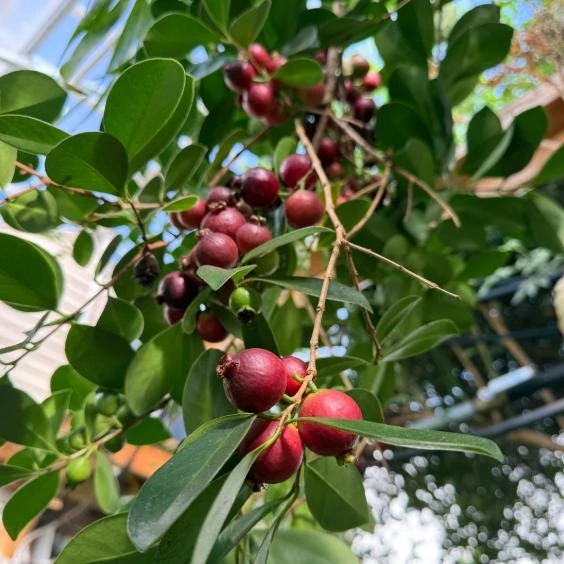
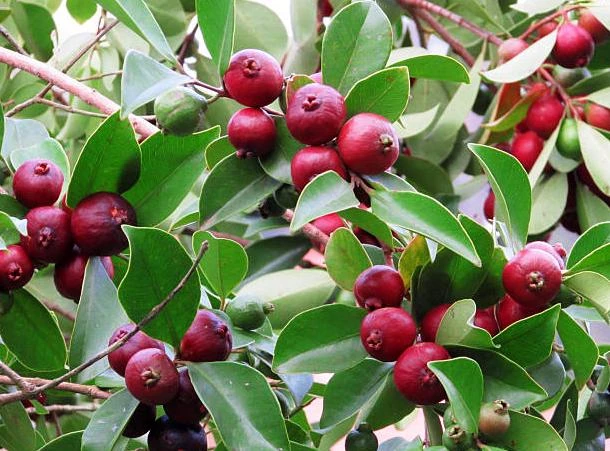
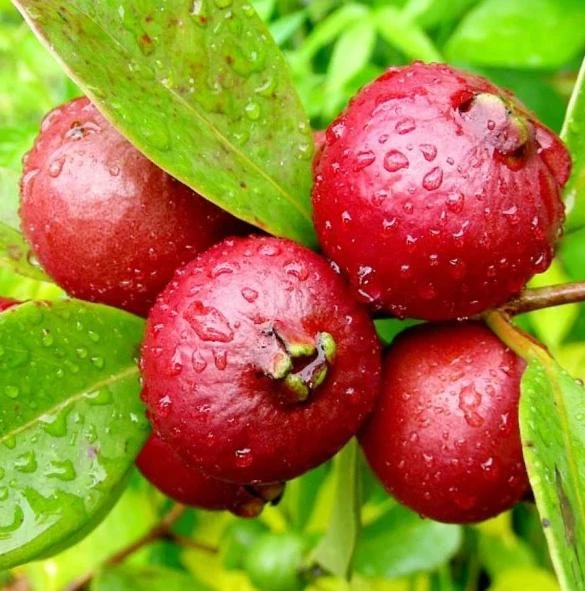
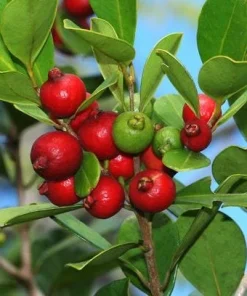
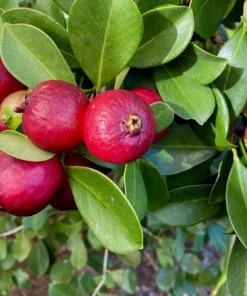
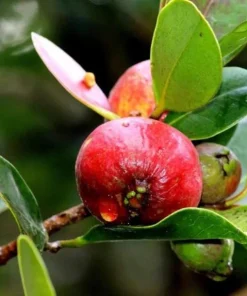
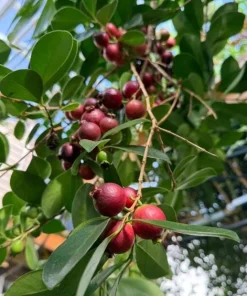
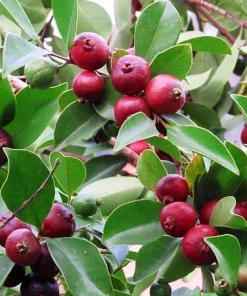
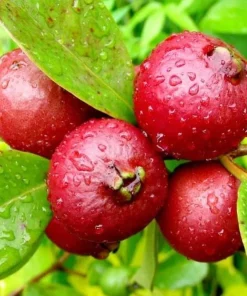
Strawberry Guava Tree Live Plant 4-6 Inch Tall – Tropical Fruit
Original price was: $38.99.$23.99Current price is: $23.99.
Bring the tropics home with a strawberry guava tree! This 4-6 inch tall live plant offers delicious, aromatic fruit and glossy foliage. Ideal for growing in USDA zones 9-11, it adds an exotic touch to any garden or patio.
Estimated arrival
Oct 14
Oct 19 - Oct 21
Oct 24 - Oct 28
Shop With Confidence
30-Day Plant Health Guarantee
Arrives damaged? We’ll replace it free — see our return policy.
Responsive Support
Email us anytime, we reply within 1 business day.
Expert Packaging
Temperature-controlled shipping to protect your plants in transit.
Secure Checkout
Pay safely with Visa, Mastercard, PayPal.
Plant Specifications
-
USDA Hardiness Zone
9 to 11 -
Soil Type
Well-draining sandy or loamy soil -
Sunlight Exposure
Full sun -
Expected Planting Period
Spring to summer
Overview
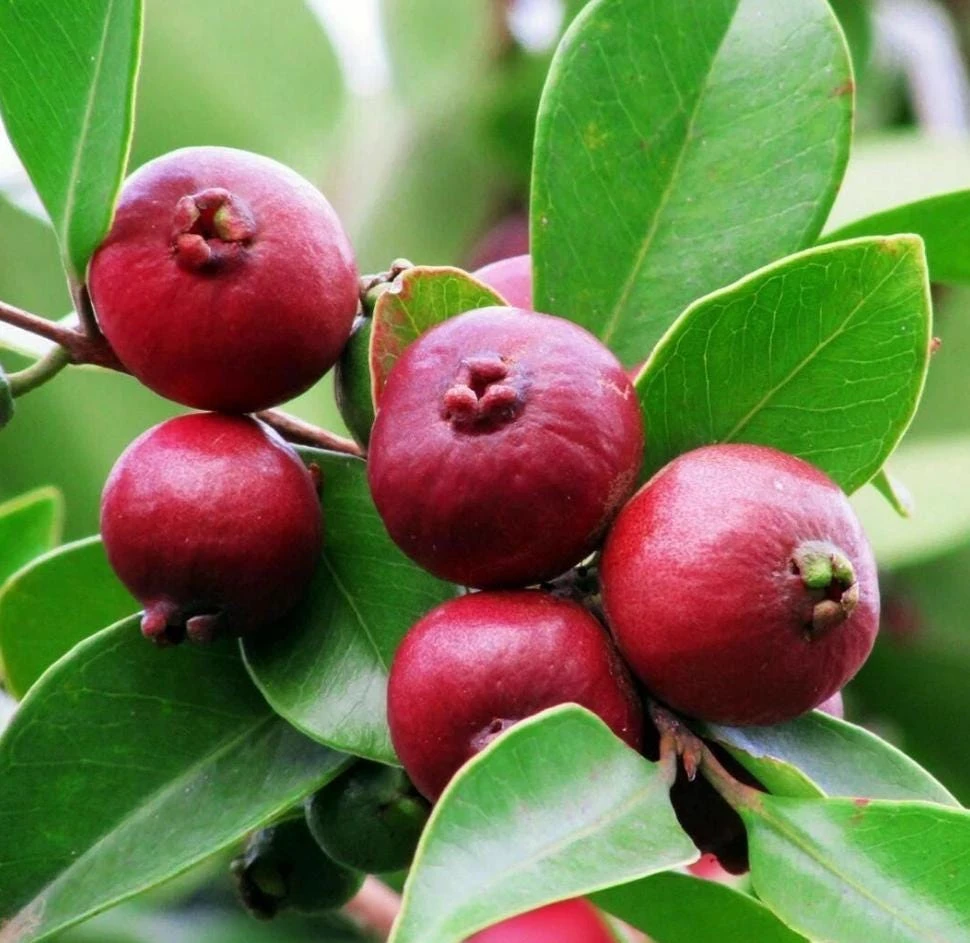
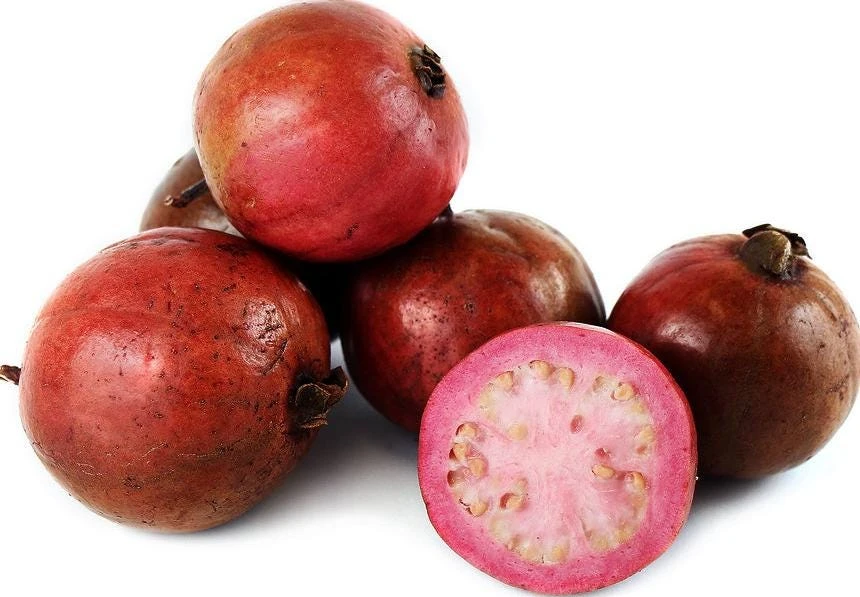
Discover the joy of growing your own exotic fruit with this vibrant strawberry guava tree. A tropical delight, this live plant is known for its exquisite flavor profile, reminiscent of a delicious blend of strawberry and guava. Scientifically known as Psidium cattleianum, the strawberry guava tree is a small, evergreen fruit tree that can be a stunning addition to your landscape or a productive potted plant for your patio. This particular specimen arrives as a healthy 4 to 6 inch tall plant, ready to thrive in its new home. Though it may enter a dormant state in winter, its resilience ensures it will bounce back with lush growth and fragrant blooms in the warmer months, eventually yielding a bounty of sweet, crimson fruits. Whether you’re an experienced gardener or new to tropical plants, this strawberry guava plant offers a rewarding growing experience and a taste of the tropics.
The tropical guava tree is cherished not only for its delectable fruit but also for its ornamental appeal. Its glossy, dark-green leaves provide a lush backdrop for the delicate white, fragrant flowers that precede the fruit. As the tree matures, its smooth, reddish bark adds another layer of visual interest to its overall charm. This plant is a fantastic choice for those looking to cultivate unique fruit varieties and enhance their garden with a touch of the exotic. Prepare for a delightful harvest with this captivating psidium tree.
Key Benefits
Cultivating a strawberry guava tree offers numerous advantages, from its aesthetic appeal to its delicious fruit. This plant provides a unique opportunity to enjoy fresh, home-grown tropical flavors and enhances your gardening experience. The benefits extend beyond just the fruit, contributing to the beauty and biodiversity of your outdoor space or even a sunny indoor spot.
- Delicious, Home-Grown Fruit: Enjoy the unique taste of fresh strawberry guava tree fruit, a perfect blend of strawberry and guava flavors, right from your garden.
- Ornamental Appeal: With glossy dark-green leaves, fragrant white flowers, and attractive reddish bark, this plant adds significant visual interest to any setting.
- Adaptable Growth: Can be grown in the ground in warmer climates (USDA zones 9-11) or in containers in cooler regions, allowing for easy relocation during winter.
- Fragrant Blooms: The beautiful white flowers not only enhance the plant’s appearance but also release a pleasant fragrance, attracting beneficial pollinators.
- Evergreen Foliage: In suitable climates, the strawberry guava plant maintains its vibrant green leaves year-round, providing continuous beauty.
- Relatively Low Maintenance: Once established, this tropical fruit tree requires moderate care, making it accessible for various gardening skill levels.
- Unique Culinary Ingredient: The fruit can be enjoyed fresh, or used in jams, jellies, juices, and desserts, offering versatile culinary applications.
Plant Care & Growing Tips
Caring for your strawberry guava tree involves understanding its specific needs for light, water, and soil to ensure healthy growth and abundant fruit production. While generally robust, providing optimal conditions will help your psidium tree thrive and flourish.
This tropical guava tree thrives in full sun, requiring at least 6-8 hours of direct sunlight daily for best fruit production. If growing indoors or in a container, place it in the brightest spot available, ideally near a south-facing window. During winter, if your plant is dormant and has lost its leaves, it will still benefit from bright light. Moderate watering is crucial; the soil should be kept consistently moist but never waterlogged. Allow the top inch or two of soil to dry out slightly between waterings. Overwatering can lead to root rot, so ensuring good drainage is paramount. During the growing season (spring and summer), you may need to water more frequently, while reducing frequency during dormancy in winter.
The ideal soil for a strawberry guava tree is well-draining, sandy or loamy, and rich in organic matter. A slightly acidic to neutral pH (6.0-7.0) is preferred. For container-grown plants, use a high-quality potting mix blended with perlite or sand to improve drainage. Fertilize during the active growing season (spring to late summer) with a balanced, slow-release fertilizer or an organic fruit tree fertilizer, following the product’s instructions. Reduce or stop fertilizing in fall and winter. This plant is best suited for USDA Zones 9 to 11, where it can be grown outdoors year-round. In colder zones, it must be brought indoors or protected from frost. Ideal temperatures range between 70°F and 85°F. While tolerant of some temperature fluctuations, consistent cold below 30°F can be damaging. Watch out for common pests like scale insects or aphids; treat them promptly with horticultural oil or insecticidal soap. Providing proper care will ensure your guava fruit plant remains healthy and productive for years.
Size & Details
This offering is for one strawberry guava tree live plant, typically measuring 4 to 6 inches tall from the top of the soil. It is shipped in a nursery pot, ready for transplanting into a larger container or directly into your garden if your climate permits. The plant’s growth rate is moderate, and with proper care, it can reach a mature height of 10-20 feet in the ground, though it can be kept smaller through pruning, especially when grown in a container. The fruits typically mature in late summer to fall, following a spring to summer blooming season. Expect your young strawberry guava plant to begin fruiting within 2-3 years, provided it receives adequate sunlight and care.
The plant may be dormant during the winter months, especially if purchased during colder periods. During dormancy, it might lose some or all of its leaves, which is a natural process and not a cause for concern. New growth will emerge in spring as temperatures rise. This tropical guava tree is a robust grower and will establish itself well once planted in its preferred environment, offering years of delicious fruit and ornamental beauty. The compact size of this starter plant makes it easy to handle and transport, allowing you to establish your own psidium tree with ease.
Frequently Asked Questions
- Q: How big does this strawberry guava tree get? A: This particular plant is 4 to 6 inches tall upon arrival. When mature, it can reach 10-20 feet tall in the ground, but can be maintained at a smaller size with regular pruning, especially when grown in a container.
- Q: Is this an indoor or outdoor strawberry guava plant? A: It can be grown outdoors year-round in USDA Zones 9 to 11. In colder climates, it should be grown in a container and brought indoors during winter or protected from frost.
- Q: How much sunlight does my tropical guava tree need? A: This plant thrives in full sun, requiring at least 6-8 hours of direct sunlight daily for optimal growth and fruit production.
- Q: What condition will the guava fruit plant arrive in? A: Your plant will arrive healthy, typically in a nursery pot. It may be dormant and have lost some leaves if shipped during winter, which is normal and indicates it’s resting for new spring growth.
- Q: Is this psidium tree easy to care for? A: Yes, once established, it is considered relatively low maintenance. Providing consistent water, ample sunlight, and well-draining soil are the main requirements for a thriving plant.
- Q: When is the best time to plant a strawberry guava tree? A: The best time to plant is in spring or early summer, allowing the plant ample time to establish itself before colder weather.
- Q: Will my strawberry guava plant survive winter in my zone? A: If you are in USDA Zones 9-11, it can survive winter outdoors. In colder zones, it must be protected from frost or moved indoors before temperatures drop below freezing.
- Q: How long until this tropical guava tree produces fruit? A: Typically, a young plant like this will begin to produce fruit within 2-3 years of planting, given proper care and growing conditions.
- Q: What kind of soil does a guava fruit plant prefer? A: It prefers well-draining sandy or loamy soil with a slightly acidic to neutral pH. For containers, a good quality potting mix with added perlite works well.
- Q: Can I grow this psidium tree in a pot? A: Yes, it adapts very well to container growing, making it an excellent choice for patios or for those in colder climates who need to move it indoors during winter.
Be the first to review “Strawberry Guava Tree Live Plant 4-6 Inch Tall – Tropical Fruit”
People Also Viewed
Vegetable Seeds
Santa Fe Grande Pepper Seeds – Sweet & Mildly Hot – 30 Seed Pack
Trees
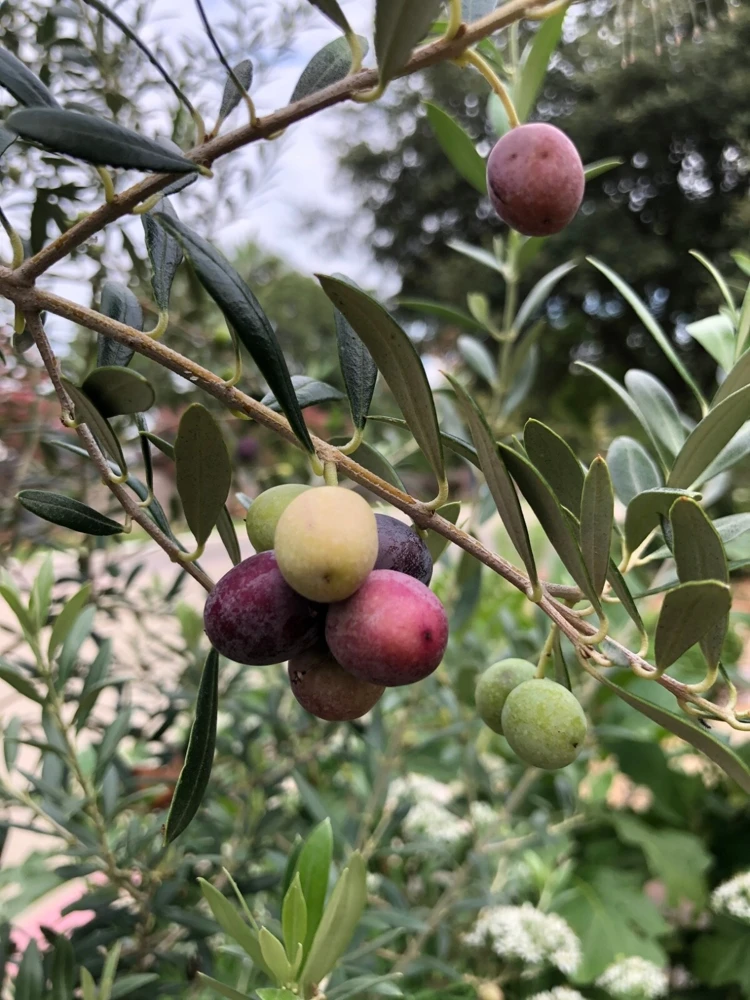
Organic Arbequina Olive Tree Live Starter Plant 6-10″ Tall in 2.5″ Pot – Indoor/Outdoor Fruit Tree
Reviews
There are no reviews yet.