

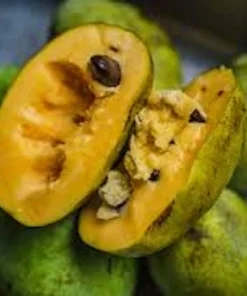
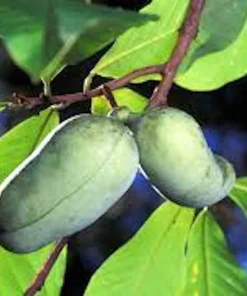
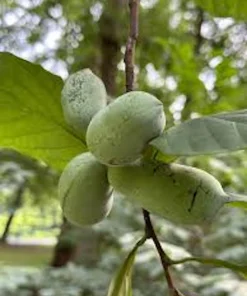
Pawpaw Tree Live Plant – Asimina triloba Fruit Tree – Quart Pot – 12-24in Tall
Original price was: $103.99.$78.99Current price is: $78.99.
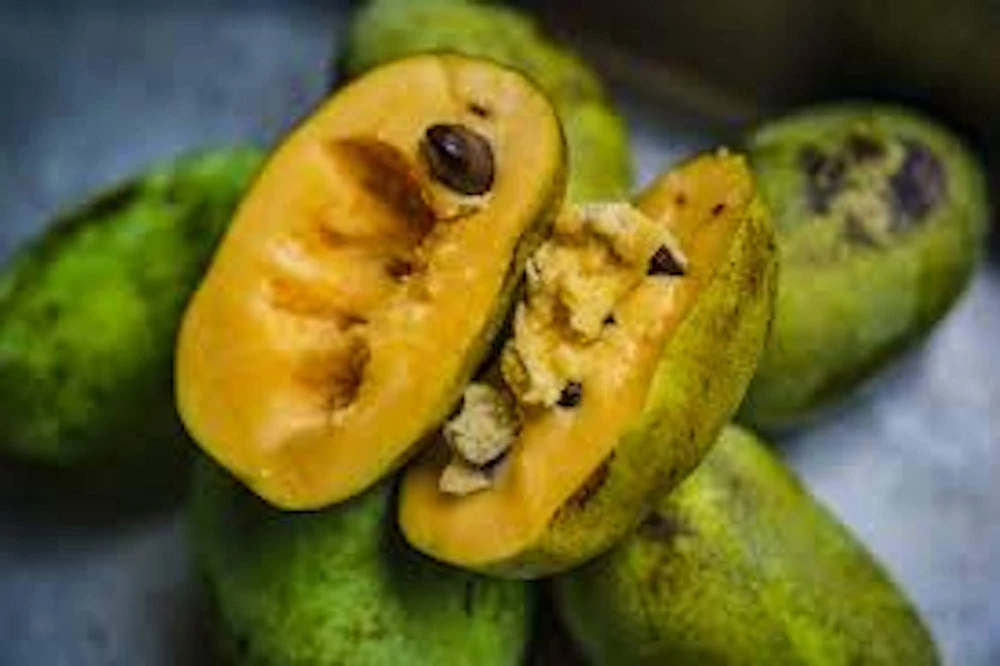
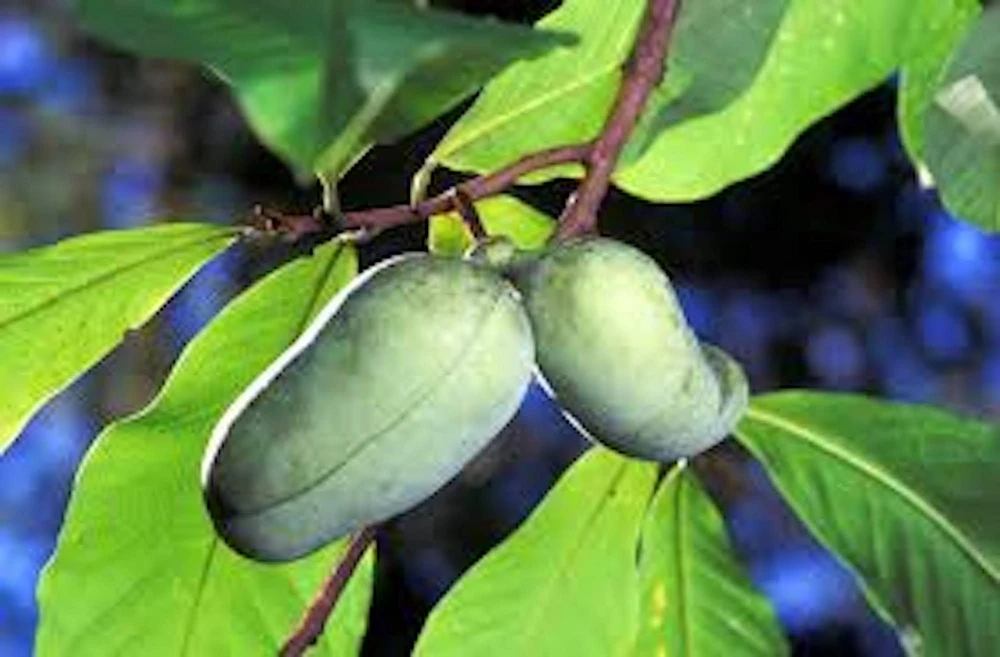
Cultivate a unique and delicious fruit in your garden with this pawpaw tree live plant. The Asimina triloba is a native North American fruit tree, prized for its sweet, custard-like fruit and vibrant foliage. Perfect for adding an unusual yet rewarding addition to any landscape.
Estimated arrival
Sep 29
Oct 04 - Oct 06
Oct 09 - Oct 13
Shop With Confidence
30-Day Plant Health Guarantee
Arrives damaged? We’ll replace it free — see our return policy.
Responsive Support
Email us anytime, we reply within 1 business day.
Expert Packaging
Temperature-controlled shipping to protect your plants in transit.
Secure Checkout
Pay safely with Visa, Mastercard, PayPal.
Plant Specifications
-
USDA Hardiness Zone
USDA Zones 5-8 -
Soil Type
Well-drained, slightly acidic soil -
Sunlight Exposure
Full sun to partial shade -
Expected Planting Period
Spring to early summer
Overview
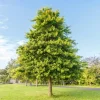
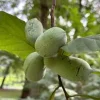
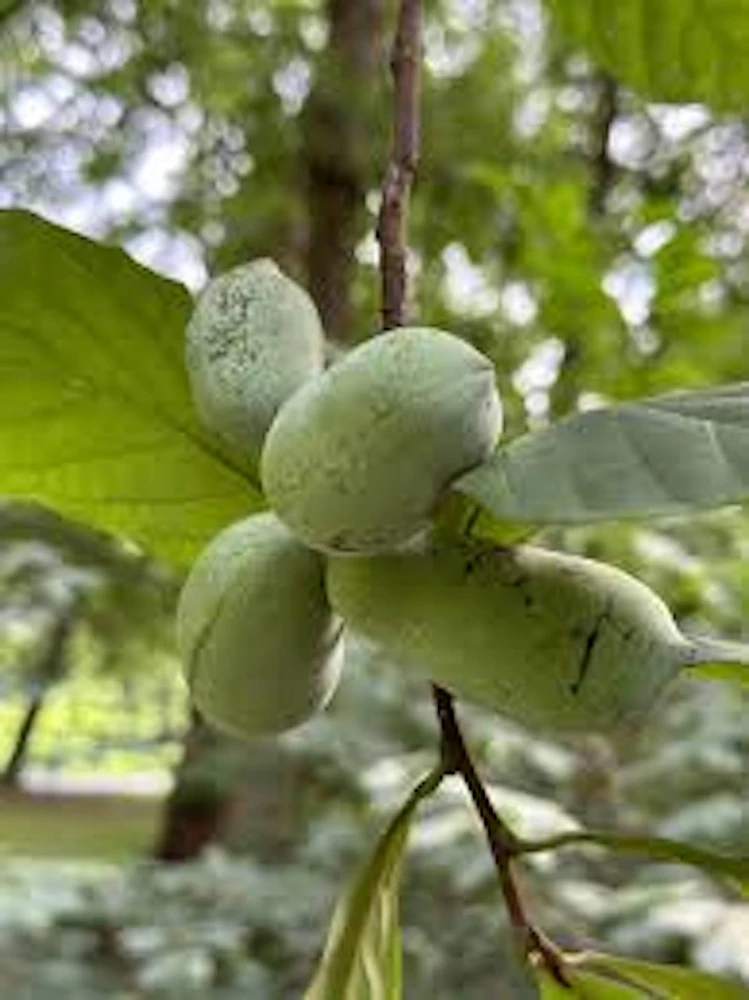
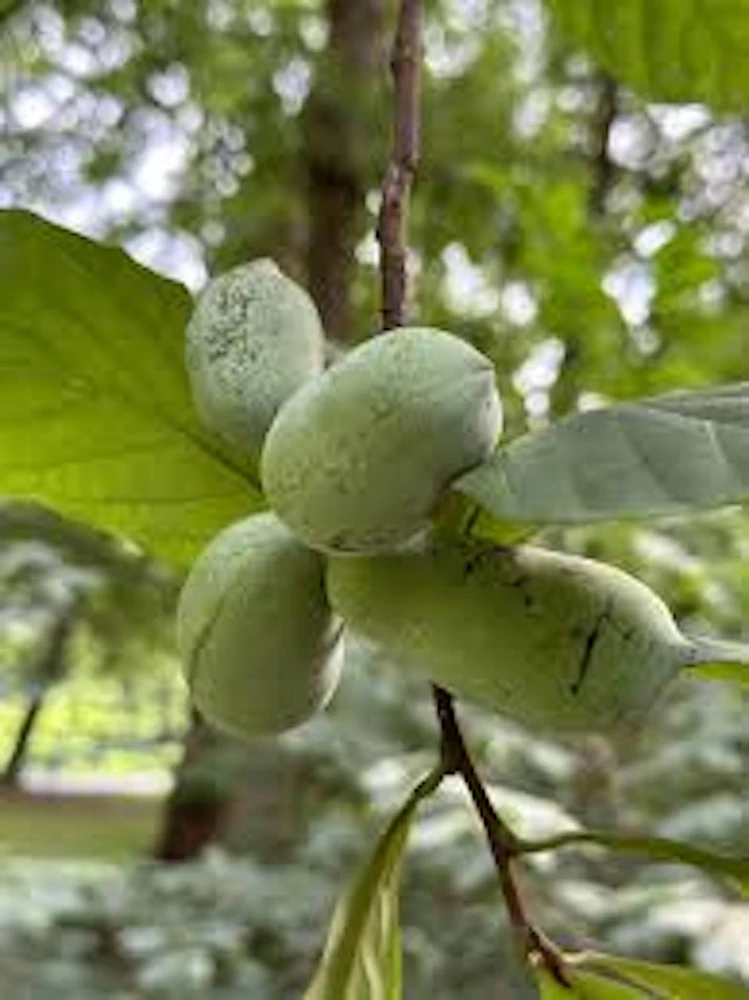
Bring the taste of the tropics to your backyard with the pawpaw tree live plant (Asimina triloba). This fascinating and resilient deciduous tree is North America’s largest native edible fruit, often referred to as the “poor man’s banana” or “custard apple” due to its creamy, sweet flavor and tropical aroma. Our pawpaw tree live plant offers a unique opportunity to grow a delicious, nutritious fruit that is rarely found in grocery stores. Prized for its distinctive taste, which combines hints of mango, banana, and pineapple, the pawpaw is a truly special addition to any home orchard or garden. Beyond its delectable fruit, the Asimina triloba also boasts attractive foliage, turning a beautiful golden-yellow in the fall, making it a valuable ornamental tree as well.
This remarkable native fruit tree is not only a source of delicious, healthy fruit but also contributes to local ecosystems by supporting native wildlife. Growing a native fruit tree like the pawpaw can enhance biodiversity in your garden and provide a sustainable food source. It’s an excellent choice for gardeners looking for something out of the ordinary, yet surprisingly easy to care for once established. Discover the joy of harvesting your own sweet, custard-like pawpaw fruit right from your own garden.
Key Benefits
The pawpaw tree live plant offers numerous advantages for both the gardener and the environment. Its unique characteristics make it a standout choice:
- Delicious, Unique Fruit: Enjoy the sweet, custard-like flavor of pawpaws, a tropical-tasting fruit rarely available commercially. You’ll be able to savor fresh, homegrown pawpaw fruit.
- North American Native: As a native fruit tree, the Pawpaw is well-adapted to many US climates, requires less intervention, and supports local ecosystems.
- Low Maintenance: Once established, the Asimina triloba is remarkably resilient and requires minimal care, making it suitable for both beginner and experienced gardeners.
- Nutrient-Rich: Pawpaw fruit is packed with vitamins, minerals, and antioxidants, offering exceptional nutritional value.
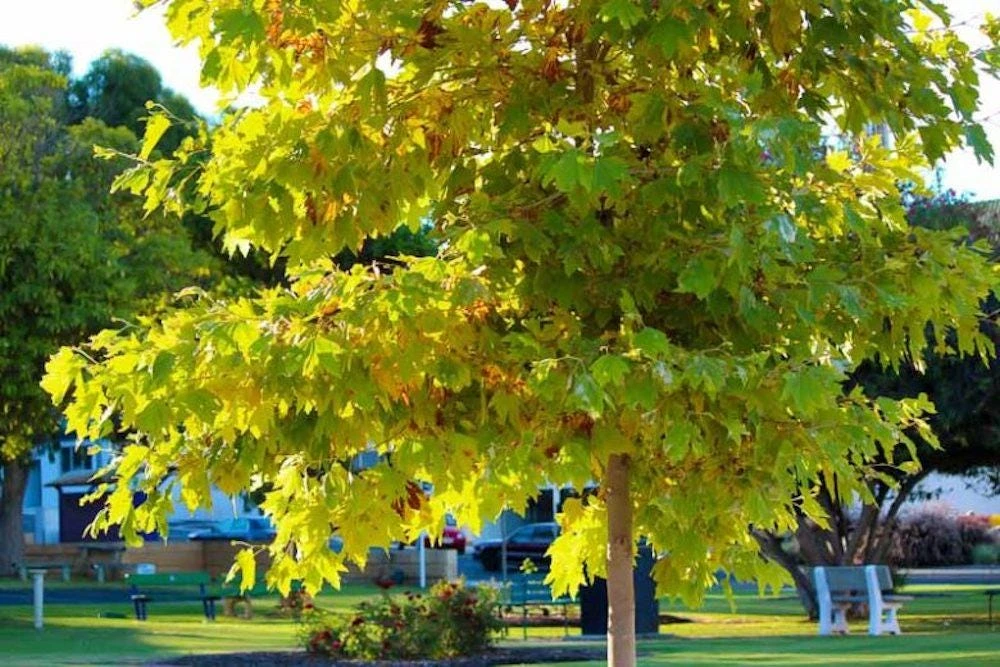
- Attractive Foliage: Beyond its fruit, the tree provides ornamental beauty with vibrant green leaves that turn a striking golden-yellow in autumn.
- Hardy & Resilient: Tolerant of a range of conditions, this tree is a robust choice for temperate climates, thriving in USDA zones 5-8.
- Supports Wildlife: The pawpaw tree serves as a host plant for the zebra swallowtail butterfly, adding ecological value to your garden.
Plant Care & Growing Tips
To successfully grow pawpaw fruit and ensure your pawpaw tree live plant thrives, understanding its specific care requirements is essential. While generally low-maintenance, a good start will lead to a healthy, productive tree. Pawpaws prefer a site with full sun to partial shade. In hotter climates, some afternoon shade can be beneficial, especially for young trees, to prevent leaf scorch. Aim for at least 6 hours of direct sunlight for optimal fruit production.
The Asimina triloba thrives in deep, fertile, well-drained, and slightly acidic soil with a pH between 5.5 and 7.0. Amend heavy clay soils with organic matter to improve drainage. Consistent moisture is crucial, especially during the first few years and when fruit is developing. Water deeply and regularly, ensuring the soil remains moist but not waterlogged. Mulching around the base of the tree can help retain soil moisture and suppress weeds. Fertilize sparingly in the spring with a balanced, slow-release fertilizer once the tree is established, typically after the first year.
Pawpaw trees are hardy in USDA zones 5-8 and can tolerate winter temperatures down to -20°F (-29°C). They are generally pest and disease resistant. For successful fruiting, it’s important to plant at least two genetically different pawpaw trees for cross-pollination, as most pawpaw varieties are not self-fertile. Pruning should be minimal, primarily to remove dead, damaged, or crossing branches to maintain good air circulation and shape. Proper care will help your pawpaw tree live plant produce abundant, delicious fruit for years to come.
Size & Details
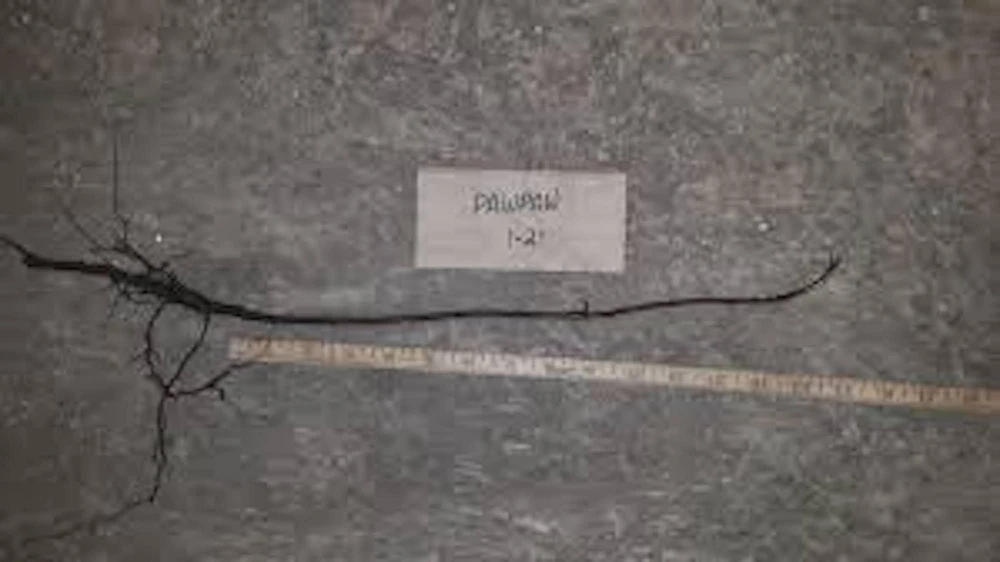
This offering includes three pawpaw tree live plant specimens, each carefully grown and ready for planting. The trees are supplied in quart pots, providing a healthy root system for successful establishment. Each plant measures approximately 12-24 inches in height from the top of the soil, offering a good starter size for planting directly into your garden or a larger container. These young trees are at an ideal stage for transplanting, allowing them to acclimate quickly to their new environment. While they arrive in quart pots, for long-term growth, they will need to be transplanted into the ground or much larger containers.
The Asimina triloba is known for its moderate growth rate, typically reaching mature heights of 15-20 feet with a spread of 10-15 feet. You can expect your pawpaw trees to begin producing fruit within 3-5 years after planting, depending on growing conditions and care. The size and vigor of these bare root plants make them an excellent foundation for establishing your own pawpaw patch. With proper care, these trees will develop into robust producers of delicious pawpaw fruit.
Frequently Asked Questions
- Q: How big do these pawpaw trees get and what size pot do they come in? A: These pawpaw tree live plant specimens are typically 12-24 inches tall upon arrival and are shipped in quart-sized pots. Mature pawpaw trees can reach heights of 15-20 feet with a similar spread.
- Q: Is this an indoor or outdoor plant, and how much sunlight does it need? A: The Asimina triloba is an outdoor tree. It prefers full sun to partial shade, ideally at least 6 hours of direct sunlight daily for best fruit production. Young trees may benefit from some afternoon shade in very hot climates.
- Q: Is this plant easy to care for, and is it good for beginners? A: Yes, once established, the pawpaw tree live plant is relatively low-maintenance, making it a good choice for both beginner and experienced gardeners looking to grow pawpaw fruit. Consistent watering for young trees is key.
- Q: What condition will the bare root pawpaw trees arrive in? A: The trees are shipped in quart pots with a healthy root system, ensuring they are well-prepared for transplanting and continued growth.
- Q: Do I need more than one pawpaw tree to get fruit? A: Yes, to ensure successful cross-pollination and fruit production, you will need to plant at least two genetically different pawpaw tree live plant specimens.
- Q: How long until it blooms and produces fruit? A: Pawpaw trees typically begin to bloom and produce fruit within 3-5 years after planting, depending on growing conditions and care.
- Q: Will the pawpaw tree survive winter in my zone? A: The native fruit tree, Asimina triloba, is hardy in USDA zones 5-8, meaning it can withstand winter temperatures down to -20°F (-29°C) in these regions.
- Q: What kind of soil is best for growing pawpaw fruit? A: Pawpaw trees thrive in deep, fertile, well-drained, and slightly acidic soil (pH 5.5-7.0). Good drainage is crucial to prevent root rot.
- Q: What’s the best time to plant these pawpaw trees? A: Spring is generally the best time to plant your pawpaw tree live plant, allowing it to establish its root system before the heat of summer or the cold of winter.
- Q: How can I ensure my pawpaw trees get enough water? A: Water deeply and regularly, especially during dry periods and the first few years after planting. Mulching around the base can help retain moisture.
Be the first to review “Pawpaw Tree Live Plant – Asimina triloba Fruit Tree – Quart Pot – 12-24in Tall”
People Also Viewed
Herb Seeds
Chives Seeds – Allium schoenoprasum 150 Seeds – Hardy Perennial Herb for Garden & Culinary

Reviews
There are no reviews yet.