

Vates Collard Seeds – 100 Count Packet – Hardy, Bolt Resistant Greens
Original price was: $23.99.$13.99Current price is: $13.99.
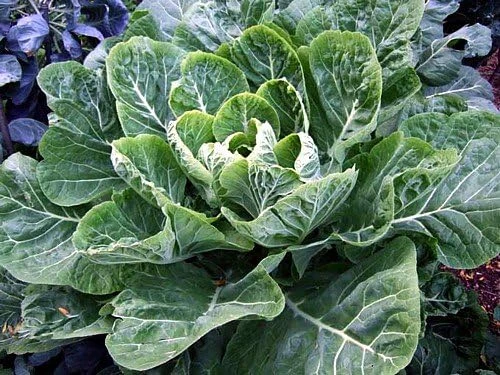
Cultivate your own delicious and nutritious Vates Collard seeds with this 100-count packet. Known for their robust growth and broad, thick dark blue-green leaves, these collards are hardy, bolt-resistant, and can thrive in various conditions. Perfect for gardeners seeking reliable and flavorful greens.
Estimated arrival
Sep 29
Oct 04 - Oct 06
Oct 09 - Oct 13
Shop With Confidence
30-Day Plant Health Guarantee
Arrives damaged? We’ll replace it free — see our return policy.
Responsive Support
Email us anytime, we reply within 1 business day.
Expert Packaging
Temperature-controlled shipping to protect your plants in transit.
Secure Checkout
Pay safely with Visa, Mastercard, PayPal.
Plant Specifications
-
USDA Hardiness Zone
USDA zones 7-10 (as biennial), all zones (as annual) -
Soil Type
Well-draining, rich in organic matter -
Sunlight Exposure
Part to full sun -
Expected Planting Period
Early spring to late summer
Overview
Introduce a garden staple to your home with our premium Vates Collard seeds. This packet contains 100 high-quality seeds, ready to grow into robust and flavorful collard greens. Vates Collards, scientifically known as Brassica oleracea, are a hardy biennial variety often referred to as Blue Stem. These plants are celebrated for their broad, thick, dark blue-green leaves, which are not only visually appealing but also packed with nutrients. Ideal for home gardeners looking for a reliable and productive vegetable, these seeds promise a bountiful harvest of delicious greens.
Our Vates Collard seeds are an excellent choice for both experienced and novice gardeners. They are especially valued for their resilience and adaptability, making them a dependable option for diverse climates. Whether you’re planning a large vegetable patch or a smaller raised bed, these collard seeds will provide you with a continuous supply of fresh, homegrown collards. Experience the satisfaction of harvesting your own healthy produce directly from your garden.
Key Benefits
Growing Vates Collard seeds offers numerous advantages, from their ease of cultivation to their nutritional value. These seeds develop into plants that are a fantastic addition to any vegetable garden, providing both culinary and horticultural benefits.
- Robust Growth and Yield: Vates Collards are known for their vigorous growth, producing an abundance of large, flavorful leaves. This ensures a generous harvest that can be enjoyed fresh or preserved for later.
- Temperature Tolerance: These collard plants are remarkably tolerant of temperature extremes, allowing for a longer growing season. They can withstand both cooler temperatures and warmer periods without significant stress.
- Bolt Resistance: A key feature of this variety is its bolt resistance, meaning it is less likely to go to seed prematurely, ensuring a prolonged harvest of tender leaves. This characteristic makes them a reliable choice for consistent production.
- Nutrient-Rich Greens: Collard greens are a powerhouse of vitamins and minerals, including Vitamins K, A, and C, as well as calcium and fiber. Growing your own ensures a fresh supply of these healthy vegetables.
- Versatile Culinary Use: The thick, dark blue-green leaves are perfect for a wide range of culinary applications, from traditional Southern dishes to modern healthy recipes. They can be steamed, sautéed, braised, or even added to smoothies.
- Overwintering Potential: In the mid and deep South, these hardy biennial plants can often overwinter, providing an extended harvest period into the following year. This extends the productivity of your garden.
- Ease of Cultivation: These collard greens seeds are relatively easy to grow, making them suitable for gardeners of all skill levels. With basic care, you can expect a successful and rewarding crop.
Plant Care & Growing Tips
Successful cultivation of Vates Collard seeds begins with proper planting and consistent care. Collards thrive in well-prepared soil and with adequate sunlight, leading to healthy and productive plants. Understanding their specific needs will ensure a bountiful harvest of delicious greens.
For optimal growth, plant your Brassica oleracea seeds in a location that receives part to full sun, ideally 6-8 hours of direct sunlight per day. The soil should be well-draining, rich in organic matter, and have a pH between 6.0 and 7.0. Before planting, amend the soil with compost to improve fertility and drainage. Plant seeds approximately 1/4 inch deep and space them about 4-6 inches apart in rows, with rows 18-24 inches apart. Once seedlings emerge and are a few inches tall, thin them to 8-12 inches apart to allow for proper development of the mature plants. The ideal soil temperature for germination is between 50-75 degrees Fahrenheit, with germination typically occurring within 3-10 days.
Collards require moderate water, especially during dry periods. Keep the soil consistently moist but not waterlogged. Deep watering encourages robust root development. Fertilize every 3-4 weeks with a balanced organic fertilizer to support continuous leaf production. Vates Collards are hardy biennials and can tolerate a range of temperatures, often overwintering in warmer climates (USDA zones 7-10). Protect young plants from extreme cold with row covers if frost is expected. Watch out for common pests like cabbage worms and aphids; use organic pest control methods such as neem oil or insecticidal soap if necessary. Harvesting can begin in 65-80 days, by picking the outer leaves, which encourages the plant to produce more from the center, allowing for multiple harvests.
Size & Details
This product includes 100 Vates Collard seeds, providing ample opportunity to establish a thriving collard patch in your garden. Each seed is carefully selected to ensure high germination rates and healthy plant development. The collard plants typically grow to a mature height of 1-2 feet with a spread of similar dimensions, producing large, robust leaves that are ready for harvest in approximately 65-80 days from planting. These seeds are shipped in a protective packet, ensuring their viability upon arrival.
The mature leaves are thick and dark blue-green, offering excellent texture and flavor for various culinary uses. The hardiness of this variety means it can withstand different growing conditions, making it a versatile choice for many regions. With proper care, these plants will continue to yield fresh leaves over an extended period, especially in areas where they can overwinter. This makes them an economical and rewarding addition for anyone looking to grow collards at home.
Frequently Asked Questions
- Q: How big do Vates Collard plants get? A: Vates Collard plants typically grow to about 1 to 2 feet tall and can spread similarly wide. Their broad, thick leaves contribute to their overall robust size, providing a significant harvest of greens.
- Q: Is this an indoor or outdoor plant? A: Vates Collard seeds are primarily intended for outdoor cultivation in garden beds or large containers. While young seedlings can be started indoors, the mature plants require ample space and sunlight to thrive outdoors.
- Q: How much sunlight do Vates Collard seeds need to grow? A: Collard plants prefer part to full sun, meaning they need at least 6-8 hours of direct sunlight per day for optimal growth and leaf production. Adequate sunlight is crucial for developing healthy, flavorful leaves.
- Q: Is this plant easy to care for? A: Yes, Vates Collards are considered relatively easy to care for, making them suitable for gardeners of all experience levels. They are tolerant of various conditions and are known for their resilience and bolt resistance.
- Q: What condition will the seeds arrive in? A: The collard greens seeds will arrive in a sealed, protective packet, ensuring they are dry and viable. We take care to package our seeds to maintain their quality during transit, ready for your planting.
- Q: When is the best time to plant Vates Collard seeds? A: The best time to plant Vates Collard seeds is in early spring for a summer harvest, or in late summer for a fall and winter harvest. They can be planted year-round in regions with mild winters.
- Q: How long until I can harvest collard greens from these seeds? A: You can typically start harvesting Vates Collard leaves in about 65-80 days from the time of planting the seeds. Harvesting the outer leaves encourages the plant to produce more, extending your harvest season.
- Q: What type of soil is best for growing Vates Collards? A: Vates Collards thrive in well-draining, fertile soil that is rich in organic matter. A slightly acidic to neutral pH (6.0-7.0) is ideal for these plants, which helps them absorb nutrients efficiently.
- Q: Can I grow collards in containers? A: Yes, you can grow Vates Collards in containers, provided the containers are large enough (at least 5-gallon capacity) to accommodate their root system and allow for proper growth. Ensure good drainage.
- Q: Will Vates Collard plants survive winter in my zone? A: Vates Collards are hardy biennials and can often overwinter in USDA zones 7-10, especially in the mid and deep South. In colder zones, they are typically grown as annuals or protected with row covers.
Be the first to review “Vates Collard Seeds – 100 Count Packet – Hardy, Bolt Resistant Greens”
People Also Viewed
Reviews
There are no reviews yet.