
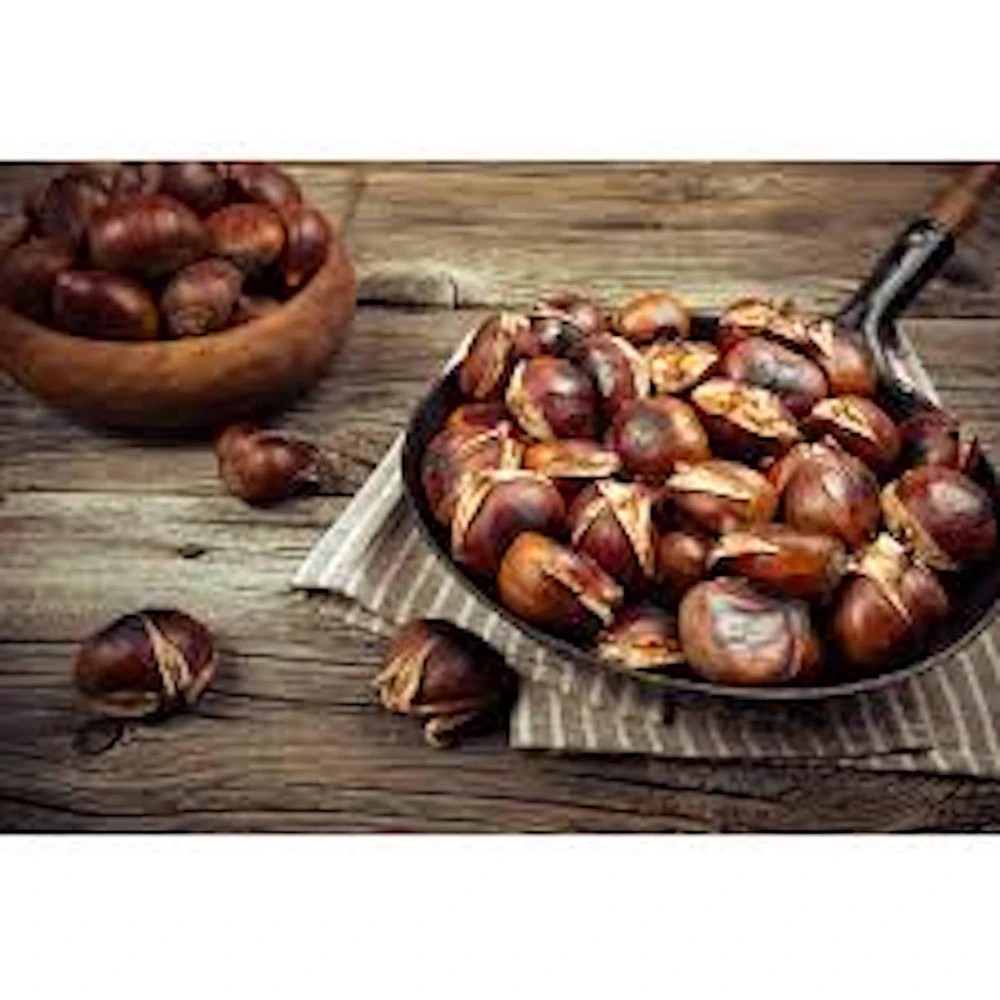
10 Bisalta Italian Chestnut Seeds – Stratified for Planting
Original price was: $67.99.$42.99Current price is: $42.99.
Cultivate robust Bisalta Italian chestnut trees with these 10 premium, stratified seeds. Known for exceptional vigor, cold-climate production, and gourmet flavor, these seeds are ready for planting to establish your own high-yielding orchard.
Estimated arrival
Sep 29
Oct 04 - Oct 06
Oct 09 - Oct 13
Shop With Confidence
30-Day Plant Health Guarantee
Arrives damaged? We’ll replace it free — see our return policy.
Responsive Support
Email us anytime, we reply within 1 business day.
Expert Packaging
Temperature-controlled shipping to protect your plants in transit.
Secure Checkout
Pay safely with Visa, Mastercard, PayPal.
Plant Specifications
-
USDA Hardiness Zone
USDA Zones 5-8 -
Soil Type
Well-draining, slightly acidic to neutral soil -
Sunlight Exposure
Full sun -
Expected Planting Period
Late winter to early spring
Overview
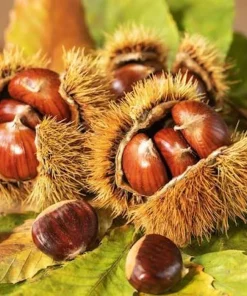
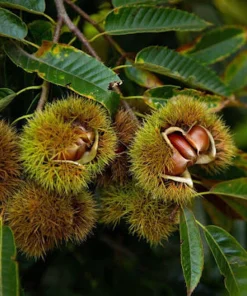
Embark on a rewarding journey of growing your own delicious nuts with our premium Bisalta Italian chestnut seeds. Each pack contains 10 carefully stratified seeds, ready to be planted and nurtured into thriving chestnut trees. The Bisalta chestnut, scientifically known as Castanea sativa x crenata, is a highly esteemed European-Japanese hybrid celebrated globally for its exceptional vigor, impressive cold-climate production, and outstanding storage life. Originating from the rich heritage of the Italian countryside, these seeds offer the opportunity to bring a piece of this legacy to your own orchard or homestead. If you’re looking to establish high-yielding trees that produce large, incredibly flavorful, and easy-to-peel chestnuts, Bisalta is undoubtedly one of the finest varieties you can choose for planting.
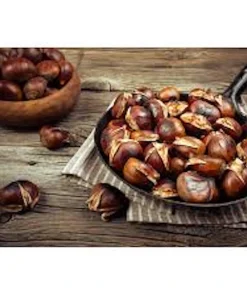
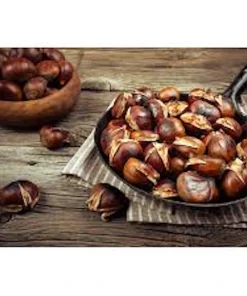
These stratified chestnut seeds are prepared to break dormancy efficiently, ensuring a higher germination rate when planted under optimal conditions. Whether you are an experienced grower or a passionate beginner, these seeds provide a solid foundation for cultivating a productive and resilient chestnut grove. Enjoy the process of watching these trees mature and eventually harvest your own gourmet nuts, perfect for roasting, baking, or enjoying fresh.
Key Benefits
Choosing to grow chestnut trees from our Bisalta seeds offers a multitude of advantages for both home gardeners and commercial growers. These benefits contribute to a successful harvest and long-term satisfaction:
- Incredible Cool-Climate Yields: Bisalta is a legendary performer, particularly in cooler summer climates. It often out-produces many other commercial varieties, such as Colossal, especially when cultivated in northern regions, making it an excellent choice for a productive orchard.
- Superior Storage Life: Growers highly regard Bisalta chestnuts for their excellent long-keeping qualities. These durable nuts maintain their freshness and flavor for extended periods, making them one of the best storage chestnuts available.
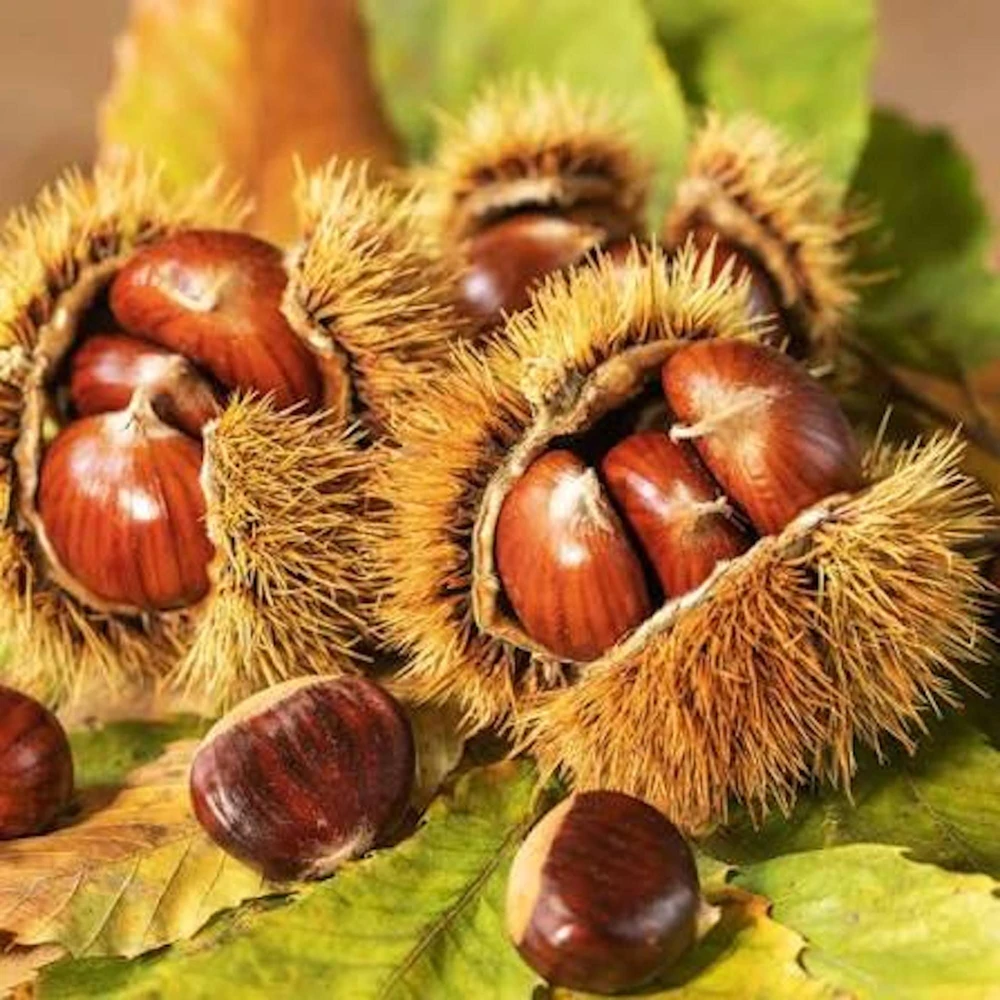
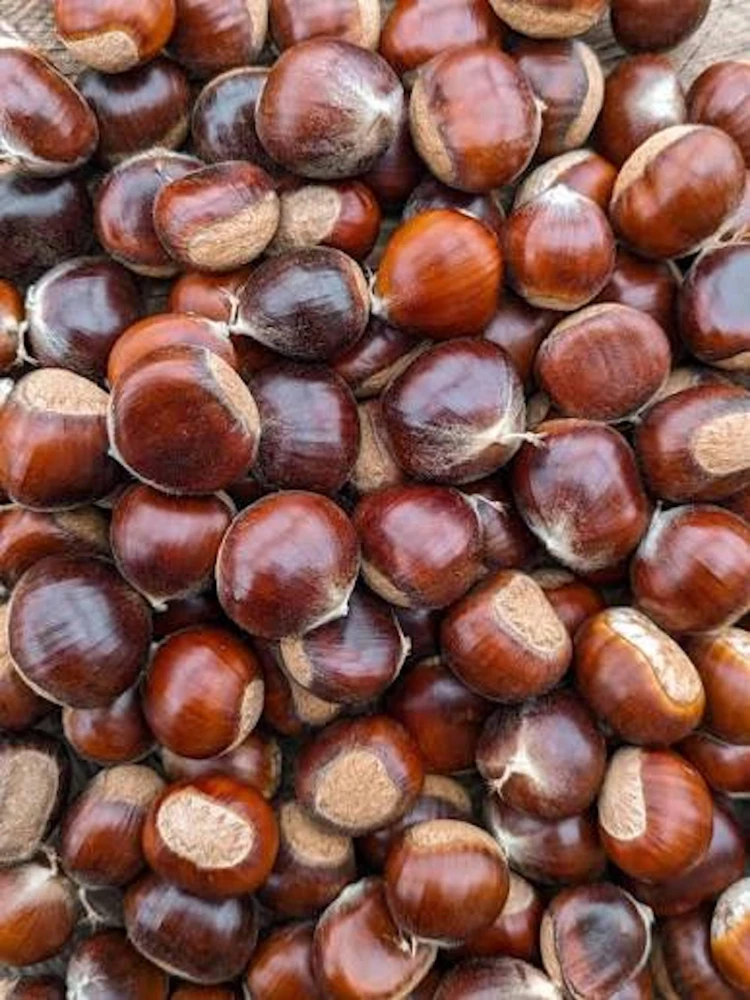
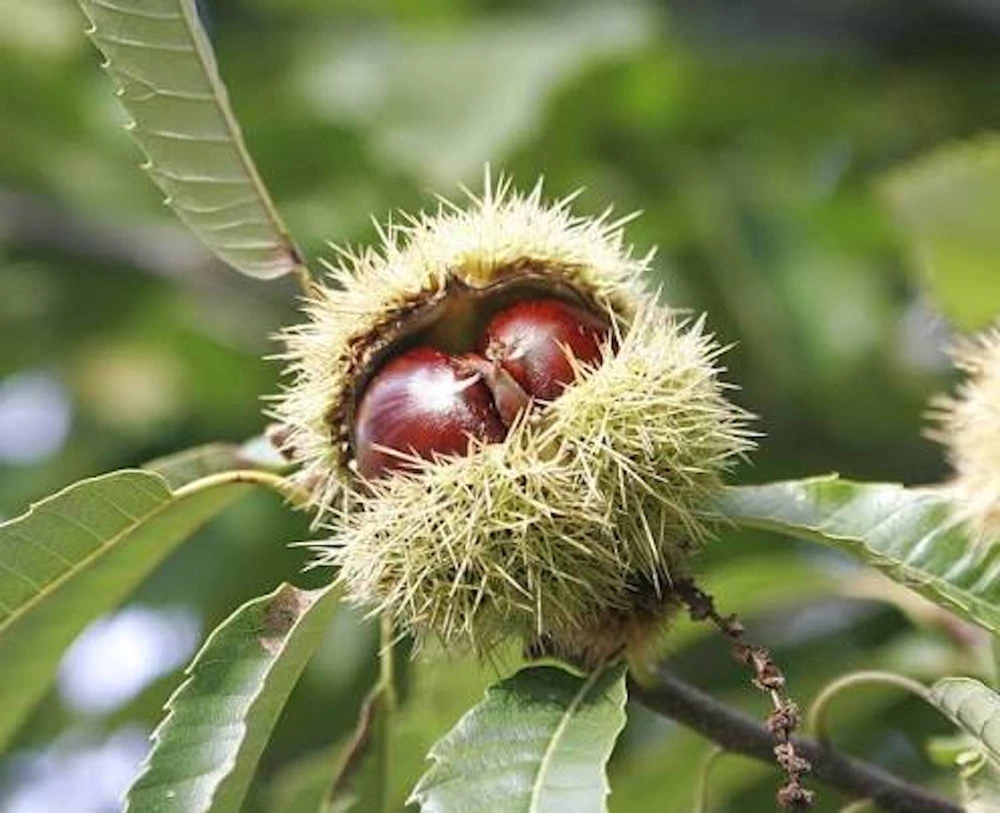
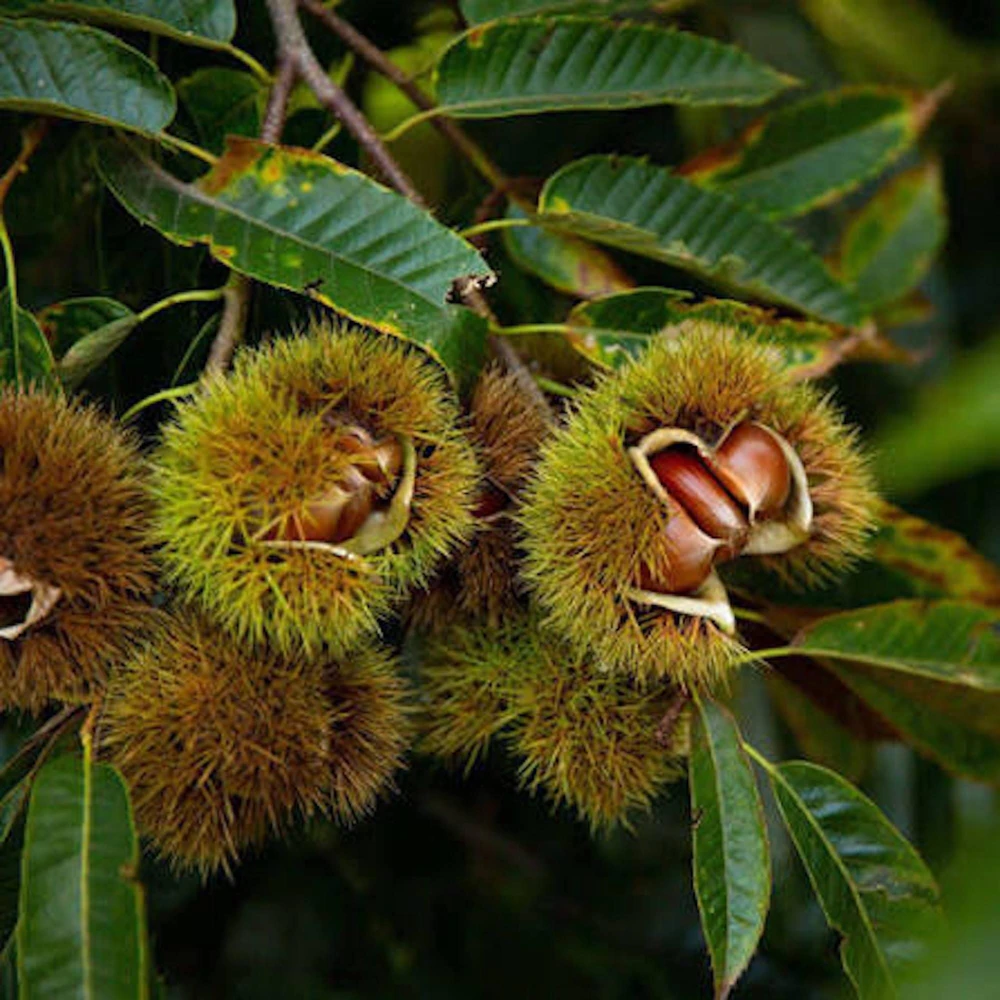
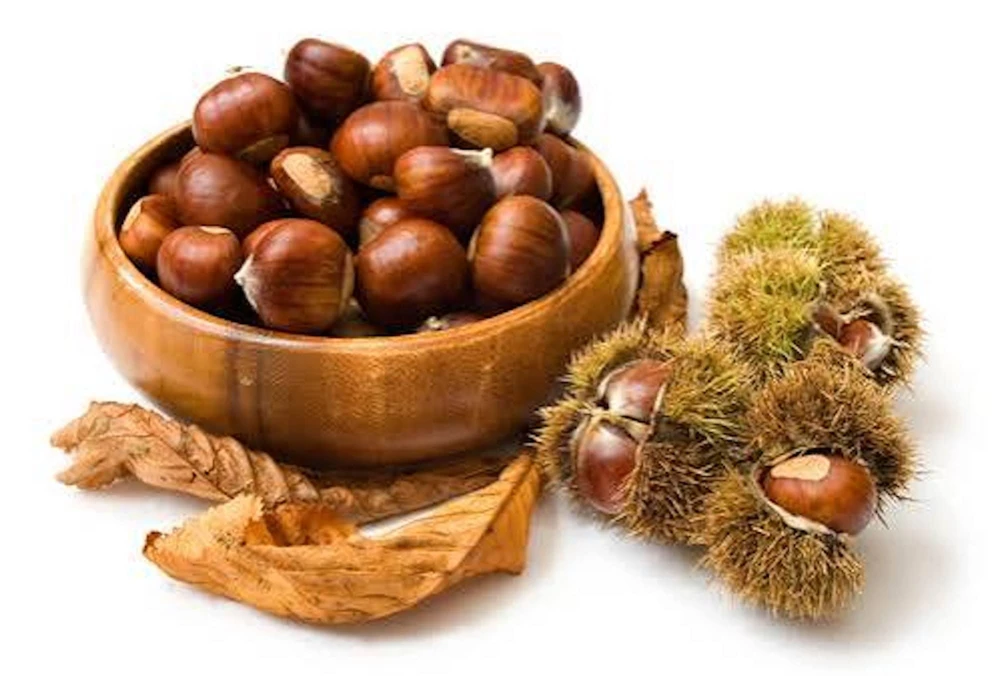
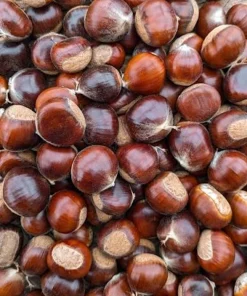
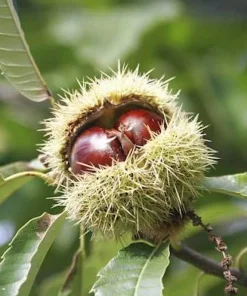
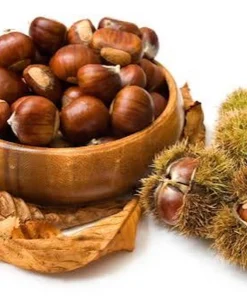
- Premium Gourmet Flavor: Enjoy medium-to-large, sweet, and aromatic nuts that are a true culinary delight. The nuts also fall completely free of their prickly burr, which significantly simplifies the harvesting process.
- Excellent Disease Resistance: The Bisalta variety shows strong natural resistance to phytophthora root rot, a common and devastating chestnut disease. It also demonstrates robust resilience against chestnut blight, enhancing its durability and longevity in various growing environments.
- European-Japanese Hybrid Vigor: Benefit from the combined strengths of European and Japanese chestnut varieties, resulting in a vigorous and adaptable tree that can thrive in diverse conditions. This hybrid vigor contributes to the overall health and productivity of your chestnut tree planting endeavor.
- Easy-to-Peel Nuts: The ease with which these chestnuts can be peeled adds to their appeal, making them a favorite for both fresh consumption and culinary applications.
- Sustainable & Rewarding: Planting these seeds contributes to sustainable agriculture and offers the immensely rewarding experience of cultivating your own food source.
Plant Care & Growing Tips
Successful cultivation of Bisalta Italian chestnut trees from seed requires attention to specific environmental factors and care practices. Once your stratified chestnut seeds are ready, plant them in late winter or early spring. Choose a site with full sun exposure, meaning at least 6-8 hours of direct sunlight daily, which is crucial for optimal growth and nut production. Chestnuts thrive in well-draining, slightly acidic to neutral soil (pH 5.0-6.5). Amend heavy clay soils with organic matter like compost or sand to improve drainage and aeration. Avoid planting in areas where water tends to collect, as chestnuts are susceptible to root rot in waterlogged conditions.
Regular watering is essential, especially during the first few years of establishment and during dry spells. Keep the soil consistently moist but never soggy. Once established, chestnut trees are relatively drought-tolerant but will benefit from supplemental watering during prolonged dry periods. Fertilize young trees with a balanced, slow-release fertilizer in the spring, following product instructions. Mature trees may require less fertilization, depending on soil fertility. Protect young seedlings from pests and browsing animals using tree shelters or fencing. Pruning should focus on developing a strong central leader and removing any dead, damaged, or crossing branches to promote good air circulation and light penetration. Understanding how to grow chestnut trees effectively involves patience and consistent care, ensuring a healthy and productive orchard for years to come. For those interested in expanding their knowledge, researching Castanea sativa x crenata specific care guides can provide even more tailored advice.
Size & Details
This package contains 10 Bisalta Italian chestnut seeds, which have been professionally stratified for optimal germination. Each seed is carefully selected to ensure quality and viability, providing a strong foundation for your future chestnut trees. When mature, Bisalta Italian chestnut trees typically reach heights of 40-60 feet with a spread of 30-50 feet, forming a broad, rounded canopy. The growth rate is moderate to fast, depending on growing conditions, with trees potentially starting to produce nuts within 3-5 years, though significant yields usually begin around 5-7 years. These seeds will arrive ready for planting, allowing you to begin your chestnut tree planting project without delay. We recommend planting them directly into the ground or in large nursery pots if starting indoors, ensuring they have ample space for root development.
Frequently Asked Questions
- Q: How big do Bisalta Italian chestnut trees get? A: Mature Bisalta chestnut trees typically reach heights of 40-60 feet with a spread of 30-50 feet. Their size can vary depending on growing conditions and pruning practices, but they are generally robust, medium to large trees.
- Q: When is the best time to plant these stratified chestnut seeds? A: The best time to plant stratified chestnut seeds is in late winter or early spring, after the last hard frost. This timing allows the seeds to emerge as temperatures warm and establish themselves during the growing season.
- Q: How much sunlight do these trees need to grow chestnut trees successfully? A: Chestnut trees require full sun exposure, meaning at least 6-8 hours of direct sunlight per day, for optimal growth and nut production. Choosing a sunny location is crucial for a healthy tree and good yields.
- Q: Is this variety resistant to chestnut blight? A: Yes, the Bisalta variety, a hybrid of Castanea sativa x crenata, is known for its strong resilience against chestnut blight and good resistance to phytophthora root rot, making it a more durable choice for growers.
- Q: How long does it take for a chestnut tree to produce nuts? A: Chestnut trees grown from seed typically start producing nuts within 3-5 years, with more significant yields usually beginning around 5-7 years after planting. Patience is key when embarking on a chestnut tree planting project.
- Q: What kind of soil is best for these seeds? A: Bisalta chestnut trees prefer well-draining, slightly acidic to neutral soil with a pH between 5.0 and 6.5. Good drainage is critical to prevent root rot.
- Q: What USDA hardiness zones are suitable for Bisalta chestnut trees? A: Bisalta chestnut trees are generally hardy in USDA Zones 5-8, making them suitable for a wide range of climates, particularly those with cooler summers.
- Q: Can I store the seeds if I don’t plant them immediately? A: These seeds are already stratified. For best results, plant them as soon as possible after receiving them. If short-term storage is necessary, keep them cool and moist, but prompt planting is always recommended to maximize germination rates.
- Q: Do I need more than one tree for pollination? A: While chestnut trees are typically monoecious (having both male and female flowers on the same tree), planting at least two different varieties will significantly improve pollination and yield. This is a key consideration when you grow chestnut trees.
- Q: Are the nuts easy to peel? A: Yes, one of the prized characteristics of Bisalta chestnuts is that they are known to be easy to peel, making them very convenient for culinary use and fresh consumption.
Be the first to review “10 Bisalta Italian Chestnut Seeds – Stratified for Planting”
People Also Viewed
Reviews
There are no reviews yet.