



White Mulberry Tree (Morus alba) Live Plant – 12-24in Tall Bare Root – USDA Zones 4-9
Original price was: $74.99.$49.99Current price is: $49.99.
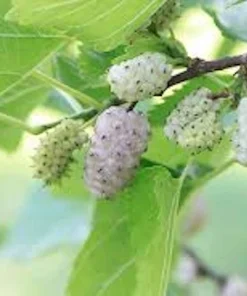
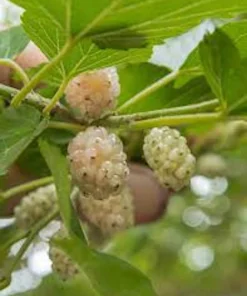
Cultivate a beautiful and productive white mulberry tree (Morus alba) in your garden. This 12-24 inch tall mulberry bare root plant offers delicious fruit and attractive foliage, perfect for edible landscaping. It’s a fast growing mulberry variety, known for its hardiness.
Estimated arrival
Sep 29
Oct 04 - Oct 06
Oct 09 - Oct 13
Shop With Confidence
30-Day Plant Health Guarantee
Arrives damaged? We’ll replace it free — see our return policy.
Responsive Support
Email us anytime, we reply within 1 business day.
Expert Packaging
Temperature-controlled shipping to protect your plants in transit.
Secure Checkout
Pay safely with Visa, Mastercard, PayPal.
Plant Specifications
-
USDA Hardiness Zone
USDA Zones 4-9 -
Soil Type
Well-draining soil -
Sunlight Exposure
Full sun -
Expected Planting Period
Late winter to early spring
Overview
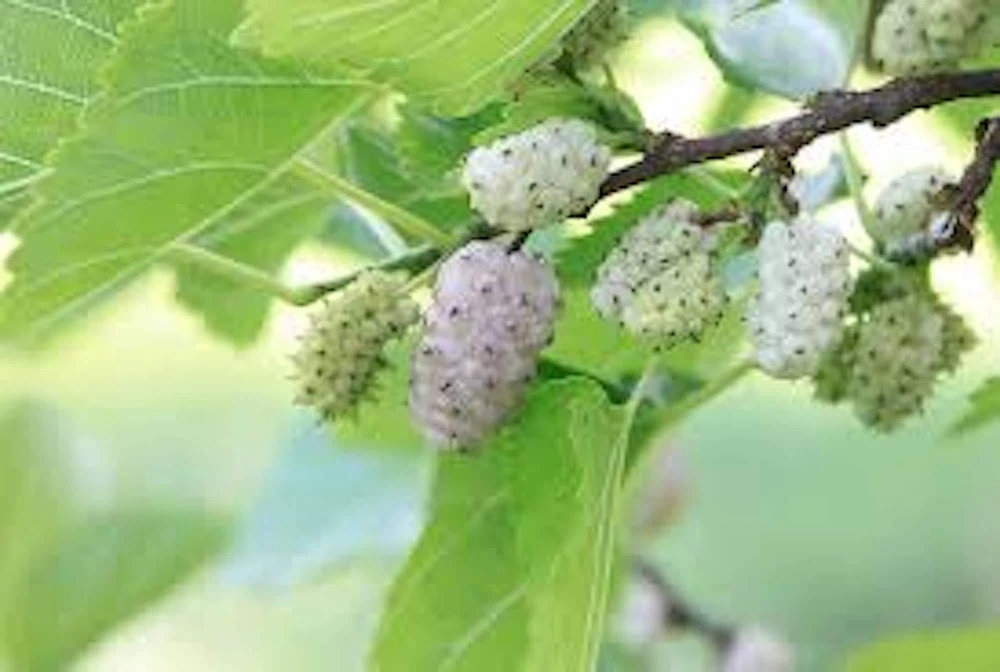
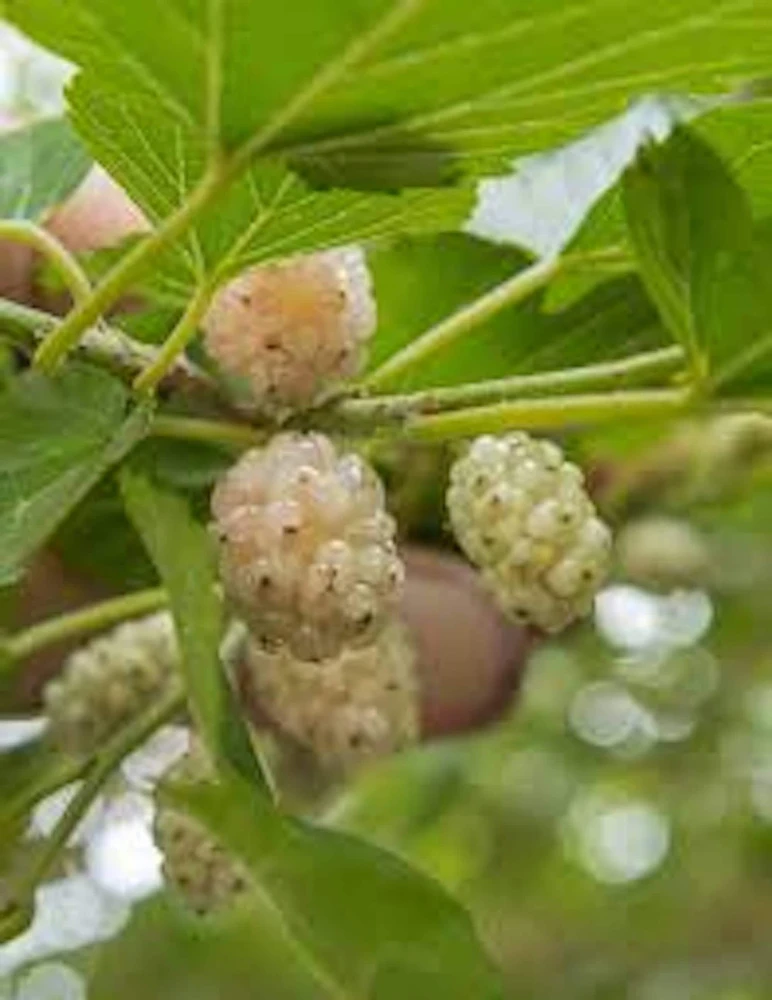
Introduce a delightful and productive addition to your landscape with the white mulberry tree (Morus alba). This listing is for one 12-24 inch tall mulberry bare root plant, ready to thrive in your garden. Known scientifically as Morus alba, this species is also commonly referred to as common mulberry or silkworm mulberry, reflecting its historical significance. The white mulberry tree is celebrated for its rapid growth rate and its ability to produce abundant, sweet, white to pinkish fruits that are a favorite among both humans and wildlife. It’s an excellent choice for those looking to establish an edible landscape, provide shade, or attract local birds to their yard. These trees are robust and adaptable, making them a superb option for a wide range of growing conditions.
Our mulberry bare root plants are carefully prepared for shipping during their dormant season, ensuring they arrive ready for successful transplantation. Once established, the white mulberry tree becomes a resilient and rewarding specimen, capable of reaching significant heights and providing years of enjoyment. Its attractive foliage and unique fruit production make it a standout choice for home gardeners and permaculture enthusiasts alike. Embrace the opportunity to grow your own delicious mulberries with this vigorous and easy-to-care-for tree.
Key Benefits
The white mulberry tree offers a multitude of advantages for any garden or homestead. Beyond its aesthetic appeal, this tree is a powerhouse of benefits, from its edible fruits to its environmental contributions. Growing a white mulberry tree means enjoying fresh, sweet berries right from your backyard, while also providing habitat and food for local fauna.
- Delicious Edible Fruits: Enjoy a bountiful harvest of sweet, juicy white to pinkish mulberries each season. These fruits are perfect for fresh eating, jams, pies, or dried snacks, offering a unique flavor profile.
- Fast-Growing & Productive: As a fast growing mulberry variety, this tree will quickly establish itself and begin producing fruit within a few years, offering a rewarding return on your planting efforts.
- Hardy & Adaptable: The Morus alba plant is remarkably resilient, thriving in a wide range of soil types and tolerant of various environmental conditions, including drought once established. It’s cold-hardy in USDA Zones 4 to 9.
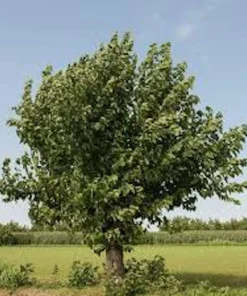
- Attractive Landscape Addition: With its lush green foliage and graceful form, the white mulberry tree provides excellent shade and visual interest, enhancing the beauty of your garden throughout the seasons.
- Wildlife Attractor: The sweet fruits are a natural magnet for birds and other wildlife, turning your garden into a vibrant ecosystem and providing a food source for local fauna.
- Low Maintenance: Once established, the white mulberry tree requires minimal care, making it an ideal choice for both experienced gardeners and beginners looking for a fruitful, fuss-free plant.
- Historical Significance: Known as silkworm mulberry, it has a rich history as the primary food source for silkworms, connecting your garden to centuries of cultural and agricultural heritage.
Plant Care & Growing Tips
Caring for your white mulberry tree is relatively straightforward, especially once it has established itself. These trees are known for their resilience and adaptability, making them a great choice for various climates. When planting your mulberry bare root, ensure the site receives ample sunlight. White mulberry trees thrive in full sun, meaning they need at least 6-8 hours of direct sunlight per day to produce the best fruit yields and maintain vigorous growth. While they can tolerate some partial shade, fruit production may be reduced in less sunny locations. Good air circulation is also beneficial to prevent fungal issues.
Soil requirements for the Morus alba plant are quite flexible. They prefer well-drained soils but can adapt to a variety of soil types, including sandy, loamy, and clay soils, as long as they are not waterlogged. Proper drainage is crucial to prevent root rot. When planting, amend heavy clay soils with organic matter to improve drainage and aeration. Once established, these trees are relatively drought-tolerant, but consistent watering during dry spells, especially in their first few years, will promote stronger growth and better fruit development. Fertilization is generally not heavily required; a balanced, all-purpose fertilizer can be applied in early spring before new growth begins, particularly if your soil is poor. Pruning should be done in late winter or early spring while the tree is dormant, focusing on removing dead, damaged, or crossing branches to maintain a strong structure and encourage fruit production. This helps ensure your white mulberry tree remains healthy and productive.
Size & Details
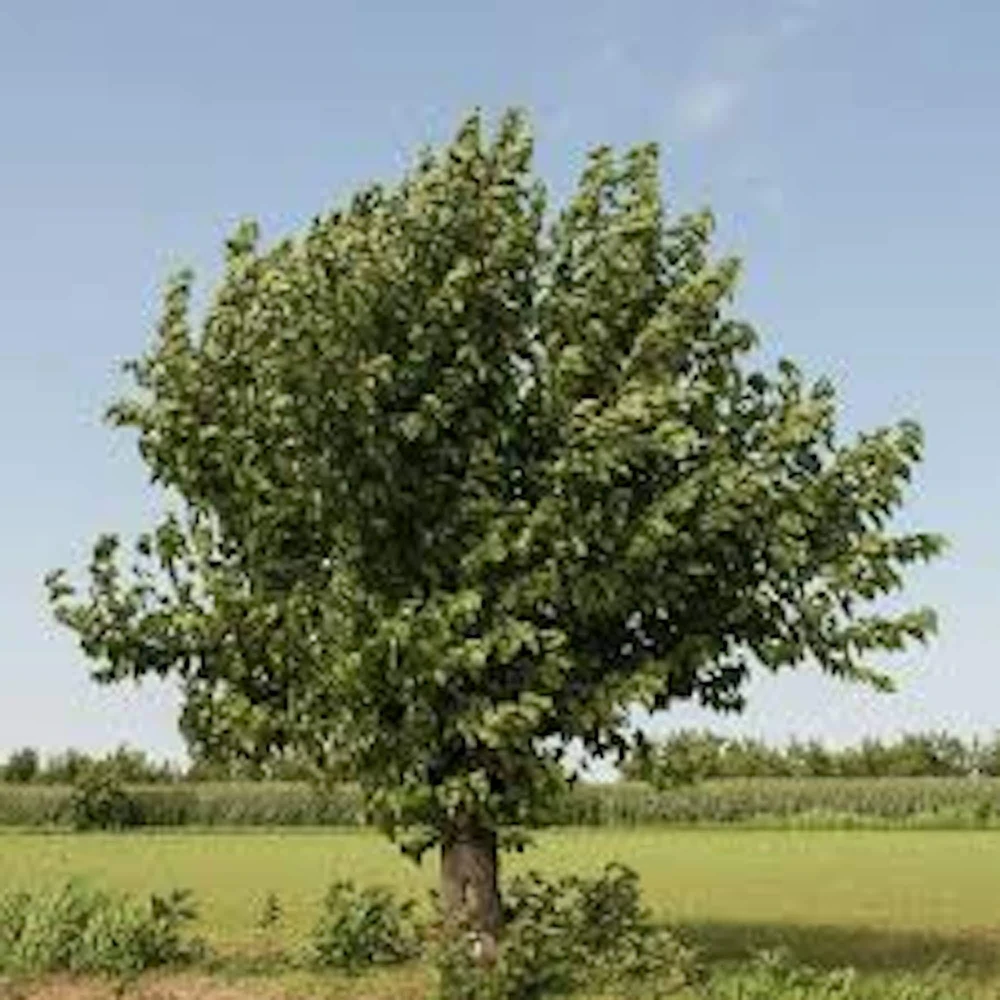
This offering includes one white mulberry tree shipped as a mulberry bare root plant. The tree will measure approximately 12-24 inches tall at the time of shipment, providing a strong foundation for future growth. The minimum height will be 6-12 inches. Morus alba plant is a relatively fast-growing species, and with proper care, it can quickly establish itself and begin to put on significant size. Mature white mulberry trees can reach heights of 33-66 feet (10-20 meters) and have a similar spread, forming a dense, rounded canopy. The growth rate is considered medium to fast, allowing you to enjoy a mature tree within a reasonable timeframe. These trees are cold-hardy and suitable for planting in USDA Zones 4 through 9, making them a versatile choice for many regions.
When you receive your bare root plant, it will be dormant, which is the ideal state for transplanting. This allows the tree to focus its energy on root development once planted. Expect the tree to break dormancy and begin leafing out as temperatures warm. Mulberries typically begin bearing fruit within 3-5 years after planting, with yields increasing as the tree matures. This fast growing mulberry will transform into a magnificent, fruit-bearing specimen over time.
Frequently Asked Questions
- Q: How big does this white mulberry tree get? A: A mature white mulberry tree can reach impressive heights of 33-66 feet (10-20 meters) with a similar spread, creating a substantial shade tree. Its ultimate size depends on growing conditions and pruning.
- Q: Is this an indoor or outdoor plant? A: The white mulberry tree (Morus alba) is an outdoor deciduous tree, best suited for planting directly in the ground in your garden or landscape. It is not typically grown as an indoor plant.
- Q: How much sunlight does the Morus alba plant need? A: For optimal growth and fruit production, the white mulberry tree requires full sun, meaning at least 6-8 hours of direct sunlight per day. It can tolerate some partial shade but may produce less fruit.
- Q: Is this plant easy to care for? A: Yes, the white mulberry tree is considered relatively easy to care for once established. It is drought-tolerant and adaptable to various soil types, making it a good choice for beginners.
- Q: What condition will the mulberry bare root arrive in? A: Your mulberry bare root plant will arrive dormant, which is the best state for transplanting. It will not have leaves and will appear to be just roots and a stem.
- Q: How long until it produces fruit? A: A fast growing mulberry like this typically begins to produce fruit within 3-5 years after planting, with production increasing significantly as the tree matures.
- Q: Will this white mulberry tree survive winter in my zone? A: The white mulberry tree (Morus alba) is cold-hardy in USDA Zones 4 to 9, meaning it can withstand winter temperatures in a broad range of climates.
- Q: What type of soil does the white mulberry tree prefer? A: While adaptable, the white mulberry tree prefers well-drained soils. It can grow in sandy, loamy, or clay soils, but good drainage is essential to prevent root issues.
- Q: When is the best time to plant a mulberry bare root? A: The best time to plant a bare root mulberry is in late winter or early spring, after the last hard frost but before the tree breaks dormancy and begins to leaf out.
- Q: Is this a fast growing mulberry? A: Yes, Morus alba is known for being a fast-growing tree, quickly establishing itself and adding significant height and canopy coverage to your landscape.
Be the first to review “White Mulberry Tree (Morus alba) Live Plant – 12-24in Tall Bare Root – USDA Zones 4-9”
People Also Viewed



Vegetable Seeds
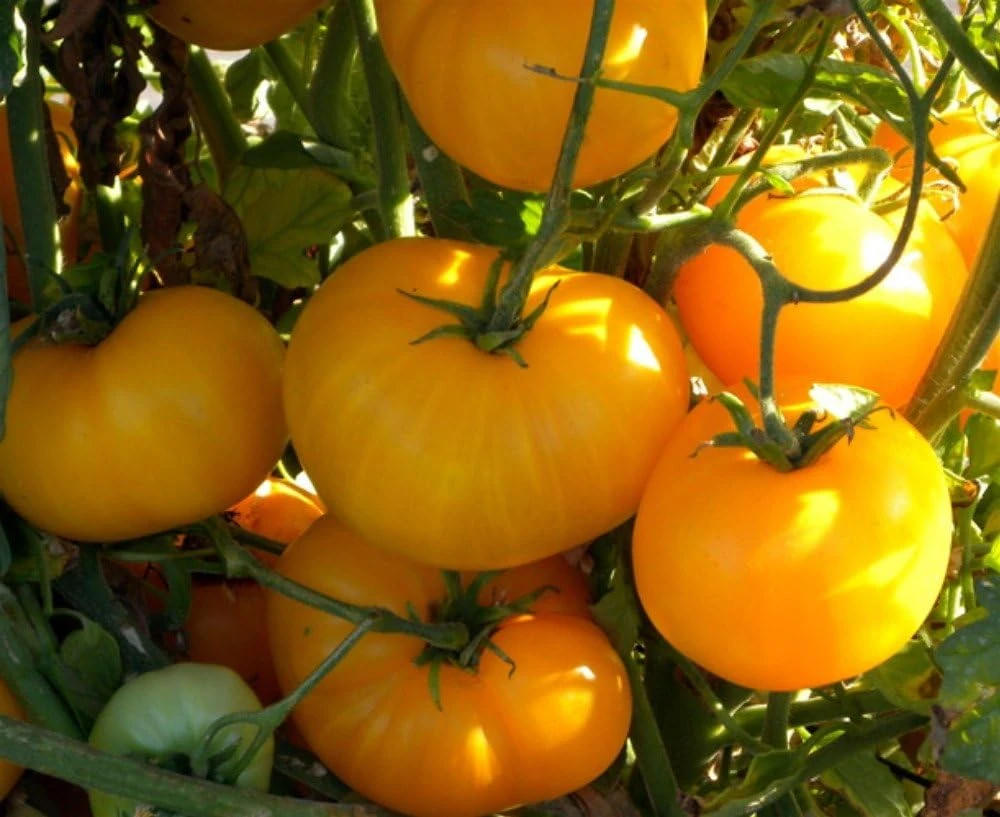
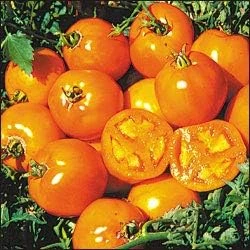
Golden Sunray Tomato Seeds – 20 Count – Yellow Heirloom – Indeterminate – 75-85 Days
Reviews
There are no reviews yet.