
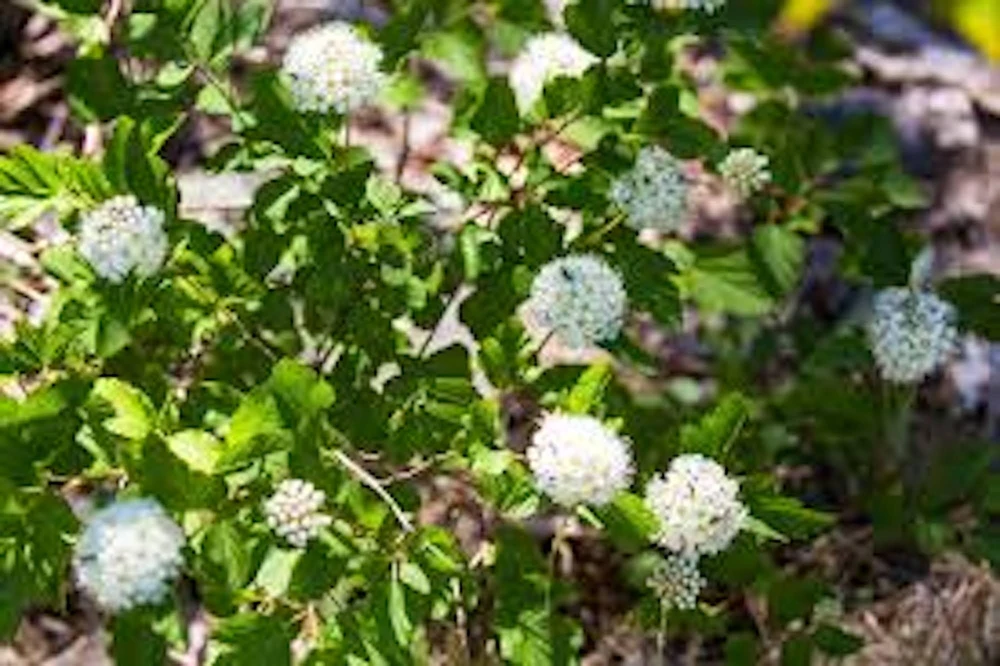
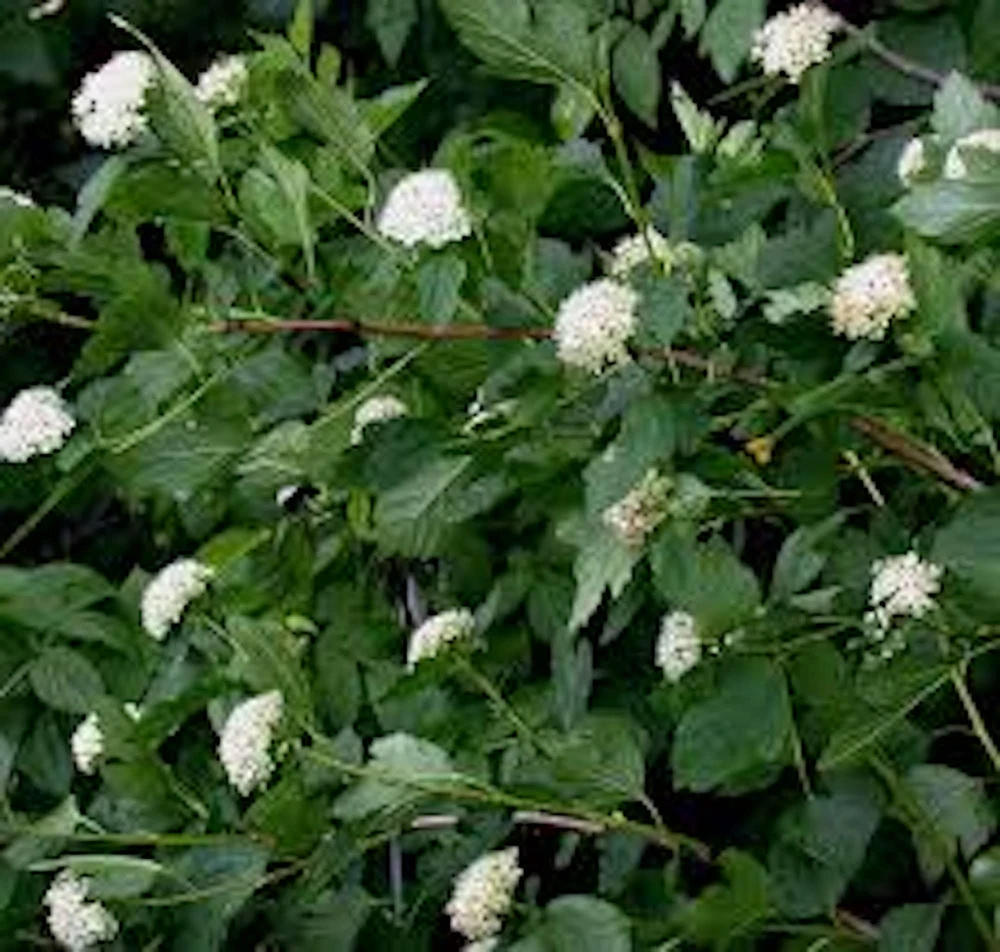
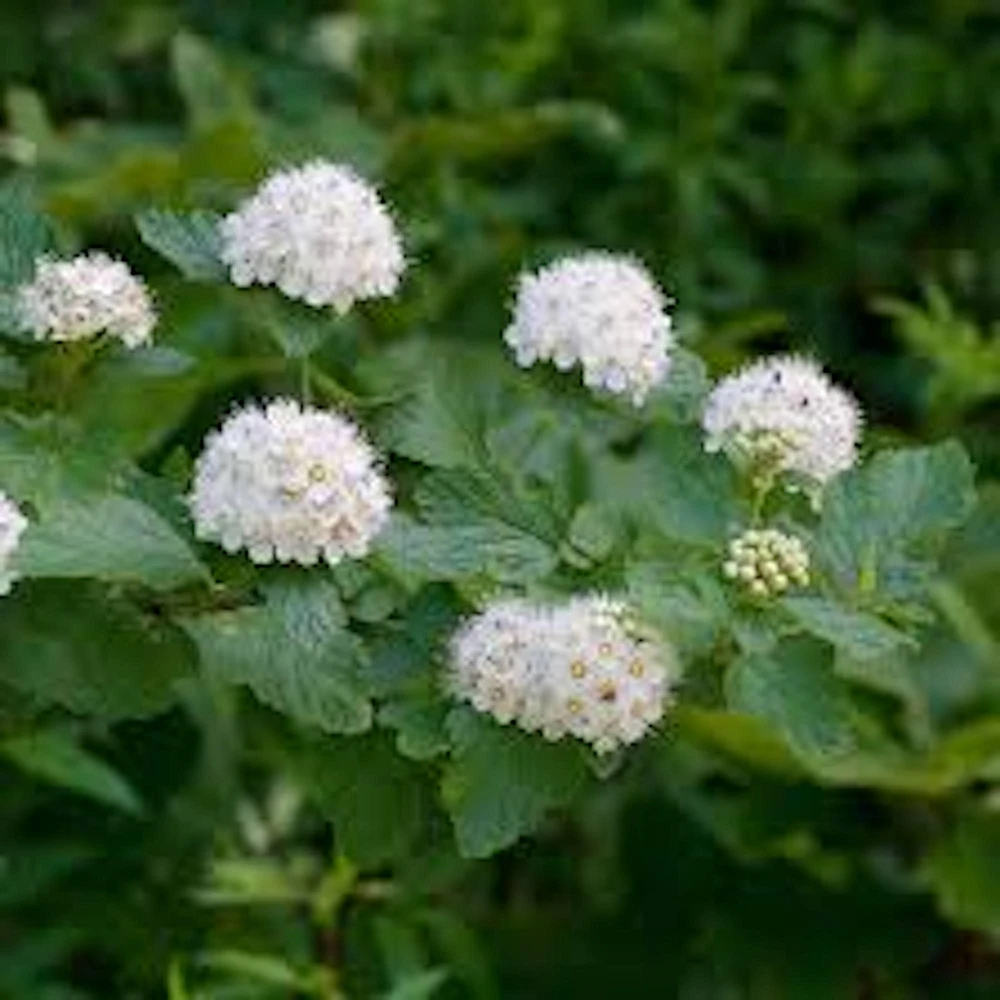
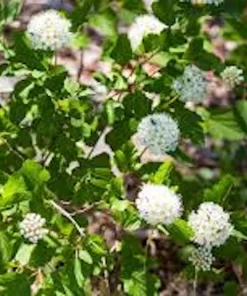
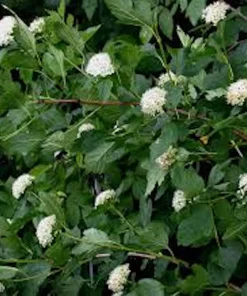
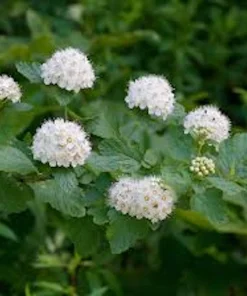
Ninebark Plant Live Shrub – Physocarpus opulifolius – 12-24in Tall Quart Pot
Original price was: $74.99.$49.99Current price is: $49.99.
Bring unique texture and color to your garden with the ninebark plant (Physocarpus opulifolius). This hardy deciduous shrub offers stunning peeling bark and requires minimal maintenance, making it an excellent choice for any landscape.
Estimated arrival
Sep 29
Oct 04 - Oct 06
Oct 09 - Oct 13
Shop With Confidence
30-Day Plant Health Guarantee
Arrives damaged? We’ll replace it free — see our return policy.
Responsive Support
Email us anytime, we reply within 1 business day.
Expert Packaging
Temperature-controlled shipping to protect your plants in transit.
Secure Checkout
Pay safely with Visa, Mastercard, PayPal.
Plant Specifications
-
USDA Hardiness Zone
USDA Zones 3-7 -
Soil Type
Well-draining, loamy soil -
Sunlight Exposure
Full sun to partial shade -
Expected Planting Period
Spring to early fall
Overview
Introducing the magnificent ninebark plant (Physocarpus opulifolius), a truly captivating and versatile addition to any garden or landscape. This hardy deciduous shrub is celebrated for its dynamic visual appeal and remarkable resilience, making it a favorite among gardeners of all skill levels. Known scientifically as Physocarpus opulifolius, the Ninebark boasts a unique multi-layered bark that peels away in strips, revealing rich, contrasting colors underneath – a distinctive feature that gives the plant its intriguing common name. Whether you’re looking to add seasonal interest, create a natural hedge, or simply enjoy a low-maintenance yet striking specimen, the Ninebark plant delivers.
Our offering is a healthy, live Ninebark plant, ready to thrive in your outdoor space. These plants are grown with care to ensure robust growth and vibrant foliage. The Ninebark is not just about its bark; it also produces clusters of small, delicate flowers in spring, followed by attractive berries that persist into fall, providing continuous beauty and interest throughout the seasons. Its adaptability to various soil conditions and climates further solidifies its reputation as a gardening superstar. Embrace the beauty and hardiness of the ninebark plant and watch your garden transform.
Key Benefits
The ninebark plant offers a multitude of benefits that make it an outstanding choice for any landscape. Its unique characteristics contribute to both aesthetic appeal and garden functionality. Here are some of the prime advantages:
- Exceptional Year-Round Interest: From its distinctive peeling bark in winter to its spring flowers, summer foliage, and fall berries, the Ninebark provides continuous visual appeal across all seasons. This ensures your garden remains vibrant and engaging throughout the year.
- Low Maintenance & Hardy: This hardy deciduous shrub is incredibly forgiving and requires minimal care once established. It tolerates a range of soil types and is generally resistant to pests and diseases, making it ideal for busy gardeners or those new to landscaping.
- Versatile Landscaping Use: Whether used as a specimen plant, in mass plantings, as a natural screen, or as part of a mixed border, the Ninebark’s adaptable nature allows it to fit seamlessly into various garden designs. Its upright, arching habit adds architectural interest.
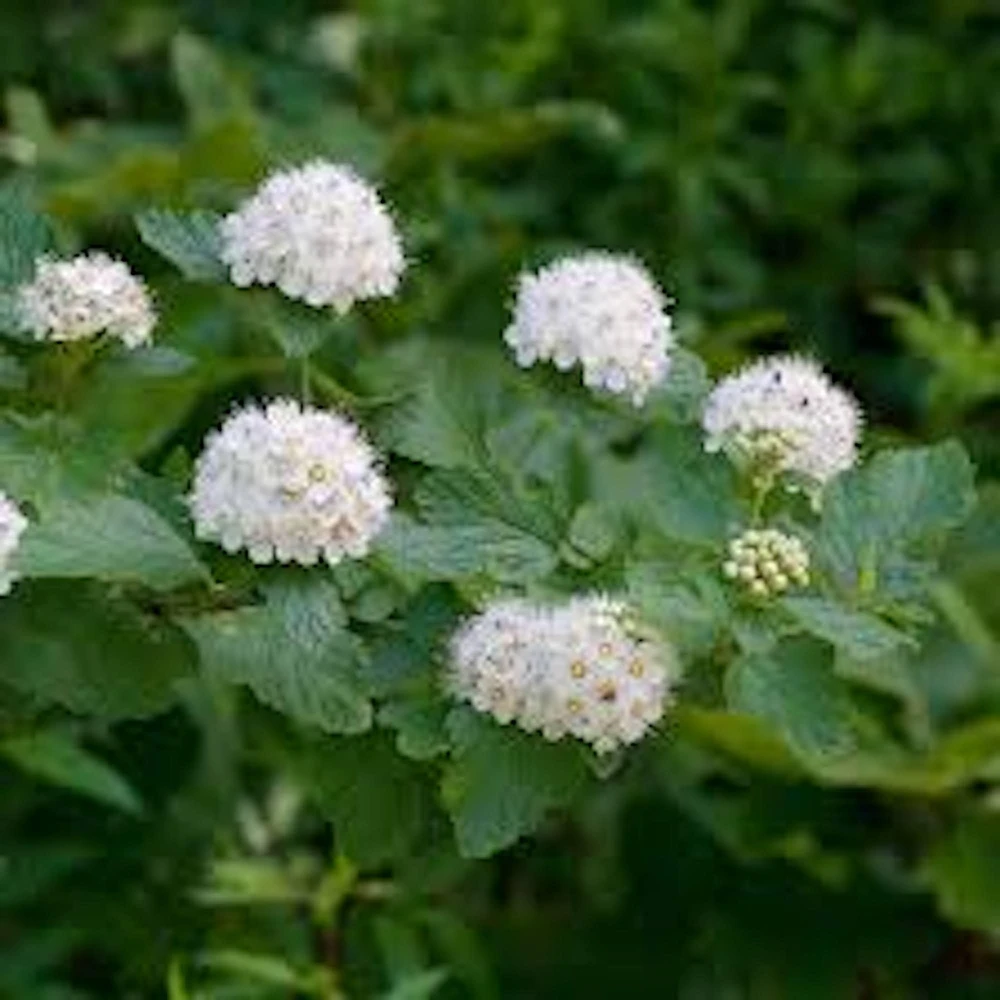
- Attractive Foliage & Flowers: Beyond its bark, the Ninebark features beautiful lobed leaves that can range in color from green to deep burgundy, depending on the cultivar. It produces clusters of white or pinkish-white flowers in late spring to early summer, attracting pollinators.
- Wildlife Attraction: The flowers provide nectar for bees and butterflies, while the berries offer a food source for birds in the fall and winter, contributing to the biodiversity of your garden space.
- Erosion Control: Its strong root system makes the ninebark plant an excellent choice for stabilizing slopes and preventing soil erosion, adding practical value to its ornamental qualities.
- Adaptable to Various Conditions: Known for its resilience, the Ninebark can thrive in a wide range of light conditions, from full sun to partial shade, and is tolerant of urban pollution, making it suitable for many environments.
Plant Care & Growing Tips
Caring for your ninebark plant is straightforward, thanks to its robust and adaptable nature. To ensure optimal growth and display its stunning features, understanding its basic needs is key. These plants are generally unfussy, making them a joy to grow for gardeners of all experience levels. Proper initial planting and a few simple care routines will set your physocarpus opulifolius care up for success.
When it comes to sunlight, the Ninebark thrives in full sun to partial shade. For the most vibrant foliage color and abundant flowering, aim for at least 6 hours of direct sunlight per day. While it can tolerate some shade, too much will result in leggy growth and less intense leaf coloration. Regarding watering, Ninebark plants are drought-tolerant once established. During the first growing season, water regularly to help it establish a strong root system. After that, water during prolonged dry spells, ensuring the soil is moist but not waterlogged. Good drainage is crucial; avoid areas where water tends to sit. The ideal soil type is well-draining, loamy soil, though it tolerates a variety of soil conditions, including clay and sandy soils, as long as drainage is adequate.
The Ninebark is hardy in USDA zones 3-7, making it suitable for a wide range of climates. It can withstand cold winters and hot summers. Fertilization is not usually necessary for established plants, especially if planted in fertile soil. If your soil is poor or you notice slow growth, a balanced, slow-release granular fertilizer applied in early spring can be beneficial. Pruning is best done after flowering to maintain shape and size, or to remove any dead or crossing branches. This also encourages the development of new, colorful bark. While generally pest-resistant, keep an eye out for common garden pests, though serious issues are rare for this tough hardy deciduous shrub.
Size & Details
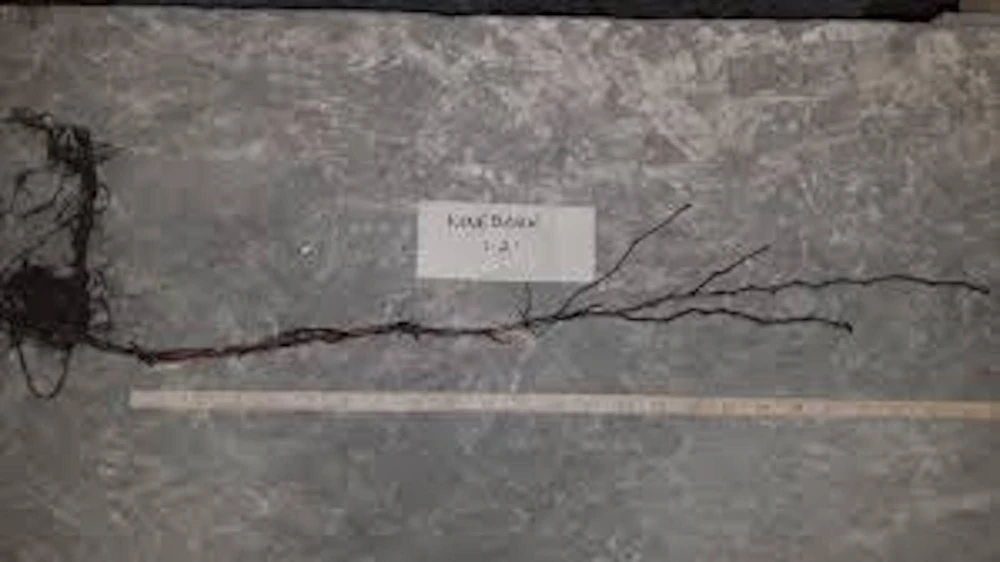
This offering is for one live ninebark plant, measuring approximately 12-24 inches tall. It is currently growing in a quart-sized pot, providing a well-established root system for successful transplanting. The Ninebark is a moderately fast-growing shrub, typically reaching a mature height of 5-8 feet tall and a similar spread, though dwarf varieties exist. Its growth rate can vary depending on growing conditions and specific cultivar. The plant will arrive ready for planting, either in its pot during the growing season or as a bare root plant during its dormant period in fall and winter.
Expect your Ninebark to establish quickly and begin showcasing its distinctive peeling bark and attractive foliage within the first year. Flowers typically appear in late spring to early summer, followed by berries in late summer and fall. This plant offers a substantial presence in the garden, providing structure and continuous interest. The specified height of 12-24 inches refers to the above-ground portion of the plant at the time of shipment, not including the pot.
Frequently Asked Questions
- Q: How big does this ninebark plant get? A: A: This specific Ninebark plant is 12-24 inches tall upon arrival. Mature plants typically reach a height and spread of 5-8 feet, though this can vary slightly based on the specific cultivar and growing conditions.
- Q: Is this an indoor or outdoor plant? A: The ninebark plant is an outdoor plant, a hardy deciduous shrub that thrives in garden settings, suitable for various landscaping applications. It is not recommended for indoor cultivation.
- Q: How much sunlight does the Ninebark need? A: For best results, Ninebark plants prefer full sun (at least 6 hours of direct sunlight daily). They can tolerate partial shade, but foliage color and flowering may be less intense.
- Q: Is this plant easy to care for? A: Yes, the ninebark plant is known for being very easy to care for. It’s drought-tolerant once established and generally resistant to pests and diseases, making it a great choice for beginners and experienced gardeners alike.
- Q: What condition will my Ninebark arrive in? A: During the growing season, your Ninebark will be shipped in its quart-sized pot. In the fall and winter, when the plant is dormant, it will be shipped bare root to ensure its health during transit.
- Q: When is the best time to plant a ninebark shrub for sale? A: The best time to plant Ninebark is in spring or early fall when temperatures are moderate. This allows the plant to establish its root system before extreme weather.
- Q: Will it survive winter in my zone? A: Ninebark is a very hardy shrub, typically thriving in USDA Hardiness Zones 3-7, which covers a significant portion of the United States. It is well-adapted to cold winters.
- Q: What makes this a good choice for landscaping shrubs? A: Its unique peeling bark, attractive foliage, spring flowers, and fall berries provide year-round interest. Combined with its low maintenance and adaptability, it’s an excellent choice for diverse landscaping needs.
- Q: Do I need to prune my Ninebark? A: Pruning is not strictly necessary but can be done after flowering to maintain shape, control size, or encourage new growth that will develop the distinctive colorful bark. This helps with overall physocarpus opulifolius care.
- Q: What kind of soil does this hardy deciduous shrub prefer? A: Ninebark plants are adaptable and tolerate a range of soil types, but they prefer well-draining, loamy soil. Good drainage is more important than soil composition.
Be the first to review “Ninebark Plant Live Shrub – Physocarpus opulifolius – 12-24in Tall Quart Pot”
People Also Viewed
Flowers
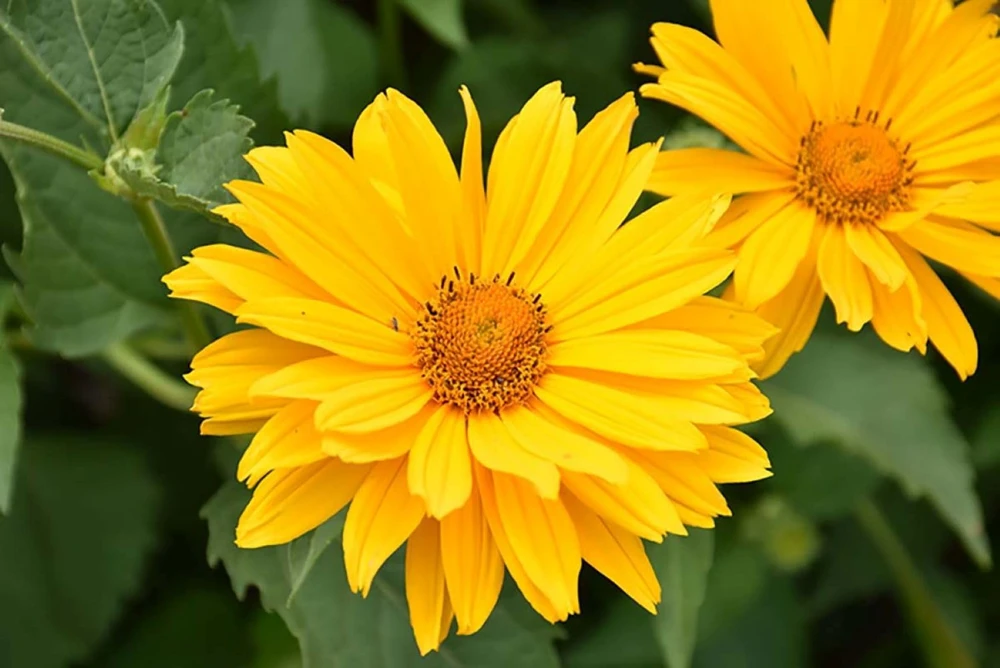
Venus False Sunflower Live Plant – Heliopsis helianthoides ‘Venus’ – Gallon Pot – Outdoor Perennial
Reviews
There are no reviews yet.