
5 Chickasaw Plum Tree Starter Plants 12-24″ Tall (Quart Pot) – Prunus angustifolia
Original price was: $129.99.$104.99Current price is: $104.99.
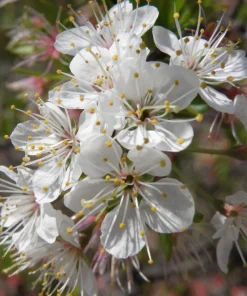
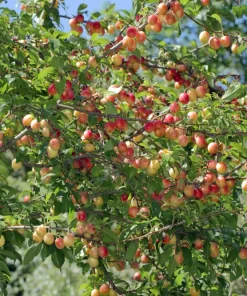
Cultivate a beautiful and productive landscape with these 5 Chickasaw Plum Tree starter plants. Each 12-24 inch tall plant comes in a quart pot, ready for planting. Enjoy fragrant white flowers and tart, edible fruit, while providing valuable wildlife habitat.
Estimated arrival
Sep 29
Oct 04 - Oct 06
Oct 09 - Oct 13
Shop With Confidence
30-Day Plant Health Guarantee
Arrives damaged? We’ll replace it free — see our return policy.
Responsive Support
Email us anytime, we reply within 1 business day.
Expert Packaging
Temperature-controlled shipping to protect your plants in transit.
Secure Checkout
Pay safely with Visa, Mastercard, PayPal.
Plant Specifications
-
USDA Hardiness Zone
USDA zones 5-9 -
Soil Type
Well-draining soil -
Sunlight Exposure
Full sun -
Expected Planting Period
Spring or Fall
Overview
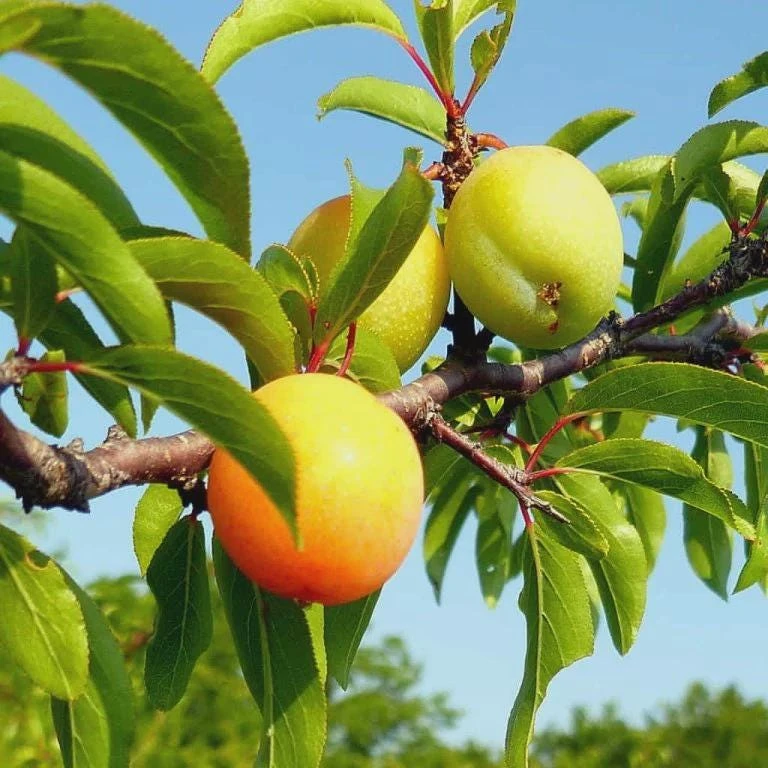
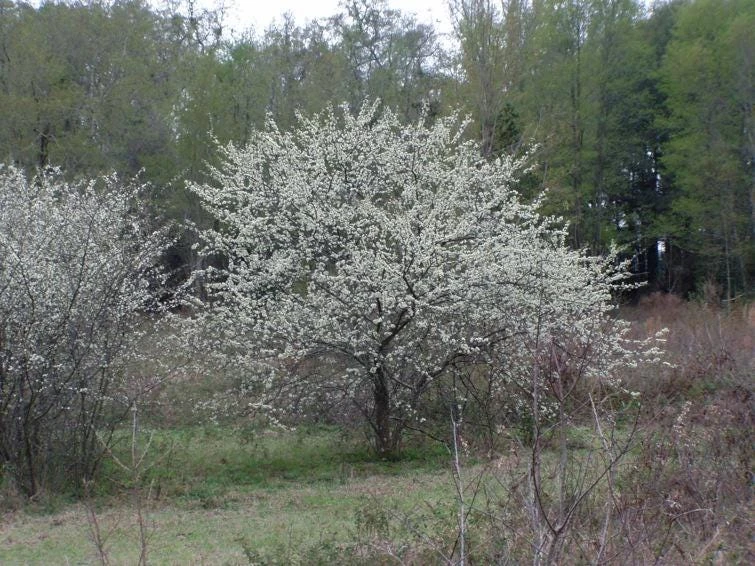
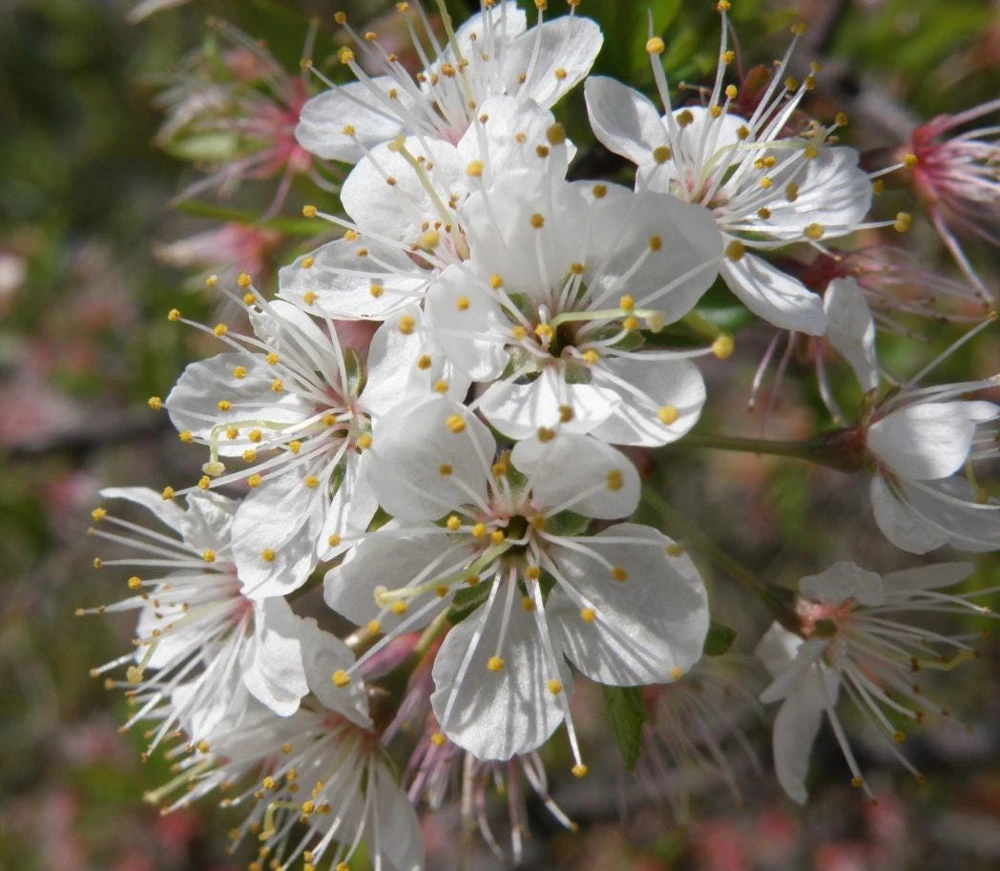
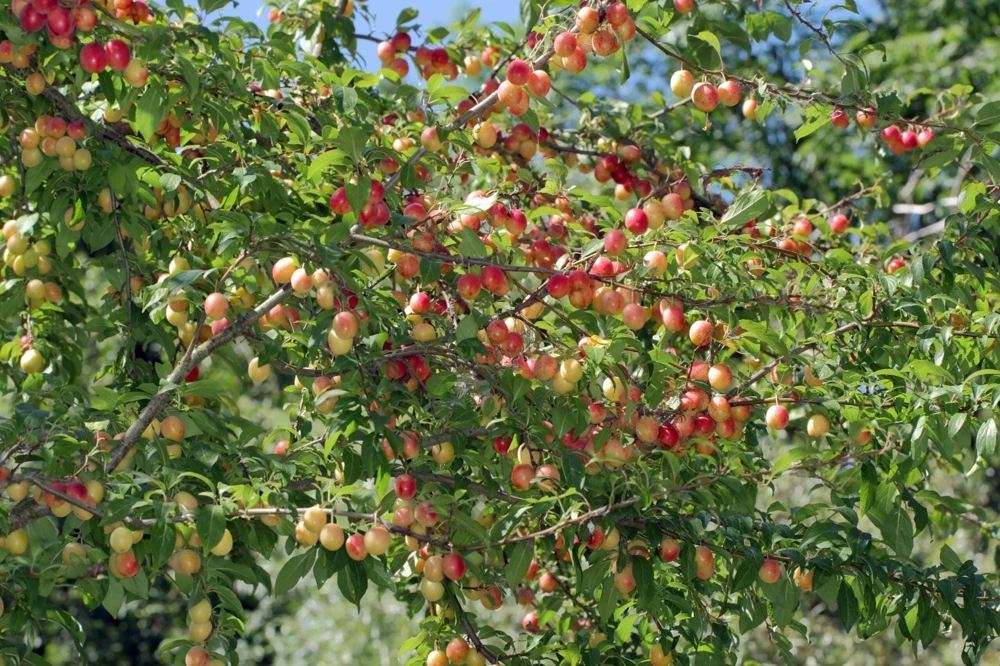
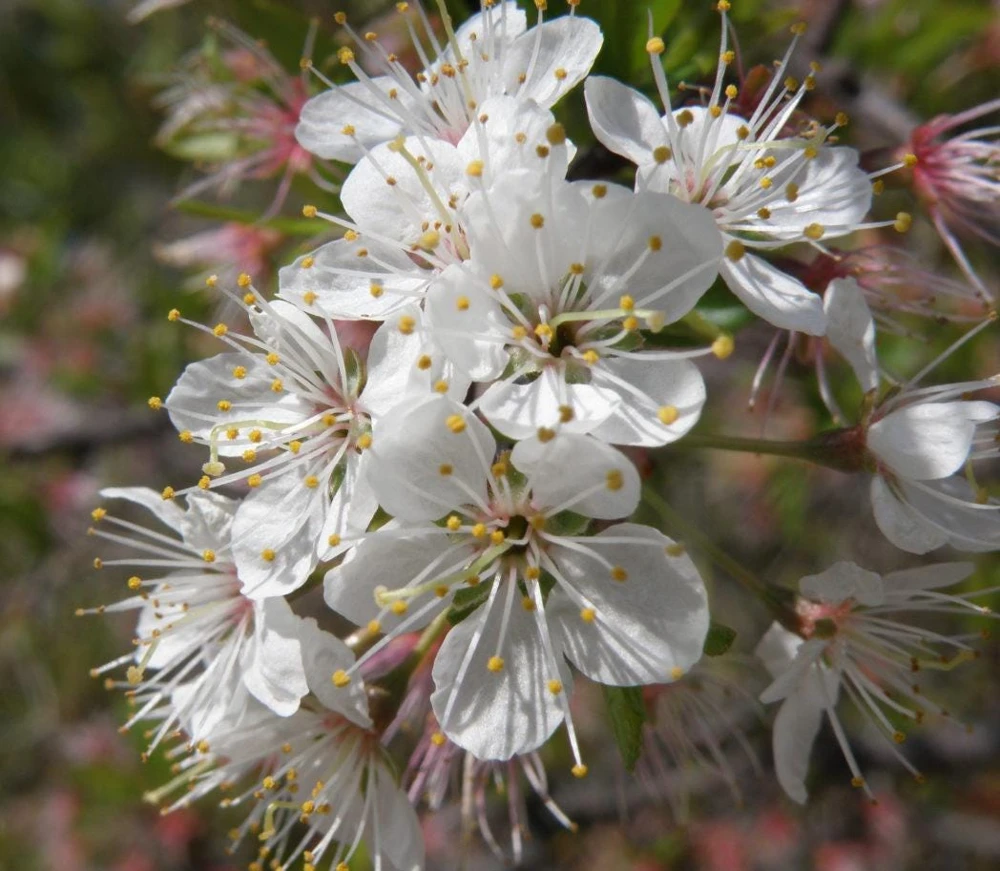
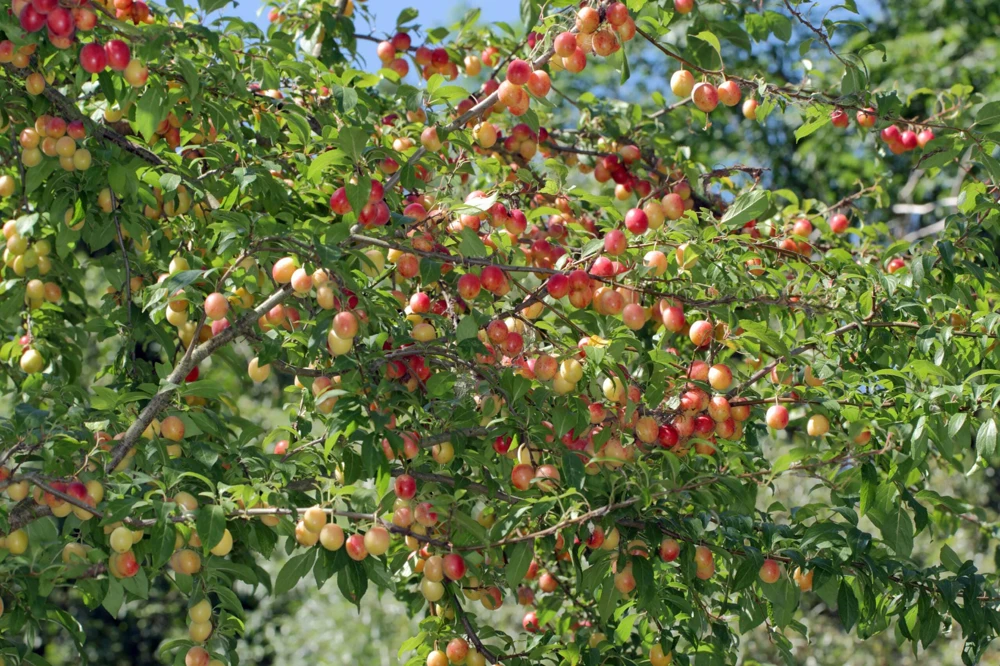
Transform your garden into a thriving ecosystem with the Chickasaw Plum Tree. This offering includes 5 healthy starter plants, each measuring 12-24 inches tall and potted in a convenient quart pot. The Chickasaw Plum Tree (Prunus angustifolia) is a cherished North American native, renowned for its resilience and multi-seasonal appeal. It’s a fast-growing small tree or shrub that brings early spring beauty with its profusion of fragrant white flowers, followed by tart, edible fruit later in the season. Beyond its aesthetic and culinary value, this plant serves as an exceptional wildlife habitat, attracting various birds and pollinators. Ideal for creating naturalized areas, hedges, or as an attractive specimen plant, the native plum tree is a fantastic addition to any landscape seeking both beauty and ecological benefit.
Key Benefits
The Chickasaw Plum Tree offers a wealth of advantages for both gardeners and the environment. Its robust nature and versatile uses make it a highly desirable plant:
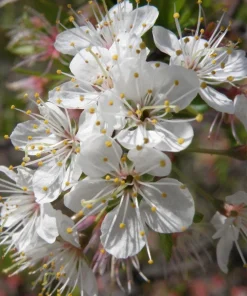
- Attractive Blooms: In early spring, the tree bursts with white, fragrant flowers, providing a stunning visual display and signaling the arrival of warmer weather. These blooms also serve as an important early nectar source for pollinators.
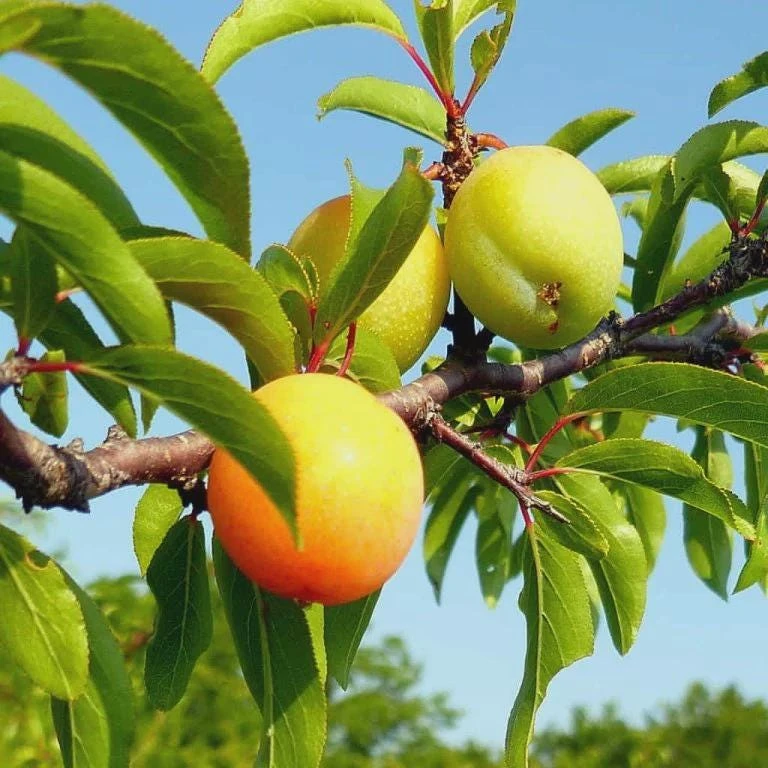
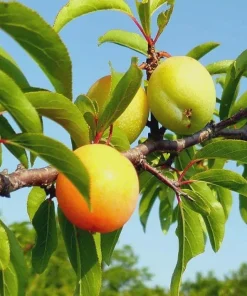
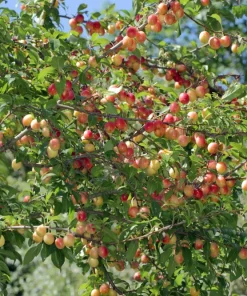
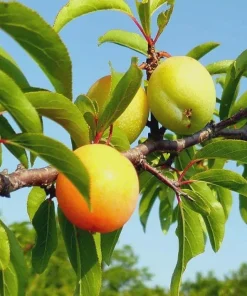
- Edible Fruit Production: Enjoy a harvest of tart, delicious plums perfect for jams, jellies, pies, or eating fresh. This edible fruit tree provides a sustainable source of homegrown produce.
- Wildlife Support: The fruit, branches, and dense growth habit offer food, shelter, and nesting sites for a variety of birds and small mammals, making it an excellent wildlife habitat plant.
- Erosion Control: Its natural tendency to spread by root suckers forms dense thickets, which are highly effective in stabilizing soil and preventing erosion on slopes or disturbed areas.
- Fast Growth & Adaptability: This species is known for its relatively fast growth rate and ability to adapt to a range of soil conditions, making it a low-maintenance choice for many landscapes.
- Native Resilience: As a North American native, it is well-suited to local climates and ecosystems, requiring less intervention once established compared to non-native species.
- Landscape Versatility: Can be grown as a small tree, a multi-stemmed shrub, or even in thickets for privacy and naturalistic plantings.
Plant Care & Growing Tips
Caring for your Chickasaw Plum Tree is straightforward, as it is a hardy and adaptable species. These trees thrive in USDA zones 5 through 9, indicating their wide climate tolerance. For optimal growth, plant your Prunus angustifolia in a location that receives full sun, meaning at least 6 hours of direct sunlight per day. While adaptable, they prefer well-draining soil and can tolerate a range of soil types, including sandy, loamy, or clay soils, as long as they are not waterlogged. Once established, the Chickasaw Plum Tree is quite drought-tolerant, but regular watering during dry spells, especially in its first few years, will promote stronger growth and better fruit production.
Fertilization is generally not heavily required for this native species. A balanced, slow-release fertilizer can be applied in early spring if soil nutrients are poor, but avoid over-fertilizing. Pruning can be done in late winter or early spring to shape the tree, remove dead or diseased branches, and encourage fruit production. Due to its tendency to spread via root suckers, you may need to manage these if you prefer a more contained growth habit. The slender, reddish branches can sometimes be thorny, so exercise caution during pruning. Common problems are few, but watch for typical fruit tree pests or diseases, though the Chickasaw plum is generally quite resistant. Ensuring good air circulation and proper sun exposure will help prevent most issues.
Size & Details
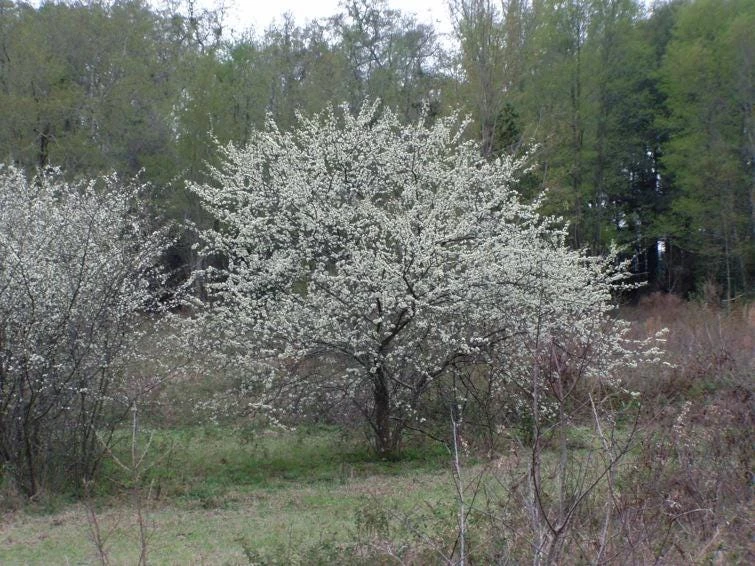
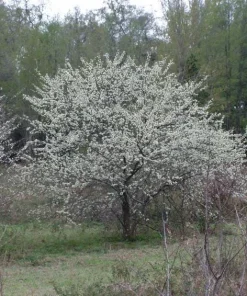
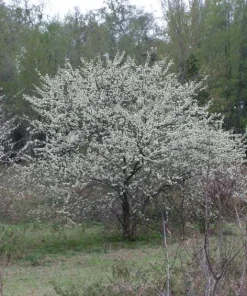
This offering includes 5 individual Chickasaw Plum Tree starter plants, each carefully cultivated in a quart-sized pot. The plants themselves stand approximately 12 to 24 inches tall at the time of shipment, providing a robust start for your garden project. The Prunus angustifolia is a fast-growing species that typically reaches a mature height of 6 to 12 feet, though it has the potential to grow up to 25 feet under ideal conditions. It forms a rounded, somewhat ‘twiggy’ mass with slender, often reddish branches. The tree is supplied as a live, potted plant, ensuring a healthy root system for successful transplanting. Expect to see significant growth within the first few years, with fruit production often beginning within 2-4 years after planting, depending on growing conditions and care.
Frequently Asked Questions
- Q: How big does this plant get? A: The Chickasaw Plum Tree typically grows 6 to 12 feet tall, but can reach up to 25 feet with optimal conditions. It forms a rounded, spreading shape.
- Q: What size pot does it come in? A: Each of the 5 Chickasaw Plum Tree starter plants is shipped in a quart-sized nursery pot, providing a healthy root ball for transplanting.
- Q: Is this an indoor or outdoor plant? A: The Chickasaw Plum Tree is an outdoor plant, well-suited for landscaping in USDA zones 5 through 9. It requires direct sunlight and outdoor conditions to thrive.
- Q: How much sunlight does it need? A: This native plum tree thrives in full sun, meaning it needs at least 6 hours of direct sunlight per day to produce the best flowers and fruit.
- Q: Is this plant easy to care for? A: Yes, the Chickasaw Plum Tree is relatively easy to care for, especially once established. It’s known for its hardiness and adaptability to various soil conditions.
- Q: What condition will it arrive in? A: Your Chickasaw Plum Tree plants will arrive as healthy, live starter plants, potted in quart containers, ready for immediate planting or temporary care.
- Q: Can I use the fruit from this tree? A: Absolutely! The plums from the edible fruit tree are tart and excellent for making jellies, jams, pies, or can be eaten fresh.
- Q: How long until it produces fruit? A: Fruit production typically begins within 2-4 years after planting, depending on the growing conditions and care provided to your Prunus angustifolia.
- Q: When is the best time to plant? A: The best time to plant your Chickasaw Plum Tree is in spring or fall, allowing the roots to establish before extreme temperatures.
- Q: Will it survive winter in my zone? A: This tree is hardy in USDA zones 5 through 9, meaning it can withstand winter temperatures in a wide range of climates.
Be the first to review “5 Chickasaw Plum Tree Starter Plants 12-24″ Tall (Quart Pot) – Prunus angustifolia”
People Also Viewed

Reviews
There are no reviews yet.