
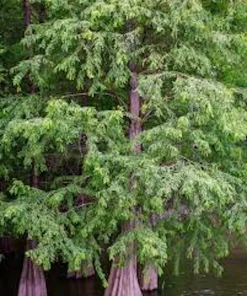
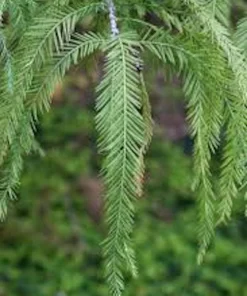
Bald Cypress Tree Live Plant 12-24in Tall Taxodium distichum Landscape Tree
Original price was: $221.99.$196.99Current price is: $196.99.
Add a distinctive touch to your landscape with a bald cypress tree. This 12-24 inch tall Taxodium distichum live plant is known for its resilience and beautiful seasonal foliage, making it an excellent choice for various garden settings. It adapts well to both wet and dry conditions, providing a unique aesthetic.
Estimated arrival
Sep 29
Oct 04 - Oct 06
Oct 09 - Oct 13
Shop With Confidence
30-Day Plant Health Guarantee
Arrives damaged? We’ll replace it free — see our return policy.
Responsive Support
Email us anytime, we reply within 1 business day.
Expert Packaging
Temperature-controlled shipping to protect your plants in transit.
Secure Checkout
Pay safely with Visa, Mastercard, PayPal.
Plant Specifications
-
USDA Hardiness Zone
USDA Zones 4-10 -
Soil Type
Adaptable to various soil types, thrives in moist to wet conditions -
Sunlight Exposure
Full sun to partial shade -
Expected Planting Period
Spring or Fall
Overview
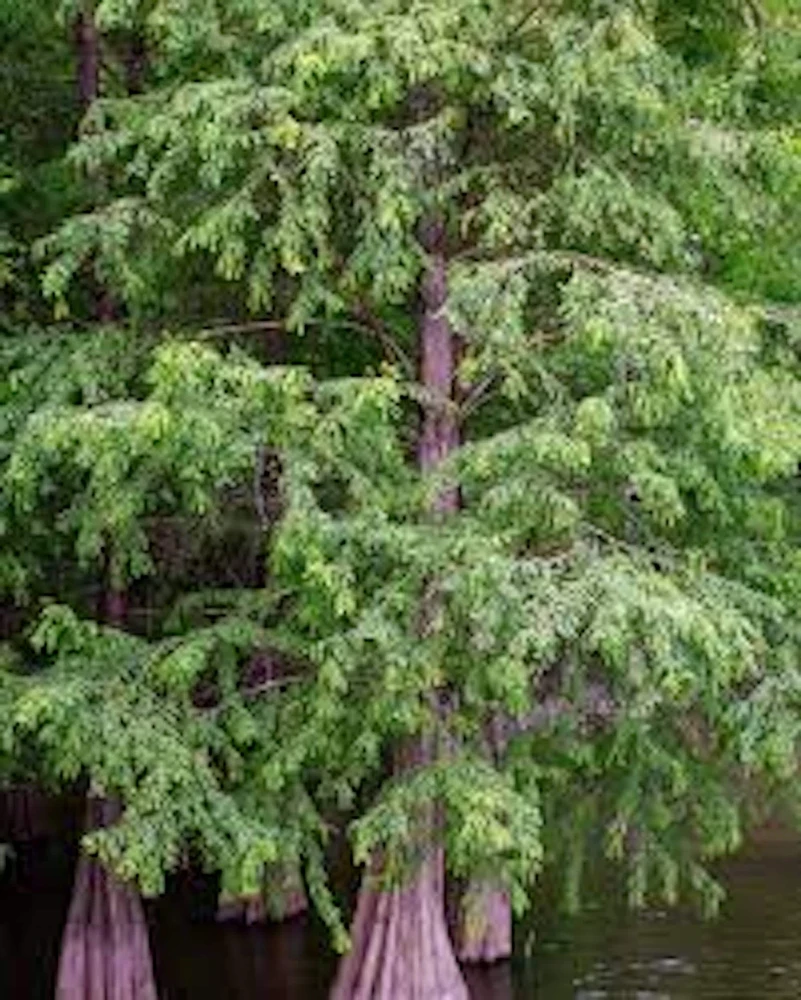
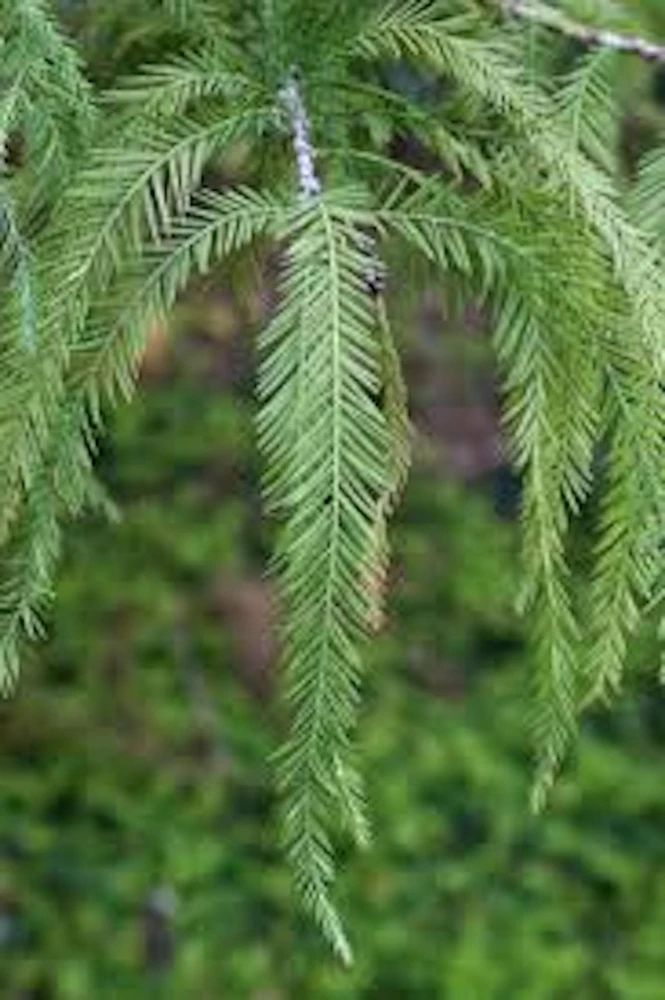
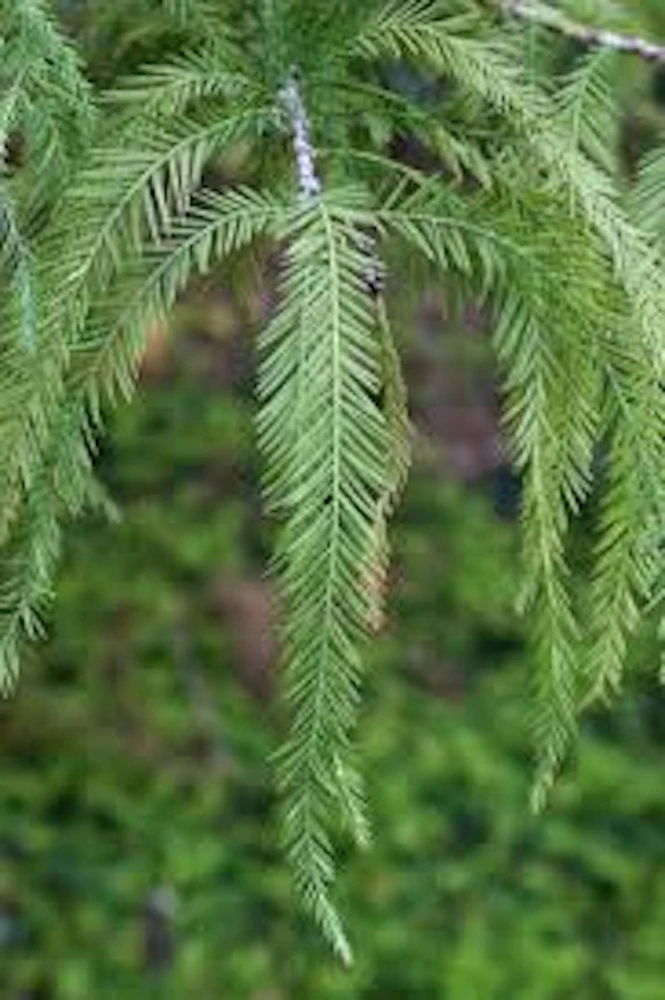
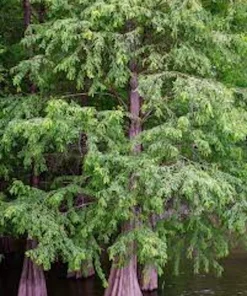
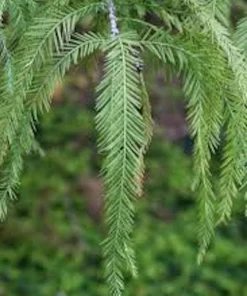
Introduce a majestic presence to your outdoor space with this stunning bald cypress tree (Taxodium distichum). This deciduous conifer, native to the southeastern United States, is a truly unique specimen among landscape trees. Unlike many conifers, the bald cypress tree sheds its needles in the fall, offering a spectacular bronze display before winter. Despite its name, which often evokes images of evergreen forests, the bald cypress is known for its feathery, light green foliage that transforms with the seasons. This particular offering is a Taxodium distichum live plant, typically arriving as a bare root specimen when dormant or in a pot during the growing season, ready to establish itself in your garden. Its adaptability to diverse soil conditions, from standing water to drier uplands, makes it an incredibly versatile choice for various landscaping projects.
The bald cypress tree is celebrated not only for its striking appearance but also for its hardiness and longevity. It can grow to impressive sizes, providing significant shade and a strong vertical element to any design. Whether you’re looking to create a natural wetland habitat or a stately focal point in a drier garden, this tree is an exceptional selection. Its natural resistance to pests and diseases further enhances its appeal as a low-maintenance, high-impact addition to your property. Consider the bald cypress for a truly distinctive and enduring landscape feature that will evolve beautifully through the years.
Key Benefits
The bald cypress tree offers numerous advantages that make it a superb choice for both residential and commercial landscapes. Its unique characteristics contribute to its aesthetic appeal and ecological value, providing long-term satisfaction for any gardener or homeowner.
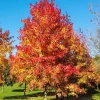
- Stunning Seasonal Foliage: Enjoy the vibrant light green needles in spring and summer, transitioning to a breathtaking coppery-bronze in the fall before they drop. This provides dynamic visual interest throughout the year.
- Exceptional Adaptability: The bald cypress tree thrives in a wide range of conditions, from consistently wet, swampy soils to drier, well-drained uplands. This makes it suitable for diverse planting locations, including rain gardens and riparian zones.
- Robust & Long-Lived: Known for its resilience and impressive lifespan, this tree can be a multi-generational addition to your landscape, growing into a magnificent specimen that provides enduring beauty and shade.
- Low Maintenance: Once established, the Taxodium distichum care requirements are minimal. It is naturally resistant to many common pests and diseases, reducing the need for extensive intervention.
- Wildlife Habitat: The tree provides excellent shelter and nesting sites for various bird species, and its seeds offer a food source for local wildlife, contributing to biodiversity in your garden.
- Erosion Control: Its strong root system helps stabilize soil, particularly in wetland areas or along stream banks, making it an effective choice for erosion prevention.
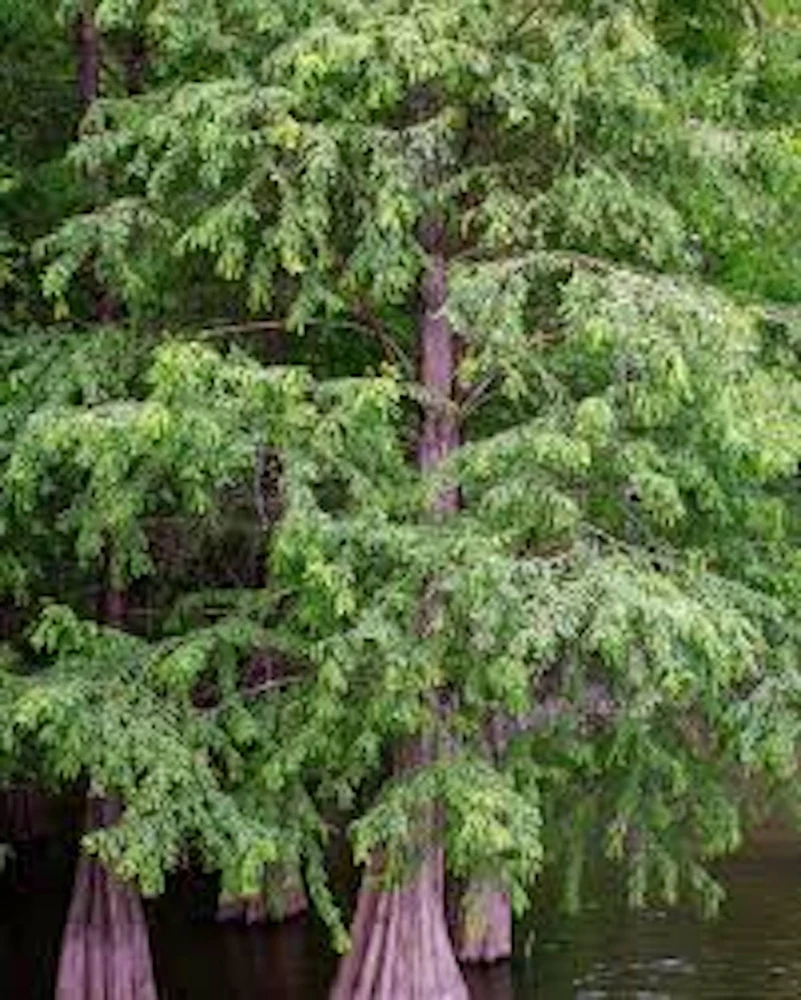
- Unique Landscape Feature: With its distinct pyramidal shape when young, maturing to a broad, flat-topped crown, and its iconic “knees” in wet conditions, it serves as a captivating focal point, enhancing any landscape tree for wet areas or dry.
Plant Care & Growing Tips
Caring for your bald cypress tree is relatively straightforward, especially once it’s established. Understanding its basic needs will ensure healthy growth and a magnificent specimen for years to come. When considering taxodium distichum care, remember its adaptability is one of its greatest strengths. It prefers full sun, meaning at least six hours of direct sunlight per day, to achieve its best growth and fall color. While it tolerates partial shade, growth may be slower and less dense. Choose a site where it has plenty of room to grow, as it can reach significant heights and widths.
Watering is crucial during the establishment phase, typically the first year or two after planting. Keep the soil consistently moist but not waterlogged. Once established, the bald cypress is remarkably drought-tolerant, though it will appreciate supplemental watering during extended dry spells, especially if not planted in a naturally moist environment. For soil, the bald cypress is not particular and will grow in sandy, loamy, or clay soils. However, it thrives in acidic to neutral pH levels and can tolerate both perpetually wet and well-drained conditions. If planted in a drier area, amending the soil with organic matter can improve water retention. The ideal USDA hardiness zones for the bald cypress growth are generally 4 through 10, showcasing its broad climatic tolerance.
Fertilization is generally not necessary for established trees in healthy soil. If growth appears stunted or foliage is sparse, a balanced, slow-release granular fertilizer applied in early spring can be beneficial. Avoid over-fertilizing. Pruning is usually limited to removing dead, damaged, or crossing branches to maintain a strong structure and overall health. Young trees can be pruned to encourage a strong central leader. Watch for common pests like bagworms, though serious infestations are rare. Overall, the bald cypress tree is a robust and resilient plant, making it a rewarding addition to many landscapes.
Size & Details
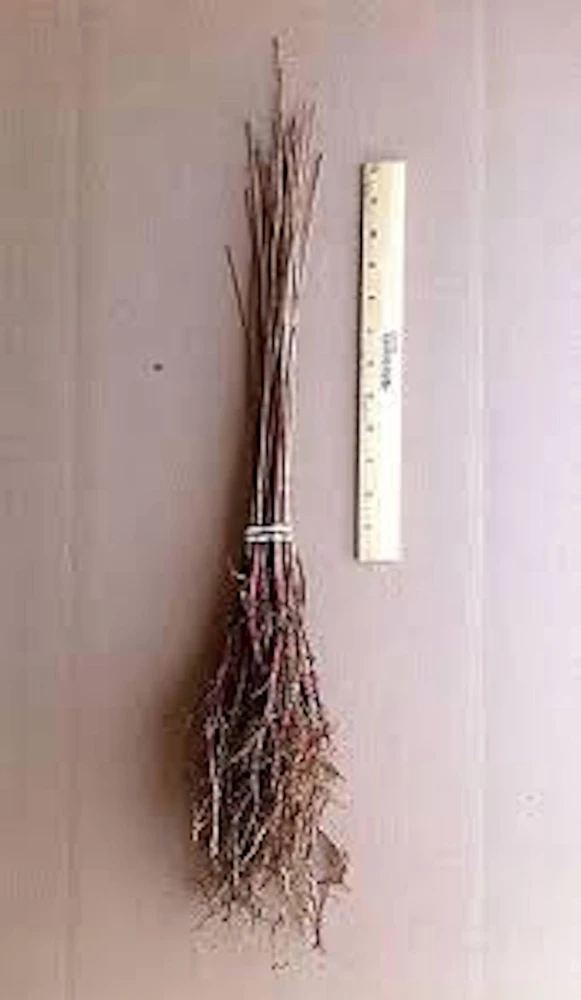
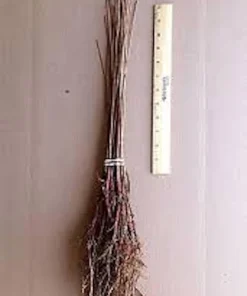
This offering is for one bald cypress tree, typically measuring 12-24 inches tall at the time of shipment. The form in which it ships depends on the season: during its dormant period, it will be shipped bare root, allowing for easy handling and planting. During the active growing season, it will be shipped in a pot (quart size), ensuring the root system is protected and ready for transplanting. The bald cypress growth rate is considered medium to fast, often adding 12-18 inches or more per year under optimal conditions. Mature trees can reach heights of 50-70 feet, with some specimens growing over 100 feet, and a spread of 20-30 feet, forming an impressive pyramidal to broadly conical shape.
It is important to note that while the tree is provided at a young stage, its potential for growth is substantial, making it a long-term investment for your landscape. The specific pot size (quart) refers to the container it will be shipped in during the growing season, providing ample space for initial root development. This size is ideal for establishing a strong root system before the tree rapidly expands in your garden. This deciduous conifer will begin to show its characteristic feathery foliage and unique seasonal color changes as it matures, enhancing its appeal as a striking landscape element.
Frequently Asked Questions
- Q: How big does this bald cypress tree get? A: This particular tree is 12-24 inches tall upon arrival. Mature bald cypress trees can reach impressive heights of 50-70 feet, and sometimes over 100 feet, with a spread of 20-30 feet, making them a significant landscape feature.
- Q: Is this an indoor or outdoor plant? A: The bald cypress tree is an outdoor plant, best suited for planting directly in the ground in appropriate USDA hardiness zones. It is not suitable for long-term indoor cultivation.
- Q: How much sunlight does a bald cypress tree need? A: Bald cypress thrives in full sun, requiring at least 6 hours of direct sunlight daily for optimal growth and the best fall foliage color. It can tolerate partial shade, but growth may be slower.
- Q: Is this tree difficult to care for? A: No, the bald cypress tree is relatively easy to care for, especially once established. It’s known for its resilience and adaptability to various soil and moisture conditions, making taxodium distichum care manageable for most gardeners.
- Q: What condition will it arrive in? A: The tree will ship bare root when dormant (typically fall to early spring) and in a quart pot during the growing season (spring to fall). Both methods ensure the plant is healthy and ready for planting.
- Q: When is the best time to plant a bald cypress tree? A: The best time to plant is in the spring or fall when temperatures are moderate. This allows the tree to establish its root system before extreme heat or cold.
- Q: Will a bald cypress tree survive winter in my zone? A: The bald cypress is very cold hardy and typically thrives in USDA Zones 4-10, meaning it can withstand a wide range of winter temperatures across much of the United States. It is a true deciduous conifer, shedding its needles in winter.
- Q: What kind of soil does a bald cypress prefer? A: This tree is highly adaptable and can grow in a variety of soils, from sandy to heavy clay. It tolerates both wet and drier conditions, making it an excellent landscape tree for wet areas or other challenging sites.
- Q: What are the ‘knees’ associated with bald cypress? A: Bald cypress trees often develop distinctive woody growths called ‘knees’ that protrude from the ground around the base of the trunk, particularly when grown in very wet or swampy conditions. Their exact function is still debated but is thought to aid in gas exchange or structural support.
- Q: How fast is the bald cypress growth rate? A: The bald cypress has a medium to fast growth rate, typically growing 12-18 inches or more per year under ideal conditions, making it a relatively quick-growing shade tree.
Be the first to review “Bald Cypress Tree Live Plant 12-24in Tall Taxodium distichum Landscape Tree”
People Also Viewed
Flower Plants
Black Fuchsia Live Plant – Dark Flower Fuchsia – 4-6 inch Tall – 5 Inch Pot – Indoor/Outdoor
Houseplants
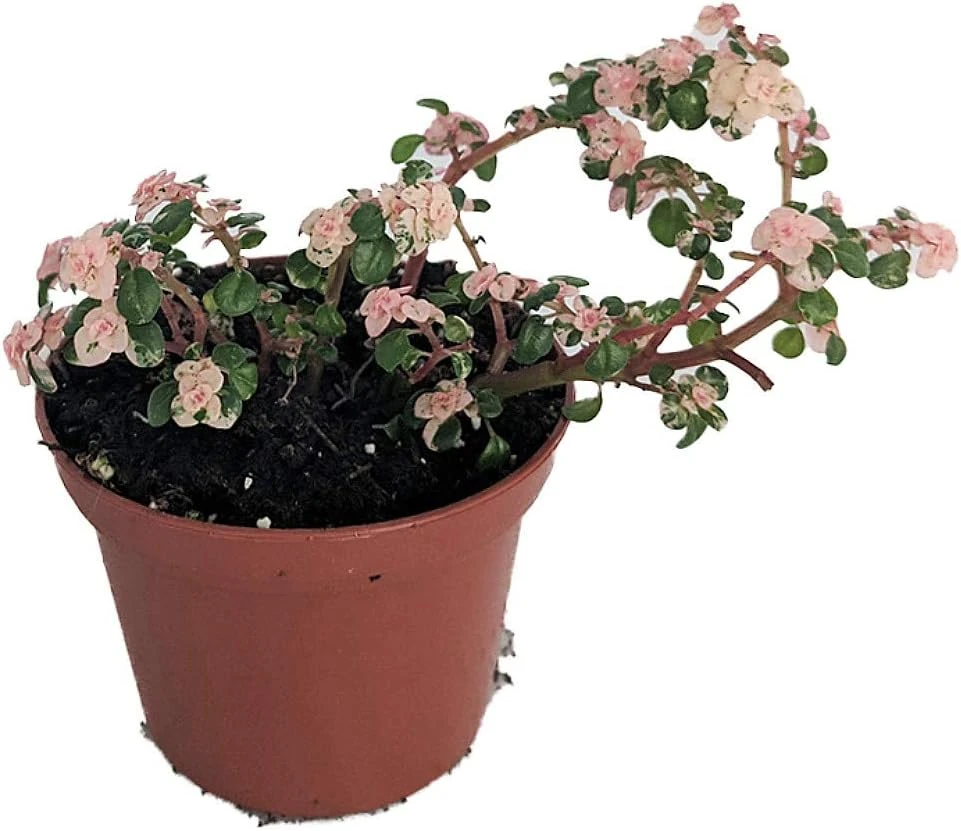
Snow Capped Artillery Fern Live Plant – Pilea microphylla – Rare Indoor Plant – 2.5″ Pot
Reviews
There are no reviews yet.