



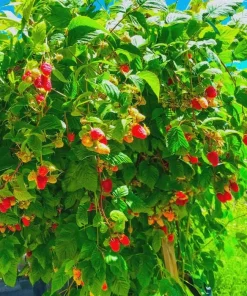
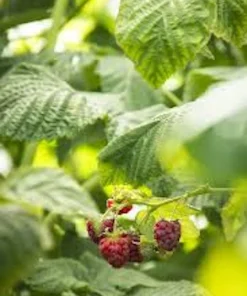
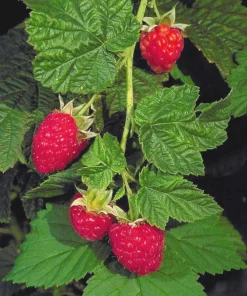
10 Canby Thornless Red Raspberry Starter Plug – Rubus idaeus – Bare Root Plant
Original price was: $159.99.$134.99Current price is: $134.99.
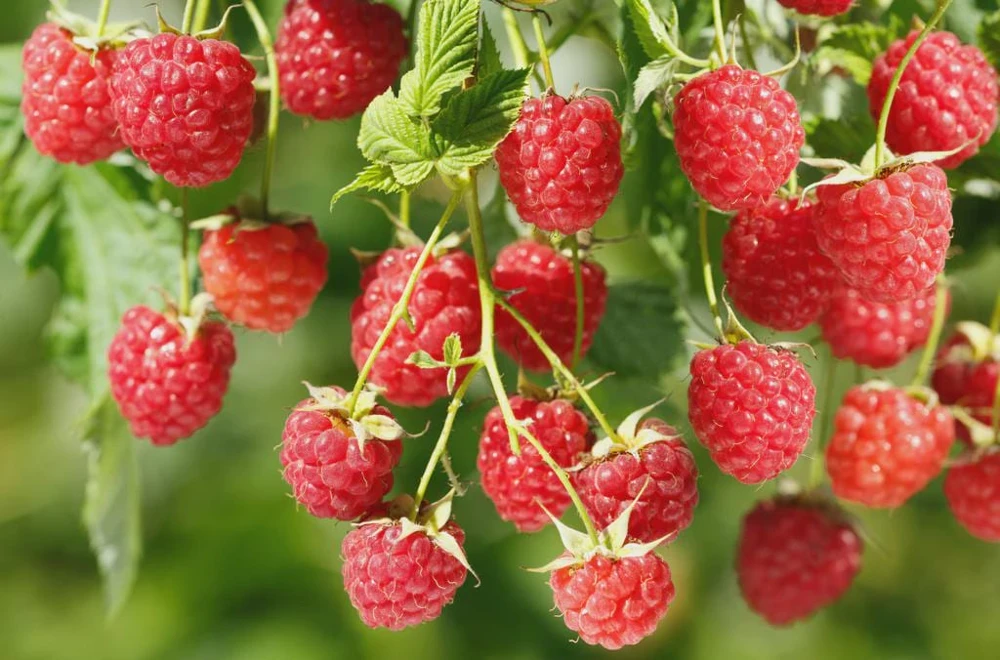
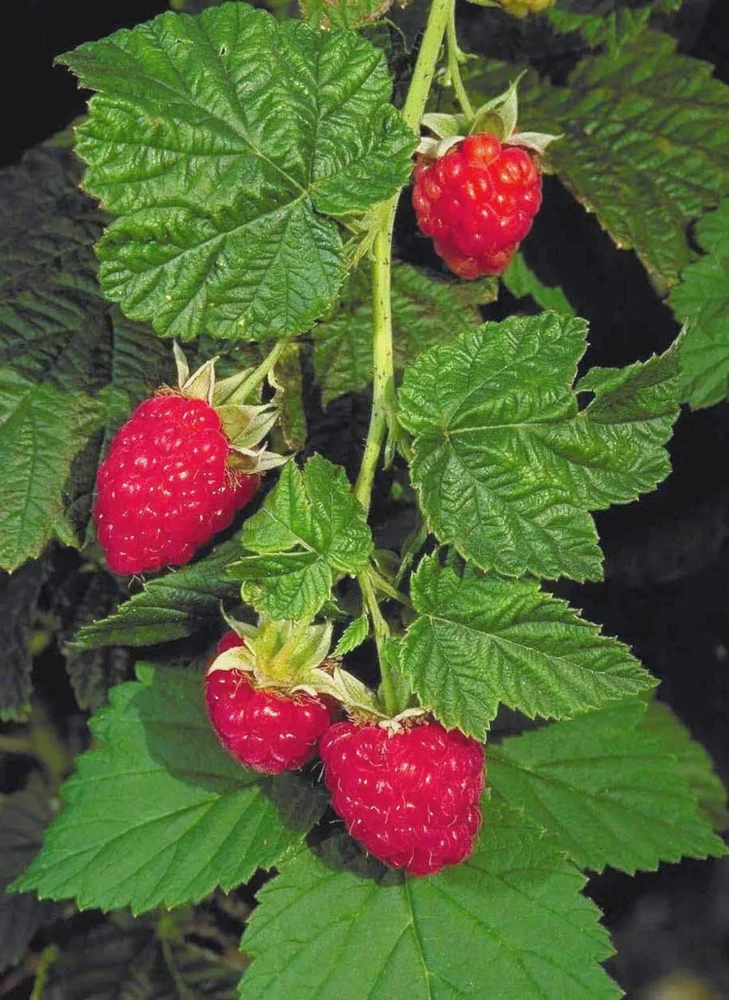
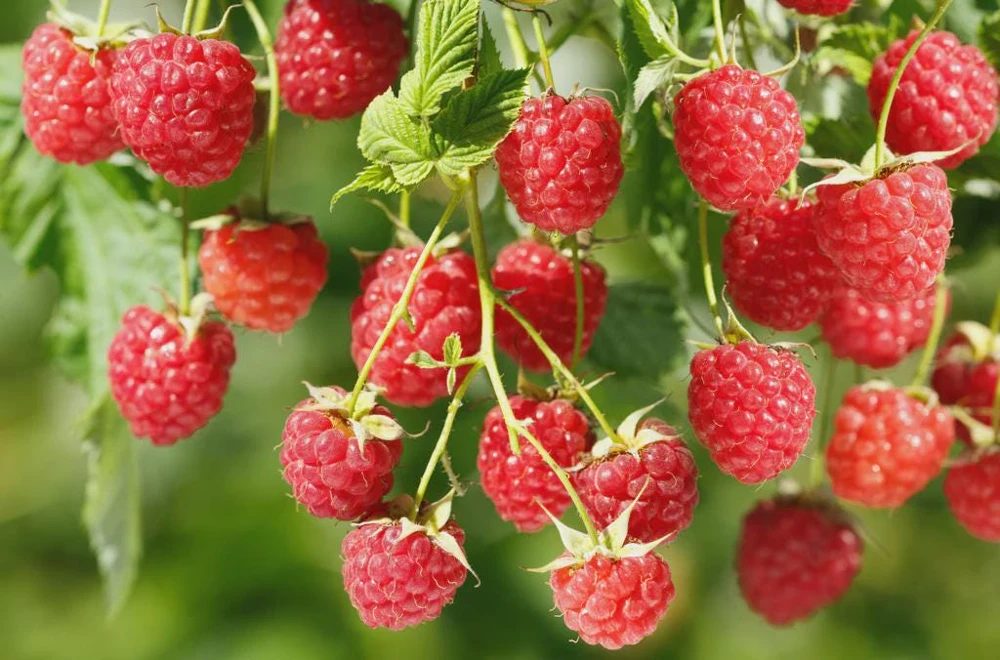
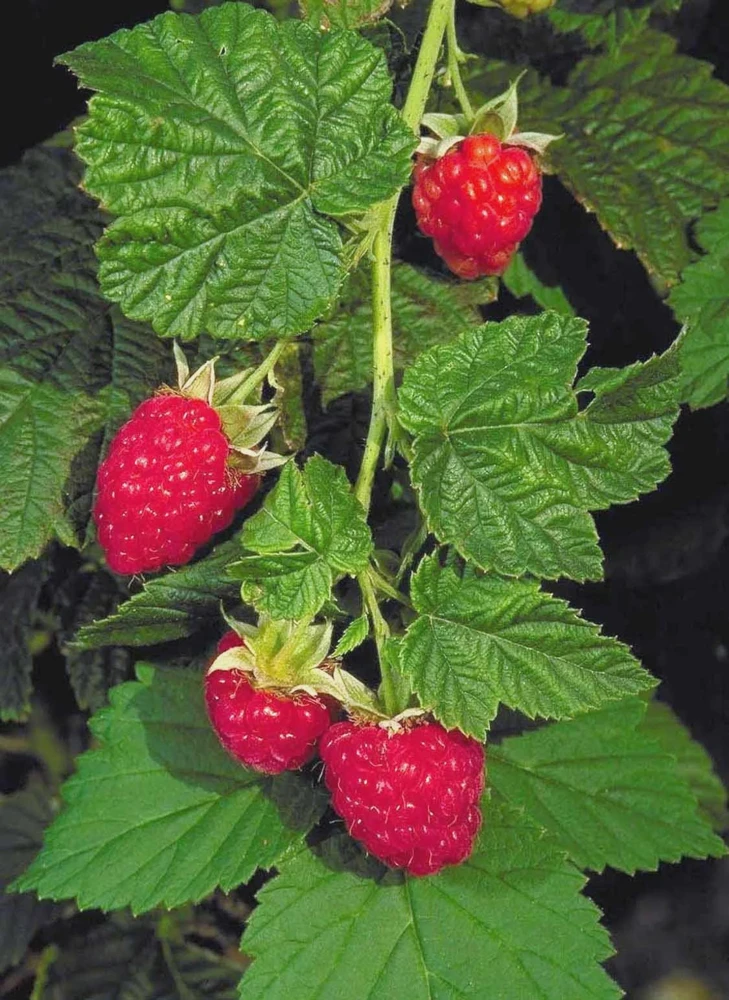
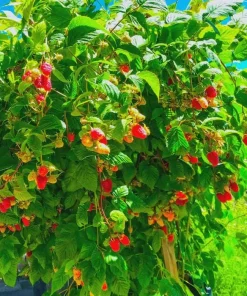
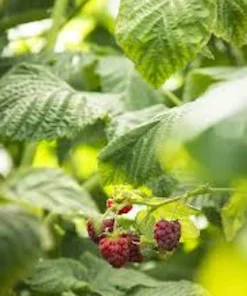
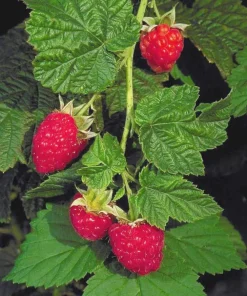
Cultivate your own delicious fruit with these Canby Red Raspberry starter plug bare root plants. Known for large, sweet, bright red fruit and nearly thornless canes, these thornless raspberry plant varieties are perfect for easy harvesting. Ideal for USDA zones 3-8, they’re vigorous and cold-hardy.
Estimated arrival
Sep 29
Oct 04 - Oct 06
Oct 09 - Oct 13
Shop With Confidence
30-Day Plant Health Guarantee
Arrives damaged? We’ll replace it free — see our return policy.
Responsive Support
Email us anytime, we reply within 1 business day.
Expert Packaging
Temperature-controlled shipping to protect your plants in transit.
Secure Checkout
Pay safely with Visa, Mastercard, PayPal.
Plant Specifications
-
USDA Hardiness Zone
USDA zones 3-8 -
Soil Type
Well-draining, slightly acidic soil -
Sunlight Exposure
Full sun (6-8+ hours daily) -
Expected Planting Period
Early spring
Overview
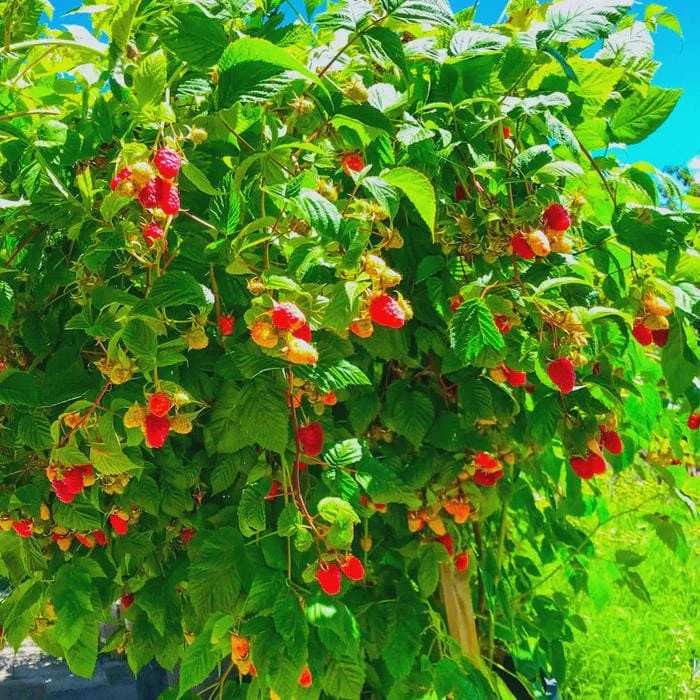
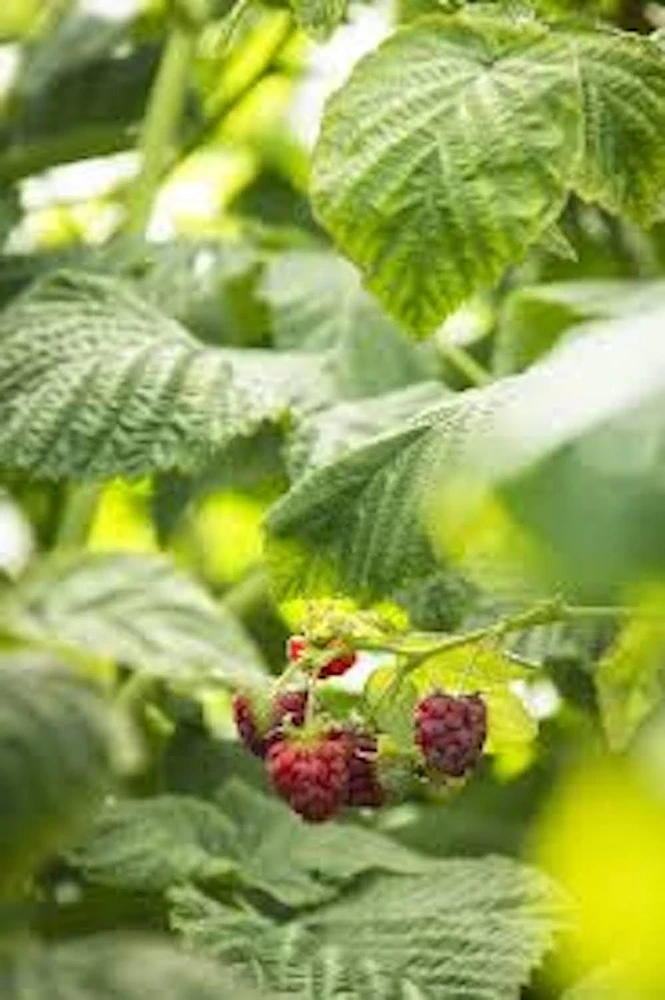
Bring the joy of fresh, homegrown fruit to your garden with the Canby Red Raspberry starter plug. This offering includes 10 bare root starter plugs of the popular ‘Canby’ variety, scientifically known as Rubus idaeus ‘Canby’. Renowned for its exceptional qualities, the ‘Canby’ raspberry is a June-bearing, self-pollinating plant that produces abundant crops of large, sweet, and vibrantly red fruit. What truly sets this variety apart are its nearly thornless canes, making harvesting a significantly more pleasant and less prickly experience for gardeners of all skill levels. These vigorous and cold-hardy plants are an excellent choice for anyone looking to establish a productive and easy-to-manage raspberry patch, thriving particularly well in cooler summer climates. Whether you’re a seasoned gardener or just starting out, the thornless raspberry plant is a rewarding addition to any edible landscape.
Key Benefits
Choosing the ‘Canby’ variety for your garden comes with a host of advantages that make it a favorite among fruit growers. Its robust nature and desirable fruit characteristics ensure a bountiful and enjoyable harvest season year after year. Cultivating a Canby Red Raspberry starter plug means you’re investing in a plant known for its reliability and delicious yield.
- Easy Harvesting: The primary benefit of the ‘Canby’ raspberry is its nearly thornless canes. This feature dramatically reduces the risk of scratches and makes picking your ripe berries a much more comfortable and efficient task, encouraging more frequent harvests.
- Delicious, High-Quality Fruit: These plants produce large, bright red berries that are notably sweet and juicy, perfect for fresh eating, jams, jellies, pies, or freezing for later enjoyment. The flavor profile is consistently excellent.
- Cold-Hardy and Adaptable: The ‘Canby’ raspberry is celebrated for its excellent cold hardiness, making it suitable for a wide range of climates, specifically USDA zones 3 to 8. This resilience ensures a good chance of success even in regions with harsh winters.
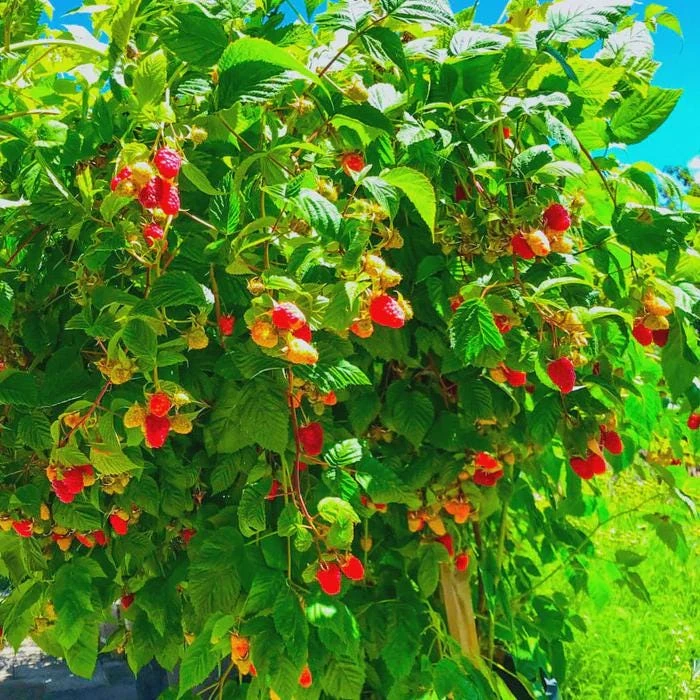
- Vigorous Growth: This variety is known for its strong, upright growth habit, typically reaching 4-6 feet in height. Its vigorous nature means it establishes quickly and produces fruit reliably.
- Disease and Pest Resistance: The Rubus idaeus Canby exhibits good resistance to certain common raspberry viruses and aphids, reducing the need for intensive pest management and promoting healthier plants.
- Self-Pollinating: As a self-pollinating variety, you only need one plant to produce fruit, though planting multiple can increase yields. This simplifies garden planning and ensures fruit production even in smaller spaces.
- June-Bearing Production: Enjoy a concentrated harvest of berries in early to mid-summer, providing a significant crop all at once for processing or fresh consumption. This makes planning for preserving your harvest straightforward.
Plant Care & Growing Tips
Ensuring the success of your Canby Red Raspberry starter plug involves understanding its specific needs for sunlight, soil, and ongoing maintenance. Proper care will lead to a thriving patch and abundant fruit. The ‘Canby’ variety, like many raspberries, prefers a location with ample sunlight to produce the best fruit. Aim for at least 6-8 hours of direct sunlight per day. While it can tolerate some partial shade, fruit production will be reduced. Good air circulation is also important to prevent fungal diseases, so avoid planting in overly crowded areas.
These raspberries thrive in well-draining, slightly acidic soil with a pH between 6.0 and 6.8. Amend heavy clay soils with organic matter like compost or aged manure to improve drainage and fertility. Consistent moisture is crucial, especially during flowering and fruiting. Water deeply and regularly, ensuring the soil remains evenly moist but not waterlogged. Avoid overhead watering if possible to reduce the risk of leaf diseases. For fertilization, apply a balanced granular fertilizer in early spring as new growth emerges, and again after the main harvest. Follow product instructions carefully to avoid over-fertilization.
Pruning is essential for maintaining plant health and maximizing fruit production for this thornless raspberry plant. Since ‘Canby’ is a June-bearing (floricane-fruiting) variety, it produces fruit on canes that grew the previous year. In late winter or early spring, remove all dead, damaged, or weak canes. After the summer harvest, cut back the canes that have fruited to the ground, as they will not produce again. Thin remaining canes to 6-8 of the strongest per foot of row. While the ‘Canby’ has an upright growth habit, providing a trellis or support system can help manage the canes, keep fruit off the ground, and make harvesting even easier. Watch out for common pests like Japanese beetles or spider mites, and treat with organic solutions if necessary. Good cultural practices, such as proper spacing and air circulation, can help prevent many problems.
Size & Details
This product includes 10 individual Canby Red Raspberry starter plug bare root plants. These are young, dormant plants shipped without soil or a pot, ready for planting directly into your garden. The ‘Canby’ raspberry is known for its vigorous growth, with mature canes typically reaching a height of 4 to 6 feet. While they have an upright growth habit, providing a trellis or wire support system is recommended, especially as the plants mature and become laden with fruit. The growth rate is moderate to fast, allowing you to establish a productive patch relatively quickly. Expect your first significant harvest within 1-2 years after planting. These plants are ideal for creating a productive row in your garden or integrating into an edible landscape. Each June-bearing raspberry plant will contribute to a delicious summer harvest.
Frequently Asked Questions
- Q: How large will my Canby Red Raspberry starter plug plants grow? A: The ‘Canby’ raspberry typically grows to a height of 4 to 6 feet, with a vigorous, upright growth habit. Providing support like a trellis can help manage their size and keep fruit accessible.
- Q: When is the best time to plant these bare root raspberries? A: Bare root raspberry plants are best planted in early spring, as soon as the soil can be worked and after the last hard frost. This allows them to establish a strong root system before the summer heat.
- Q: Is the ‘Canby’ truly thornless? A: The ‘Canby’ raspberry is considered nearly thornless. While some very small, soft bristles might be present, they are not sharp like traditional raspberry thorns, making harvesting significantly easier and more comfortable.
- Q: What kind of soil does this thornless raspberry plant prefer? A: ‘Canby’ raspberries thrive in well-draining, fertile soil with a slightly acidic pH (6.0-6.8). Amending your soil with compost before planting is highly recommended.
- Q: How much sun does a Rubus idaeus Canby need? A: For optimal fruit production, these raspberries require at least 6-8 hours of direct sunlight per day. Full sun exposure will lead to the sweetest and most abundant berries.
- Q: Do I need more than one ‘Canby’ plant for fruit? A: No, the ‘Canby’ raspberry is self-pollinating, meaning a single plant can produce fruit. However, planting multiple plants can significantly increase your overall yield.
- Q: How often should I water my raspberry plants? A: Consistent moisture is key, especially during dry periods and when the plants are fruiting. Water deeply 1-2 times per week, ensuring the soil remains moist but not waterlogged.
- Q: What USDA zones are suitable for the ‘Canby’ raspberry? A: The ‘Canby’ raspberry is very cold-hardy and is suitable for growing in USDA hardiness zones 3 through 8, thriving in cooler summer climates.
- Q: What is the expected yield from these plants? A: Once established, a healthy ‘Canby’ raspberry plant can produce several pounds of berries per season, offering a generous harvest of this delicious June-bearing raspberry.
- Q: How should these bare root plants be handled upon arrival? A: Upon arrival, plant your bare root raspberries as soon as possible. If immediate planting isn’t feasible, keep them cool and moist, perhaps by temporarily burying them in a shallow trench or keeping their roots wrapped in damp material in a cool, dark place.
Be the first to review “10 Canby Thornless Red Raspberry Starter Plug – Rubus idaeus – Bare Root Plant”
People Also Viewed
Vegetable Seeds
Spicy Salad Microgreen Seeds – Non-GMO Heirloom – High Germination – Very Easy to Grow
Reviews
There are no reviews yet.