

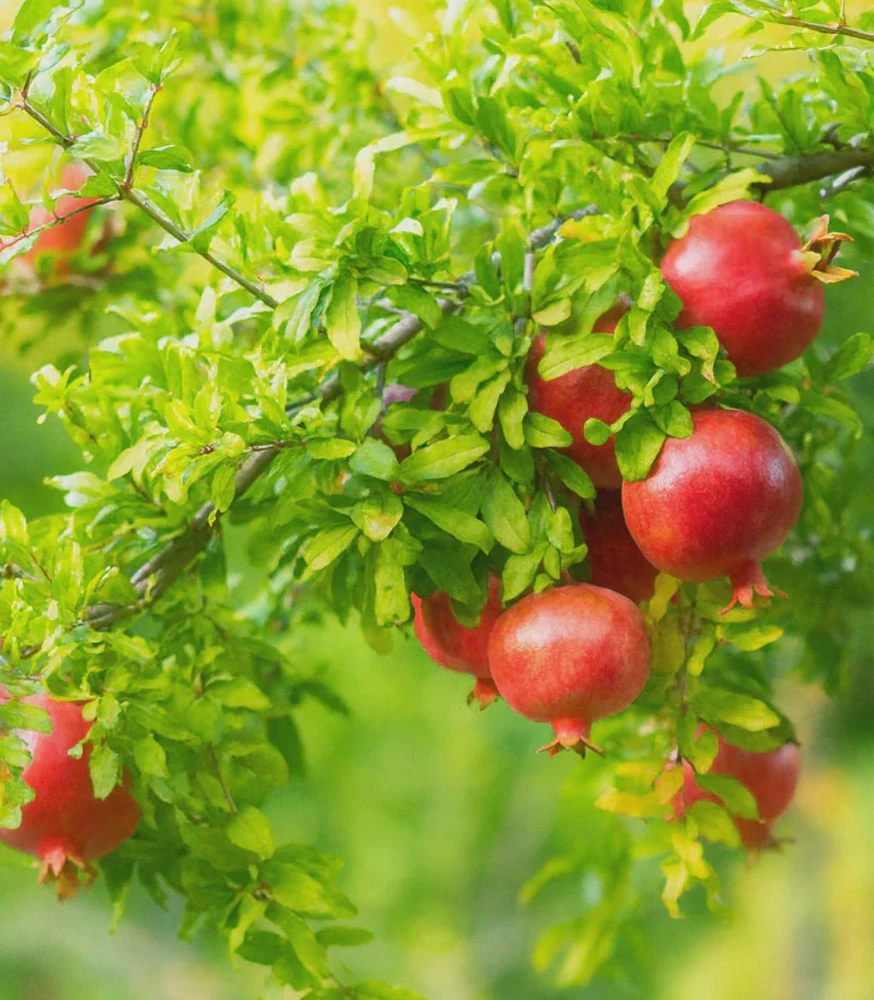
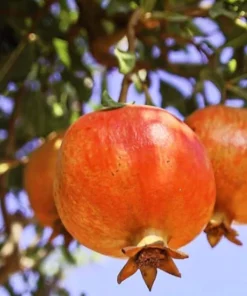
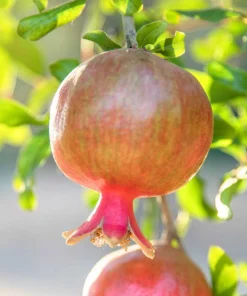
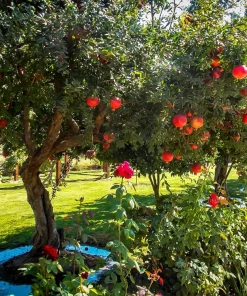
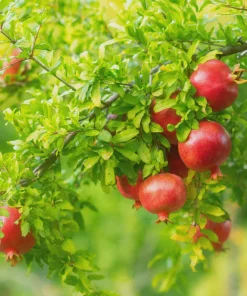
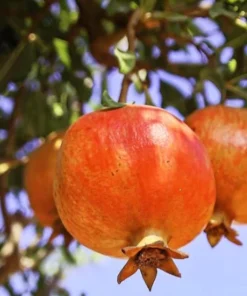
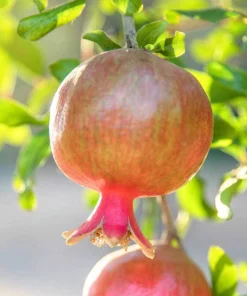
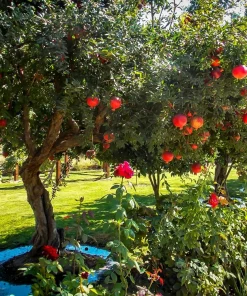
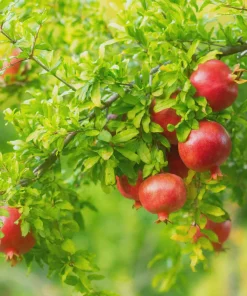
Salavatski Russian Pomegranate Tree Live Plant – Cold Hardy Punica granatum – USDA Zones 6-9
Original price was: $71.99.$46.99Current price is: $46.99.
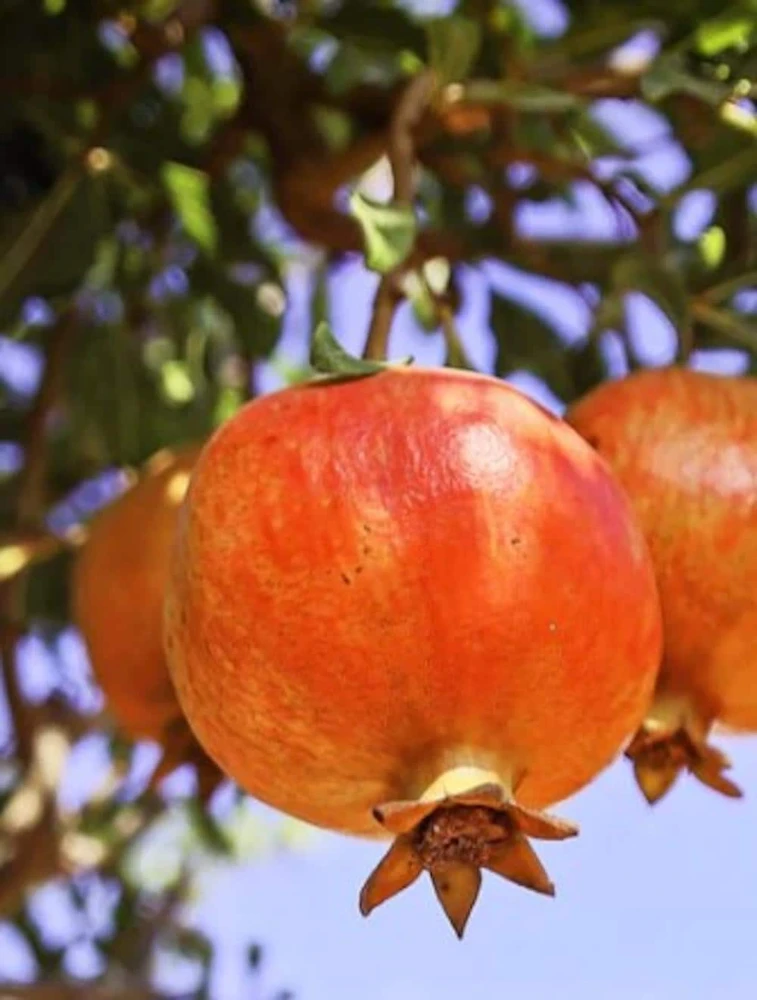
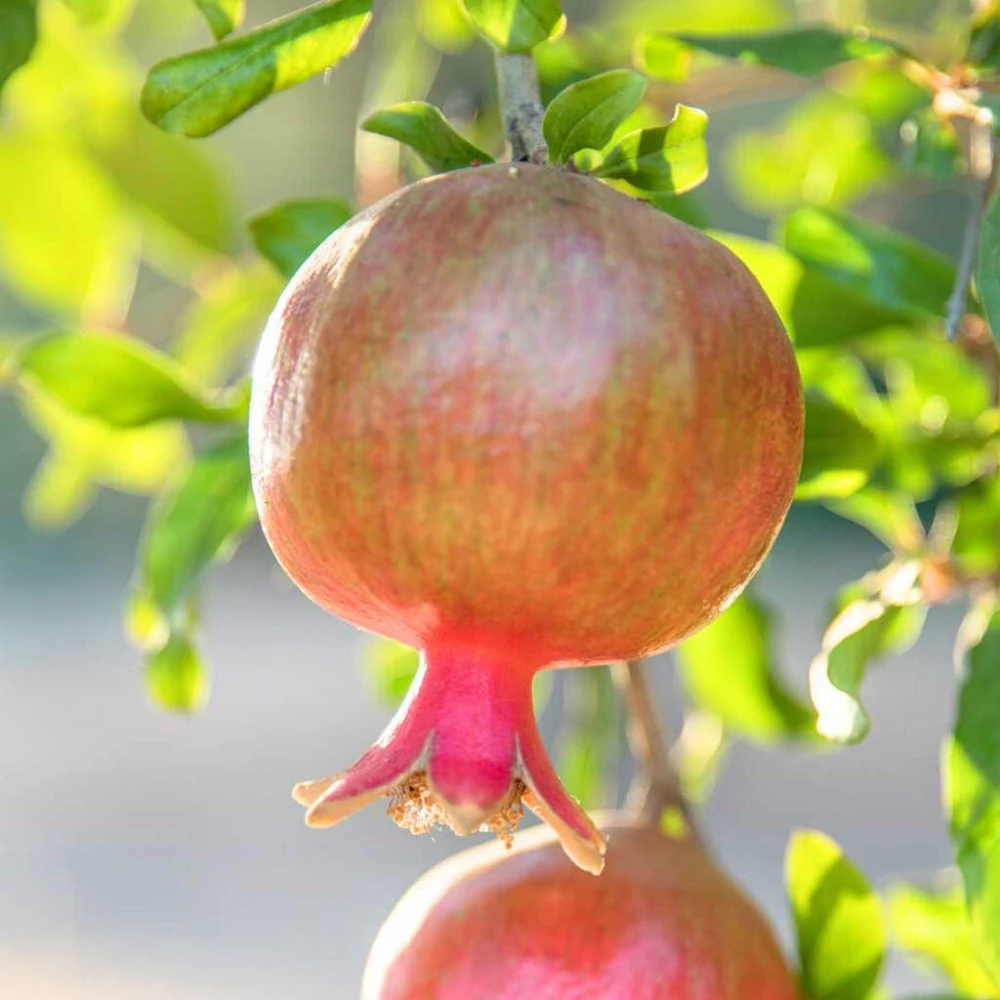
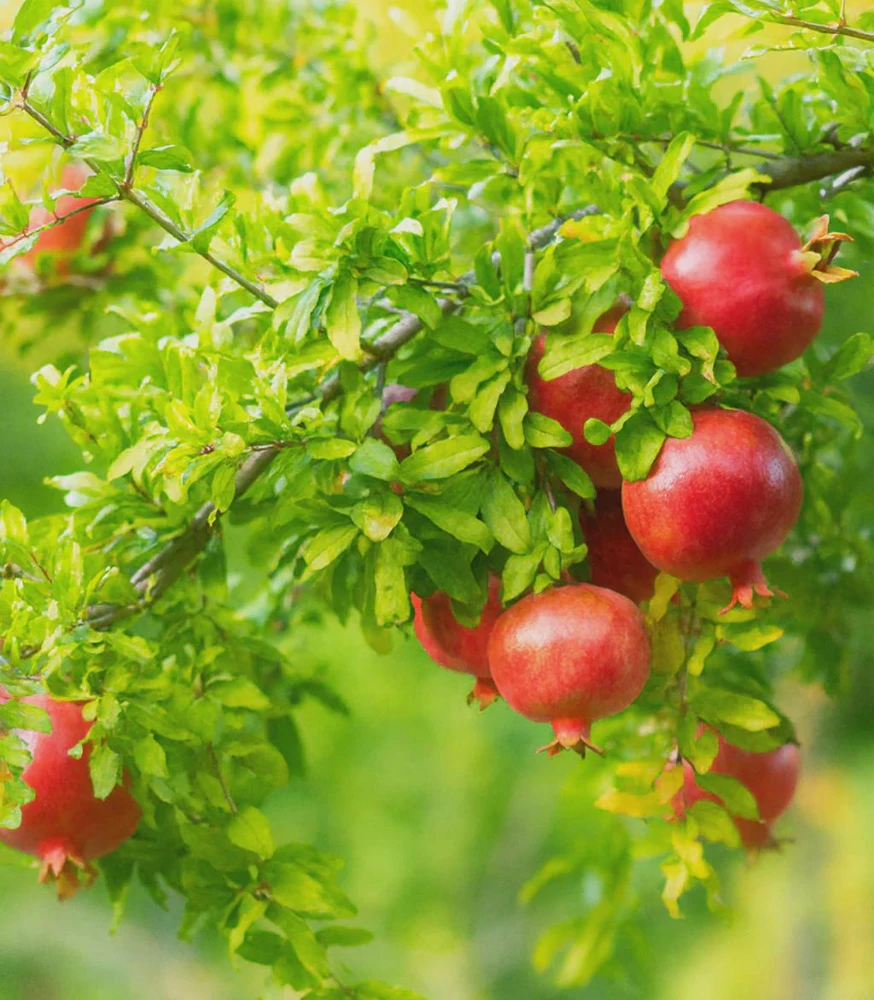
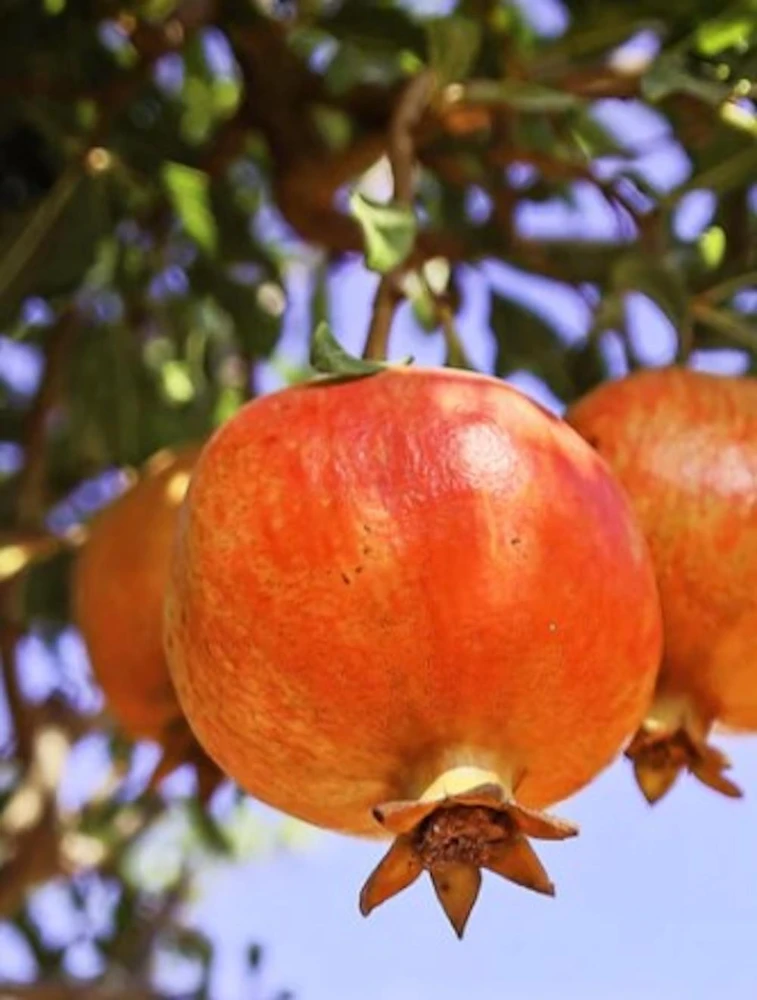
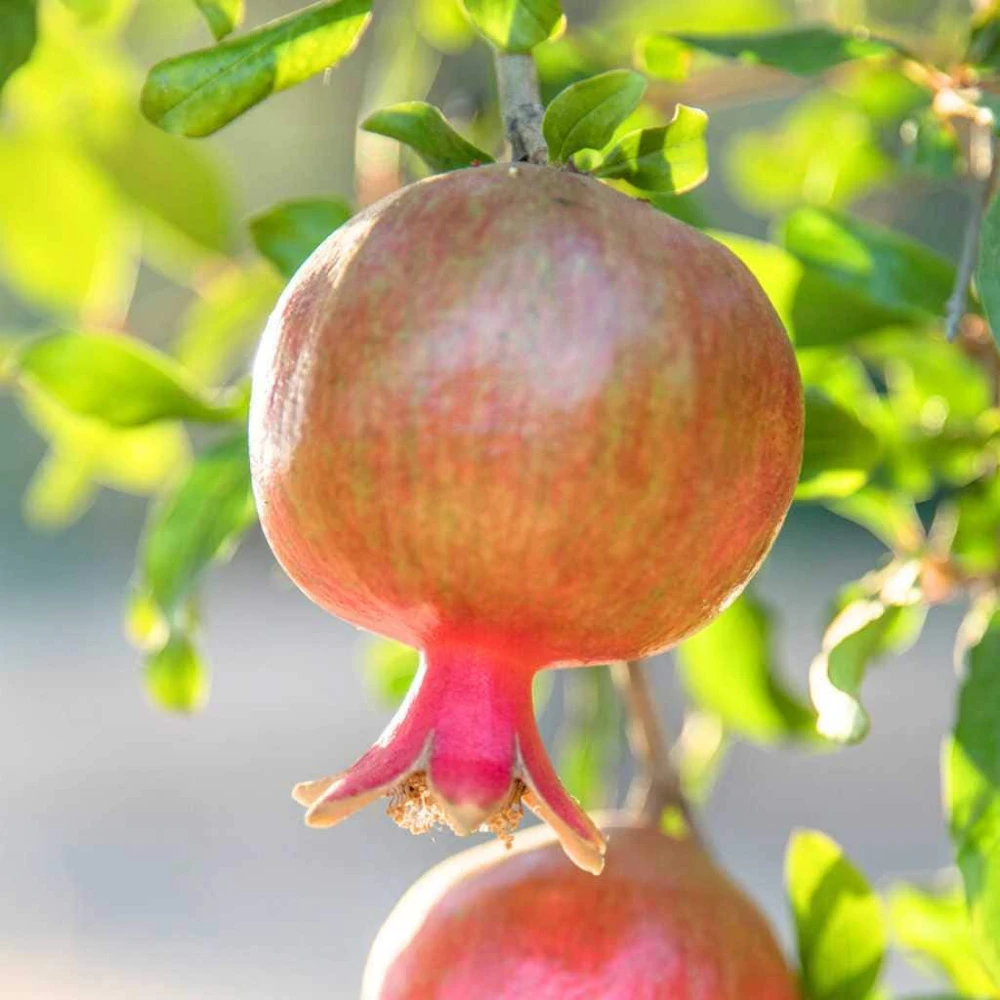
Bring home a Salavatski Russian Pomegranate Tree, a highly cold-tolerant live plant perfect for gardeners in cooler regions. This vigorous variety, known as Punica granatum Salavatski, produces large, flavorful pomegranates and thrives in USDA zones 6-9, making growing pomegranate in cold climates a reality.
Estimated arrival
Sep 29
Oct 04 - Oct 06
Oct 09 - Oct 13
Shop With Confidence
30-Day Plant Health Guarantee
Arrives damaged? We’ll replace it free — see our return policy.
Responsive Support
Email us anytime, we reply within 1 business day.
Expert Packaging
Temperature-controlled shipping to protect your plants in transit.
Secure Checkout
Pay safely with Visa, Mastercard, PayPal.
Plant Specifications
-
USDA Hardiness Zone
USDA zones 6-9 -
Soil Type
Well-draining soil, slightly acidic to neutral pH -
Sunlight Exposure
Full sun (6-8 hours direct sunlight) -
Expected Planting Period
Spring to early summer
Overview
Cultivate a resilient and productive fruit tree with the Salavatski Russian Pomegranate Tree. This exceptional live plant, scientifically known as Punica granatum ‘Salavatski’, is celebrated for its remarkable cold hardiness and ability to produce abundant, delicious fruit even in challenging climates. Originating from Afghanistan and adapted in Russia, the ‘Salavatski’ variety was specifically bred for its robust nature and tolerance to fluctuating temperatures. It’s an ideal choice for gardeners looking to grow pomegranates beyond traditional warm zones, offering a reliable solution for growing pomegranate in cold climates. This vigorous Russian pomegranate plant is a testament to natural selection and strategic cultivation, providing a unique opportunity to enjoy homegrown pomegranates.
The ‘Salavatski’ pomegranate stands out as a top performer among cold-hardy fruit trees. Its ability to withstand temperatures as low as 5°F and potentially below 0°F with adequate protection makes it a prime candidate for USDA zones 6-9. This cold hardy pomegranate variety ensures that more gardeners can experience the joy of harvesting their own fresh, juicy pomegranates. Whether you’re an experienced horticulturist or a budding enthusiast, the Salavatski Russian Pomegranate Tree offers a rewarding growing experience with its adaptability and high yield potential.
Key Benefits
The Salavatski Russian Pomegranate Tree offers a multitude of advantages for the home gardener, combining resilience with delicious output. Its unique characteristics make it a standout choice for various landscapes and culinary uses.
- Exceptional Cold Hardiness: This variety is renowned for its ability to tolerate significant cold, surviving temperatures down to 5°F and even lower with protection. This extends the range for growing pomegranate in cold climates, allowing more gardeners to successfully cultivate this rewarding fruit.
- Large, Flavorful Fruit: Enjoy a bounty of large, juicy pomegranates with a delightful sweet-tart flavor, perfect for fresh eating, juices, salads, and culinary creations. The quality of fruit from the Punica granatum Salavatski is consistently high.
- Vigorous Growth: The ‘Salavatski’ is a strong, vigorous grower, establishing quickly and developing into a robust tree that can provide many years of harvest. This ensures a healthy and productive Russian pomegranate plant in your garden.
- Adaptable to Various Climates: Bred for fluctuating temperatures, this pomegranate adapts well to different environmental conditions within its hardiness zones, making it a versatile addition to many gardens.
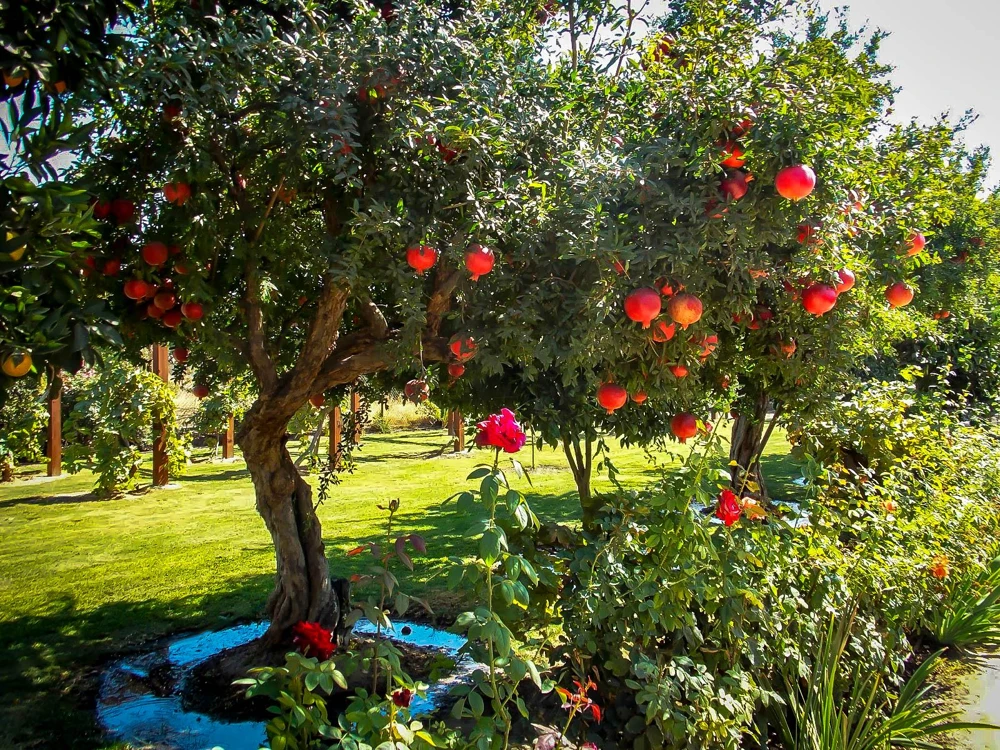
- Ornamental Appeal: Beyond its fruit, the Salavatski Russian Pomegranate Tree offers attractive foliage and vibrant orange-red flowers in spring, adding ornamental beauty to your landscape.
- Drought Tolerance: Once established, this pomegranate variety exhibits good drought tolerance, reducing the need for frequent watering and making it a more sustainable choice for many regions.
- Rich in Nutrients: Pomegranates are packed with antioxidants, vitamins, and minerals, offering significant health benefits when incorporated into your diet.
Plant Care & Growing Tips
Caring for your Salavatski Russian Pomegranate Tree is straightforward, especially given its inherent hardiness. To ensure optimal growth and fruit production for your cold hardy pomegranate, understanding its basic needs is crucial. This variety thrives in full sun, requiring at least 6-8 hours of direct sunlight daily for the best fruit set and development. Choose a location in your garden that receives ample sun exposure throughout the day. While it is tolerant of various soil types, well-draining soil is paramount to prevent root rot. A slightly acidic to neutral pH (6.0-7.0) is ideal. Amending heavy clay soils with organic matter like compost can significantly improve drainage and fertility.
Watering should be consistent, especially during the first year of establishment. Water deeply 2-3 times a week, ensuring the soil remains moist but not waterlogged. Once established, the Salavatski Russian Pomegranate Tree becomes more drought-tolerant, but regular watering during dry spells, particularly when fruits are developing, will lead to larger and juicier pomegranates. Fertilize in early spring with a balanced slow-release fertilizer or an organic option rich in nitrogen, phosphorus, and potassium. Avoid over-fertilizing, which can promote leafy growth at the expense of fruit. Pruning is best done in late winter or early spring before new growth begins, focusing on removing dead, damaged, or crossing branches to maintain an open canopy and promote air circulation. This also helps with the overall health and productivity of your Punica granatum Salavatski.
The Salavatski Russian Pomegranate Tree is remarkably resilient to pests and diseases, but occasional issues like aphids or scale can occur. Monitor your plant regularly and address any problems promptly with appropriate organic or chemical controls. Protecting young trees in the coldest parts of their hardiness range (USDA zones 6-7) during severe winter snaps can involve mulching heavily around the base or wrapping the trunk with burlap. With proper care, your Russian pomegranate plant will provide years of delicious fruit and ornamental beauty.
Size & Details
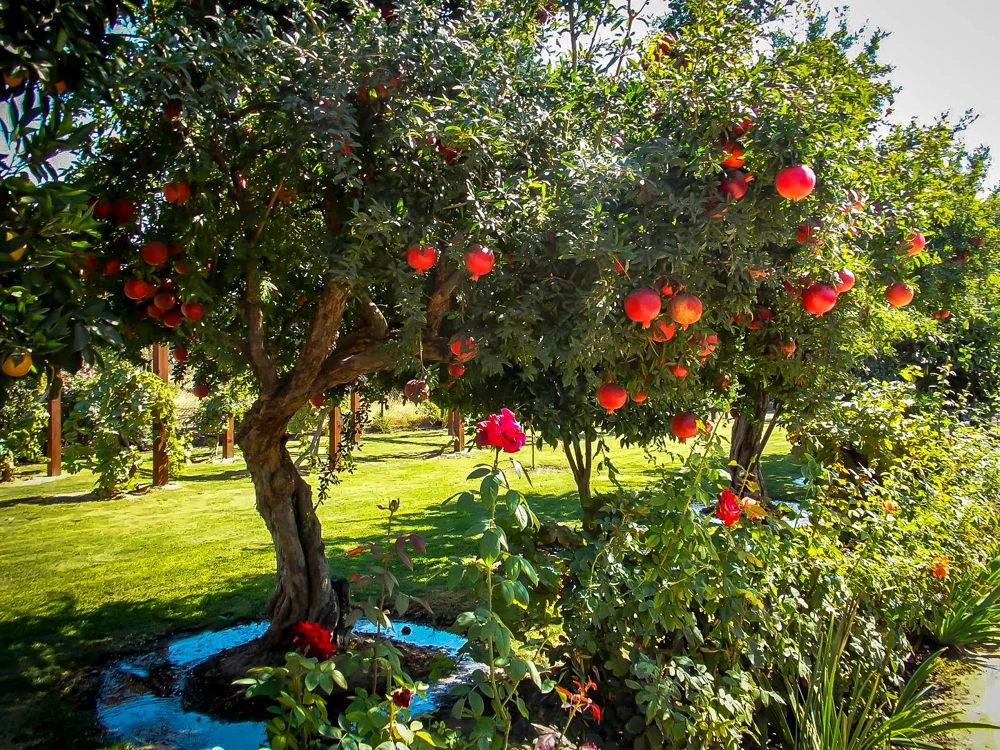
This offering is for a Salavatski Russian Pomegranate Tree live plant, typically shipped as a bare root specimen or in a small nursery pot, ready for planting. The exact size will vary depending on the time of year and growth stage, but plants are generally robust starter plants, often 1-2 feet in height at shipment, allowing for easier establishment. Pomegranate trees are naturally multi-stemmed shrubs but can be trained into a single-trunk tree form. The mature size of a Salavatski Russian Pomegranate Tree can reach 10-15 feet tall and wide, though it can be kept smaller with regular pruning, making it suitable for various garden sizes and even large containers.
The ‘Salavatski’ variety is known for its relatively fast growth rate, especially once established. Fruit production typically begins within 2-3 years after planting, with increasing yields as the tree matures. This cold hardy pomegranate is an excellent long-term investment for any gardener in USDA zones 6-9, seeking to add a unique and productive fruit tree to their landscape. Ensure you provide adequate space for its mature size or plan for regular pruning to manage its growth. This is an exceptional opportunity for growing pomegranate in cold climates.
Frequently Asked Questions
- Q: How big does this Salavatski Russian Pomegranate Tree get? A: A mature Salavatski Russian Pomegranate Tree can reach an average height and spread of 10-15 feet. However, its size can be managed with regular pruning to fit smaller garden spaces or large containers.
- Q: Is this an indoor or outdoor plant? A: The Salavatski Russian Pomegranate Tree is primarily an outdoor plant, especially prized for its ability to thrive in USDA zones 6-9. While young plants can be overwintered indoors in colder zones, it performs best when planted directly in the ground in suitable climates.
- Q: How much sunlight does it need? A: This cold hardy pomegranate requires full sun, meaning at least 6-8 hours of direct sunlight per day, for optimal growth and fruit production. Choosing a sunny location is key to a successful harvest.
- Q: Is this plant easy to care for? A: Yes, the Salavatski Russian Pomegranate Tree is considered relatively easy to care for, especially given its cold hardiness and drought tolerance once established. Consistent watering during establishment and annual pruning are the main requirements.
- Q: What condition will it arrive in? A: Your Salavatski Russian Pomegranate Tree will typically arrive as a live starter plant, often bare root or in a small nursery pot, carefully packaged to ensure its health during transit. Instructions for planting will be included.
- Q: How long until it produces fruit? A: Under ideal growing conditions, you can expect your Punica granatum Salavatski to start producing fruit within 2-3 years after planting, with yields increasing significantly as the tree matures.
- Q: Will it survive winter in my zone? A: The Salavatski Russian Pomegranate Tree is cold hardy in USDA zones 6-9, capable of surviving temperatures as low as 5°F and potentially below 0°F with protection. If you are in zone 6 or 7, consider providing winter protection for young plants.
- Q: What’s the best soil for growing pomegranate in cold climates? A: Pomegranates prefer well-draining soil with a slightly acidic to neutral pH. Amending heavy clay soils with organic matter will improve drainage, which is crucial for healthy root development.
- Q: Can I grow this Russian pomegranate plant in a pot? A: Yes, the Salavatski Russian Pomegranate Tree can be grown in a large container, especially in colder zones where it can be moved indoors for winter protection. Ensure the pot has excellent drainage and is sufficiently large to accommodate root growth.
Be the first to review “Salavatski Russian Pomegranate Tree Live Plant – Cold Hardy Punica granatum – USDA Zones 6-9”
People Also Viewed


Vegetable Seeds
Vegetable Seeds
Tiger’s Eye Bean Seeds – 25 Heirloom Bush Bean Seeds with Speckled Pods, Nutty Flavor
Vegetable Seeds
Scarlett Runner Bean Seeds – 20 Count – Attracts Hummingbirds
Reviews
There are no reviews yet.