
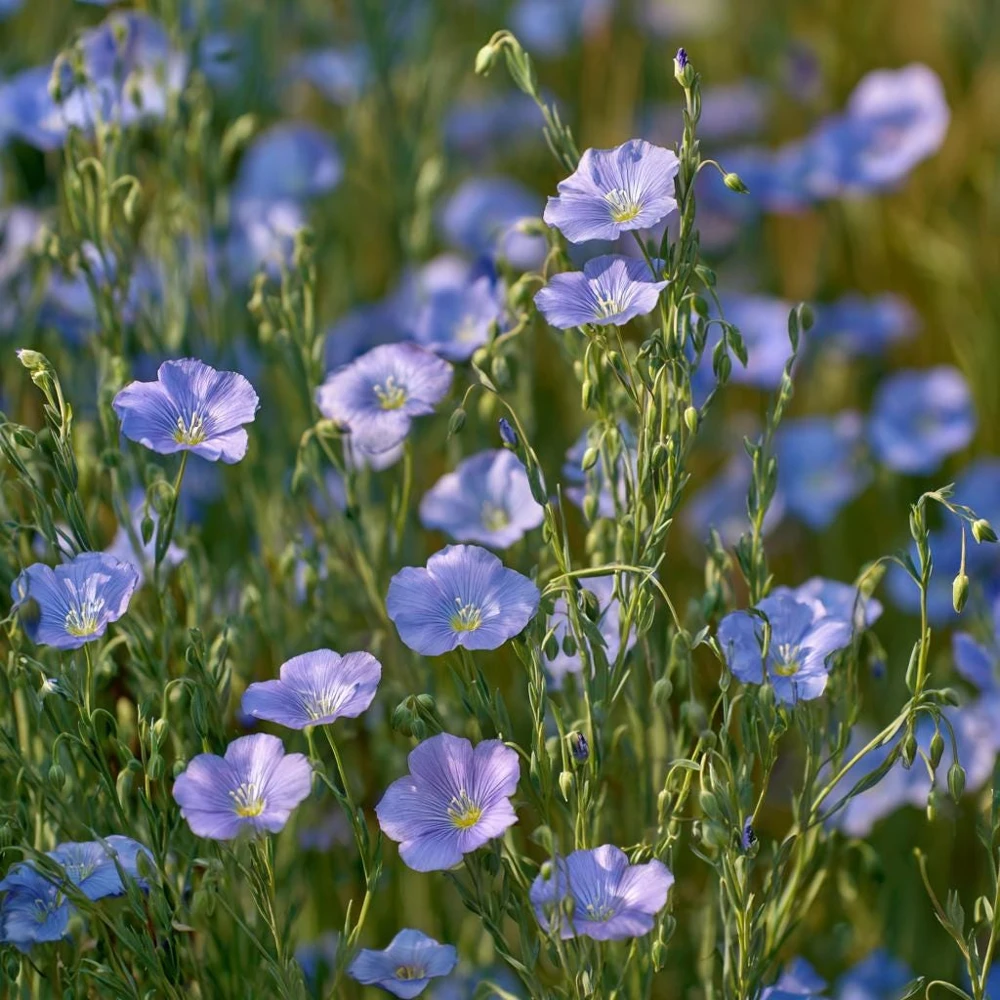
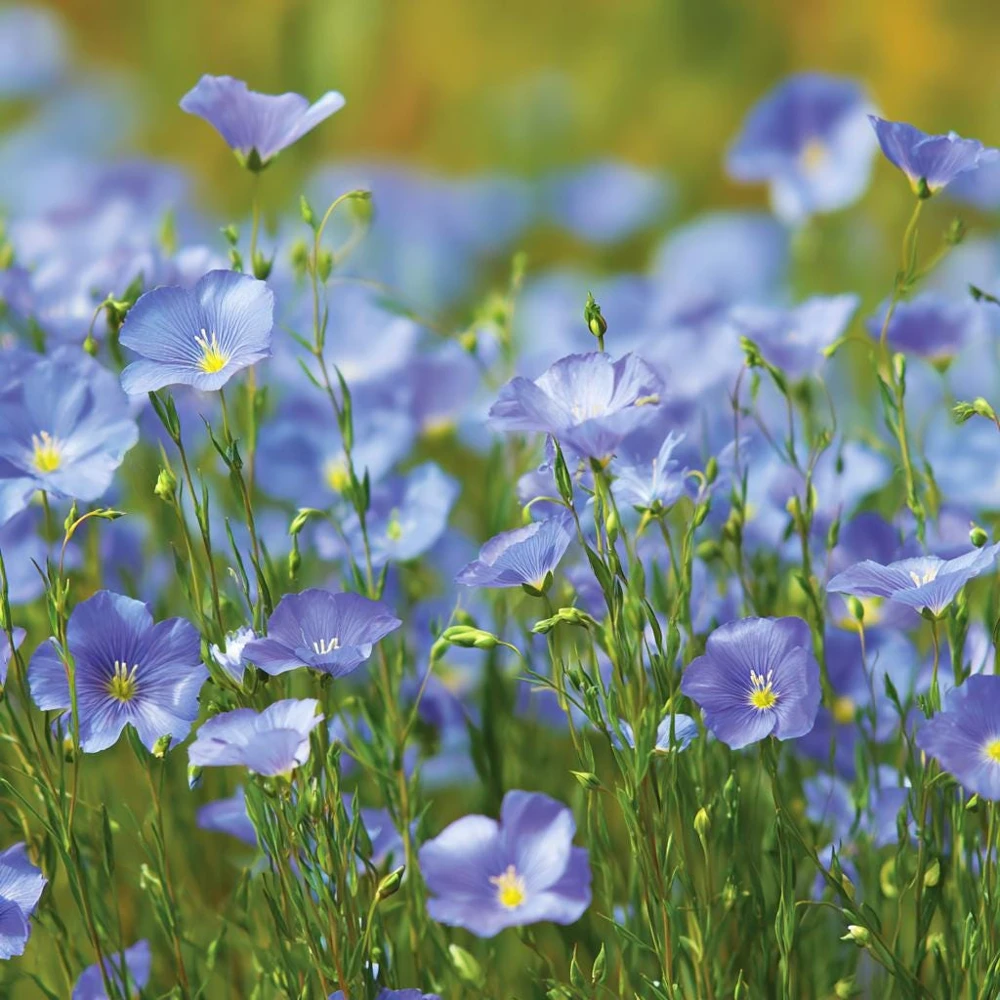
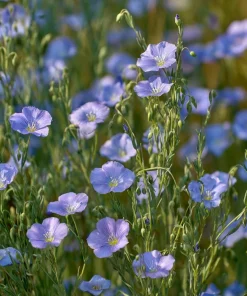
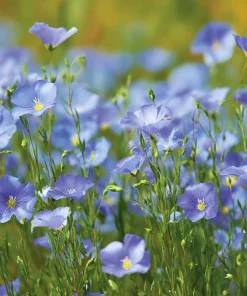
Blue Flax Wildflower Seeds – 350 Linum Perenne Seeds, Pollinator-Friendly
Original price was: $31.99.$11.99Current price is: $11.99.
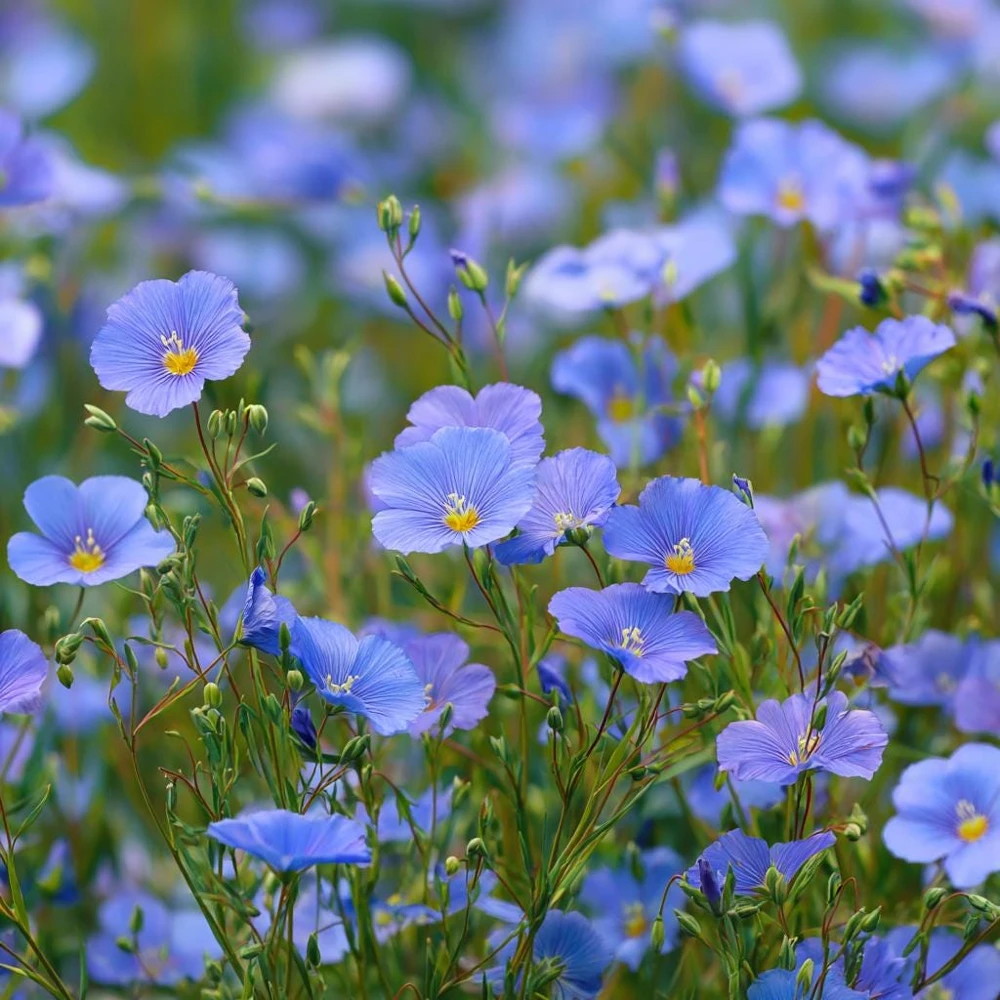
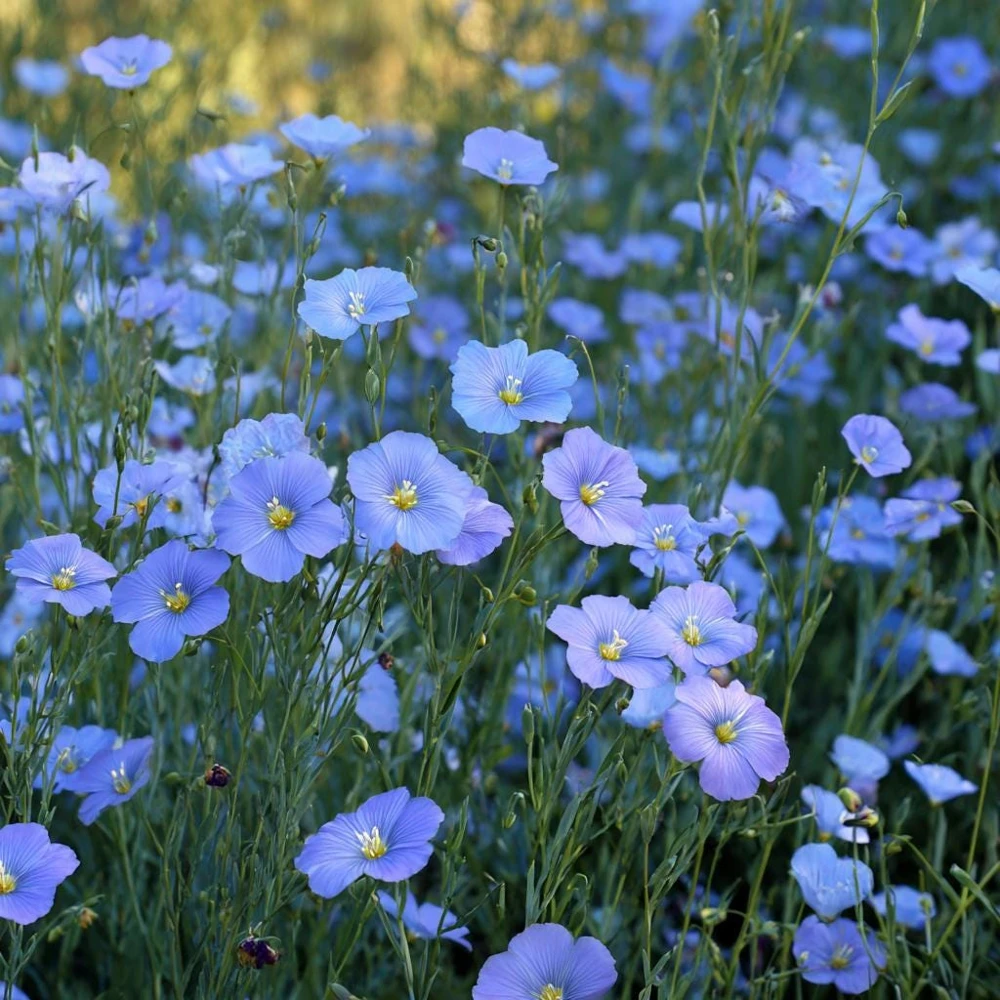
Cultivate stunning blue flax seeds (Linum perenne seeds) in your garden. This packet contains approximately 350 blue flax wildflower seeds, perfect for creating beautiful, pollinator-friendly seeds landscapes. Enjoy delicate sky-blue blooms and a low-maintenance, drought-tolerant perennial.
Estimated arrival
Oct 13
Oct 18 - Oct 20
Oct 23 - Oct 27
Shop With Confidence
30-Day Plant Health Guarantee
Arrives damaged? We’ll replace it free — see our return policy.
Responsive Support
Email us anytime, we reply within 1 business day.
Expert Packaging
Temperature-controlled shipping to protect your plants in transit.
Secure Checkout
Pay safely with Visa, Mastercard, PayPal.
Plant Specifications
-
USDA Hardiness Zone
USDA zones 3-9 -
Soil Type
Well-draining soil -
Sunlight Exposure
Full sun -
Expected Planting Period
Early spring or fall
Overview
Discover the enchanting beauty of blue flax seeds, an exceptional choice for gardeners seeking to add serene, sky-blue hues to their landscape. This packet provides approximately 350 blue flax wildflower seeds (Linum perenne), enabling you to cultivate a patch of delicate, graceful blooms that will transform your garden into a haven of natural elegance. Ideal for meadows, borders, and naturalized areas, these seeds promise a display of ethereal flowers that dance gently in the breeze. Known for its ease of growth and captivating appearance, blue flax is a perennial favorite that returns year after year, offering continuous charm with minimal effort. It is a fantastic option for those looking for perennial wildflower seeds that provide long-lasting beauty.
Originating from temperate regions, Linum perenne, commonly known as blue flax, is a hardy and adaptable plant. Its slender stems and delicate foliage create an airy texture, while its vibrant blue flowers, each lasting for a single day, are quickly replaced by new buds, ensuring a prolonged blooming season. These seeds are perfect for creating an informal, naturalistic garden style or softening the edges of more structured beds. Embrace the simplicity and enduring allure of this magnificent wildflower, and watch your garden come alive with its gentle splendor.
Key Benefits
Planting blue flax seeds offers a multitude of advantages for both the gardener and the environment. These perennial wildflower seeds are not just about aesthetics; they contribute significantly to ecological balance and garden health.
- Attracts Pollinators: The delicate, bright blue flowers are a magnet for bees, butterflies, and other beneficial insects, making it an excellent choice for a pollinator-friendly seeds garden. Supporting pollinators is crucial for ecosystem health and biodiversity.
- Low Maintenance: Once established, Linum perenne is remarkably drought-tolerant and requires very little care. This makes it an ideal plant for busy gardeners or those looking for sustainable landscaping solutions.
- Extended Blooming Season: Blue flax typically blooms from late spring through summer, providing a continuous display of color. The individual flowers are short-lived, but new blooms open daily, ensuring a consistent show.
- Versatile Landscaping: Perfect for wildflower meadows, rock gardens, borders, and naturalized areas. Its airy texture complements many different garden styles, adding a touch of wild beauty wherever it grows.
- Erosion Control: Its fibrous root system helps to stabilize soil, making it useful in areas prone to erosion or on slopes.
- Deer Resistant: Blue flax is generally not favored by deer, offering a resilient option for gardens in areas with deer populations.
- Easy to Grow from Seed: These Linum perenne seeds germinate readily and grow into robust plants, making them a rewarding project for gardeners of all skill levels. Learning how to grow blue flax is straightforward and enjoyable.
Plant Care & Growing Tips
Successfully growing blue flax seeds involves understanding their basic needs for sunlight, soil, and water. These perennial wildflower seeds are relatively forgiving, but providing optimal conditions will ensure a more vigorous and abundant display of their charming blue flowers. For best results, sow seeds directly into your garden in early spring after the last frost or in the fall.
Blue flax thrives in full sun, meaning it needs at least 6-8 hours of direct sunlight per day. While it can tolerate some partial shade, too little sun may result in leggy growth and fewer blooms. The ideal soil for Linum perenne is well-draining soil, preferably sandy or loamy. It does not perform well in heavy clay soils that retain too much moisture. Good drainage is crucial to prevent root rot. When sowing, lightly press the blue flax seeds into the soil surface; they require light for germination, so avoid covering them deeply. Keep the soil consistently moist until seedlings emerge, which typically takes 14-28 days. Once established, blue flax is quite drought-tolerant and will only need occasional watering during prolonged dry spells. Overwatering should be avoided. Regarding fertilization, blue flax generally does not require heavy feeding. A light application of a balanced, slow-release fertilizer in spring can be beneficial, but it’s often unnecessary in fertile soil. Deadheading spent flowers can encourage a longer blooming period, though it’s not strictly required for the plant’s health. The plant is hardy in USDA zones 3-9, tolerating a wide range of climates. Understanding how to grow blue flax successfully ensures a beautiful, thriving patch of wildflowers.
Size & Details
This packet contains approximately 350 blue flax wildflower seeds, offering ample opportunity to establish a significant planting area. Once mature, individual blue flax plants typically grow to a height of 18 to 24 inches with a spread of about 12 to 18 inches, creating a delicate, airy mound. These Linum perenne seeds will develop into plants that feature slender, graceful stems and fine, needle-like leaves, contributing to their overall delicate appearance. The blue flowers are about 1 inch in diameter. Blue flax has a moderate growth rate, establishing itself well within the first growing season and flowering reliably in subsequent years as a true perennial. The seeds are shipped in a protective packet, ensuring their viability upon arrival. Expect blooms from late spring through summer, with peak flowering in early summer. These perennial wildflower seeds are perfect for creating naturalized areas.
Frequently Asked Questions
- Q: How big does this plant get? A: Blue flax typically grows to a height of 18 to 24 inches (45-60 cm) with a spread of about 12 to 18 inches (30-45 cm). Its slender, upright habit makes it ideal for adding vertical interest without being overly bulky.
- Q: Is this an indoor or outdoor plant? A: Blue flax seeds are intended for outdoor cultivation. They thrive in full sun and are best suited for gardens, meadows, and naturalized landscapes where they can receive ample light and space to grow.
- Q: How much sunlight does it need? A: Blue flax requires full sun, meaning at least 6-8 hours of direct sunlight per day, to produce the most abundant blooms. It can tolerate some partial shade, but flowering may be reduced.
- Q: Is this plant easy to care for? A: Yes, blue flax is considered a very low-maintenance plant once established. It is drought-tolerant and generally disease and pest resistant, making it an excellent choice for beginner gardeners or those seeking easy-care options.
- Q: What condition will the seeds arrive in? A: The Linum perenne seeds will arrive in a sealed packet, protected to ensure their viability. They are dry and ready for planting according to the provided instructions.
- Q: When is the best time to plant blue flax seeds? A: The best time to plant blue flax seeds is in early spring after the last frost, or in the fall. Fall planting allows the seeds to stratify naturally over winter and emerge vigorously in spring.
- Q: Will it survive winter in my zone? A: Blue flax is a hardy perennial, typically thriving in USDA zones 3-9. It is well-adapted to cold winters and will return each spring in these zones.
- Q: Are these seeds good for attracting pollinators? A: Absolutely! These are excellent pollinator-friendly seeds. The delicate blue flowers are highly attractive to bees, butterflies, and other beneficial insects, making them a great addition to any pollinator garden.
- Q: How long until it blooms after planting? A: When planted in spring, blue flax can start blooming in its first year, typically in late spring to early summer. From seed to first bloom usually takes about 2-3 months.
- Q: What type of soil does blue flax prefer? A: Blue flax prefers well-draining soil, such as sandy or loamy types. It’s crucial to avoid heavy clay soils that retain too much moisture, as this can lead to root issues.
Be the first to review “Blue Flax Wildflower Seeds – 350 Linum Perenne Seeds, Pollinator-Friendly”
People Also Viewed
Uncategorized
Succulents
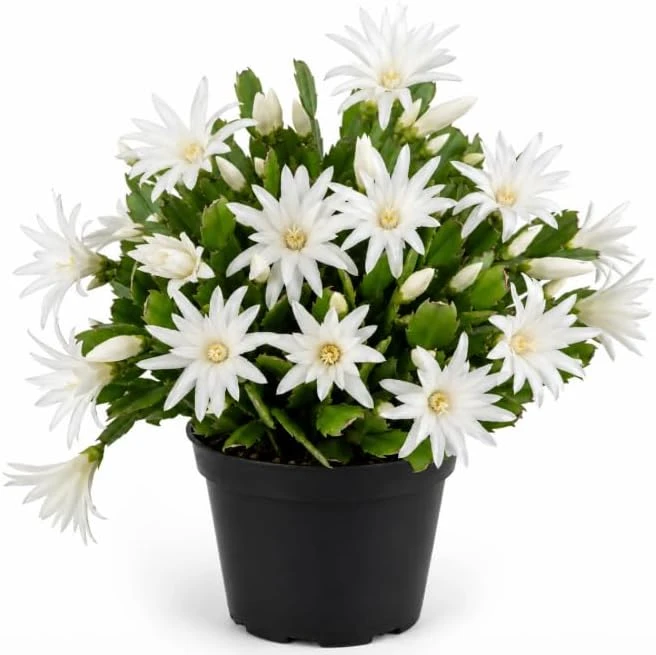
White Easter Cactus Live Plant – Spring Blooming Succulent – 4-6 Inch Tall – Indoor/Outdoor
Reviews
There are no reviews yet.