
5 Mullein Plants – Verbascum Thapsus Organic Bare Root Wildflower – Native
Original price was: $79.99.$54.99Current price is: $54.99.
Cultivate 5 mullein plant bare root specimens, scientifically known as Verbascum thapsus. These organic, native wildflowers feature distinctive fuzzy leaves and can produce impressive tall yellow flower spikes, attracting pollinators to your garden.
Estimated arrival
Sep 29
Oct 04 - Oct 06
Oct 09 - Oct 13
Shop With Confidence
30-Day Plant Health Guarantee
Arrives damaged? We’ll replace it free — see our return policy.
Responsive Support
Email us anytime, we reply within 1 business day.
Expert Packaging
Temperature-controlled shipping to protect your plants in transit.
Secure Checkout
Pay safely with Visa, Mastercard, PayPal.
Plant Specifications
-
USDA Hardiness Zone
USDA zones 3-9 -
Soil Type
Well-draining soil -
Sunlight Exposure
Full sun -
Expected Planting Period
Early spring to fall
Overview
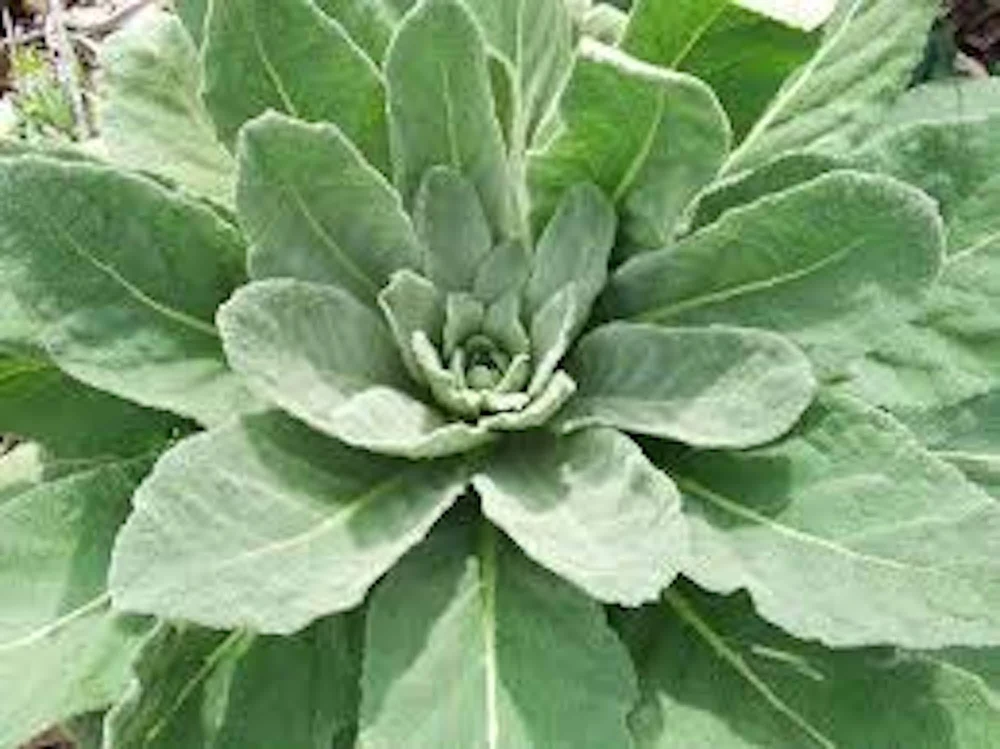
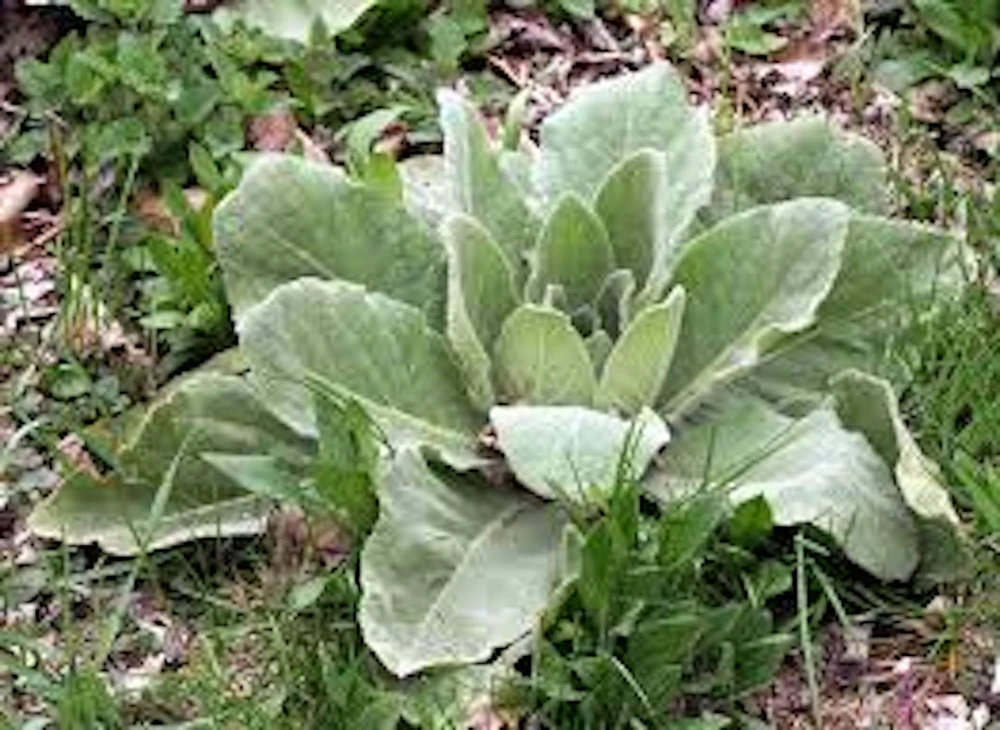
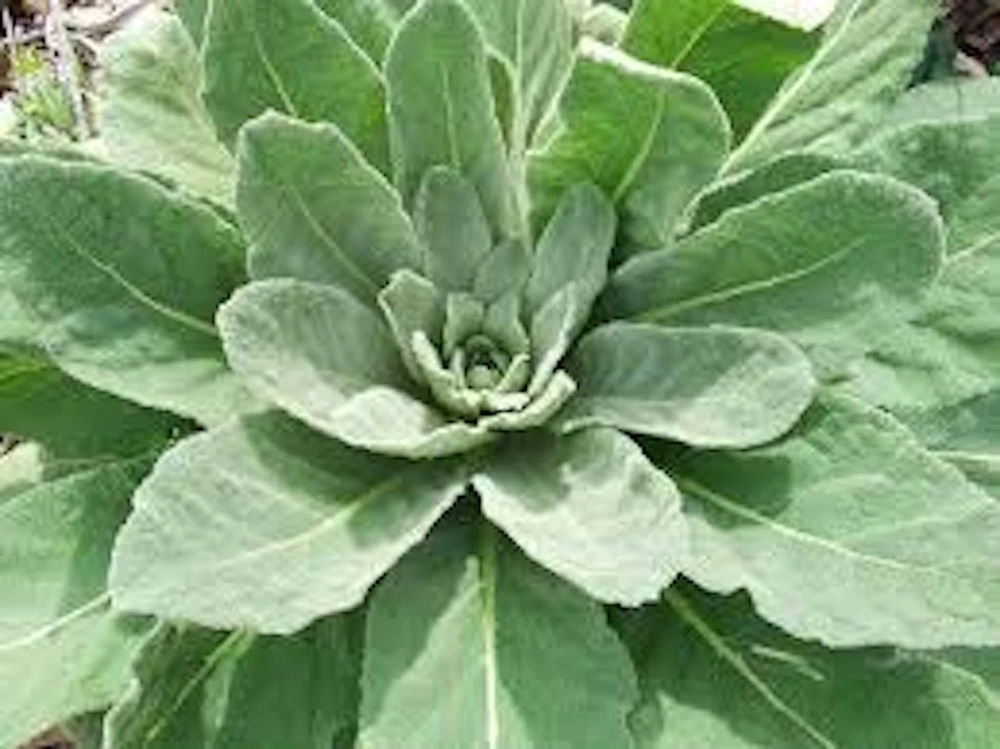
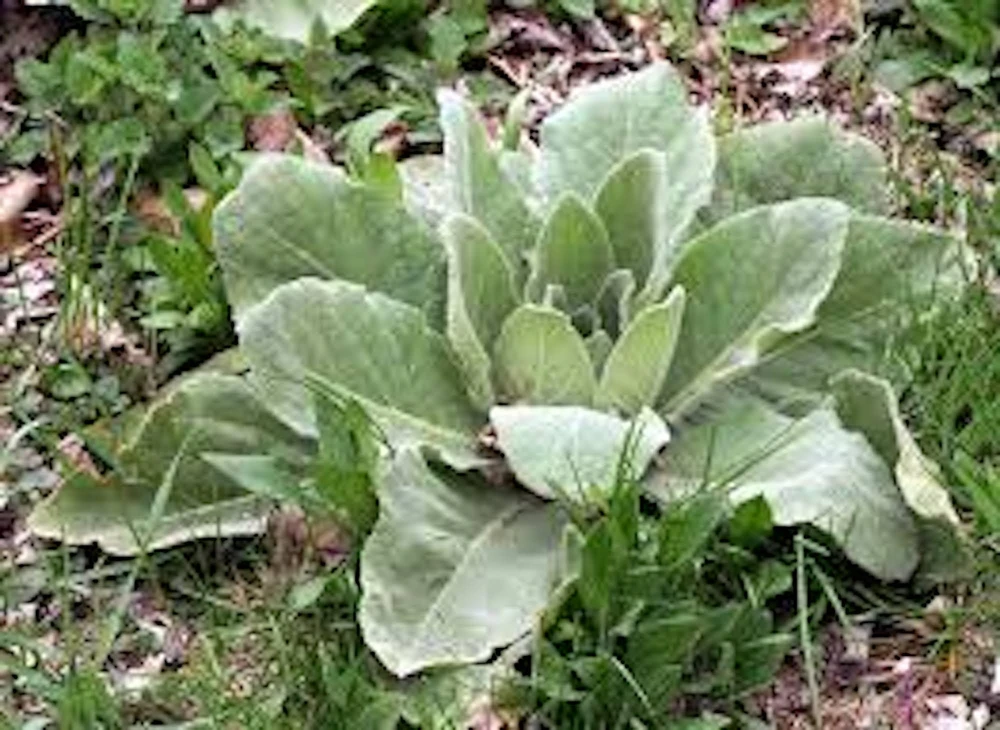
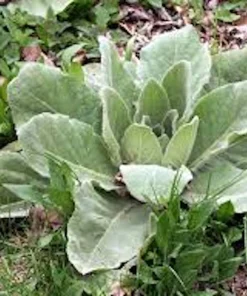
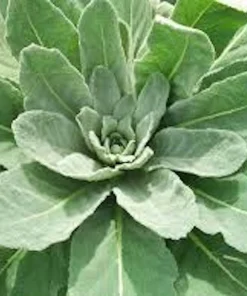
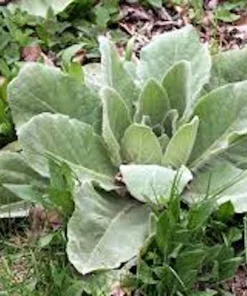
Bring the beauty of native wildflowers to your landscape with this offering of 5 mullein plant bare root specimens. Scientifically identified as Verbascum thapsus, the mullein plant is a striking biennial or short-lived perennial herb renowned for its unique appearance and resilience. During its first year, it forms a captivating rosette of broad, velvety leaves that can extend up to a foot in length. These oval to lance-shaped leaves are covered in fine, soft hairs, giving them a distinctive fuzzy texture and a silvery-green hue. As an organic Verbascum thapsus offering, these bare roots provide a natural and sustainable way to introduce this fascinating plant into your garden or naturalized areas.
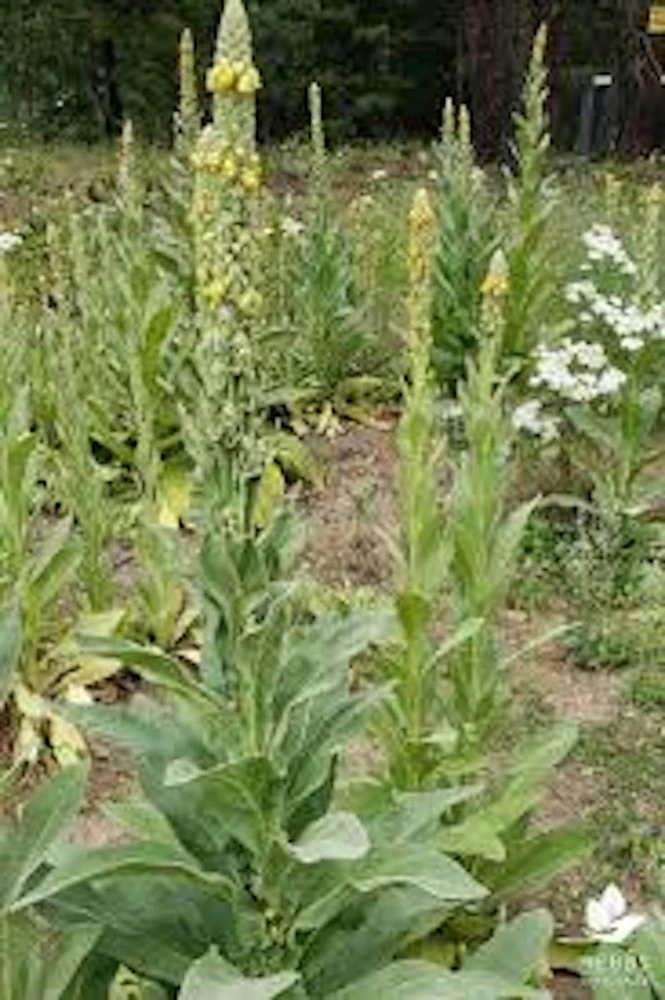
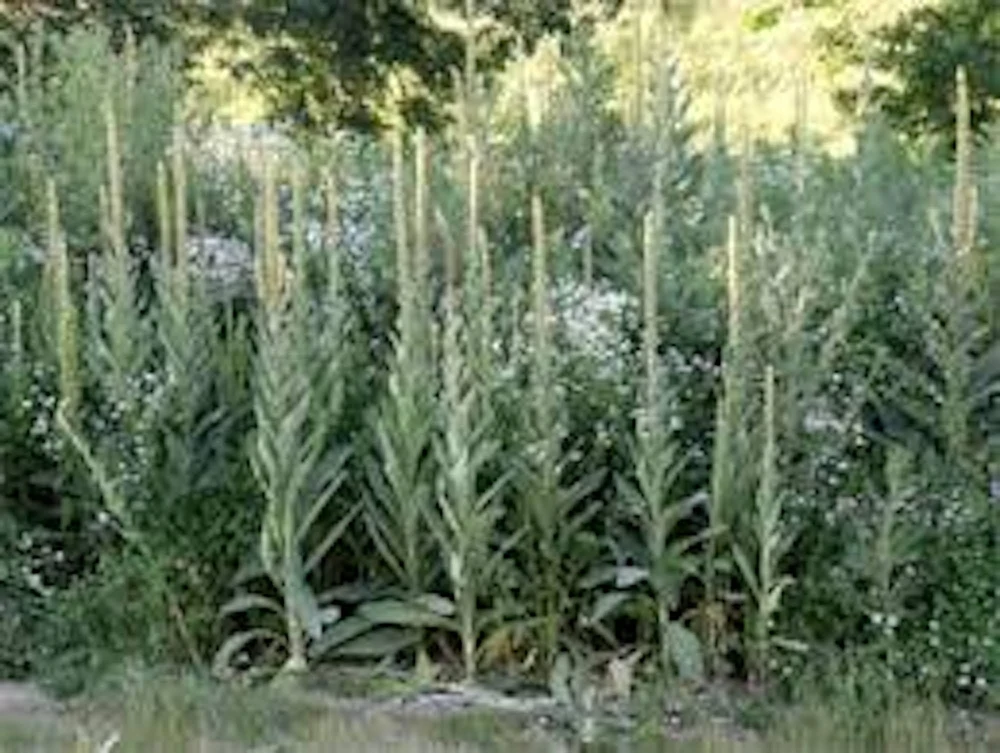
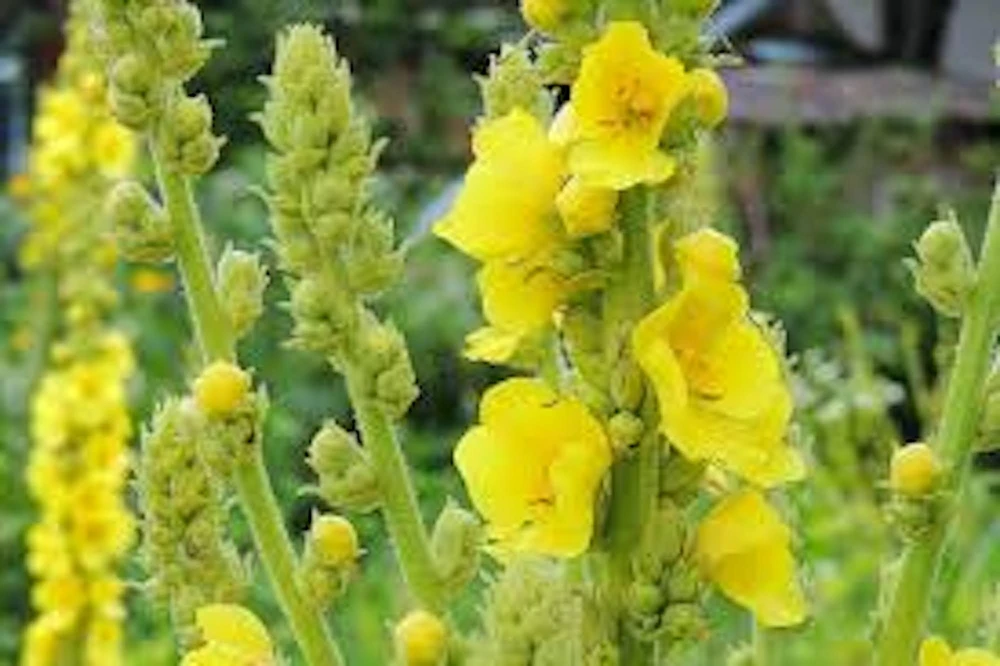
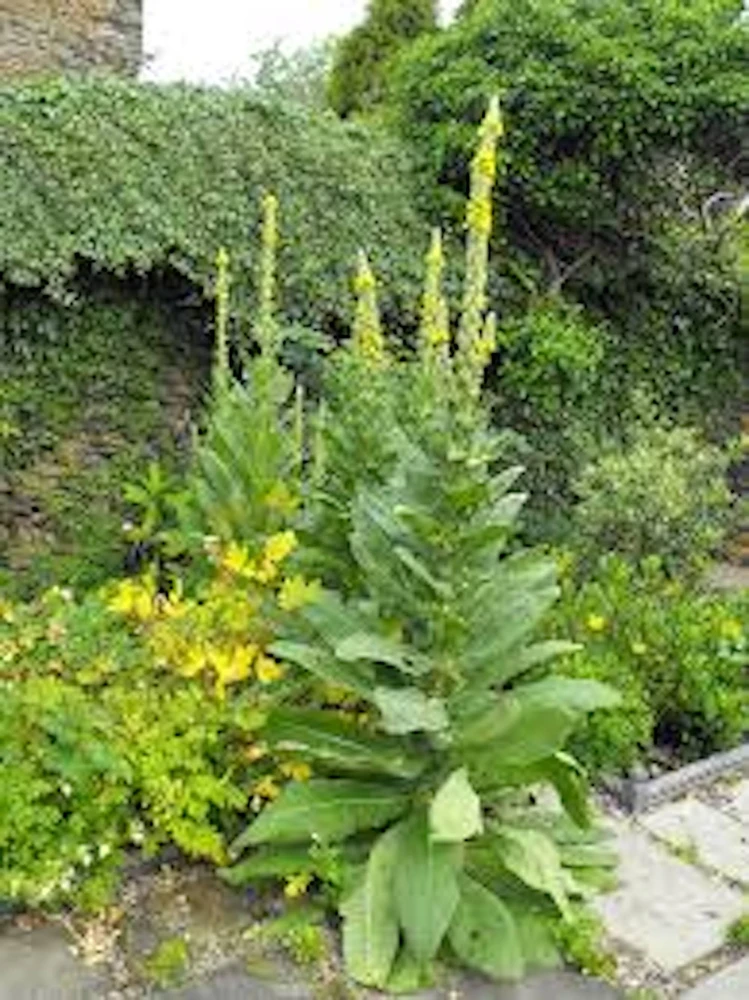
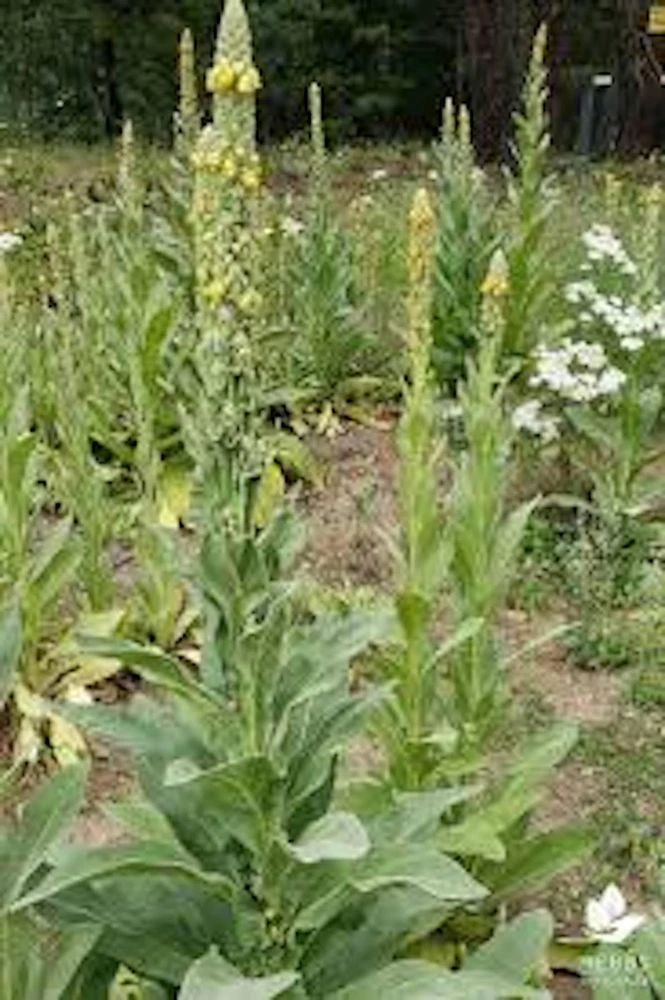
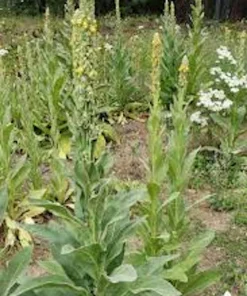
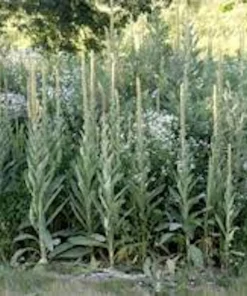
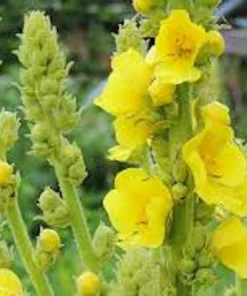
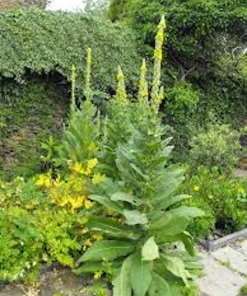
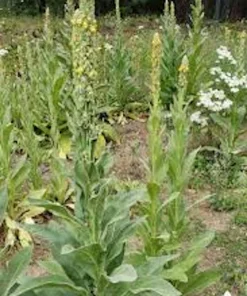
In its second year, the mullein plant undergoes a dramatic transformation, sending up a tall, sturdy flower spike that can reach an impressive height of 3 to 8 feet. This spike is adorned with clusters of small, star-like yellow flowers that bloom progressively from the bottom upwards throughout the summer. Each flower, with its five petals and central stamens, creates a vibrant visual display that attracts various beneficial pollinators like bees and butterflies, contributing to the biodiversity of your outdoor space. This native wildflower mullein thrives in disturbed soils, meadows, and along roadsides, making it an excellent choice for naturalistic plantings or areas where you desire a resilient, low-maintenance plant.
These mullein plants are shipped as bare root specimens, meaning they arrive without foliage or soil, ready for planting directly into your garden. This method ensures robust plant establishment and minimal transplant shock, allowing the plant to focus its energy on developing a strong root system. Whether you’re looking to enhance a pollinator garden, establish a naturalized area, or simply admire its unique form, the mullein plant offers both aesthetic appeal and ecological benefits.
Key Benefits
Adding the mullein plant bare root to your garden offers a wealth of advantages, from its striking appearance to its ecological contributions and ease of care. This versatile plant is a fantastic choice for various garden styles and objectives.
- Distinctive Visual Appeal: The mullein plant provides year-round interest with its large, velvety basal rosette in its first year and its towering, bright yellow flower spike in its second. Its unique silhouette and fuzzy leaves make it a standout in any garden setting.
- Attracts Pollinators: The vibrant yellow flowers are a magnet for bees, butterflies, and other beneficial insects, supporting local ecosystems and enhancing the health of your garden. This makes Verbascum thapsus organic a great choice for eco-conscious gardeners.
- Low Maintenance & Resilient: Once established, mullein is incredibly drought-tolerant and requires minimal care. It thrives in challenging conditions, making it perfect for gardeners seeking a hardy and self-sufficient plant.
- Native Wildflower Benefits: As a native wildflower mullein, it is perfectly adapted to local climates and soils, requiring less water and fewer interventions than non-native species. It supports local wildlife and contributes to natural habitat restoration.
- Unique Texture with Fuzzy Leaves: The soft, fuzzy texture of the leaves, due to fine hairs, is not only visually appealing but also helps the plant retain moisture, enhancing its resilience in drier conditions. This characteristic defines the fuzzy leaf mullein.
- Versatile Landscape Use: Ideal for naturalized areas, meadows, cottage gardens, or even as a striking architectural element in borders. Its ability to thrive in disturbed soils makes it a good candidate for challenging spots.
- Organic Growth: These bare root plants are grown organically, ensuring you’re introducing healthy, chemical-free specimens into your garden environment.
Plant Care & Growing Tips
Caring for your mullein plant bare root is straightforward, as this resilient native wildflower is known for its adaptability and low maintenance requirements. Upon arrival, carefully unpack your bare roots. Dig a hole wide enough to spread the roots out naturally and deep enough so that the crown (where the roots meet the stem) is at soil level. Backfill with soil, gently firming around the roots to remove air pockets, and water thoroughly. Initial watering is crucial for establishment, but once settled, mullein is quite self-sufficient.
The mullein plant thrives in full sun, requiring at least 6-8 hours of direct sunlight per day to produce its most robust growth and abundant flowering spikes. It prefers well-drained soil and can tolerate a variety of soil types, including poor, rocky, or sandy soils. Avoid heavy, waterlogged conditions, as this can lead to root rot. Good drainage is key to successfully growing mullein plants. Once established, watering can be infrequent, as the plant is highly drought-tolerant. Fertilization is generally not necessary, especially in garden soil, as it prefers lean conditions. If your soil is extremely poor, a light application of a balanced organic fertilizer in the spring can be beneficial.
Mullein is typically hardy in USDA zones 3-9, making it suitable for a wide range of climates across the United States. It’s a biennial, meaning it grows leaves in its first year and flowers and sets seed in its second year before dying back. However, it readily self-seeds, ensuring a continuous presence in your garden if allowed to drop seeds. Pests and diseases are rarely a problem for this robust plant. Deadheading spent flower spikes can prevent excessive self-seeding if desired, but allowing some seeds to drop will ensure new plants for future seasons. Understanding how to plant and care for Verbascum thapsus organic specimens will lead to a thriving display.
Size & Details
This offering includes 5 mullein plant bare root specimens of Verbascum thapsus. These bare roots are dormant and shipped without foliage or soil, ready for immediate planting upon arrival. Mullein plants typically grow into a large basal rosette in their first year, with leaves that can reach up to 12 inches in length. In their second year, they produce a single, towering flower stalk that can reach impressive heights of 3 to 8 feet, providing a dramatic vertical element to your garden. The width of the plant at its base can spread up to 1-2 feet.
These plants are considered fast-growing during their first year as they establish their root system and foliage. Flowering occurs in the second year, typically during the summer months, with small, vibrant yellow flowers. The bare root form ensures a strong start, as the plant focuses its energy on developing a robust root system before leafing out. This approach to growing mullein plants is efficient and effective for gardeners.
Frequently Asked Questions
- Q: How big does this plant get? A: In its first year, the mullein plant forms a basal rosette of leaves up to a foot long. In its second year, it sends up a flower spike that can reach an impressive 3 to 8 feet tall.
- Q: Is this an indoor or outdoor plant? A: Mullein (Verbascum thapsus) is an outdoor plant, best suited for gardens, meadows, and naturalized areas. It requires full sun and thrives in outdoor conditions.
- Q: How much sunlight does it need? A: This plant requires full sun, meaning at least 6-8 hours of direct sunlight per day, to achieve optimal growth and flowering.
- Q: Is this plant easy to care for? A: Yes, mullein is known for being very easy to care for. It’s drought-tolerant, adaptable to various soil types, and generally pest and disease resistant, making it ideal for beginners.
- Q: What condition will it arrive in? A: Your order will arrive as 5 mullein plant bare root specimens, meaning they are dormant, without soil or foliage, and ready for planting. This ensures healthy transport and robust establishment.
- Q: When is the best time to plant these bare roots? A: The best time to plant mullein bare roots is typically in early spring or fall, allowing them to establish before extreme summer heat or winter cold.
- Q: Will it survive winter in my zone? A: Mullein is hardy in USDA zones 3-9. If you are within these zones, it should successfully overwinter, forming a rosette in its first year and flowering in its second.
- Q: What kind of soil does fuzzy leaf mullein prefer? A: It thrives in well-drained soil and is tolerant of various soil types, including poor, sandy, or rocky conditions. Good drainage is more important than soil richness.
- Q: Does Verbascum thapsus organic attract wildlife? A: Yes, the yellow flowers of the mullein plant are very attractive to pollinators such as bees and butterflies, contributing to garden biodiversity.
- Q: How long until it blooms? A: Mullein is a biennial plant. It will typically grow foliage in its first year and then produce its tall flower spike and bloom in its second year.
Be the first to review “5 Mullein Plants – Verbascum Thapsus Organic Bare Root Wildflower – Native”
People Also Viewed

Uncategorized
Flower Seeds
Pasque Flower Seeds – 20 Count Heirloom Anemone patens wolfgangiana for Gardens & Pollinators
Reviews
There are no reviews yet.