
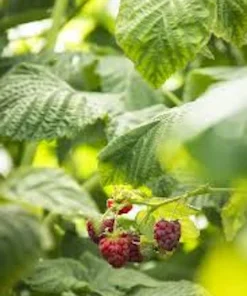
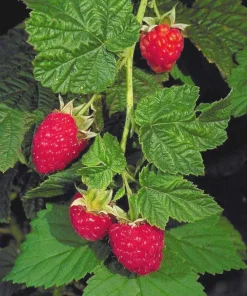

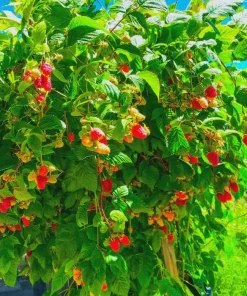
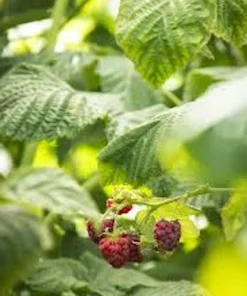
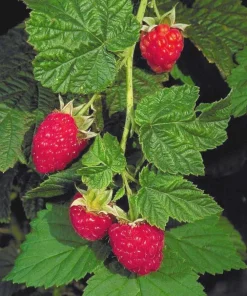
5 Canby Thornless Red Raspberry Starter Plug – Rubus idaeus – Live Plant for Zones 3-8
Original price was: $113.99.$88.99Current price is: $88.99.
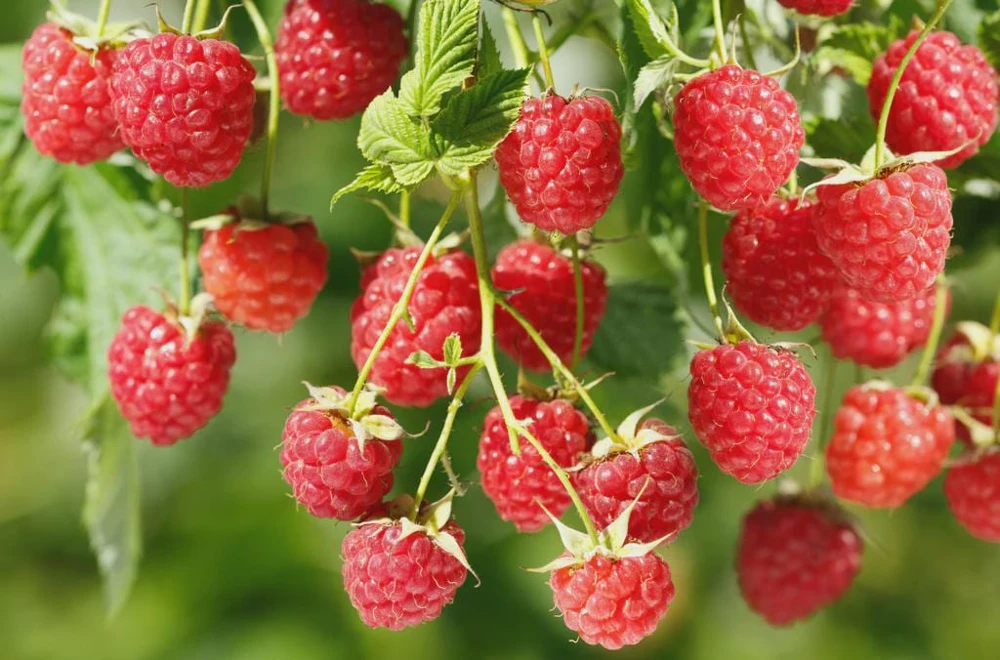
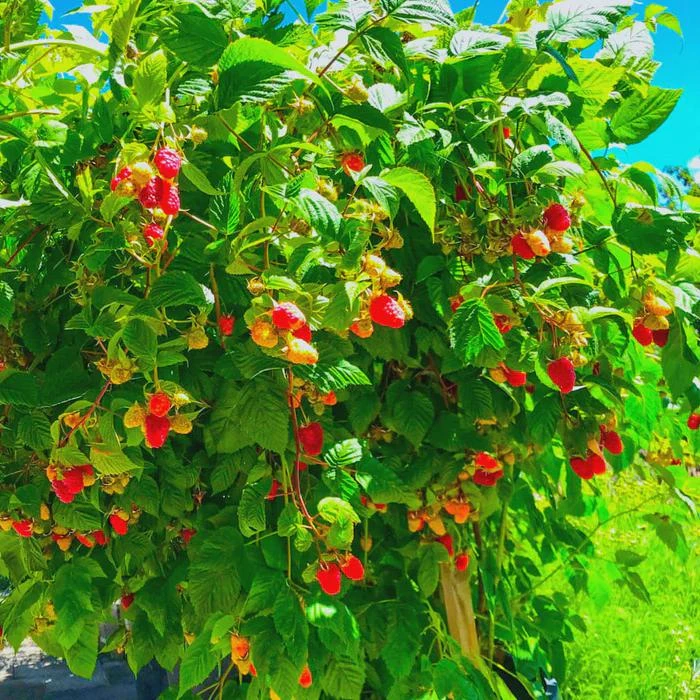
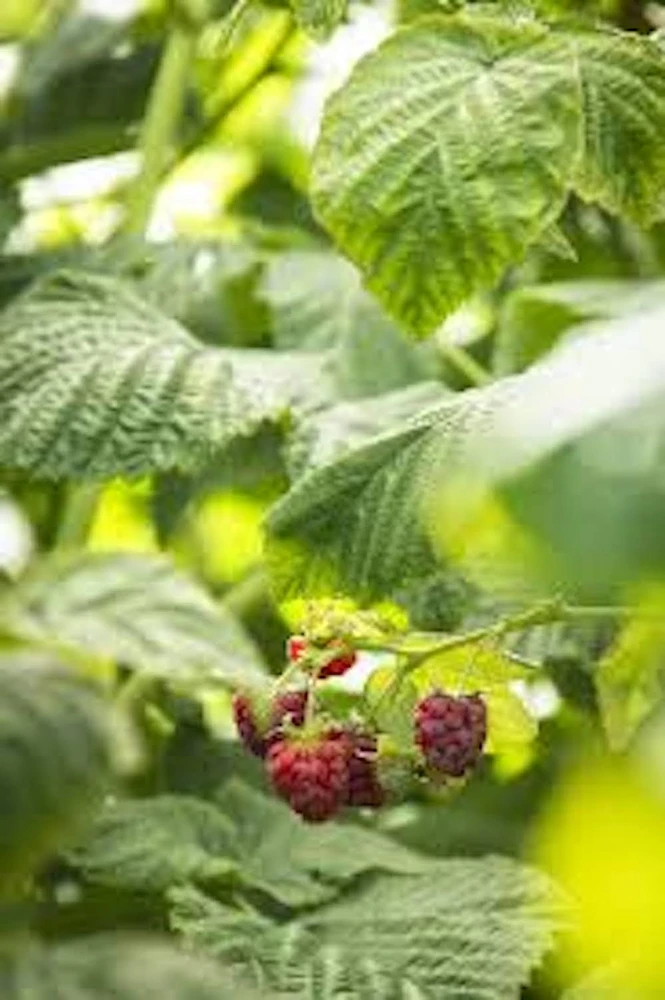
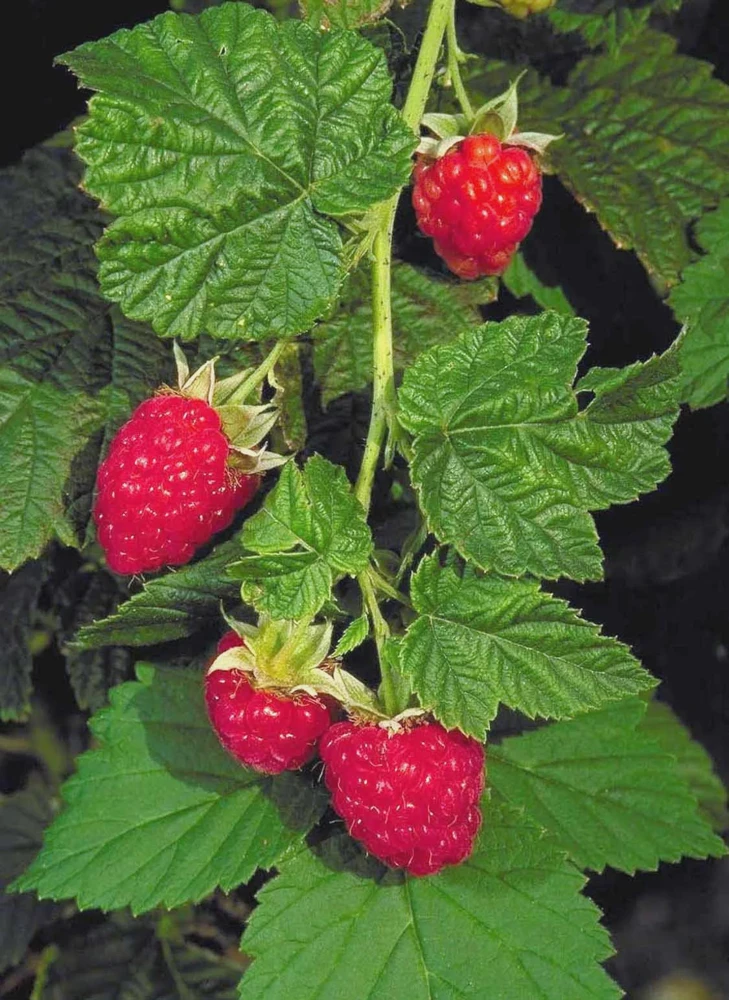
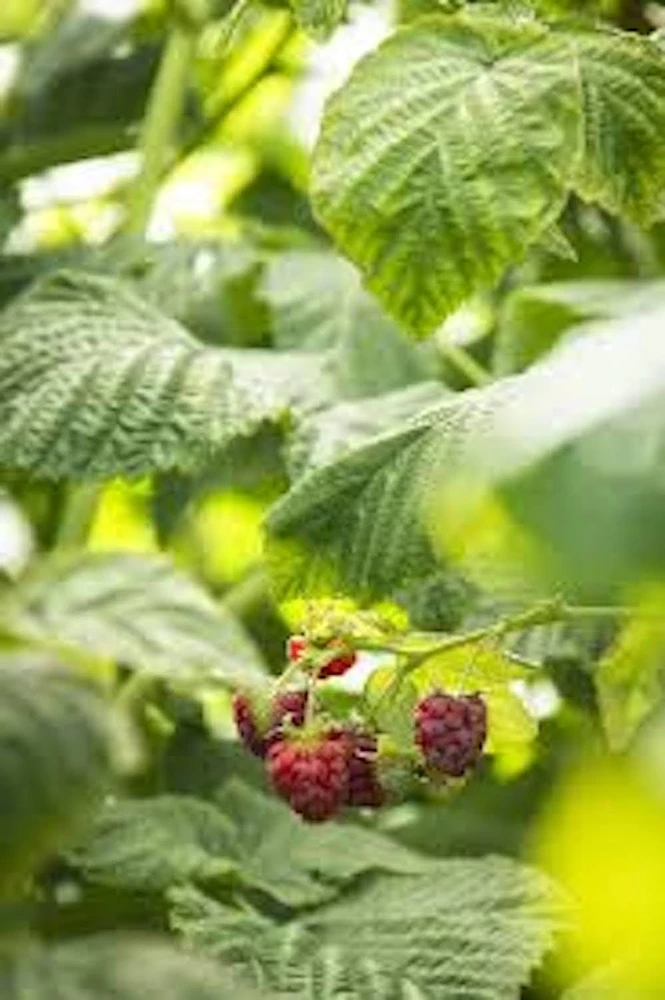
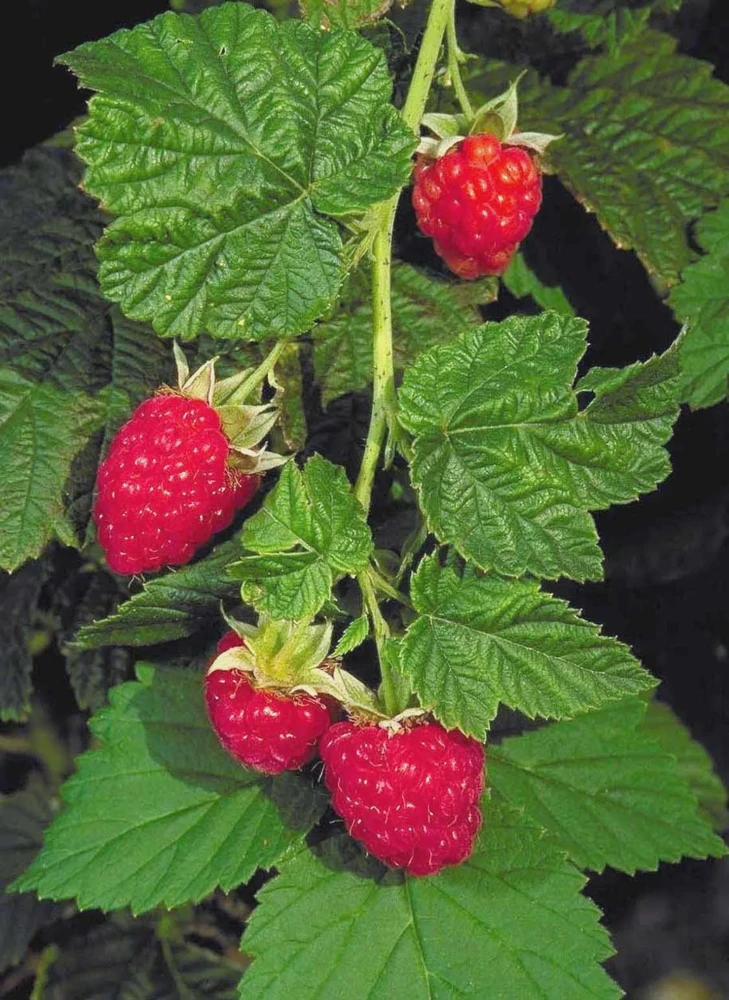
Cultivate your own sweet harvest with these 5 Canby thornless red raspberry starter plugs. This June-bearing, self-pollinating variety (Rubus idaeus ‘Canby’) is celebrated for its large, bright red fruit and nearly thornless canes, making harvesting a breeze. A vigorous and cold-hardy raspberry plant, it thrives in USDA zones 3 to 8, offering good resistance to common plant issues.
Estimated arrival
Sep 29
Oct 04 - Oct 06
Oct 09 - Oct 13
Shop With Confidence
30-Day Plant Health Guarantee
Arrives damaged? We’ll replace it free — see our return policy.
Responsive Support
Email us anytime, we reply within 1 business day.
Expert Packaging
Temperature-controlled shipping to protect your plants in transit.
Secure Checkout
Pay safely with Visa, Mastercard, PayPal.
Plant Specifications
-
USDA Hardiness Zone
USDA zones 3 to 8 -
Soil Type
Well-draining, rich, slightly acidic soil -
Sunlight Exposure
Full sun -
Expected Planting Period
Early spring
Overview
Embark on a rewarding gardening journey with this set of 5 Canby thornless red raspberry starter plugs. The ‘Canby’ raspberry, scientifically known as Rubus idaeus ‘Canby’, is a highly sought-after June-bearing, self-pollinating variety. These live plants are perfect for home gardeners looking to cultivate their own sweet and juicy berries. Known for its large, bright red fruit and remarkably thornless canes, the Canby thornless red raspberry offers an easy and enjoyable harvesting experience. This vigorous and cold-hardy cultivar is an excellent choice for various climates, particularly thriving in cooler summer conditions. Its robust nature and resistance to certain viruses and aphids make it a resilient addition to any edible garden.
These starter plugs provide a convenient way to establish a productive raspberry patch. Each plug is a young, healthy plant ready to be transplanted into your garden or larger containers. The Rubus idaeus Canby is celebrated not only for its delicious fruit but also for its relatively low maintenance requirements compared to other raspberry varieties. Whether you’re an experienced gardener or just starting, growing your own thornless raspberry plant from these starter plugs promises a bountiful harvest of fresh, homegrown berries.
Key Benefits
The Canby thornless red raspberry offers numerous advantages for the home gardener, ensuring a delightful and productive experience. Its unique characteristics contribute to its popularity and make it a standout choice for fruit production.
- Effortless Harvesting: The most significant benefit is its nearly thornless canes. This feature makes picking the sweet, ripe berries a pleasure, eliminating the discomfort associated with thorny varieties. Enjoy your harvest without scratches!
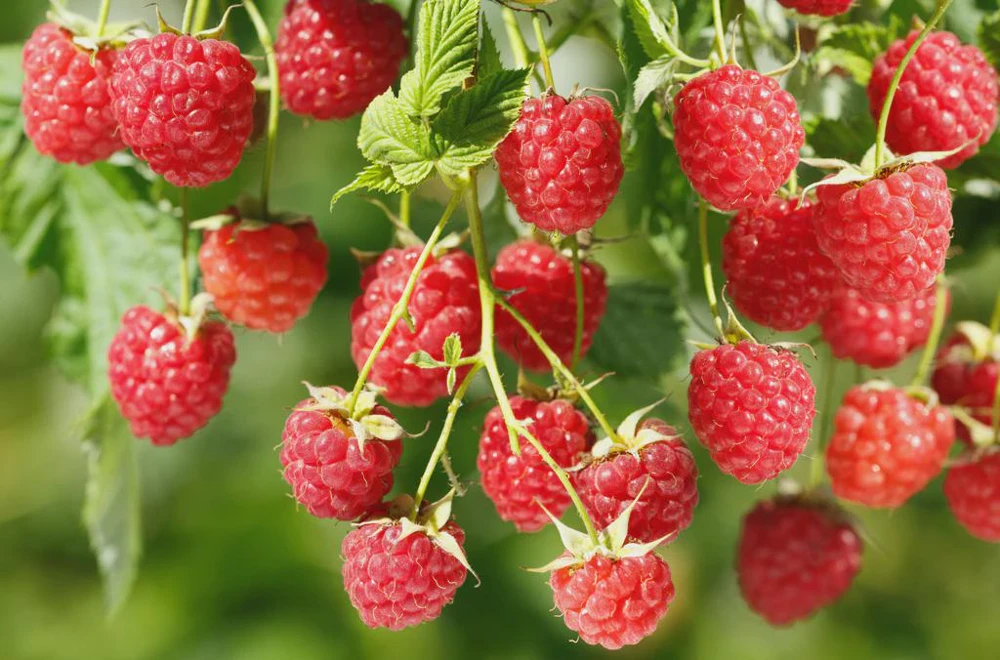
- Abundant & Delicious Fruit: Expect a generous yield of large, firm, and bright red raspberries that are exceptionally sweet. These berries are perfect for fresh eating, baking, jams, or freezing.
- Self-Pollinating Convenience: Being a self-pollinating variety, the June-bearing raspberry does not require another plant for fruit production, simplifying your garden planning and ensuring a consistent harvest.
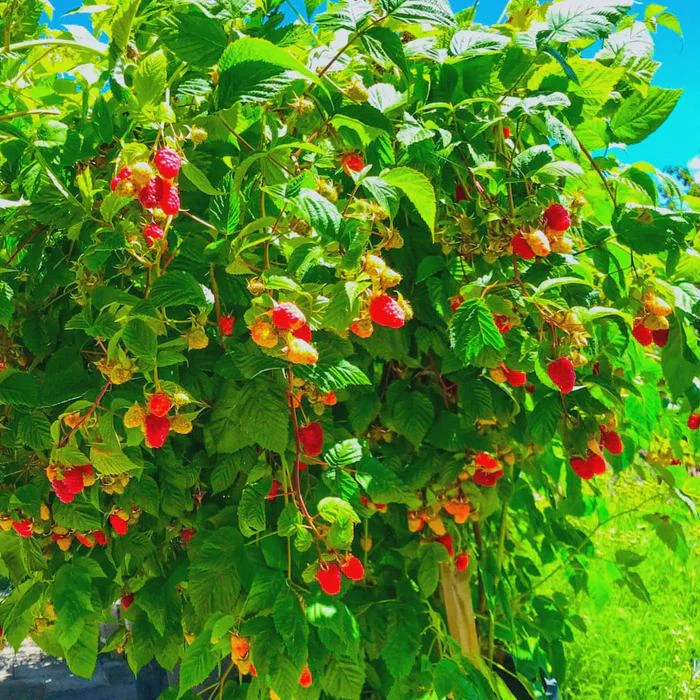
- Cold-Hardy & Vigorous Growth: This variety is known for its excellent cold hardiness, thriving in USDA zones 3 to 8. It’s a vigorous grower, establishing quickly and producing strong, upright canes.
- Disease & Pest Resistance: The ‘Canby’ raspberry exhibits good resistance to some common raspberry viruses and aphids, reducing the need for extensive pest and disease management.
- Versatile Use: Beyond fresh consumption, these raspberries are ideal for various culinary applications, offering a versatile ingredient for your kitchen.
- Compact & Manageable Size: While vigorous, the plants typically reach 4-6 feet, making them manageable in most garden spaces and suitable for trellising if desired.
Plant Care & Growing Tips
Proper care is essential for a thriving Canby thornless red raspberry patch. These vigorous plants are relatively easy to maintain, especially given their natural resilience. When planting your thornless raspberry plant starter plugs, choose a site with full sun exposure, meaning at least 6-8 hours of direct sunlight per day. Good air circulation is also beneficial to prevent fungal diseases. Prepare the soil by ensuring it is well-draining, rich in organic matter, and has a slightly acidic pH (between 6.0 and 6.8). Amend heavy clay soils with compost or peat moss to improve drainage.
Watering is crucial, especially during establishment and fruit development. Keep the soil consistently moist but not waterlogged. Deep watering once or twice a week is generally better than shallow, frequent watering. During dry spells, you may need to water more frequently. Fertilize your June-bearing raspberry plants in early spring with a balanced slow-release fertilizer or one formulated for berries. Pruning is vital for raspberry production and plant health. As a June-bearing variety, ‘Canby’ produces fruit on floricanes (second-year canes). After harvesting, cut back the canes that have fruited to the ground. Thin new primocanes (first-year canes) in late winter or early spring, leaving the strongest 6-8 canes per linear foot of row. Protect plants in colder zones during winter with mulch around the base.
Size & Details
This offering includes 5 Canby thornless red raspberry starter plugs, providing a solid foundation for establishing your own raspberry patch. Each plug is a young, live plant ready for transplanting. Once established, these vigorous plants typically grow to an upright height of 4–6 feet, though they may benefit from some trellis support as they mature and become laden with fruit. The ‘Canby’ raspberry is a June-bearing variety, meaning it produces one main crop of delicious red fruit in early to mid-summer, usually in June or July depending on your specific climate zone.
These cold-hardy raspberry plants are suitable for USDA hardiness zones 3 to 8, making them adaptable to a wide range of temperate climates. They are shipped as bare-root starter plugs, which are small, young plants without a pot, ensuring they are ready for immediate planting upon arrival. With proper care and growing conditions, you can expect these plants to establish well and begin producing fruit in their second year, offering a consistent harvest of sweet, bright red raspberries for many seasons to come. The thornless nature of the canes significantly enhances the harvesting experience, making it a favorite among home gardeners.
Frequently Asked Questions
- Q: How big do these Canby thornless red raspberry plants get? A: Once mature, Canby thornless red raspberry plants typically grow to an upright height of 4–6 feet. They can spread if not managed, so consider spacing and potential trellising.
- Q: Is this an indoor or outdoor plant? A: The Canby thornless red raspberry is an outdoor fruit-bearing bush. It requires full sun and specific chilling hours to produce fruit effectively.
- Q: How much sunlight does a thornless raspberry plant need? A: These plants thrive in full sun, meaning they need at least 6-8 hours of direct sunlight per day for optimal growth and fruit production.
- Q: Is this plant easy to care for? Is it good for beginners? A: Yes, the Rubus idaeus Canby is considered relatively easy to care for, especially for a fruit-bearing plant. Its thornless nature and disease resistance make it a good choice for beginners.
- Q: What condition will the June-bearing raspberry starter plugs arrive in? A: The starter plugs will arrive as bare-root plants, meaning they are young plants without soil or a pot, ready for immediate planting.
- Q: How long until it blooms or produces fruit? A: As a June-bearing variety, you can expect fruit production to begin in the second year after planting, with a main harvest occurring in early to mid-summer.
- Q: Will this cold-hardy raspberry survive winter in my zone? A: The ‘Canby’ raspberry is a very cold-hardy raspberry, suitable for USDA zones 3 to 8. It can withstand significant winter temperatures, but mulching in colder zones is beneficial.
- Q: Do I need more than one plant for fruit? A: No, the ‘Canby’ raspberry is a self-pollinating variety, meaning a single plant can produce fruit. However, planting multiple plants can increase your overall yield.
- Q: What kind of soil is best for this raspberry? A: Well-draining, rich, slightly acidic soil (pH 6.0-6.8) is ideal. Amend heavy soils with organic matter to improve drainage.
- Q: How often should I water my Canby thornless red raspberry? A: Keep the soil consistently moist, especially during dry periods and fruit development. Deep water once or twice a week, adjusting based on weather conditions.
Be the first to review “5 Canby Thornless Red Raspberry Starter Plug – Rubus idaeus – Live Plant for Zones 3-8”
People Also Viewed

Reviews
There are no reviews yet.