

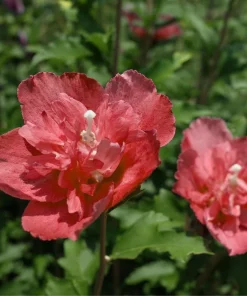
Red Rose of Sharon Hibiscus syriacus Live Plant – 12-24″ Tall, Quart Pot, Bare Root
Original price was: $101.99.$76.99Current price is: $76.99.
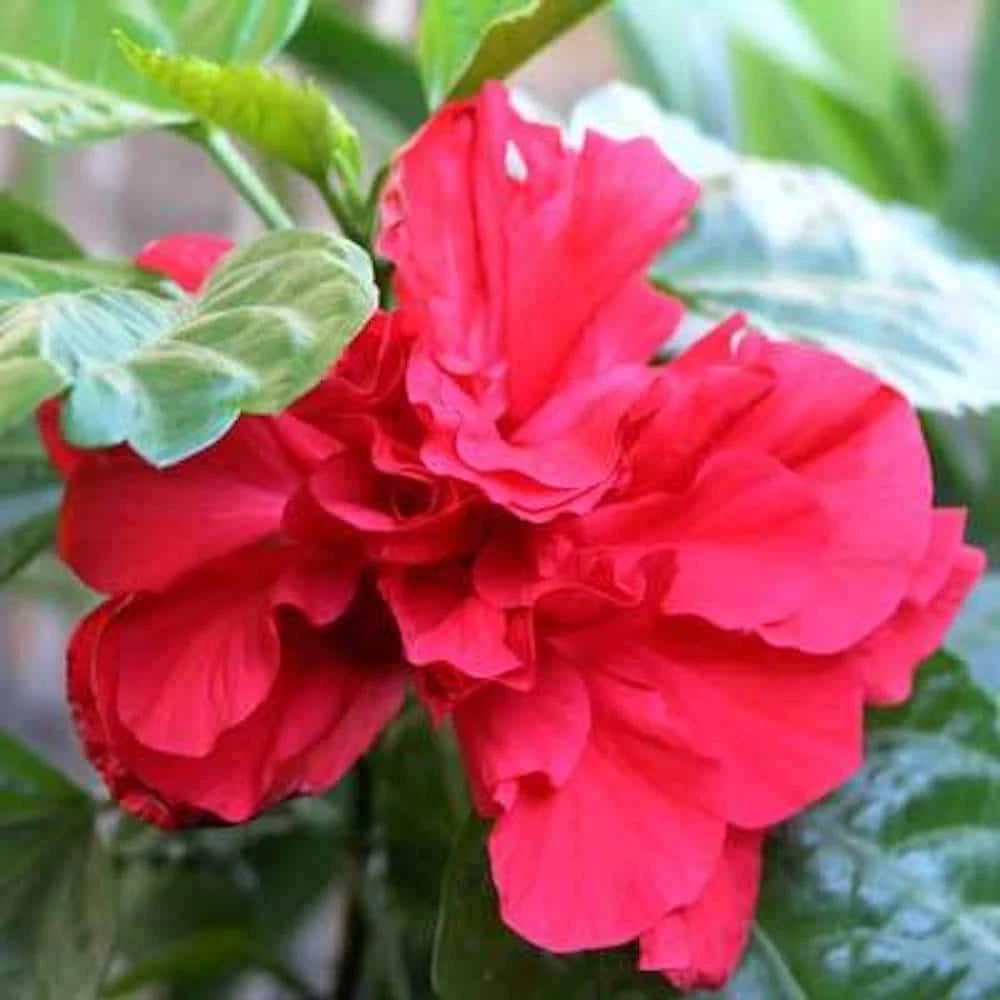
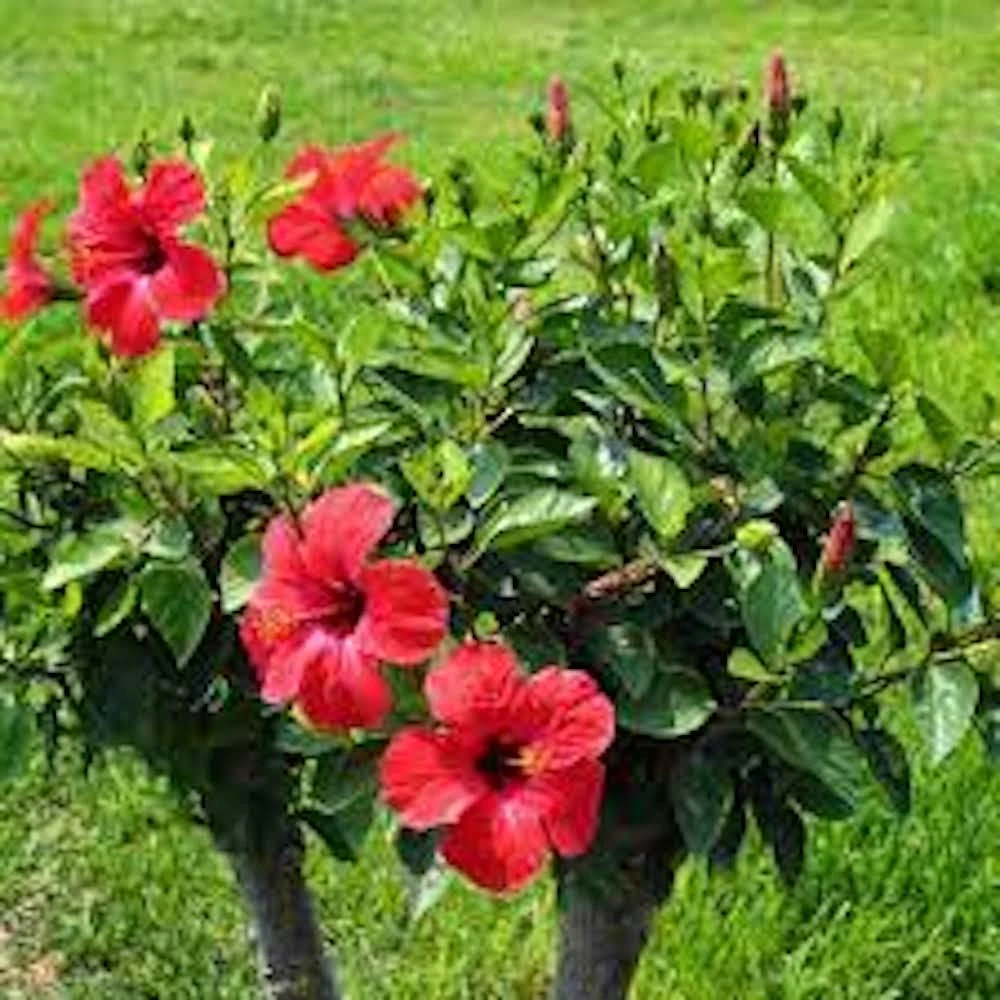
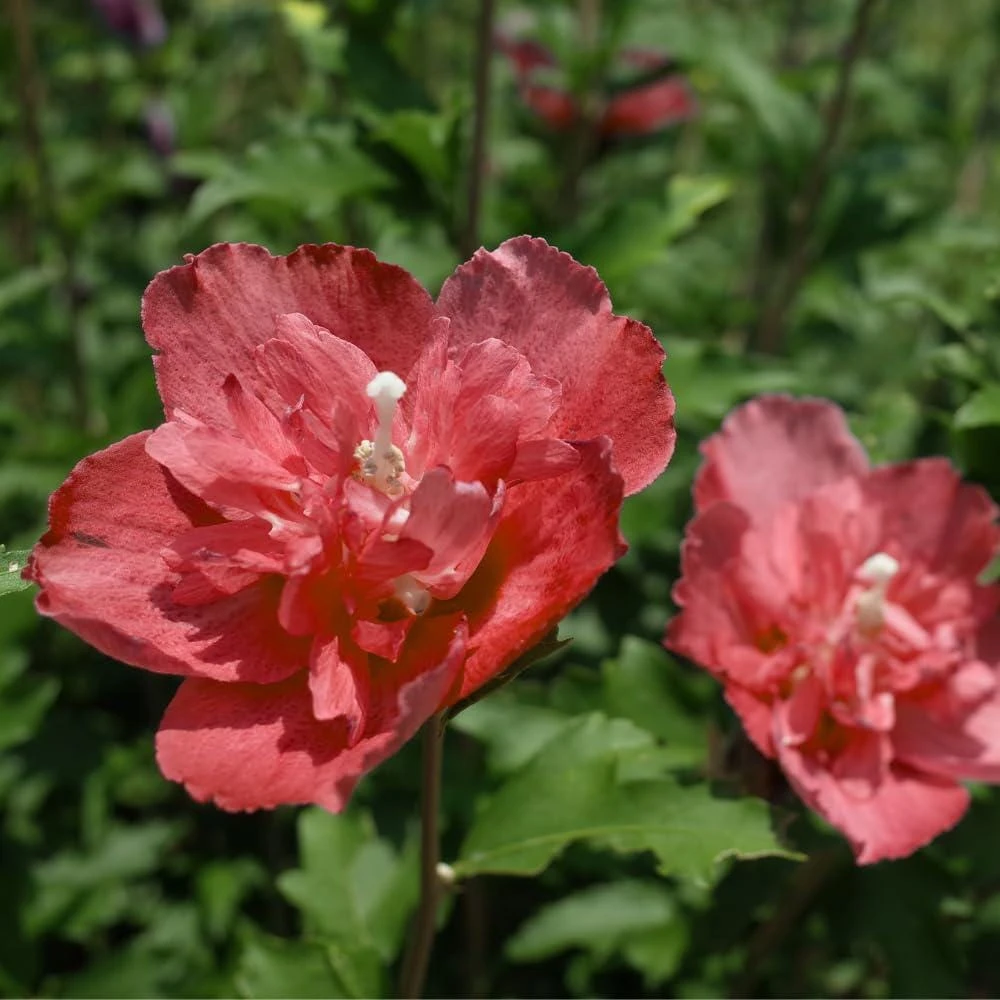
Add a burst of color to your landscape with the Red Rose of Sharon Hibiscus (Hibiscus syriacus). This 12-24 inch tall starter plant, shipped bare root, produces stunning red flowers that bloom from summer to fall. Ideal for hedges, borders, or as a focal point, this hardy hibiscus plant is low-maintenance and thrives in full sun to partial shade.
Estimated arrival
Sep 29
Oct 04 - Oct 06
Oct 09 - Oct 13
Shop With Confidence
30-Day Plant Health Guarantee
Arrives damaged? We’ll replace it free — see our return policy.
Responsive Support
Email us anytime, we reply within 1 business day.
Expert Packaging
Temperature-controlled shipping to protect your plants in transit.
Secure Checkout
Pay safely with Visa, Mastercard, PayPal.
Plant Specifications
-
USDA Hardiness Zone
USDA Zones 5-9 -
Soil Type
Moist, well-draining soil -
Sunlight Exposure
Full sun to partial shade -
Expected Planting Period
Spring to early fall
Overview
Transform your garden with the captivating beauty of the Red Rose of Sharon Hibiscus. This deciduous shrub, also commonly known as Althea (scientific name Hibiscus syriacus), is a beloved choice for gardeners seeking vibrant, long-lasting blooms. Our offering is a 12-24 inch tall starter plant, ready to establish itself in your landscape. Known for its striking red flowers that grace the plant from summer through fall, this hardy plant adds a touch of elegance and color when many other plants are fading. It’s an excellent specimen for creating a lush hedge, a beautiful border, or a standout focal point in any garden design.
The Red Rose of Sharon Hibiscus is a vigorous grower and relatively low-maintenance, making it suitable for both experienced and novice gardeners. Its ability to thrive in various conditions and its spectacular floral display ensure it remains a popular choice for enhancing outdoor spaces. This plant is shipped bare root, a common and effective method for establishing shrubs, ensuring a healthy start in its new home.
Key Benefits
The Red Rose of Sharon Hibiscus offers numerous advantages that make it a superb addition to any garden. Its impressive features contribute to both aesthetic appeal and ease of care, providing lasting enjoyment.
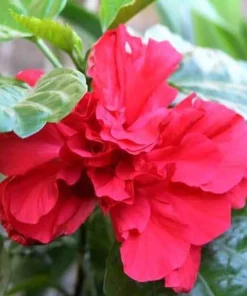
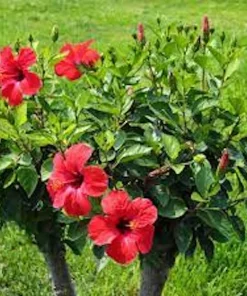
- Stunning Visual Appeal: The primary benefit is its prolific display of large, showy red flowers that bloom continuously from summer to fall. These vibrant blossoms create a dramatic visual impact, drawing the eye and adding a focal point to your garden. The deep red hue is particularly striking against its green foliage.
- Extended Bloom Season: Unlike many plants with short flowering periods, the Rose of Sharon provides continuous color for several months. This extended bloom time ensures your garden remains lively and attractive throughout the warmer seasons, making it a valuable asset for consistent garden beauty.
- Low Maintenance: This is a resilient and adaptable shrub, requiring minimal effort once established. It tolerates a range of soil types and growing conditions, and its hardiness means less fuss for the gardener. This makes the Althea Hibiscus plant an excellent choice for busy individuals.
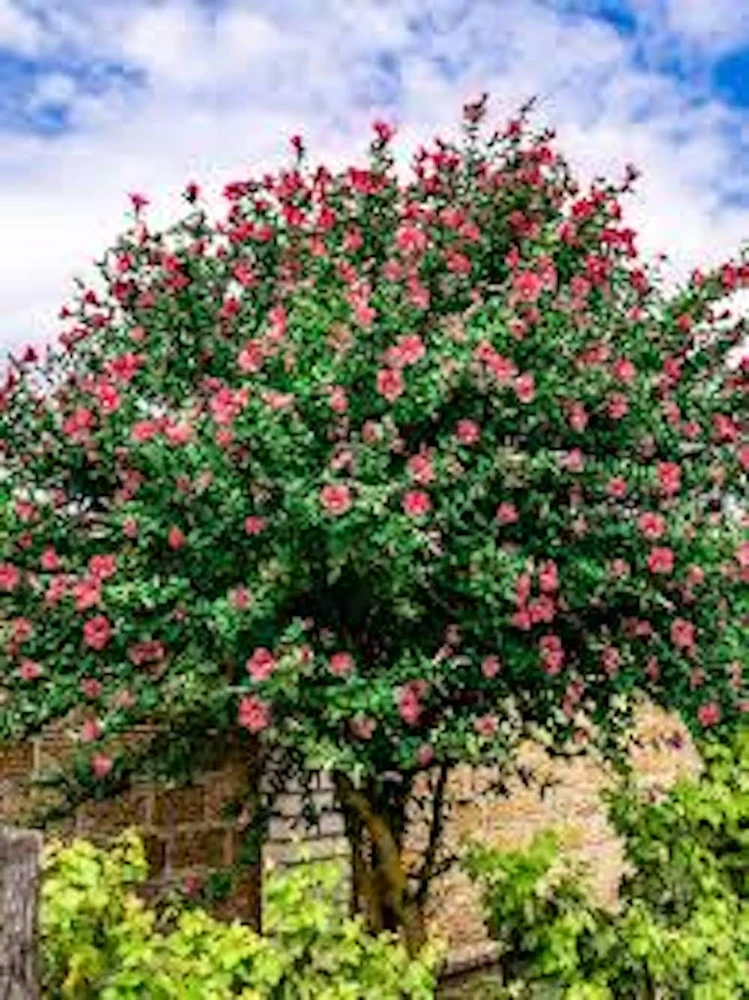
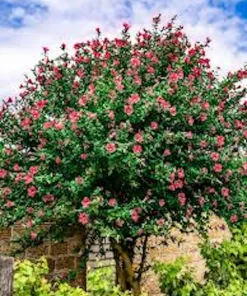
- Versatile Landscaping Use: The hardy hibiscus plant can be utilized in various ways within your landscape. It can be grown as a standalone specimen, trained into a small tree form, or planted in groups to create an informal hedge or screen, offering privacy and beauty.
- Attracts Pollinators: The large, open flowers of the Red Rose of Sharon Hibiscus are a magnet for beneficial pollinators such as butterflies and hummingbirds, contributing to the biodiversity and health of your garden ecosystem.
- Drought Tolerance: Once established, the Rose of Sharon exhibits good drought tolerance, reducing the need for frequent watering, especially in areas with occasional dry spells. This characteristic makes it a sustainable choice for water-wise gardening.
- Cold Hardiness: As a hardy deciduous shrub, the Rose of Sharon is well-suited for a wide range of climates, tolerating cold winters and bouncing back vigorously each spring. This ensures its longevity and consistent performance year after year.
Plant Care & Growing Tips
Caring for your Red Rose of Sharon Hibiscus is straightforward, ensuring a beautiful and healthy plant for years to come. This robust shrub is known for its resilience and adaptability, making it a rewarding plant for gardeners of all skill levels. Understanding its basic needs will help you achieve the best results, whether you’re growing a single specimen or a vibrant hedge.
The most crucial factor for a thriving Red Rose of Sharon Hibiscus is adequate sunlight. It performs best in full sun, meaning at least 6 hours of direct sunlight per day. While it can tolerate partial shade, too little sun may result in fewer blooms and a less vigorous plant. When it comes to soil, the Rose of Sharon is not overly picky but prefers moist, well-drained soil. Avoid heavy clay soils that retain too much water, as this can lead to root rot. Amending the soil with organic matter like compost can improve drainage and provide essential nutrients. Once established, this hardy hibiscus plant has moderate water needs. Water regularly during dry spells, especially during its first growing season, to help it develop a strong root system. Reduce watering in cooler months.
For optimal growth and abundant flowering, fertilize your Rose of Sharon in early spring with a balanced slow-release fertilizer. Avoid high-nitrogen fertilizers, which can promote foliage growth at the expense of flowers. Pruning is best done in late winter or early spring before new growth begins. You can prune to maintain its shape, control its size, or remove any dead or crossing branches. The Hibiscus syriacus care routine often includes shaping it into a tree form by removing lower branches or encouraging a bushier habit by cutting back stems. The Rose of Sharon is generally hardy in USDA zones 5-9. Common problems include aphid infestations, which can be managed with insecticidal soap, and powdery mildew in humid conditions, which can be mitigated by ensuring good air circulation.
Size & Details
This offering includes three Red Rose of Sharon Hibiscus starter plants, each measuring 12-24 inches tall at the time of shipment. These are young, vigorous plants that are ready to establish themselves quickly in your garden. They are shipped bare root, which is an efficient and environmentally friendly method that reduces transplant shock and encourages rapid root development upon planting. Each plant is approximately the size of a quart pot equivalent in terms of root mass and top growth, providing a substantial foundation for future growth.
Upon maturity, the Althea Hibiscus plant typically reaches a height of 8-12 feet and a similar spread, forming a dense, upright shrub or small tree. Its growth rate is moderate, meaning it will establish and fill out within a few seasons, providing a quick impact in your landscape. Expect the first vibrant red blooms to appear in the summer of its first or second year, continuing through the fall. The mature size allows it to serve as an effective screen, a striking specimen, or a colorful addition to mixed borders.
Frequently Asked Questions
- Q: How big does this Red Rose of Sharon Hibiscus get? A: This Red Rose of Sharon Hibiscus starter plant is 12-24 inches tall when shipped. At maturity, it typically grows to 8-12 feet tall and wide, making it a substantial shrub or small tree.
- Q: Is this an indoor or outdoor plant? A: The Red Rose of Sharon Hibiscus (Hibiscus syriacus) is an outdoor plant, hardy in USDA zones 5-9. It thrives in garden settings where it can receive ample sunlight.
- Q: How much sunlight does it need? A: For best flowering and growth, the hardy hibiscus plant requires full sun, meaning at least 6 hours of direct sunlight daily. It can tolerate partial shade, but blooming may be reduced.
- Q: Is this plant easy to care for? A: Yes, the Red Rose of Sharon Hibiscus is considered a low-maintenance plant. Once established, it is quite drought-tolerant and adaptable to various soil conditions, making its Hibiscus syriacus care relatively easy.
- Q: What condition will it arrive in? A: Your plants will arrive as 12-24 inch tall starter plants, shipped bare root. This method ensures the plant’s health and reduces transplant shock, preparing it for successful planting.
- Q: When is the best time to plant a Red Rose of Sharon? A: The best time to plant your Red Rose of Sharon Hibiscus is in spring or early fall. This allows the plant to establish its root system before the extreme temperatures of summer or winter.
- Q: Will it survive winter in my zone? A: The Rose of Sharon is very cold hardy and will survive winters in USDA Zones 5-9. It is a deciduous shrub, meaning it will lose its leaves in the fall and regrow them in spring.
- Q: What type of soil does it prefer? A: This plant prefers moist, well-drained soil. It’s adaptable to a range of soil types but avoids excessively wet or poorly draining conditions. Amending with organic matter can be beneficial.
- Q: How often should I water my Althea Hibiscus plant? A: During its first year, water regularly to keep the soil consistently moist. Once established, it is moderately drought-tolerant but will benefit from watering during prolonged dry periods.
- Q: Can I prune the Red Rose of Sharon into a tree form? A: Yes, you can train the Red Rose of Sharon Hibiscus into a single-trunk tree form by selectively pruning lower branches over time. This creates a distinct and elegant garden feature.
Be the first to review “Red Rose of Sharon Hibiscus syriacus Live Plant – 12-24″ Tall, Quart Pot, Bare Root”
People Also Viewed
Flower Seeds
Flower Plants
Red Climbing Roses Plant – Fragrant Perennial Rose Bush – Outdoor Live Plant – 2-4 Inch Tall
Reviews
There are no reviews yet.