
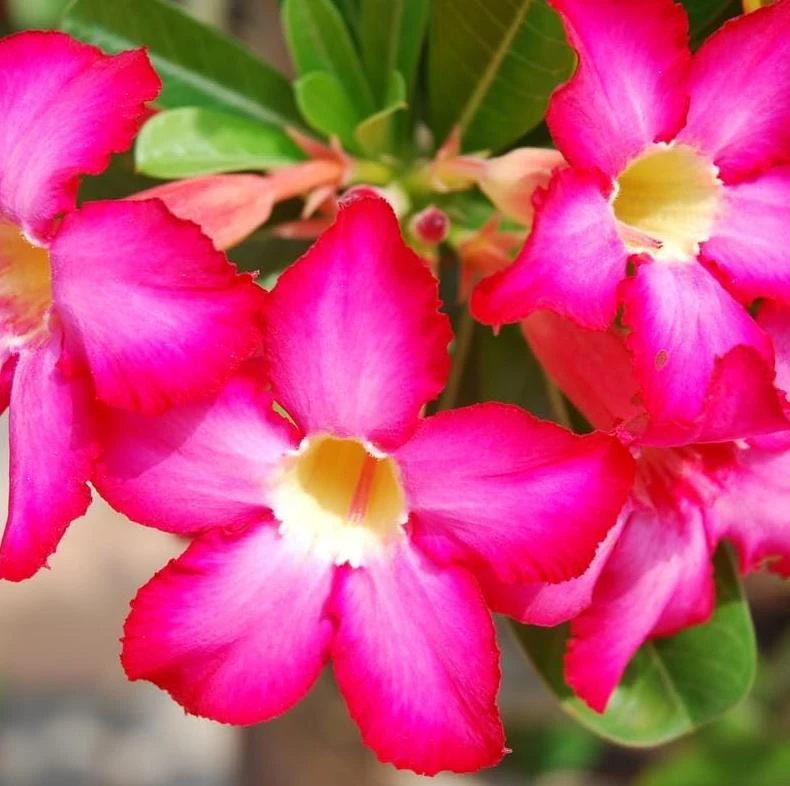
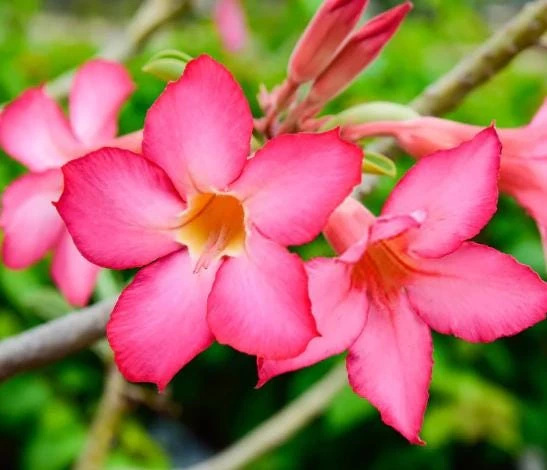
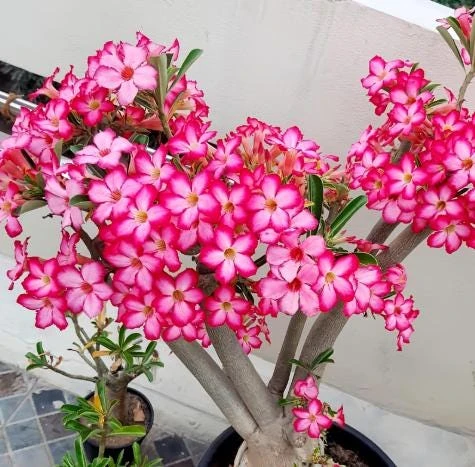
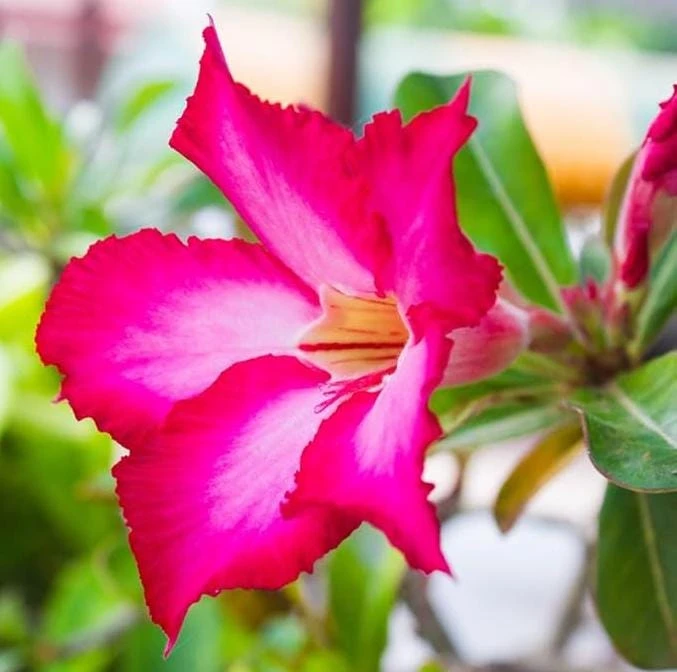

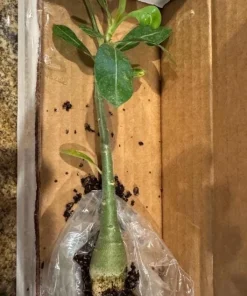
Pink Desert Rose Live Plant – Adenium Obesum, 4-6 Inch Tall Tropical Succulent
Original price was: $38.99.$23.99Current price is: $23.99.
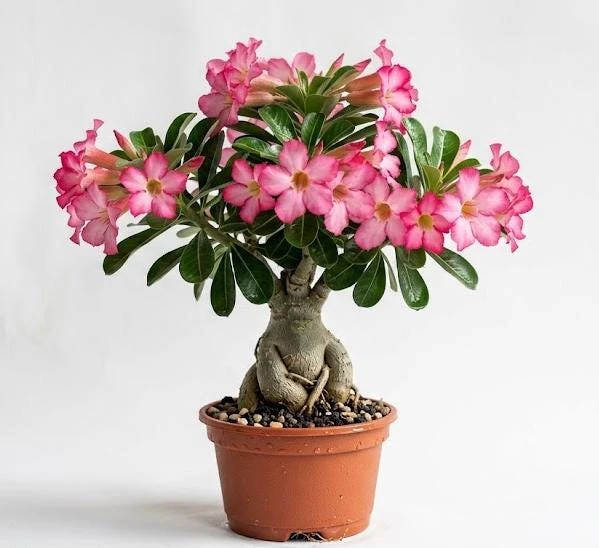
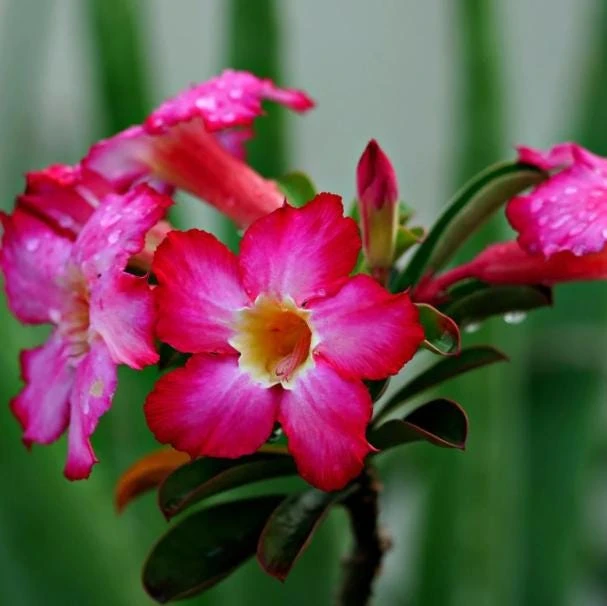
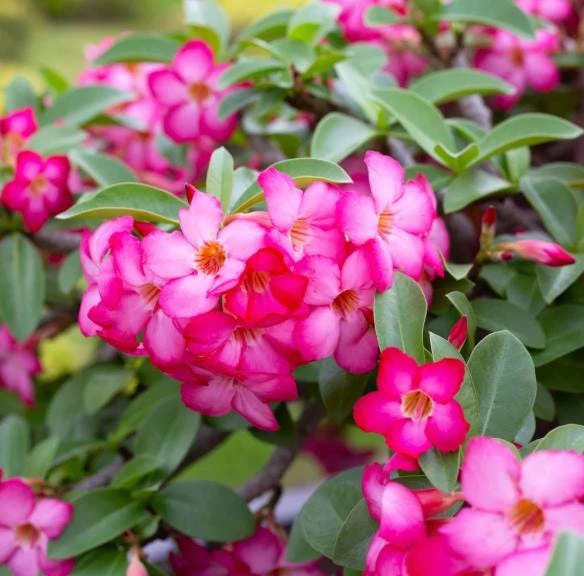
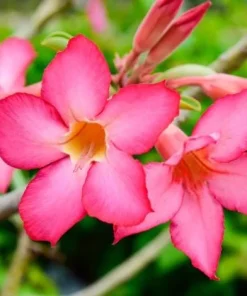
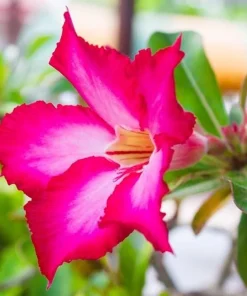
Bring exotic beauty to your garden or indoor space with this vibrant pink desert rose live plant. Known for its striking pink blooms and unique succulent form, this tropical succulent plant is a low-maintenance favorite. Perfect for sunny locations, it offers continuous color and an interesting silhouette.
Out of stock
Estimated arrival
Oct 14
Oct 19 - Oct 21
Oct 24 - Oct 28
Shop With Confidence
30-Day Plant Health Guarantee
Arrives damaged? We’ll replace it free — see our return policy.
Responsive Support
Email us anytime, we reply within 1 business day.
Expert Packaging
Temperature-controlled shipping to protect your plants in transit.
Secure Checkout
Pay safely with Visa, Mastercard, PayPal.
Plant Specifications
-
USDA Hardiness Zone
USDA Zones 10-12 -
Soil Type
Well-draining sandy or cactus mix -
Sunlight Exposure
Full Sun (at least 6 hours direct sunlight daily) -
Expected Planting Period
Year-round indoors; Spring to Fall outdoors
Overview
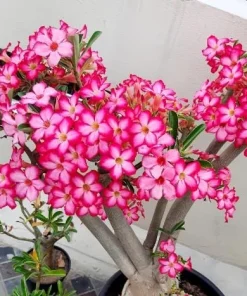
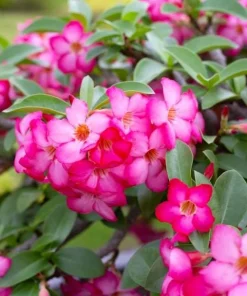
Discover the captivating beauty of the pink desert rose live plant, botanically known as Adenium obesum. This stunning tropical succulent is celebrated for its vibrant, funnel-shaped pink flowers and its distinctive, swollen caudex (trunk) that stores water, giving it a unique, sculptural appearance. Originating from arid regions, the Desert Rose is remarkably resilient and can thrive with minimal care, making it an excellent choice for both novice and experienced gardeners. Its glossy green leaves provide a beautiful contrast to the showy blooms, which can appear multiple times throughout the growing season. Whether you’re looking to add a touch of the tropics to your patio, balcony, or a bright indoor spot, this adenium obesum care guide will help you cultivate a flourishing specimen.
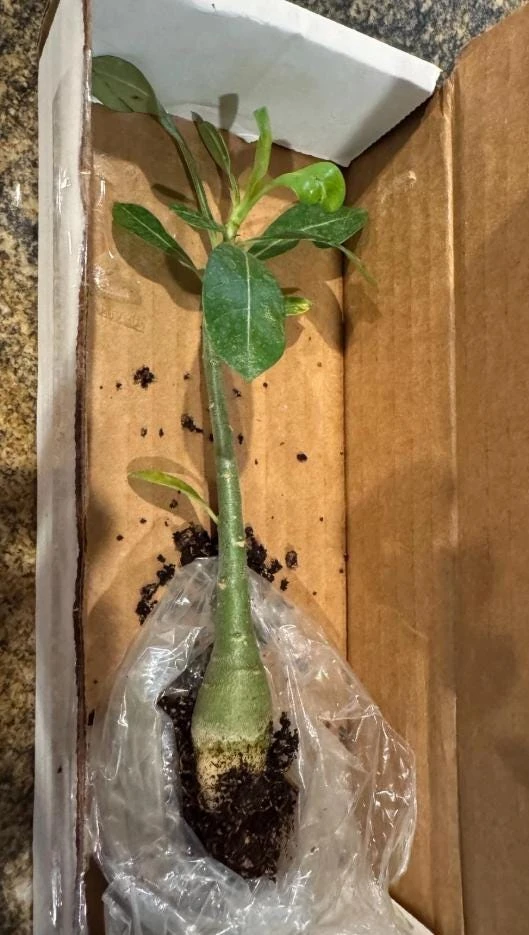
Our pink desert rose live plant arrives ready for planting, typically measuring 4 to 6 inches in height. These young plants are perfect for establishing in your preferred container or garden bed, allowing you to watch them mature into impressive, bloom-filled specimens. During winter months, it’s common for Desert Roses to enter a dormant phase and lose their leaves, only to re-emerge with new growth and flowers as temperatures rise. This natural cycle ensures a robust and healthy plant for years to come.
Key Benefits
The pink desert rose live plant offers a multitude of benefits that make it a desirable addition to any plant collection. Its unique characteristics contribute to its appeal and ease of care, providing continuous enjoyment.
- Stunning Floral Display: Enjoy abundant, vibrant pink, funnel-shaped flowers that bloom repeatedly throughout the spring to fall seasons, adding a spectacular splash of color.
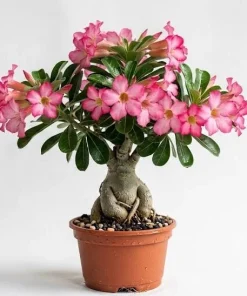
- Unique Sculptural Form: The distinctive, swollen caudex and branching structure of the pink desert rose live plant create an artistic, bonsai-like appearance, making it a focal point in any setting.
- Drought Tolerance: As a succulent, the Desert Rose is highly drought-tolerant, requiring infrequent watering once established, which is ideal for busy gardeners or arid climates.
- Low Maintenance: This plant thrives on neglect, needing minimal attention beyond proper light and occasional watering, making adenium obesum care relatively easy.
- Versatile Placement: Suitable for both indoor and outdoor cultivation in appropriate climates, it can be grown in pots on patios, balconies, or as part of a xeriscape garden.
- Long Blooming Season: With optimal conditions, your tropical succulent plant can flower for several months, providing extended periods of visual interest.
- Heat Loving: It thrives in warm temperatures and full sun, making it an excellent choice for hot, sunny locations where other plants might struggle.
Plant Care & Growing Tips
Proper adenium obesum care is essential for ensuring a healthy and floriferous pink desert rose live plant. These tropical succulents are relatively easy to care for once you understand their specific needs, especially regarding light, water, and soil conditions. Providing the right environment will encourage prolific blooming and robust growth.
Sunlight Requirements
The pink desert rose live plant absolutely loves the sun! It requires at least 6 hours of direct sunlight daily to thrive and produce its signature vibrant blooms. Place it in a location where it receives full sun, such as a south-facing window indoors or an unshaded spot outdoors. In extremely hot climates, some afternoon shade can prevent leaf scorch, but generally, more sun equals more flowers. Insufficient light is a common reason for sparse blooming or leggy growth.
Watering Schedule and Soil Moisture
As a succulent, the Desert Rose stores water in its thick caudex, making it highly drought-tolerant. Water deeply but infrequently. The key to successful adenium obesum care is to allow the soil to dry out completely between waterings. Overwatering is the most common cause of root rot and plant death. During its active growing season (spring to fall), water more regularly. During winter dormancy, reduce watering significantly, perhaps once every few weeks, or stop entirely if the plant has lost its leaves.
Soil Type and Drainage Requirements
Excellent drainage is paramount for the health of your pink desert rose live plant. Use a well-draining sandy or cactus mix. A good potting mix should contain perlite, pumice, or coarse sand to ensure water passes through quickly, preventing soggy roots. Avoid heavy, moisture-retentive soils. Repotting every 1-2 years, especially when the plant outgrows its container, can help refresh the soil and provide more room for root development.
Temperature Range and USDA Hardiness Zone
The Desert Rose is a tropical plant and is sensitive to cold. Ideal temperatures for growth are between 70°F and 95°F (21°C to 35°C). It is suitable for USDA Zones 10 to 12 when grown outdoors year-round. In colder zones, it must be brought indoors before temperatures drop below 50°F (10°C). Protect it from frost, as cold temperatures can quickly damage or kill the plant. As a tropical succulent plant, it appreciates warmth and can handle high humidity if there is good air circulation.
Fertilization Schedule and Type
Feed your pink desert rose live plant during its active growing season (spring through early fall). Use a balanced liquid fertilizer, diluted to half strength, every 2-4 weeks. Alternatively, a slow-release granular fertilizer formulated for flowering plants can be applied once at the beginning of the growing season. Avoid fertilizing during its winter dormancy period.
Common Problems and Solutions
While generally robust, Desert Roses can encounter issues. Pests like spider mites, mealybugs, and aphids can be managed with insecticidal soap or neem oil. Root rot, caused by overwatering, is the most serious threat; ensure proper drainage and allow soil to dry out. Yellowing leaves can indicate overwatering or nutrient deficiency, while shriveling stems usually mean underwatering. Understanding these signs is crucial for effective growing desert rose successfully.
Size & Details
This pink desert rose live plant is typically shipped as a young specimen, measuring approximately 4 to 6 inches tall from the base of the soil to the tip of its leaves. It arrives as a healthy, rooted plant, ready for immediate transplanting into a larger pot or your garden. While compact upon arrival, with proper adenium obesum care, it will quickly grow, developing its characteristic swollen caudex and reaching a mature height of 2-6 feet and a similar spread, depending on growing conditions and pruning. Expect your tropical succulent plant to begin blooming within its first year or two, with more prolific flowering as it matures.
The plant is carefully packaged to ensure its safe arrival. It ships without a decorative pot, allowing you the flexibility to choose the perfect container to complement your aesthetic. The Desert Rose has a moderate growth rate, and its unique form can be further enhanced through selective pruning, making it an excellent candidate for bonsai enthusiasts or those interested in shaping their plants. This desert rose plant for sale offers a long-term investment in botanical beauty.
Frequently Asked Questions
- Q: How big does this plant get? A: A pink desert rose live plant can typically grow to a height of 2 to 6 feet and a similar spread when mature, though its size can be managed with pruning and container size.
- Q: What size pot does it come in? A: This pink desert rose live plant is shipped as a rooted plant, approximately 4 to 6 inches tall, and does not include a decorative pot. It will be ready for transplanting into your chosen container upon arrival.
- Q: Is this an indoor or outdoor plant? A: The Desert Rose can be grown both indoors and outdoors. It thrives outdoors in USDA Zones 10-12 year-round. In colder climates, it is best grown as a container plant and brought indoors during winter.
- Q: How much sunlight does it need? A: This tropical succulent plant requires a minimum of 6 hours of direct sunlight daily to promote healthy growth and abundant flowering. Full sun is ideal.
- Q: Is this plant easy to care for? A: Yes, with proper understanding of its needs, the Desert Rose is considered relatively easy to care for. The most crucial aspects of adenium obesum care are providing ample sunlight and avoiding overwatering.
- Q: What condition will it arrive in? A: Your pink desert rose live plant will arrive as a healthy, established, rooted plant, carefully packed to ensure its safe journey. It may be dormant and leafless if shipped during colder months.
- Q: Is it pet-safe? A: No, the Desert Rose (Adenium obesum) is toxic if ingested by pets and humans. Keep it out of reach of children and animals.
- Q: How long until it blooms? A: Young plants can begin to bloom within their first year or two. With consistent care and sufficient sunlight, you can expect prolific flowering during the spring to fall seasons.
- Q: Will it survive winter in my zone? A: If you are in USDA Zones 10-12, your desert rose plant for sale can survive winter outdoors. In zones colder than 10, it must be protected from frost and brought indoors when temperatures drop below 50°F.
- Q: What’s the best soil for growing desert rose? A: The best soil for growing desert rose is a well-draining sandy or cactus mix. Excellent drainage is critical to prevent root rot.
Be the first to review “Pink Desert Rose Live Plant – Adenium Obesum, 4-6 Inch Tall Tropical Succulent”
People Also Viewed

Flower Seeds
Pasque Flower Seeds – 20 Count Heirloom Anemone patens wolfgangiana for Gardens & Pollinators

Flower Plants
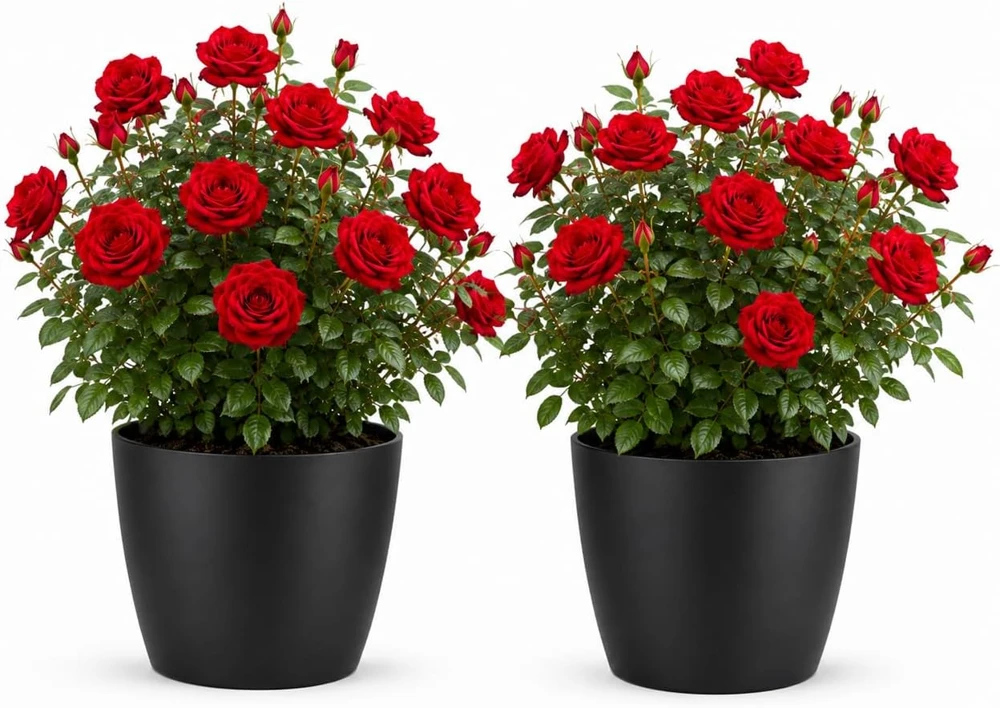
Set of 2 Red Climbing Rose Live Plants – Fragrant Perennial Flowers for Garden, 2-4 Inch Tall
Reviews
There are no reviews yet.