

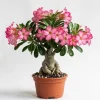
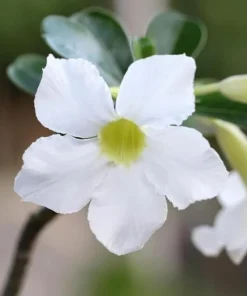
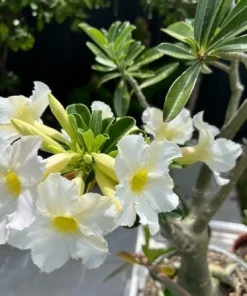
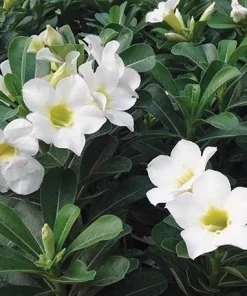
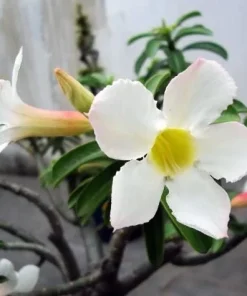
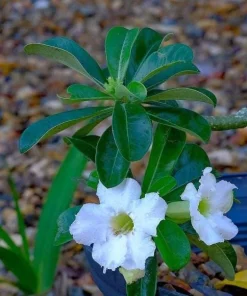
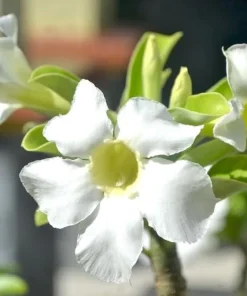
White Desert Rose Plant – Live Adenium Succulent 4-6 Inch Tall – Indoor/Outdoor
Original price was: $38.99.$23.99Current price is: $23.99.
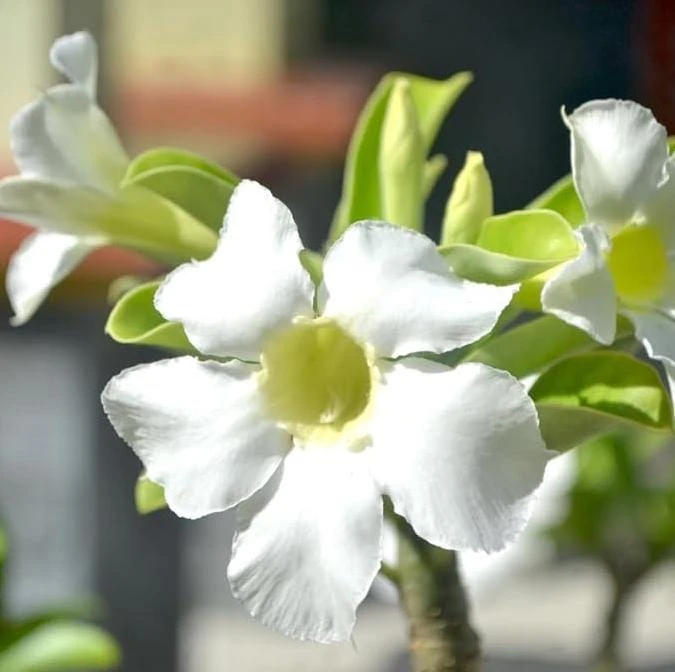
Bring exotic beauty to your home with the white desert rose plant. This stunning adenium desert rose succulent features pure white, trumpet-shaped flowers and a unique swollen trunk, perfect for adding a tropical touch indoors or on your patio. Easy to care for and drought-tolerant.
Estimated arrival
Oct 13
Oct 18 - Oct 20
Oct 23 - Oct 27
Shop With Confidence
30-Day Plant Health Guarantee
Arrives damaged? We’ll replace it free — see our return policy.
Responsive Support
Email us anytime, we reply within 1 business day.
Expert Packaging
Temperature-controlled shipping to protect your plants in transit.
Secure Checkout
Pay safely with Visa, Mastercard, PayPal.
Plant Specifications
Overview
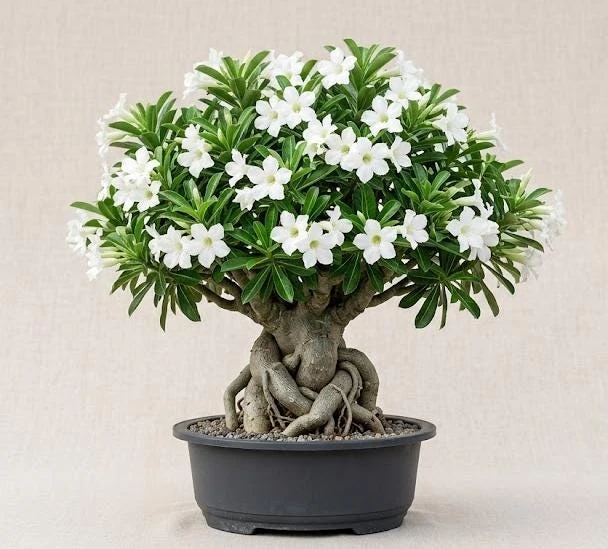
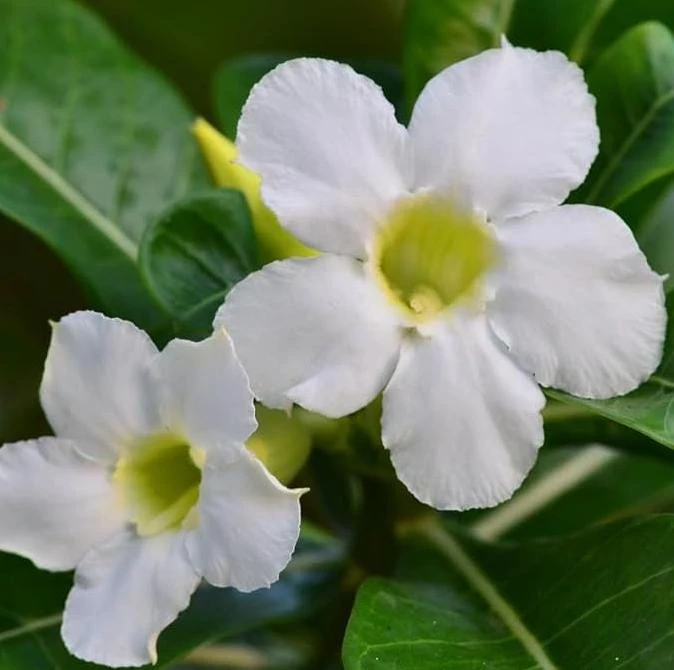
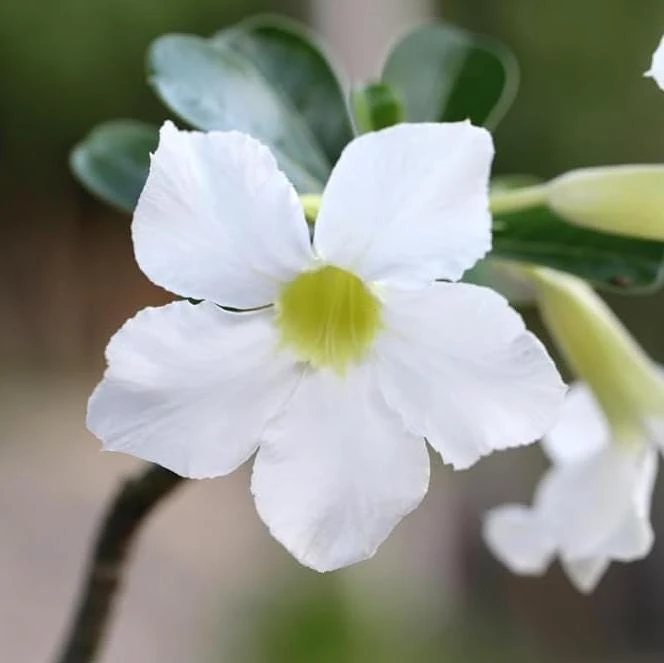
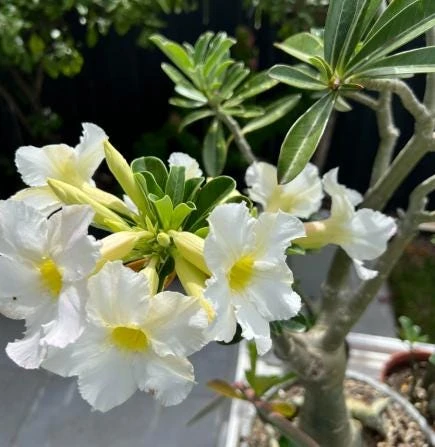
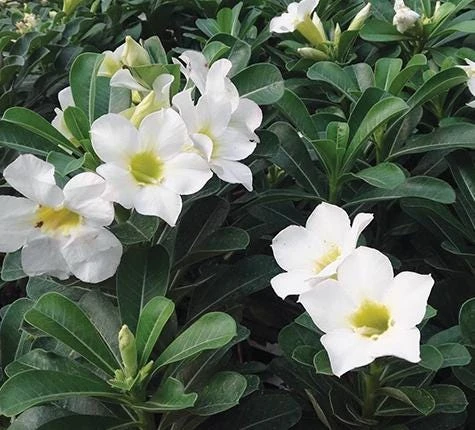
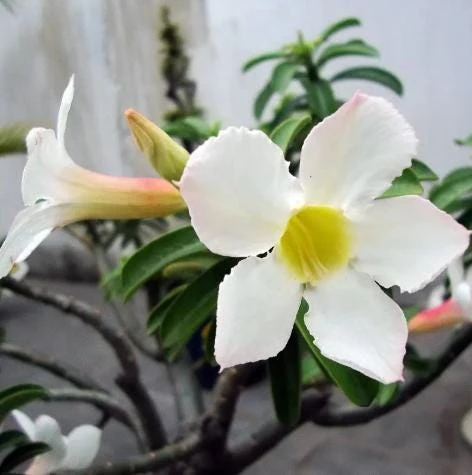
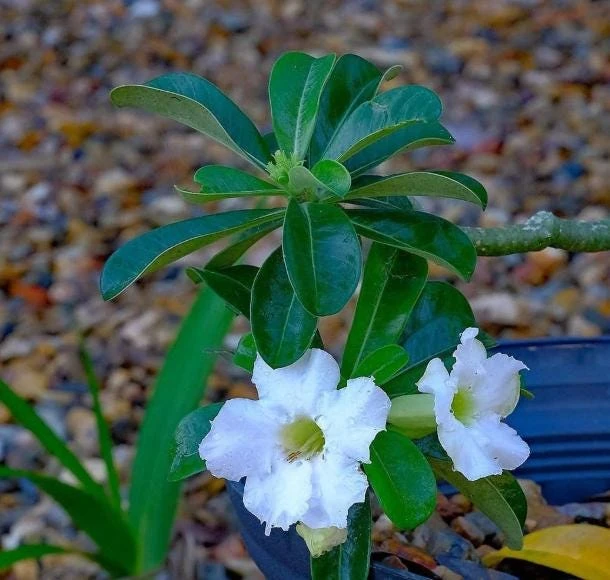
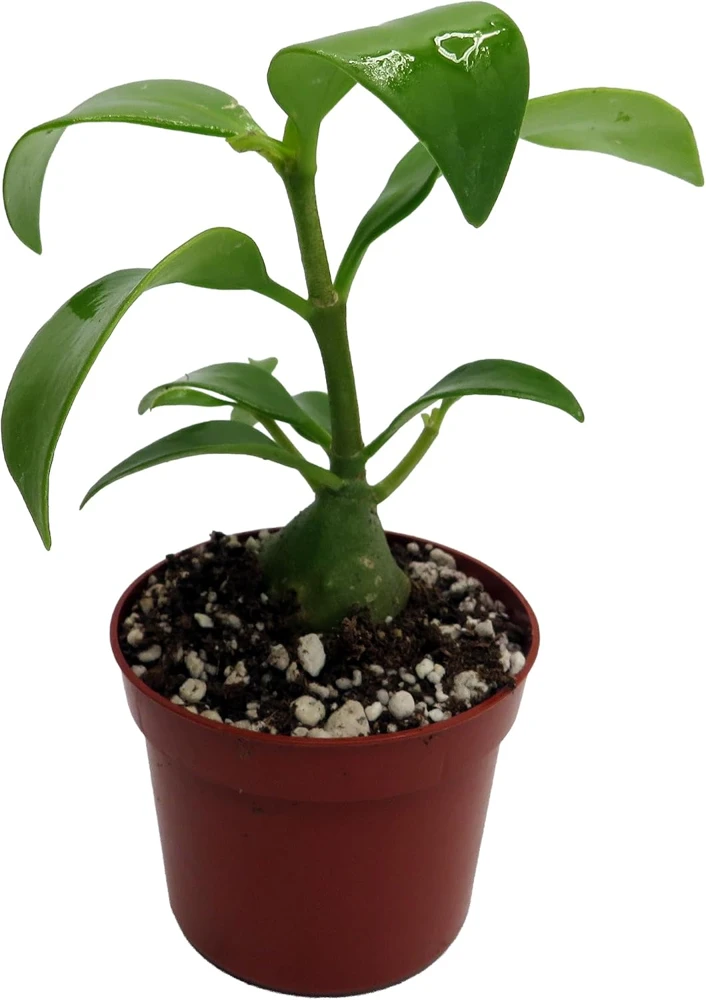
The white desert rose plant is an exquisite tropical succulent renowned for its captivating beauty and resilience. Also known as Adenium obesum, this live plant is admired for its striking pure white, trumpet-shaped flowers that bloom profusely, creating a dazzling display. Its distinctive swollen caudex (trunk) gives it a charming, bonsai-like appearance, making it a focal point in any collection. This particular variety offers glossy green leaves that beautifully contrast with its pristine white blossoms. Ideal for enhancing indoor spaces, patios, or tropical garden settings, the adenium desert rose is a truly unique botanical treasure that thrives with minimal fuss.
Originating from arid regions, the white desert rose plant is perfectly adapted to warm climates and dry conditions, making it an excellent choice for those seeking a low-maintenance yet spectacular addition to their plant family. Its ability to store water in its thick stem contributes to its drought tolerance. Whether you’re a seasoned gardener or a beginner, this plant promises to deliver consistent beauty and an exotic flair to your environment. Embrace the elegance of this unique succulent and enjoy its vibrant blooms.
Key Benefits
The white desert rose plant offers numerous benefits, from its aesthetic appeal to its ease of maintenance, making it a popular choice for plant enthusiasts. Its unique characteristics contribute to its widespread appeal:
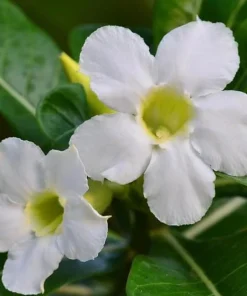
- Stunning Floral Display: Produces abundant pure white, trumpet-shaped flowers that create a dramatic and beautiful visual impact, blooming from spring to fall. These blossoms are a true spectacle, transforming any space into a vibrant oasis.
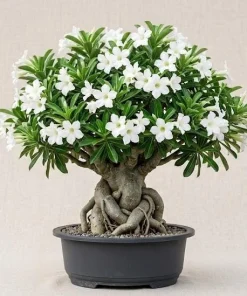
- Unique Bonsai-like Appearance: The naturally swollen caudex (trunk) develops over time, giving the plant an ancient, artistic, and bonsai-like quality, adding significant character to its overall look. This feature makes each plant a living sculpture.
- Drought-Tolerant Succulent: As a succulent, it efficiently stores water, requiring infrequent watering and making it an excellent choice for busy individuals or those in drier climates. This resilience ensures its survival even if you forget to water occasionally.
- Versatile Placement: Thrives equally well indoors as a potted houseplant, on patios, or in outdoor tropical gardens in suitable climates, offering flexibility in how you choose to display it. Its adaptability allows it to fit into various decorative schemes.
- Low Maintenance: Once established, growing desert rose is relatively easy, requiring minimal care beyond proper light and watering practices. This makes it an ideal plant for both novice and experienced gardeners.
- Long Blooming Season: Enjoy its beautiful blooms for an extended period, typically from spring through fall, providing continuous color and interest for many months of the year.
- Exotic Appeal: Adds a distinct tropical and exotic touch to any collection or landscape, instantly elevating the aesthetic of its surroundings. It’s a fantastic conversation starter.
Plant Care & Growing Tips
Proper desert rose plant care is essential for ensuring your white desert rose plant thrives and produces its beautiful blooms. This succulent prefers conditions that mimic its native arid environment. For optimal growth, provide full sun exposure, meaning at least 6 hours of direct sunlight daily. If growing indoors, place it near a south-facing window or use supplemental grow lights to meet its light requirements. Insufficient light can lead to leggy growth and reduced flowering.
Watering is crucial for the health of your adenium desert rose. It requires deep watering, but only when the soil has completely dried out between waterings. Overwatering is a common cause of root rot, so it’s better to underwater than overwater. During its active growing season (spring to fall), you might water more frequently, but reduce watering significantly in winter when the plant may go dormant and lose its leaves. The ideal soil is a well-draining sandy or cactus mix, which prevents waterlogging and promotes healthy root development. Temperatures between 70°F and 95°F are ideal, and it can tolerate USDA Zones 10 to 12. Fertilize sparingly during the growing season with a balanced liquid fertilizer diluted to half strength.
While generally robust, monitor your desert rose succulent for common pests like spider mites or mealybugs, especially if growing indoors. Ensure good air circulation to prevent fungal issues. During winter, expect the plant to lose its leaves; this is a natural dormant phase. Reduce watering and cease fertilization during this period. With proper care, your white desert rose plant will reward you with stunning flowers year after year, showcasing the beauty of growing desert rose successfully.
Size & Details
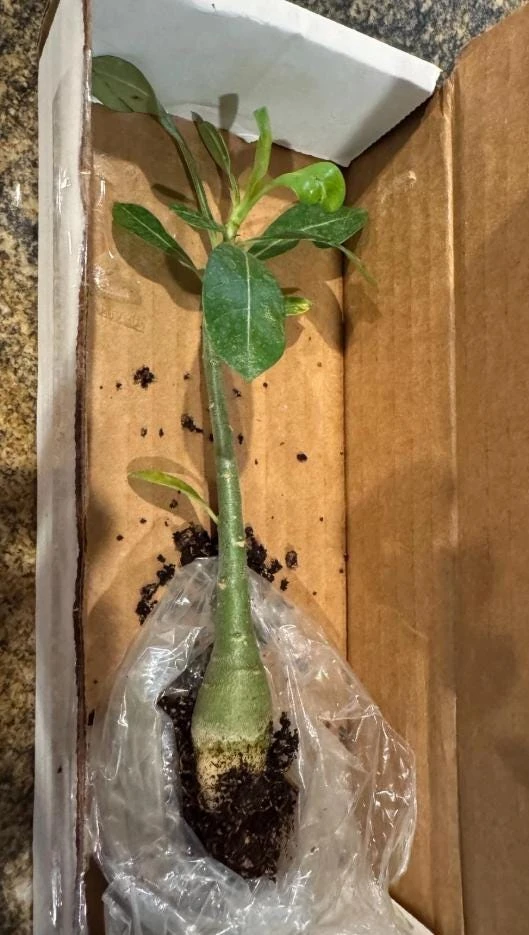
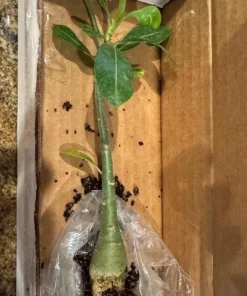
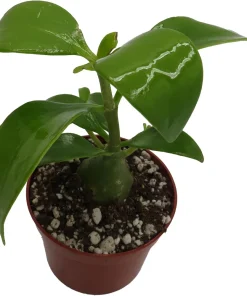
This live white desert rose plant is typically 4 to 6 inches tall when shipped, providing a well-established starter plant ready for your home or garden. It arrives as a healthy, rooted specimen, carefully packaged to ensure its safe journey. With proper care, these plants can grow much larger, eventually developing a magnificent swollen caudex and reaching heights of several feet in suitable conditions over many years. The growth rate is moderate, allowing you to enjoy its evolving form.
It is shipped in a nursery pot, ready for transplanting into your preferred decorative container or garden bed. The plant is in its vegetative state, preparing for its blooming season from spring to fall. Its compact size upon arrival makes it easy to handle and acclimate to its new environment. Expect to see its characteristic glossy green leaves and, in time, its spectacular pure white, trumpet-shaped flowers. This adenium desert rose is a long-lived plant, offering years of beauty and enjoyment with minimal effort.
Frequently Asked Questions
- Q: How big does this plant get? A: This white desert rose plant is currently 4-6 inches tall. With proper care, it can grow much larger over time, developing a thick caudex and reaching several feet in height, especially when planted in the ground in suitable climates.
- Q: What size pot does it come in? A: The plant typically arrives in a small nursery pot, ready for you to transplant into a slightly larger decorative pot of your choosing. We recommend a pot with good drainage.
- Q: Is this an indoor or outdoor plant? A: The white desert rose plant can be grown both indoors and outdoors. It thrives outdoors in USDA Zones 10-12. In colder climates, it is best grown as an indoor houseplant or brought indoors during cooler months.
- Q: How much sunlight does it need? A: This adenium desert rose requires full sun, meaning at least 6 hours of direct sunlight per day, to encourage prolific blooming. If kept indoors, place it in the brightest possible location.
- Q: Is this plant easy to care for? A: Yes, the white desert rose plant is considered relatively easy to care for, especially for those familiar with succulents. The most important aspects of desert rose plant care are providing ample sunlight and avoiding overwatering.
- Q: What condition will it arrive in? A: Your white desert rose plant will arrive as a healthy, live specimen, carefully packaged to minimize stress during transit. It will be rooted in soil, ready for you to acclimate and enjoy.
- Q: How long until it blooms? A: While blooming season is typically spring to fall, the exact time until your specific plant blooms can vary depending on its maturity and the growing conditions you provide. With good light and care, it should bloom within its first year.
- Q: Is it good for beginners? A: Yes, the desert rose succulent can be a good choice for beginners who are mindful of its light and watering needs. Its drought tolerance makes it forgiving if you occasionally forget to water.
- Q: What’s the minimum temperature it can tolerate? A: The white desert rose plant prefers temperatures above 70°F. It can tolerate brief dips to around 40-50°F but should be protected from frost and consistently cold temperatures below 50°F.
- Q: How often should I water my desert rose? A: Water deeply but infrequently. Allow the soil to completely dry out between waterings. In warmer months, this might be once every 1-2 weeks, while in winter, it could be as little as once a month or less.
Be the first to review “White Desert Rose Plant – Live Adenium Succulent 4-6 Inch Tall – Indoor/Outdoor”
People Also Viewed
Houseplants
Starlite Express Weeping Fig Tree – Ficus benjamina Live Plant – 2.5″ Pot – Indoor Houseplant
Uncategorized
Pieris ‘Valley Valentine’ Beautiful Early Spring Bloom Japanese Andromeda Plants- #1 Container Size

Reviews
There are no reviews yet.