


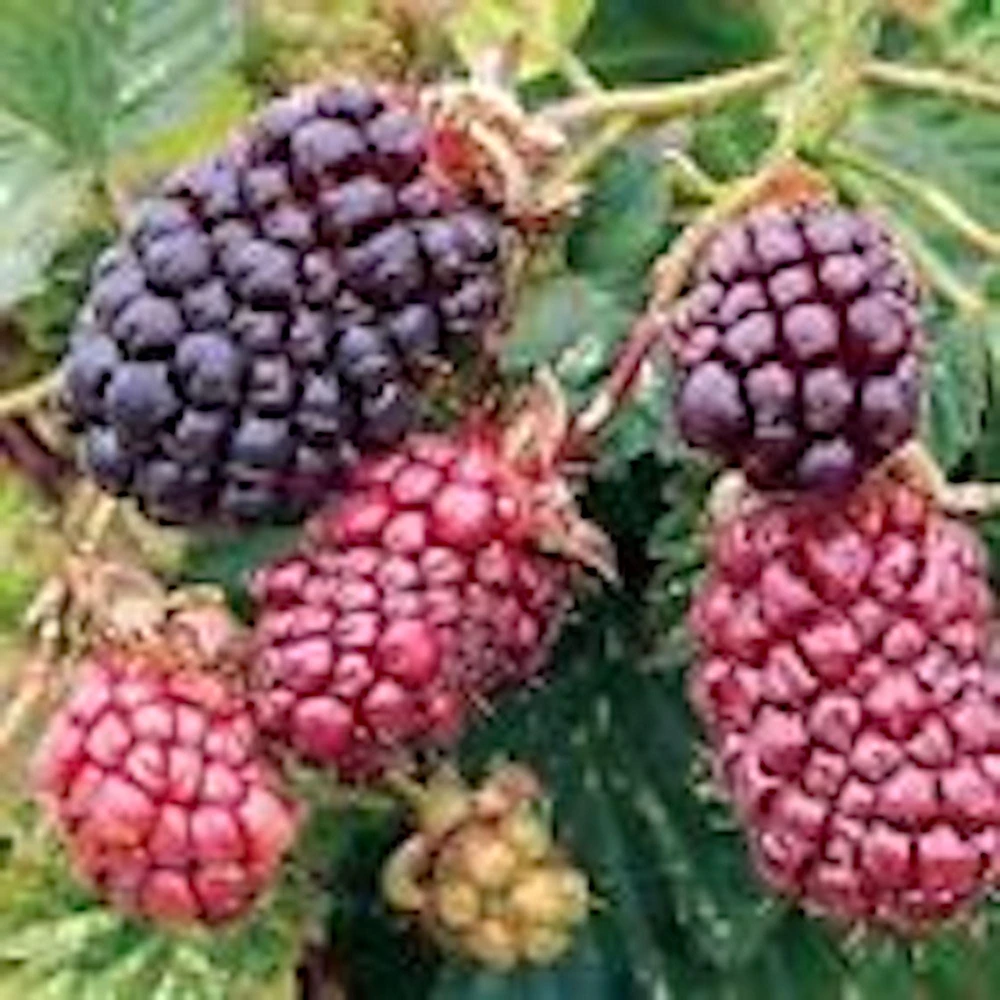

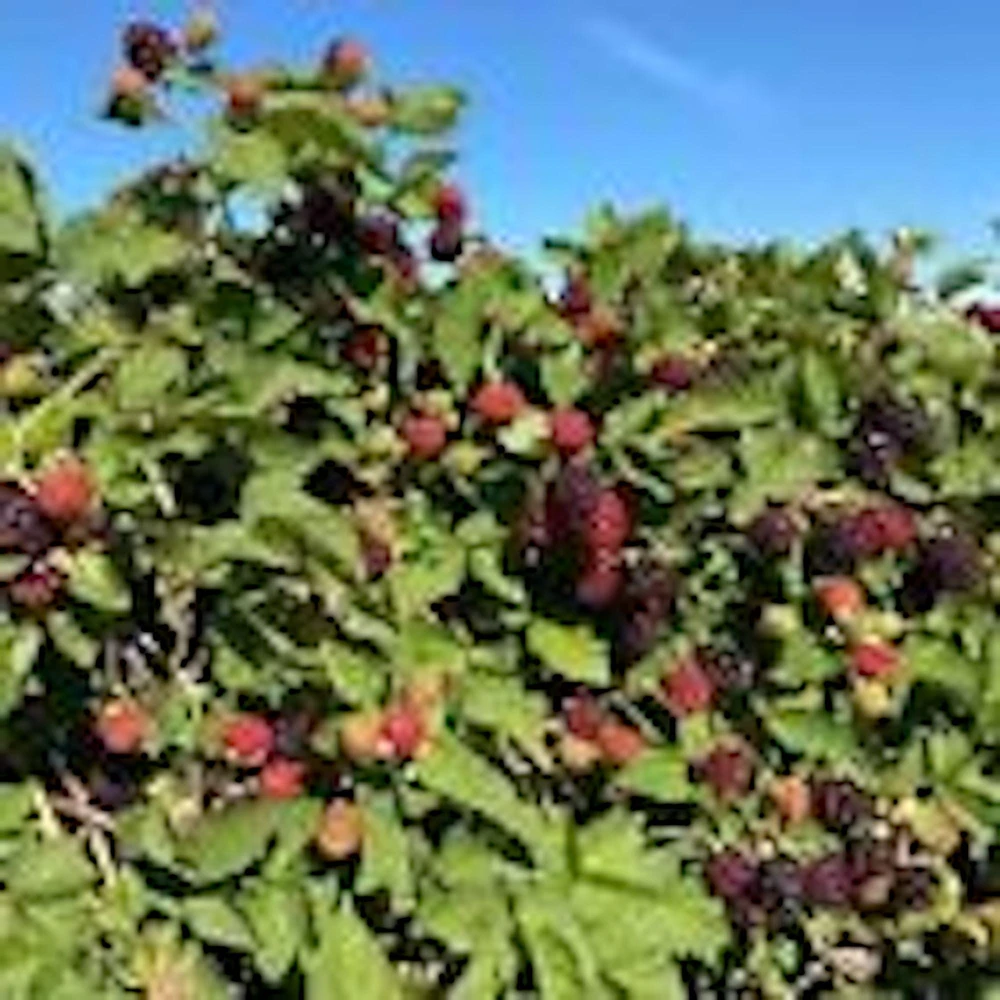

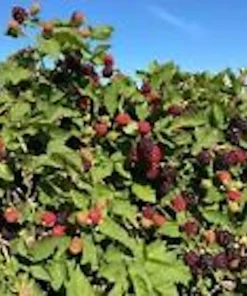

Thornless Boysenberry Live Plant – Rubus Hybrid Fruit Bush Starter
Original price was: $88.99.$63.99Current price is: $63.99.
Cultivate your own delightful berries with this thornless boysenberry plant. A robust Rubus hybrid plant, it’s perfect for home gardens, producing large, sweet-tart fruit ideal for fresh eating or culinary creations. This starter fruit bush is a wonderful addition to any edible landscape.
Estimated arrival
Sep 29
Oct 04 - Oct 06
Oct 09 - Oct 13
Shop With Confidence
30-Day Plant Health Guarantee
Arrives damaged? We’ll replace it free — see our return policy.
Responsive Support
Email us anytime, we reply within 1 business day.
Expert Packaging
Temperature-controlled shipping to protect your plants in transit.
Secure Checkout
Pay safely with Visa, Mastercard, PayPal.
Plant Specifications
-
USDA Hardiness Zone
USDA Zones 5-9 -
Soil Type
Well-draining, rich in organic matter -
Sunlight Exposure
Full sun (6-8+ hours daily) -
Expected Planting Period
Early spring
Overview
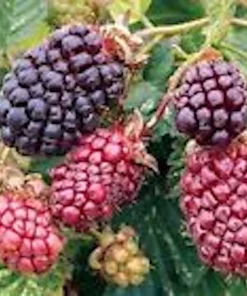
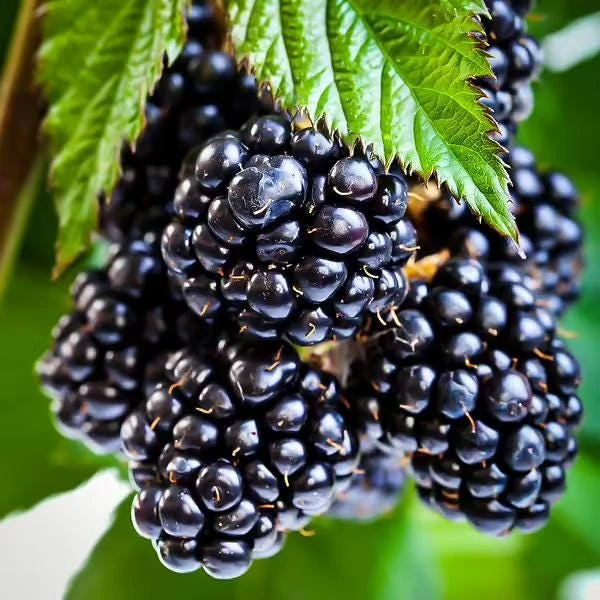
Embark on a rewarding gardening journey with this exceptional thornless boysenberry plant. As a vigorous Rubus hybrid plant, this starter specimen offers the unique opportunity to cultivate your own supply of delicious, large, dark purple to reddish-black berries without the hassle of thorns. The boysenberry, a fascinating hybrid derived from the European raspberry, American blackberry, and loganberry, is celebrated for its distinctive sweet-tart flavor profile. Highly prized in the culinary world, these berries are perfect for crafting exquisite jams, jellies, pies, and an array of other desserts. This perennial fruit bush will become a cherished feature in your garden, providing bountiful harvests year after year for fresh enjoyment or preservation.
Our thornless boysenberry plant is a bare-root starter, ensuring a healthy and robust beginning for your garden. It’s an excellent choice for both novice and experienced gardeners looking to expand their edible landscape with a productive and easy-to-manage fruit producer. Experience the joy of harvesting your own succulent boysenberries straight from your backyard.
Key Benefits
Adding a thornless boysenberry plant to your garden offers numerous advantages, from delicious harvests to aesthetic appeal. This productive fruit bush provides a continuous supply of versatile berries for all your culinary needs.
- Abundant Thornless Harvests: Enjoy generous yields of large, flavorful boysenberries without the prickles, making harvesting a pleasant and easy task for everyone. This makes the grow boysenberry experience much more enjoyable.
- Exceptional Flavor Profile: The berries boast a unique sweet-tart taste, a perfect blend of raspberry, blackberry, and loganberry, making them ideal for fresh eating, baking, and preserves.
- Versatile Culinary Use: From homemade jams, jellies, and pies to smoothies, sauces, and desserts, the boysenberry’s rich flavor enhances a wide range of dishes.
- Robust Perennial Growth: As a perennial shrub, once established, your Rubus hybrid plant will return year after year, providing consistent fruit production with proper care.
- Attractive Garden Addition: Beyond its fruit, the sprawling growth habit and lush foliage of the boysenberry plant can add an attractive, natural element to your garden or edible landscape.
- Homegrown Goodness: Cultivating your own berries ensures you have access to fresh, pesticide-free fruit, contributing to a healthier lifestyle and greater food independence.
- Relatively Low Maintenance: With appropriate boysenberry care, these plants are quite resilient and can thrive, rewarding gardeners with delicious fruit for minimal effort.
Plant Care & Growing Tips
Proper boysenberry care is essential for a healthy and productive plant. These perennial shrubs thrive with adequate sunlight, well-draining soil, and consistent watering. For optimal growth and fruiting, choose a site that receives at least 6-8 hours of full sun daily. Boysenberries prefer a slightly acidic to neutral soil (pH 6.0-7.0) that is rich in organic matter and drains well to prevent root rot. If your soil is heavy clay, amend it with compost or other organic materials to improve drainage and fertility.
Water your thornless boysenberry plant regularly, especially during dry spells and when the fruit is developing. Aim to keep the soil consistently moist but not waterlogged. Deep watering encourages a strong root system. Fertilize in early spring with a balanced slow-release fertilizer or an organic berry food, following the product instructions. Pruning is crucial for boysenberry production; typically, canes that have fruited should be cut back to the ground after harvest, and new canes should be trained for the following year’s crop. This practice helps maintain plant vigor and maximizes yield for your fruit bush starter.
Boysenberries are generally hardy in USDA zones 5-9. In colder climates, provide winter protection by mulching heavily around the base of the plant. Watch out for common pests like aphids and spider mites, and diseases such as anthracnose or rust. Good air circulation and proper sanitation can help prevent many issues. With these care guidelines, you can successfully grow boysenberry plants that yield abundant, delicious fruit.
Size & Details
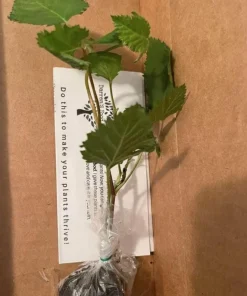
This offering is for a thornless boysenberry plant supplied as a bare-root starter. The plant is ready for immediate planting upon arrival, providing a strong foundation for future growth. Boysenberry plants are vigorous growers, typically developing into sprawling vines or shrubs. When left unpruned, they can reach heights of 4 to 6 feet (1.2 to 1.8 meters) and spread widely, up to 6 to 8 feet (1.8 to 2.4 meters). We ship these plants bare root, meaning they are sent without soil or a pot, which helps reduce shipping stress and allows for easy transplanting into your garden or a larger container. Expect your plant to establish quickly with proper planting and initial care, leading to fruit production in subsequent seasons.
The Rubus hybrid plant is known for its relatively fast growth rate once established, with berries typically ripening in mid-summer. While the exact size of the starter plant may vary slightly, it will be a healthy, viable specimen ready to thrive in its new environment. These plants are grown for their delicious fruit and their ability to adapt to various garden settings, becoming a productive part of your edible landscape.
Frequently Asked Questions
- Q: How big will my thornless boysenberry plant get? A: A mature thornless boysenberry plant can grow into a sprawling vine or shrub, reaching heights of 4 to 6 feet and spreading 6 to 8 feet wide when unpruned. Regular pruning helps manage its size.
- Q: Is this an indoor or outdoor plant? A: Boysenberry plants are primarily outdoor plants, thriving in garden settings where they can receive ample sunlight and space to grow. They are not typically grown as indoor houseplants.
- Q: How much sunlight does a boysenberry plant need? A: To successfully grow boysenberry plants and ensure optimal fruit production, they require at least 6-8 hours of direct sunlight per day. Full sun exposure is best.
- Q: Is this plant easy to care for? A: Boysenberry plants are considered relatively easy to care for, especially the thornless varieties. They require consistent watering, annual pruning, and good soil conditions. Following basic boysenberry care guidelines will lead to success.
- Q: What condition will the plant arrive in? A: Your fruit bush starter will arrive as a bare-root plant, meaning it will be shipped without soil or a pot. This method minimizes transplant shock and ensures the plant is ready for immediate planting.
- Q: When is the best time to plant a boysenberry? A: The best time to plant boysenberries is in early spring after the danger of hard frost has passed, allowing the plant to establish its root system before the summer heat.
- Q: How long until my boysenberry plant produces fruit? A: Boysenberry plants typically begin producing fruit in their second year after planting, with full production usually achieved by the third year.
- Q: What USDA Hardiness Zones are suitable for boysenberries? A: Boysenberry plants are generally hardy in USDA Zones 5-9, meaning they can tolerate winter temperatures down to about -20°F (-29°C) with proper care and protection in colder zones.
- Q: Can I use the boysenberries for canning and freezing? A: Absolutely! The rich, sweet-tart flavor of boysenberries makes them excellent for canning into jams and jellies, or freezing for later use in pies, smoothies, and other desserts.
- Q: What kind of soil is best for a Rubus hybrid plant? A: A Rubus hybrid plant like the boysenberry prefers well-draining soil that is rich in organic matter, with a slightly acidic to neutral pH (6.0-7.0).
Be the first to review “Thornless Boysenberry Live Plant – Rubus Hybrid Fruit Bush Starter”
People Also Viewed
Flowers
Cuphea Ignea Live Plant – Mexican Cigar Plant – 2 Pack – 5-9 inch – Orange Firecracker Flower
Reviews
There are no reviews yet.