
Black Gum Tree Live Plant – Nyssa sylvatica – 12-24″ Tall Starter Plant in Quart Pot
Original price was: $74.99.$49.99Current price is: $49.99.
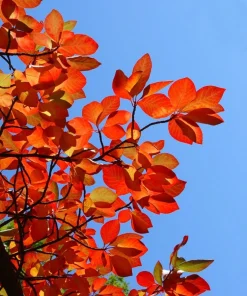
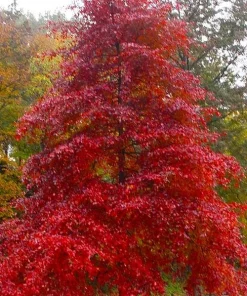
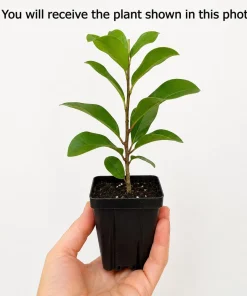
Bring home a beautiful black gum tree live plant (Nyssa sylvatica), a native tree known for its spectacular multi-colored fall foliage. This resilient 12-24″ starter plant ships bare root, offering a low-maintenance landscaping choice for your garden.
Estimated arrival
Sep 29
Oct 04 - Oct 06
Oct 09 - Oct 13
Shop With Confidence
30-Day Plant Health Guarantee
Arrives damaged? We’ll replace it free — see our return policy.
Responsive Support
Email us anytime, we reply within 1 business day.
Expert Packaging
Temperature-controlled shipping to protect your plants in transit.
Secure Checkout
Pay safely with Visa, Mastercard, PayPal.
Plant Specifications
-
USDA Hardiness Zone
USDA Zones 4-9 -
Soil Type
Well-draining, acidic to neutral loam -
Sunlight Exposure
Full sun to partial shade -
Expected Planting Period
Early spring or late fall
Overview
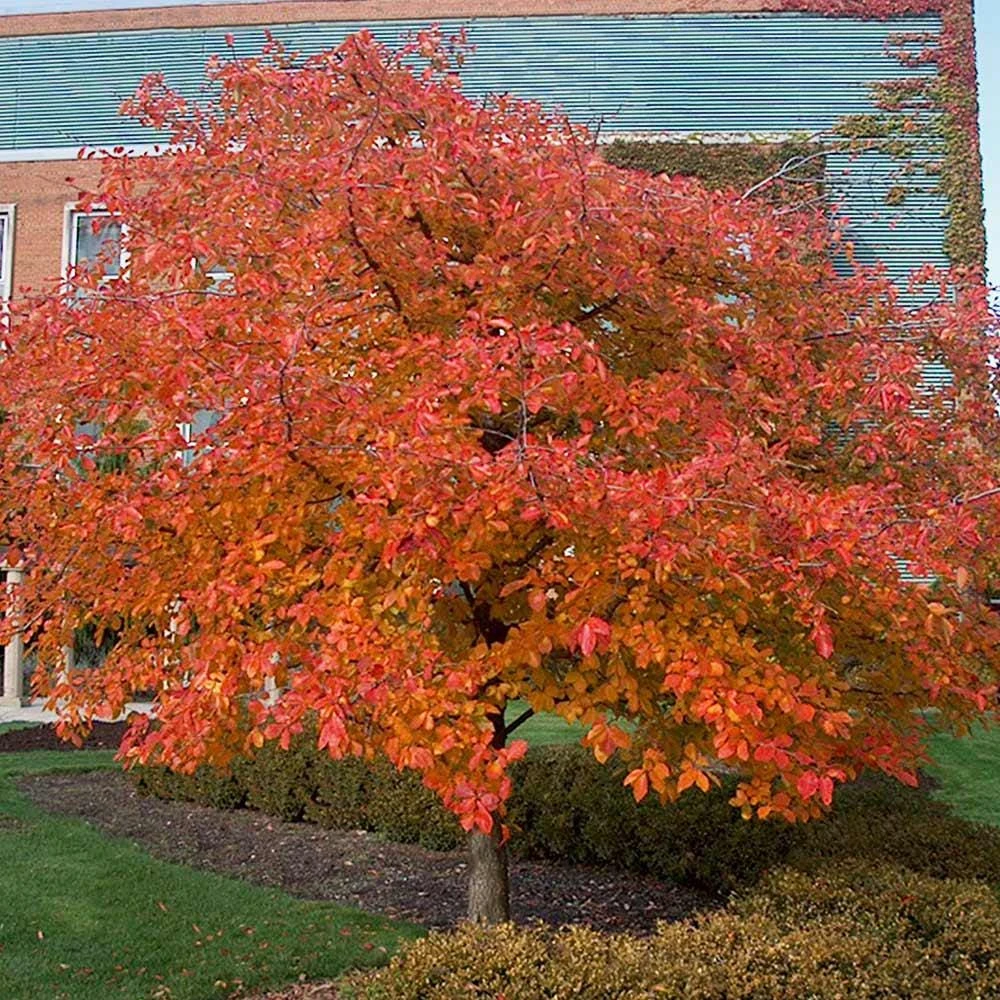
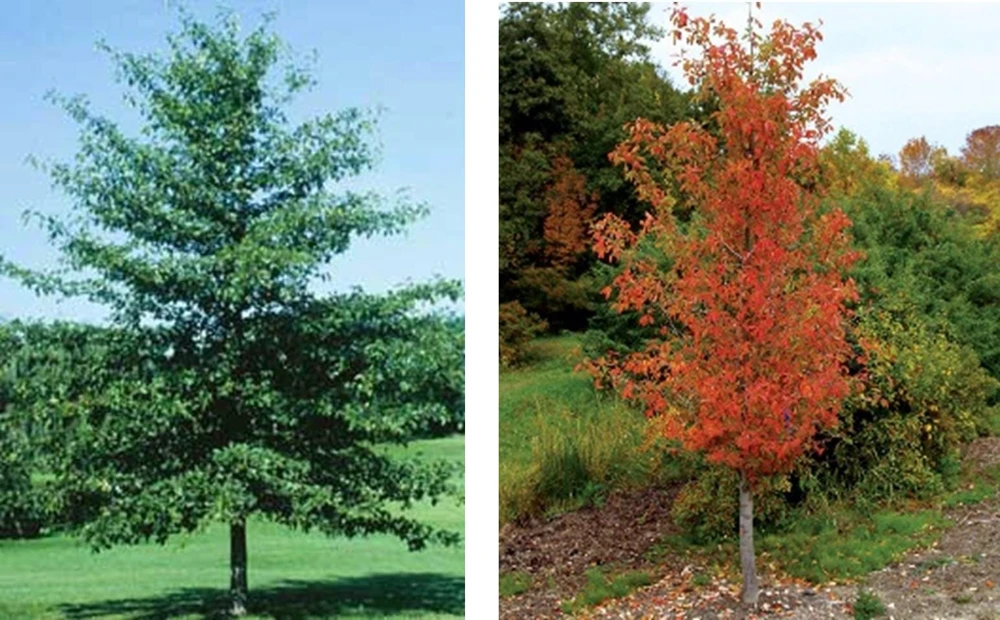
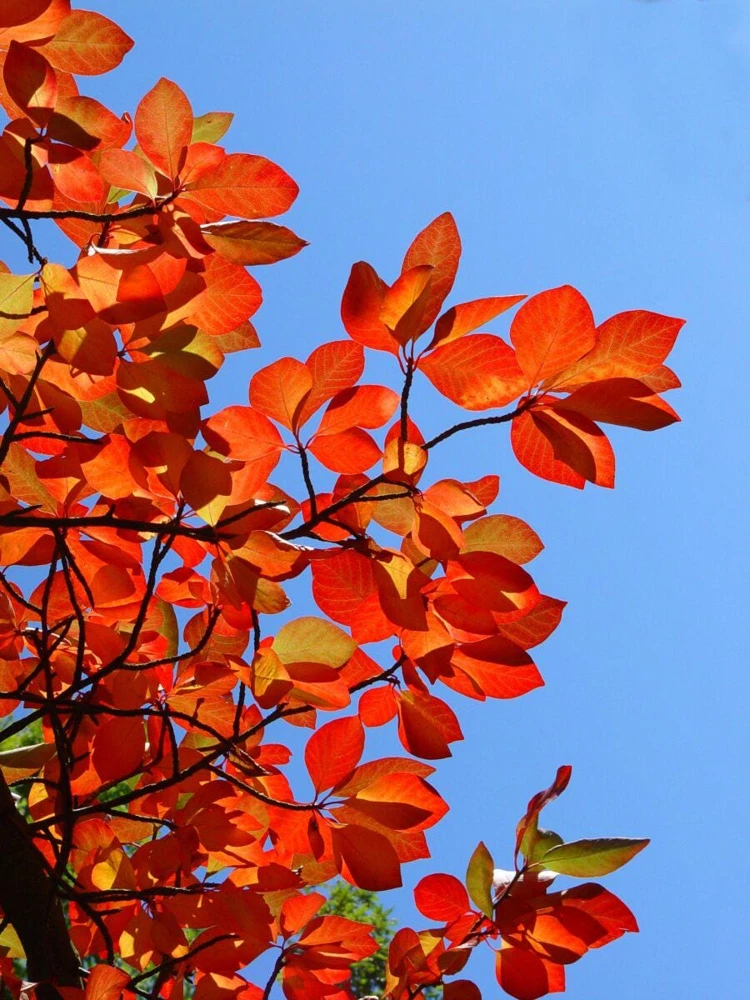
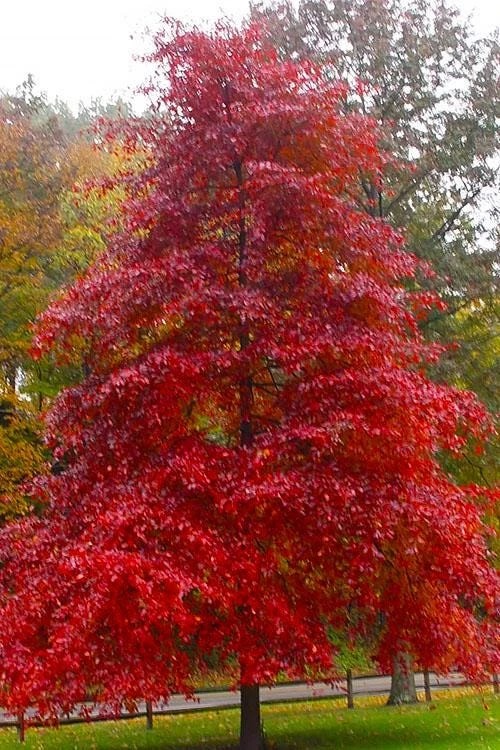
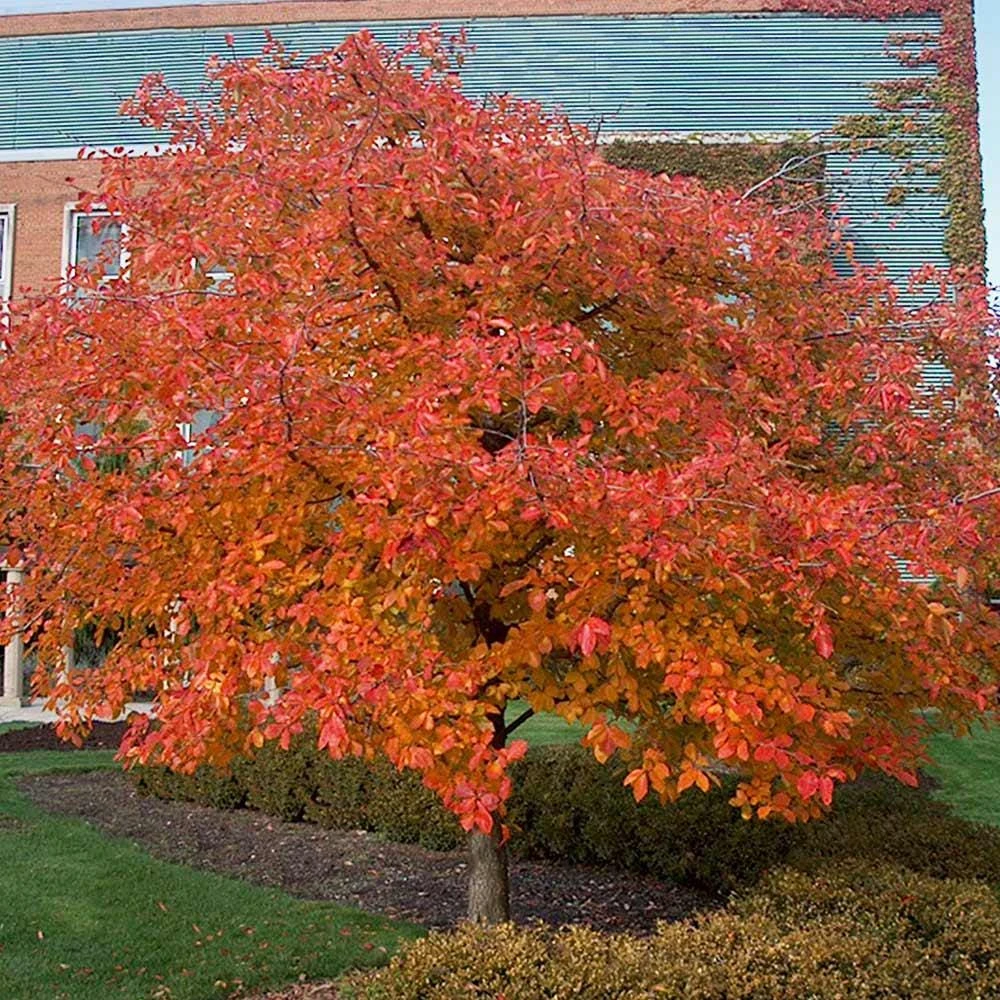
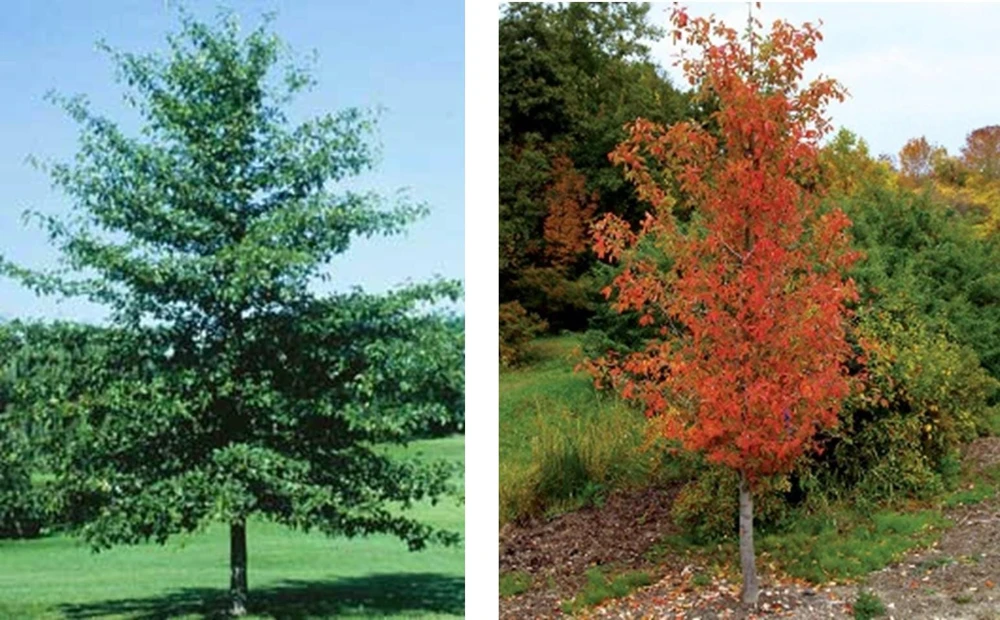
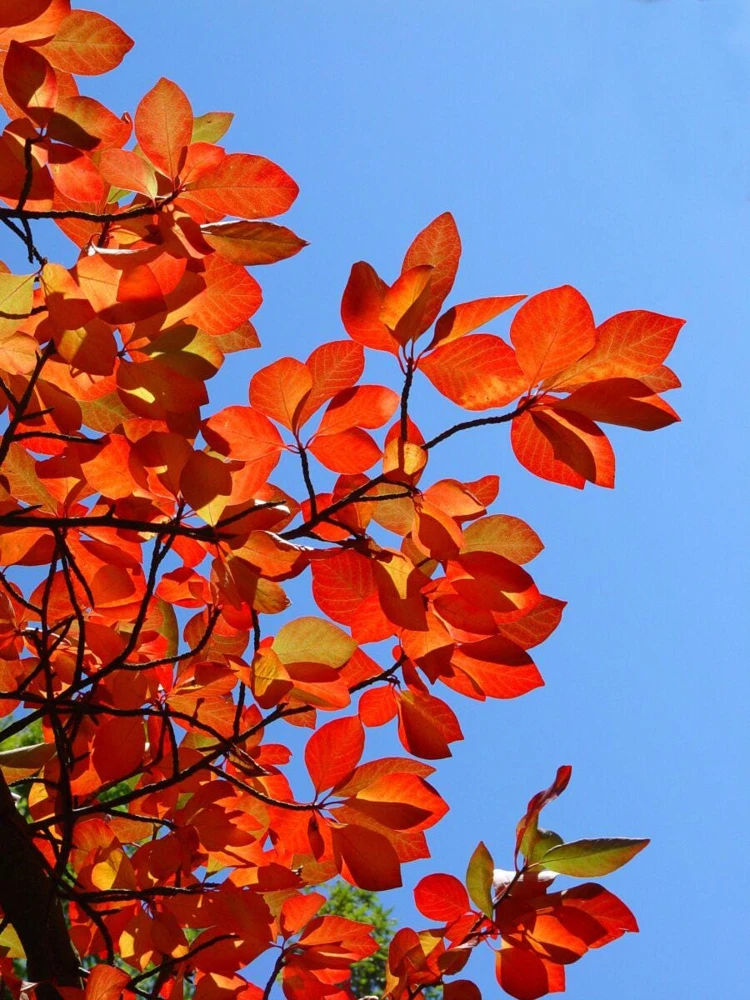
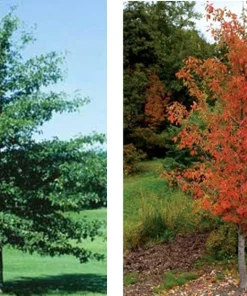
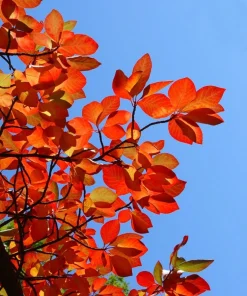
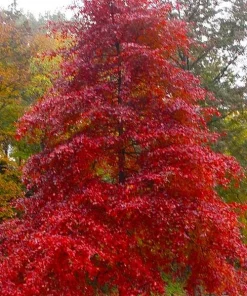
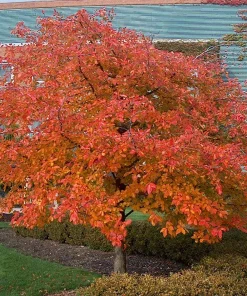
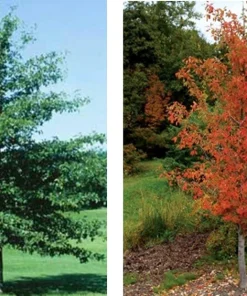
Introduce a touch of native beauty to your landscape with the black gum tree live plant (Nyssa sylvatica). Also widely recognized as the black tupelo tree or sour gum tree, this exceptional specimen is celebrated for its breathtaking, multi-colored fall foliage that transitions from vibrant greens to fiery reds, oranges, and purples. A true gem for any garden, this native tree not only offers stunning visual appeal but also provides significant value to local wildlife, making it an excellent choice for ecological gardening. Our starter plant, measuring 12-24″ tall, ships bare root, ready to establish in its new home. The Black Gum is a resilient and relatively low-maintenance tree, perfect for both novice and experienced gardeners seeking a robust and beautiful addition to their outdoor space.
This particular offering is for a healthy black gum tree live plant, ready to be planted upon arrival. Its adaptability to various soil conditions once established, from wet to dry, makes it a versatile option for different landscape designs. Enjoy the seasonal transformation of this magnificent tree, from its lush summer greenery to its dazzling autumnal display, providing continuous interest throughout the year.
Key Benefits
The Black Gum Tree offers a multitude of benefits, making it a highly desirable addition to any landscape. Its unique characteristics contribute to both aesthetic appeal and environmental health.
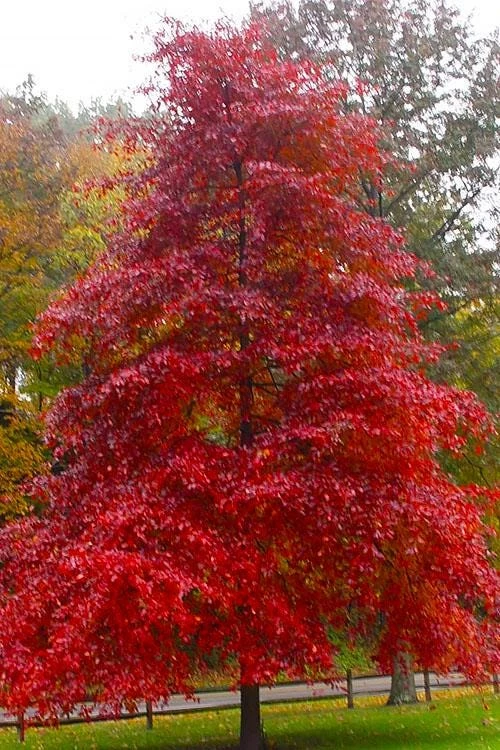
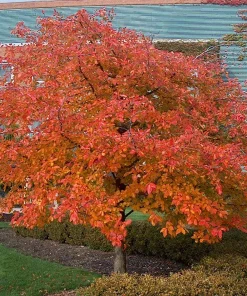
- Spectacular Fall Color: The Nyssa sylvatica is renowned for its brilliant and consistent fall foliage trees, displaying a stunning palette of reds, oranges, and purples that can transform your garden into a seasonal masterpiece. This vibrant display is a major highlight and a key reason for its popularity.
- Wildlife Attraction: This tree is a valuable asset to local ecosystems. Its small, dark blue fruits provide an important food source for birds and other wildlife, attracting a diverse array of species to your property.
- Adaptable and Resilient: Once established, the nyssa sylvatica tree is remarkably adaptable to a wide range of soil conditions, including both wet and dry areas. This resilience makes it a versatile choice for various landscape settings and reduces the need for constant monitoring.
- Low Maintenance: Beyond its initial establishment, the black gum tree requires minimal care, making it an ideal choice for gardeners seeking a beautiful yet undemanding specimen. It generally resists most pests and diseases.
- Native Species: As a native tree, the Black Gum integrates seamlessly into local environments, contributing to biodiversity and supporting native flora and fauna. Planting native species like the sour gum tree helps maintain ecological balance.
- Distinctive Form: The tree develops an attractive pyramidal to oval shape, providing excellent structural interest in the landscape year-round, even after its leaves have fallen.
- Long-Lived: Black Gum trees are known for their longevity, offering many decades of beauty and ecological benefits to your home and environment.
Plant Care & Growing Tips
Caring for your black gum tree live plant is relatively straightforward, especially once it’s established. This resilient native tree thrives with proper initial care. For sunlight, the Black Gum prefers full sun to partial shade, meaning it needs at least 6 hours of direct sunlight daily for optimal growth and the most vibrant fall color. While it tolerates some shade, too much will reduce flowering and fall intensity. When it comes to watering, young trees need consistent moisture, especially during dry spells. Water deeply once or twice a week, ensuring the soil is moist but not waterlogged. Once mature, the nyssa sylvatica tree is quite drought-tolerant, but supplemental watering during extended dry periods will be beneficial. The ideal soil type is a rich, well-draining, acidic to neutral loam, though it adapts well to both wet and dry conditions once established. Good drainage is crucial to prevent root rot.
The Black Gum is hardy in USDA zones 4-9, making it suitable for a wide range of climates across the US. It prefers moderate temperatures and can withstand both cold winters and hot summers. Fertilization is generally not necessary for established trees in good soil, but young trees can benefit from a balanced, slow-release fertilizer in early spring. Avoid over-fertilizing, which can harm the root system. Common problems are few, as the Black Gum is relatively pest and disease resistant. Keep an eye out for leaf spot or canker, which are rare but can occur in stressed trees. Ensure good air circulation and avoid overhead watering to minimize fungal issues. The tree’s natural resilience makes it an excellent choice for a hassle-free, long-term landscape investment, offering spectacular fall foliage trees without extensive effort.
Size & Details
This offering is for one black gum tree live plant, typically measuring 12-24 inches tall at the time of shipment. The actual height upon arrival will be within this range, with a minimum height of 6-12 inches as a starter plant. It is provided as a bare root specimen, meaning it will arrive without soil around its roots, carefully packaged to ensure health during transit. This method allows for easier transplanting and establishment. The plant is grown in a quart-sized container before being carefully prepared for bare root shipping. The Black Gum tree is known for its moderate to fast growth rate, eventually reaching heights of 30-50 feet with a spread of 20-30 feet at maturity, forming a stately, attractive silhouette.
The tree will begin to show its spectacular sour gum tree fall colors in its second or third year, with the display becoming more vibrant as the tree matures. While it ships as a starter plant, with proper care, it will quickly develop into a prominent feature in your garden. The bare root format allows the plant to focus its energy on root development once planted, leading to a strong foundation for future growth. Expect the tree to establish well within its first growing season, providing years of natural beauty and ecological benefits. This black tupelo tree is a long-term investment in your landscape.
Frequently Asked Questions
- Q: How big does this black gum tree live plant get? A: This starter plant is 12-24 inches tall upon arrival. At maturity, a Black Gum Tree (Nyssa sylvatica) can reach an impressive height of 30-50 feet with a spread of 20-30 feet, providing substantial shade and visual impact.
- Q: Is this an indoor or outdoor plant? A: The black gum tree live plant is an outdoor tree, best suited for landscaping in gardens, parks, or naturalized areas. It requires outdoor conditions to thrive and cannot be grown indoors long-term.
- Q: How much sunlight does the Nyssa sylvatica tree need? A: This tree prefers full sun to partial shade. For the most vibrant fall foliage trees and optimal growth, aim for at least 6 hours of direct sunlight per day.
- Q: Is this plant easy to care for? A: Yes, once established, the Black Gum Tree is considered a low-maintenance plant. It is resilient and adaptable to various soil conditions, making it a good choice for both beginner and experienced gardeners.
- Q: What condition will the sour gum tree arrive in? A: This Black Gum Tree ships bare root. It will be carefully packaged to ensure its health during transit, with its roots protected and ready for planting upon arrival.
- Q: When is the best time to plant a black tupelo tree? A: The best time to plant bare root trees like the black tupelo tree is typically in early spring or late fall when the tree is dormant. This allows the roots to establish before extreme weather conditions.
- Q: Will this tree survive winter in my zone? A: The Black Gum Tree (Nyssa sylvatica) is hardy in USDA Zones 4-9. If your region falls within these zones, the tree should successfully tolerate winter conditions.
- Q: What type of soil does the black gum tree prefer? A: The black gum tree live plant is adaptable but prefers rich, well-draining, acidic to neutral soil. Once established, it tolerates both wet and dry conditions, making it quite versatile.
- Q: How long until the black gum tree shows its fall colors? A: While young trees may show some color, the spectacular, vibrant fall foliage trees display that the Black Gum is famous for typically begins to appear more prominently in its second or third year after planting, becoming more intense with age.
- Q: Is the black gum tree good for attracting wildlife? A: Absolutely. The Black Gum Tree produces small, dark blue fruits that are a valuable food source for a variety of birds and other wildlife, making it an excellent choice for supporting local ecosystems.
Be the first to review “Black Gum Tree Live Plant – Nyssa sylvatica – 12-24″ Tall Starter Plant in Quart Pot”
People Also Viewed
Reviews
There are no reviews yet.