

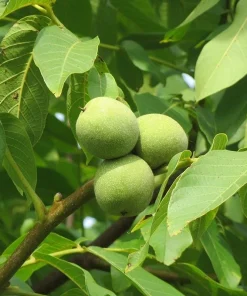
White Walnut Tree (Butternut) Live Plant – Juglans cinerea – 12-24in Tall
Original price was: $74.99.$49.99Current price is: $49.99.
Cultivate your own white walnut tree, commonly known as the butternut tree live plant (Juglans cinerea). This deciduous nut tree offers distinctive bark and elongated nuts, growing 12-24 inches tall. Perfect for adding a unique native species to your landscape.
Estimated arrival
Sep 29
Oct 04 - Oct 06
Oct 09 - Oct 13
Shop With Confidence
30-Day Plant Health Guarantee
Arrives damaged? We’ll replace it free — see our return policy.
Responsive Support
Email us anytime, we reply within 1 business day.
Expert Packaging
Temperature-controlled shipping to protect your plants in transit.
Secure Checkout
Pay safely with Visa, Mastercard, PayPal.
Plant Specifications
-
USDA Hardiness Zone
USDA Zones 3-7 -
Soil Type
Well-draining loamy soil -
Sunlight Exposure
Full sun to partial shade -
Expected Planting Period
Early spring
Overview
Introducing the white walnut tree (Juglans cinerea), often referred to as the butternut tree live plant, a magnificent deciduous nut tree native to the eastern regions of North America. This particular offering provides a vigorous live plant, typically measuring 12-24 inches tall, ready to establish in your garden or homestead. Known for its unique characteristics, including silvery-gray bark and distinct “mustache” leaf scars, the white walnut tree stands apart from its more common cousin, the black walnut. It’s a slow-growing species that adds significant long-term value and beauty to any landscape, providing both visual interest and edible nuts. Embrace the opportunity to grow a piece of North American botanical heritage with this robust Juglans cinerea specimen.
The white walnut tree is not just a source of delicious nuts; it’s also a valuable addition to wildlife habitats and offers considerable aesthetic appeal. Its sturdy structure and broad canopy, once mature, provide ample shade and a natural focal point. This live plant provides a direct way to begin cultivating this unique species, ensuring a healthy start for a tree that can thrive for many years. Whether you’re a seasoned gardener or just starting, the butternut tree is a rewarding choice.
Key Benefits
Adding a white walnut tree to your property offers a range of compelling benefits beyond just its ornamental value. This butternut tree live plant is a versatile and enriching choice for any landscape:
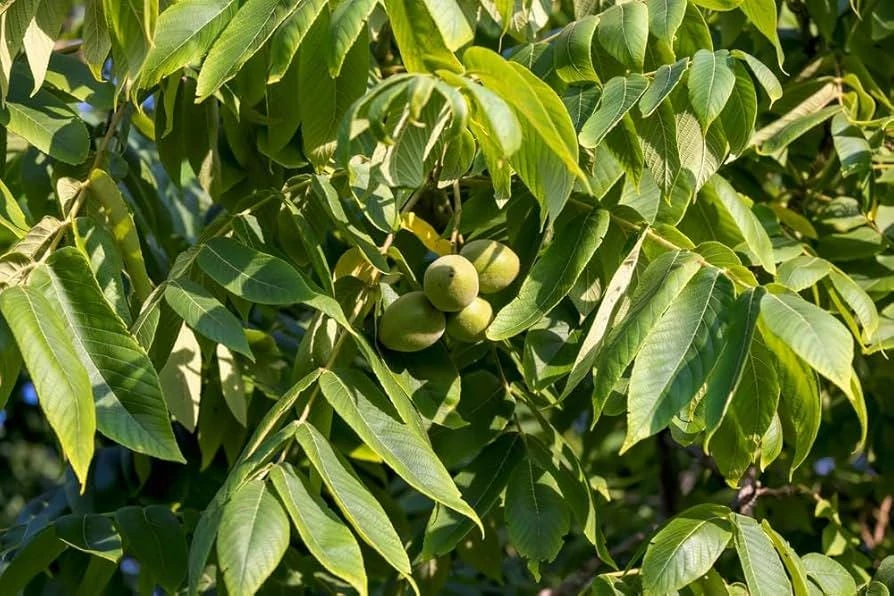
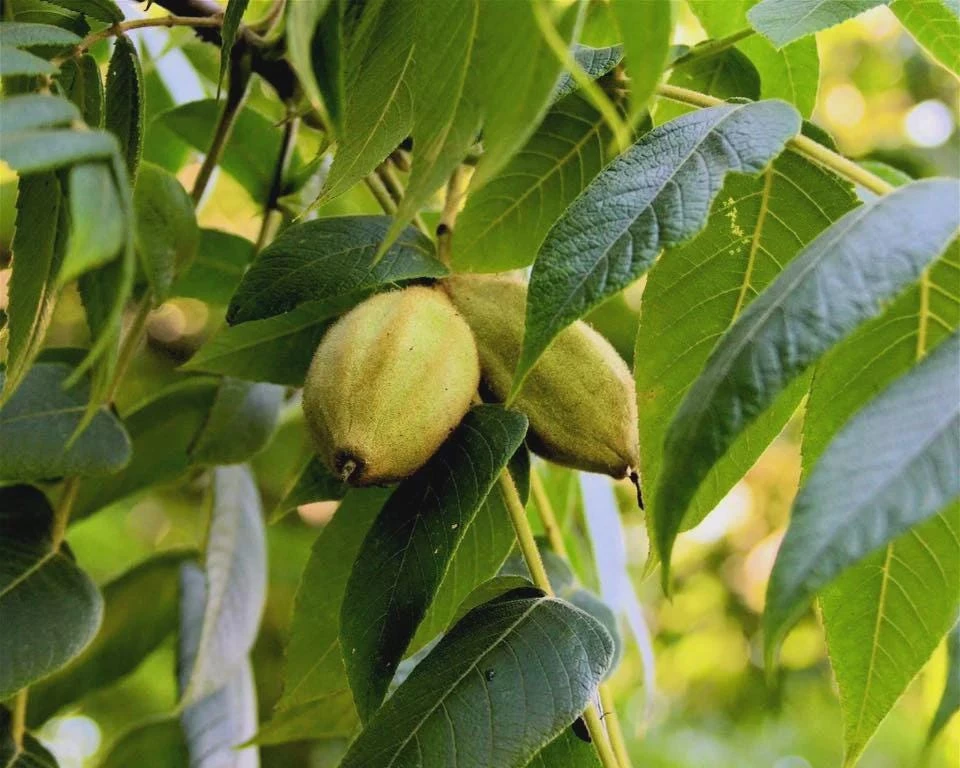
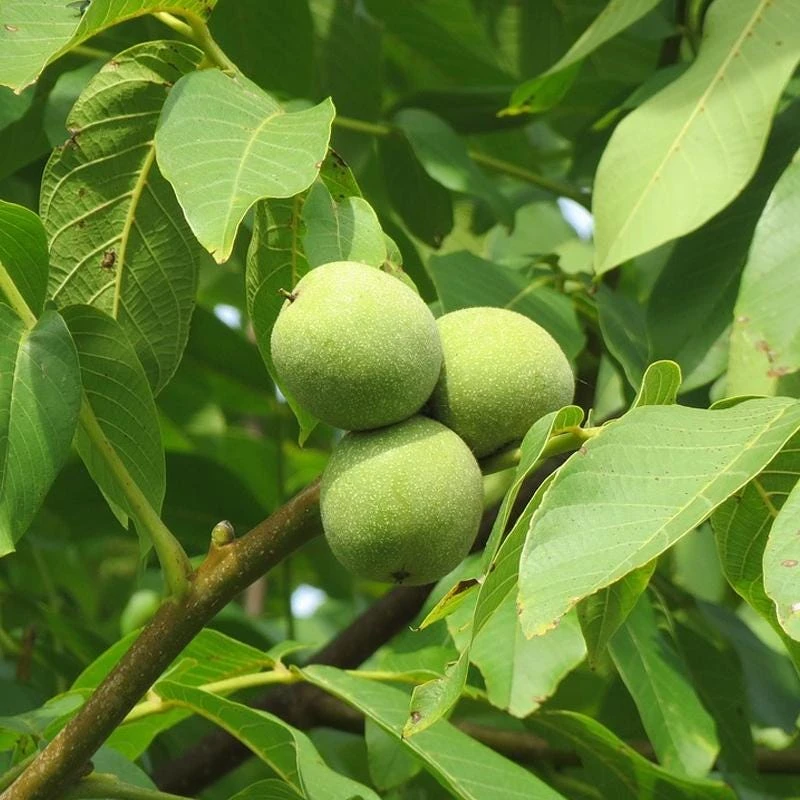
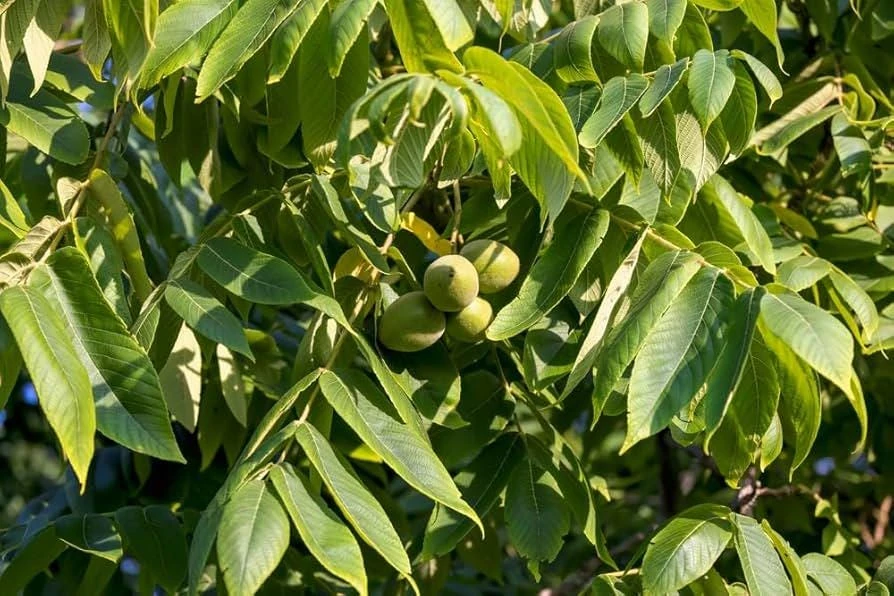
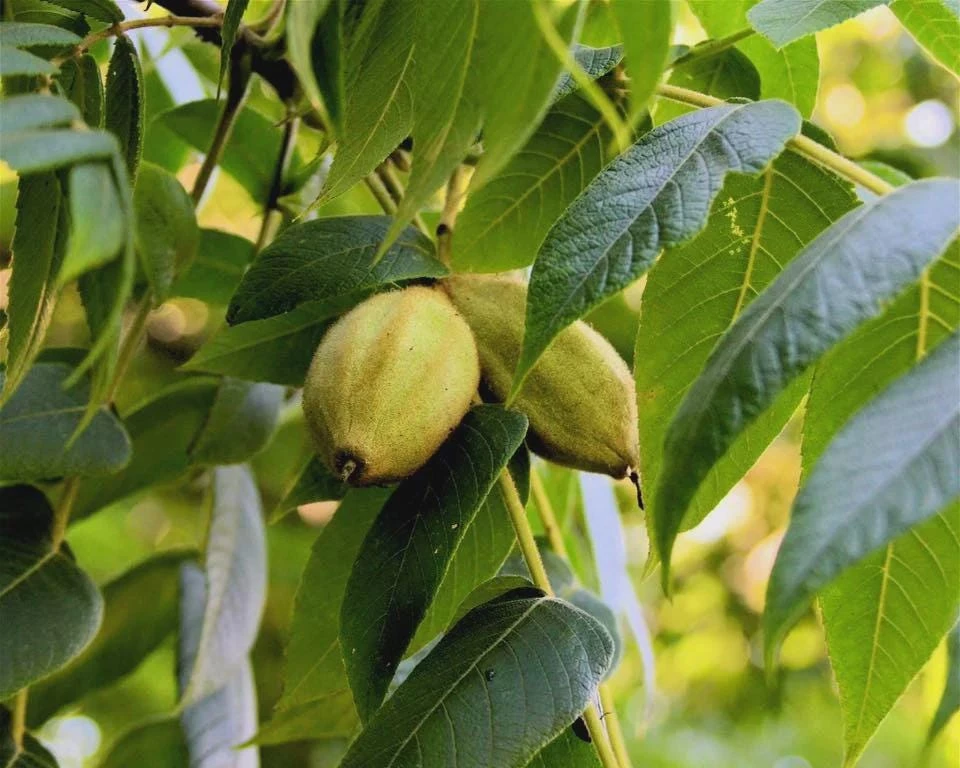
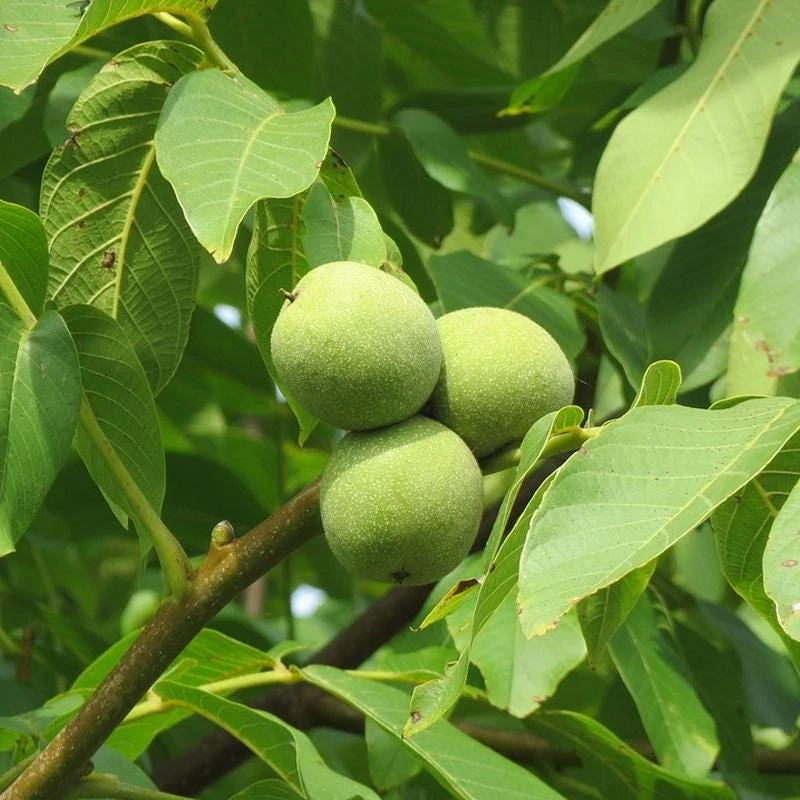
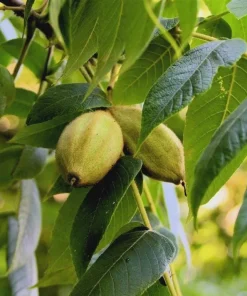
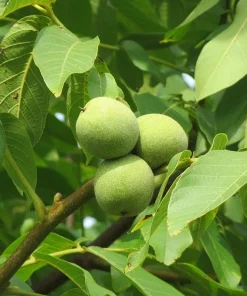
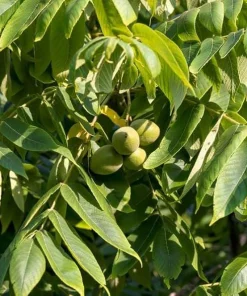
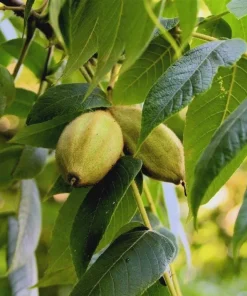
- Unique Edible Nuts: Produces elongated, lemon-shaped nuts (about 2 inches long) encased in a sticky, hairy husk, which are distinct from black walnuts. These nuts are prized for their rich, buttery flavor, making them excellent for baking and culinary uses.
- Distinctive Appearance: Features attractive silvery-gray bark and unique “mustache” leaf scars, providing year-round visual interest in your garden. Its strong form and deciduous nature contribute to a dynamic landscape.
- Native Ecosystem Support: As a native North American species, the Juglans cinerea supports local wildlife, providing food and habitat for various animals, contributing to biodiversity.
- Long-Term Investment: A slow-growing but long-lived tree, it represents a lasting investment in your property, increasing its value and beauty over decades.
- Shade and Shelter: Once mature, this walnut tree for sale will provide ample shade, helping to cool your home and outdoor living spaces during warmer months.
- Educational Value: Offers a wonderful opportunity to observe and learn about a native deciduous nut tree from its early stages of growth to maturity.
Plant Care & Growing Tips
Caring for your white walnut tree ensures its healthy growth and eventual nut production. As a butternut tree live plant, it requires specific conditions to thrive. Plant your young tree in a location that receives full sun to partial shade, ideally at least 6 hours of direct sunlight per day. It prefers deep, well-drained loamy soil, but can tolerate a range of soil types as long as they are not waterlogged. Ensure the planting site has good air circulation and enough space for the tree to grow to its mature size, as it can become quite large over time.
Watering is crucial for young Juglans cinerea trees. During the first few years after planting, water regularly to keep the soil consistently moist, especially during dry periods. Once established, the white walnut tree becomes more drought-tolerant. Fertilize annually in early spring with a balanced, slow-release fertilizer designed for trees, following package instructions. Pruning should be done in late winter or early spring while the tree is dormant to remove any dead, damaged, or crossing branches, which helps maintain its structure and promotes healthy growth. This walnut tree for sale is generally hardy and resilient, but keep an eye out for common pests and diseases, addressing them promptly.
The deciduous nut tree is hardy in USDA zones 3-7. It can tolerate cold winters, but protection for very young trees in the coldest zones may be beneficial. Ensure proper drainage to prevent root rot, and avoid planting in areas where water tends to collect. With proper care, your white walnut tree will flourish, providing beauty and bountiful harvests for years to come.
Size & Details
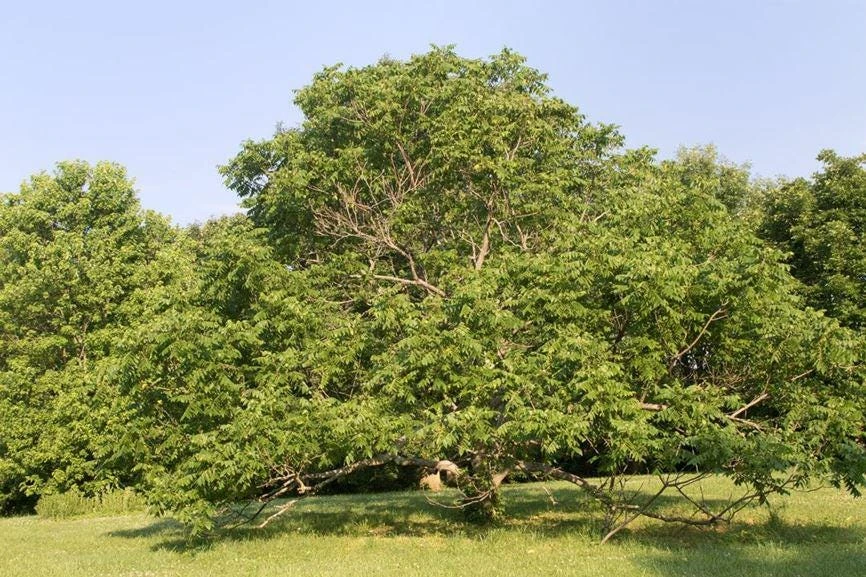
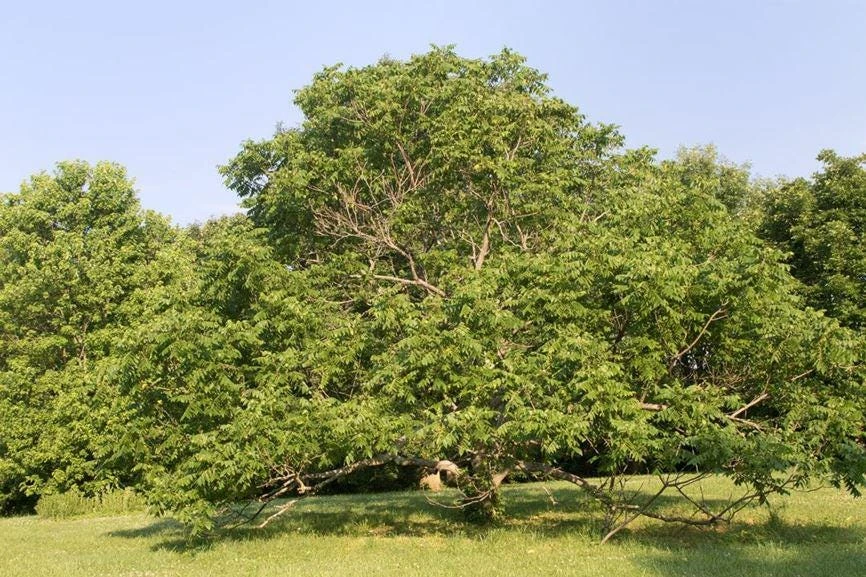
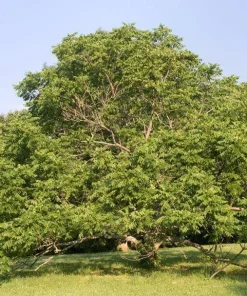
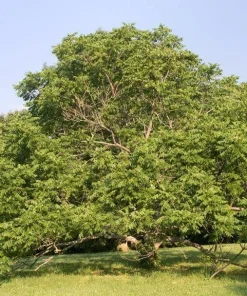
This offering is for one white walnut tree (Juglans cinerea), which ships as a bare root plant when dormant. The tree will arrive approximately 12-24 inches tall, providing a robust start for your garden. While the initial size is compact, this butternut tree live plant is a slow-growing species that will eventually reach a mature height of 40-60 feet with a spread of 30-50 feet, depending on growing conditions and climate. It is typically grown as a single-trunk specimen, developing a broad, rounded canopy that provides excellent shade. The initial quart pot size refers to the container it was grown in before being prepared for bare root shipment, indicating a well-established root system ready for transplanting.
The fruit, an oblong, pointed nut, is typically about 2 inches long and begins to appear after several years of establishment. The Juglans cinerea is a long-lived tree, offering decades of enjoyment and nut production. When planting, consider its mature size and ensure it has adequate space away from structures and other large trees. This walnut tree for sale is an excellent choice for those looking to add a native, productive, and aesthetically pleasing deciduous nut tree to their landscape.
Frequently Asked Questions
- Q: How big does this white walnut tree get? A: This white walnut tree typically reaches a mature height of 40-60 feet with a spread of 30-50 feet. It is a slow-growing species, so it will take time to reach its full size.
- Q: Is this an indoor or outdoor plant? A: The butternut tree live plant is an outdoor tree, best suited for planting in a garden or landscape where it can receive full sun and has ample space to grow.
- Q: How much sunlight does it need? A: A Juglans cinerea thrives in full sun, requiring at least 6 hours of direct sunlight per day. It can tolerate partial shade, but full sun encourages better growth and nut production.
- Q: Is this plant easy to care for? A: Once established, the white walnut tree is relatively low-maintenance. Young trees require consistent watering and protection, but mature trees are quite hardy.
- Q: What condition will it arrive in? A: This tree ships as a bare root plant when dormant, meaning it will not have leaves and will be carefully packaged to protect its root system during transit.
- Q: How long until it produces nuts? A: A walnut tree for sale like this typically begins to produce nuts within 5-10 years after planting, with significant production increasing as the tree matures.
- Q: Will it survive winter in my zone? A: The deciduous nut tree, Juglans cinerea, is hardy in USDA Zones 3-7, making it well-suited for cold winter climates.
- Q: What type of soil does the butternut tree prefer? A: It prefers deep, well-drained loamy soil but is adaptable to various soil types, provided they are not waterlogged. Good drainage is key.
- Q: Can I plant this tree near other plants? A: Be mindful that walnut trees produce juglone, a chemical that can inhibit the growth of some sensitive plants. Research companion planting carefully for your white walnut tree.
- Q: What is the best time to plant this tree? A: Bare root trees like the butternut tree live plant are best planted in early spring, after the last hard frost, allowing them to establish roots before summer heat.
Be the first to review “White Walnut Tree (Butternut) Live Plant – Juglans cinerea – 12-24in Tall”
People Also Viewed
Reviews
There are no reviews yet.