
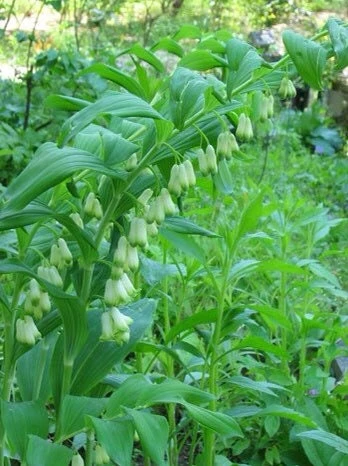
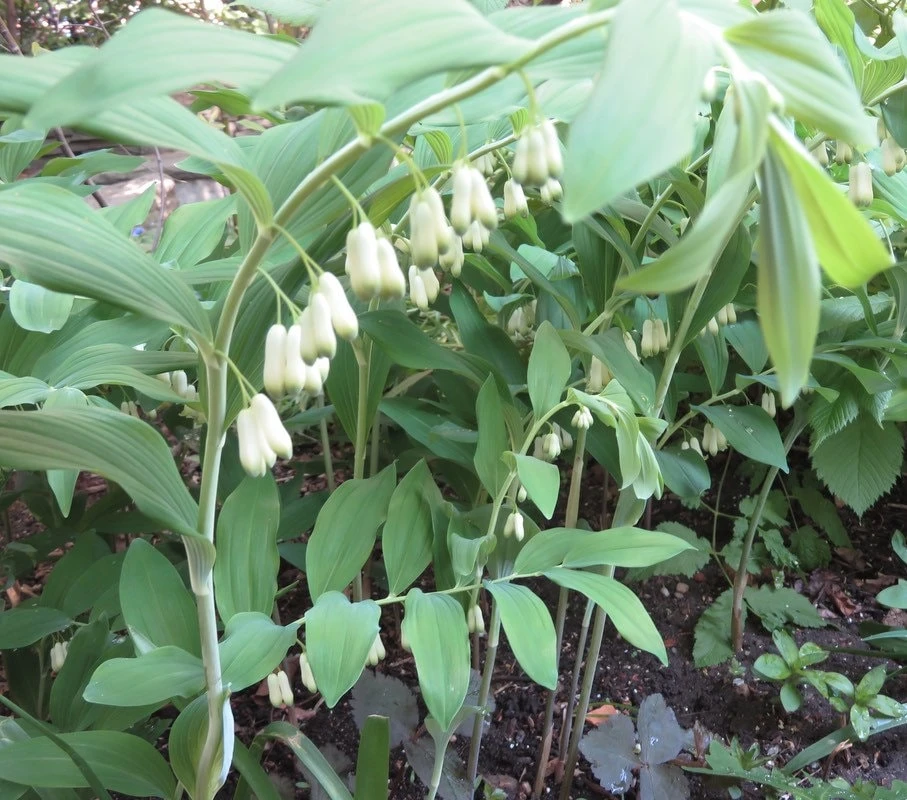
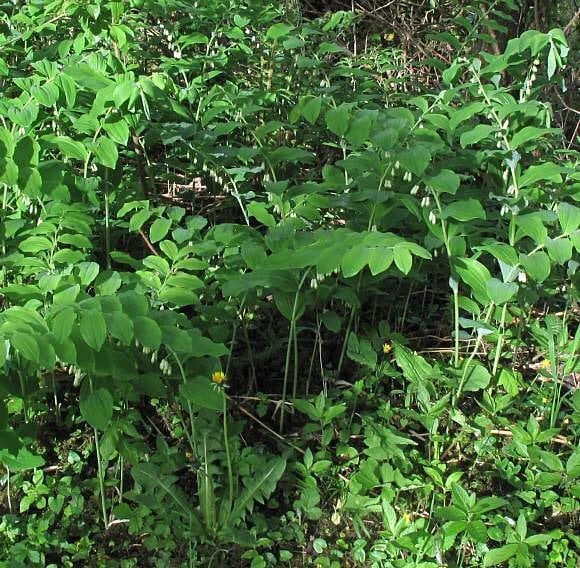
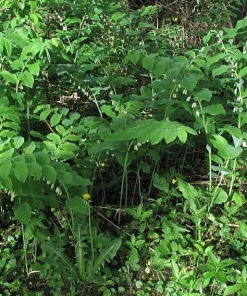
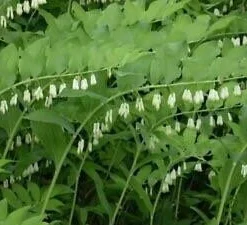
100 True Solomon’s Seal Bare Root Plants – Polygonatum Biflorum Wildflower Perennial
Original price was: $259.99.$234.99Current price is: $234.99.
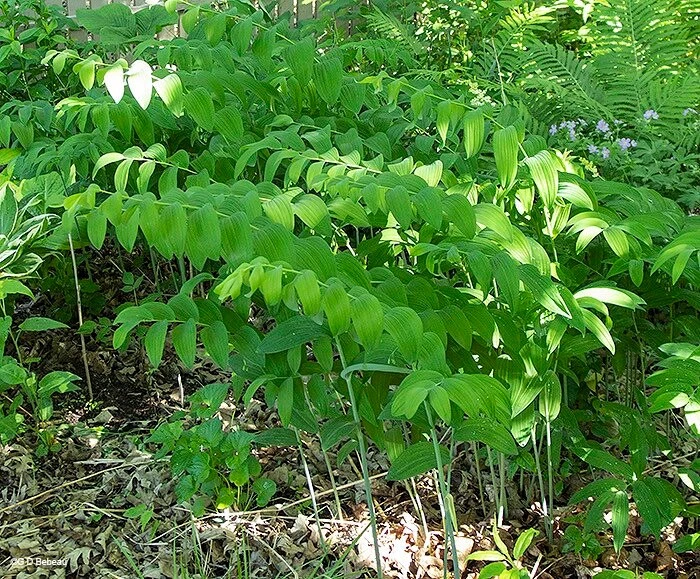
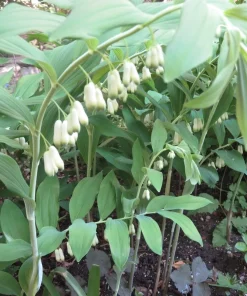
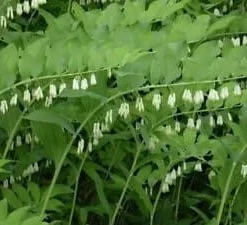
Cultivate a serene shade garden with 100 True Solomon’s Seal bare root plants. These Polygonatum Biflorum plants are organically grown native wildflowers, perfect for adding elegant arching stems and delicate bell-shaped flowers. Easy to establish and thrive in woodland settings, making them an excellent choice for a shade garden plants.
Estimated arrival
Sep 29
Oct 04 - Oct 06
Oct 09 - Oct 13
Shop With Confidence
30-Day Plant Health Guarantee
Arrives damaged? We’ll replace it free — see our return policy.
Responsive Support
Email us anytime, we reply within 1 business day.
Expert Packaging
Temperature-controlled shipping to protect your plants in transit.
Secure Checkout
Pay safely with Visa, Mastercard, PayPal.
Plant Specifications
-
USDA Hardiness Zone
USDA Zones 3-9 -
Soil Type
Rich, well-draining soil high in organic matter -
Sunlight Exposure
Partial to full shade -
Expected Planting Period
Early spring or fall
Overview
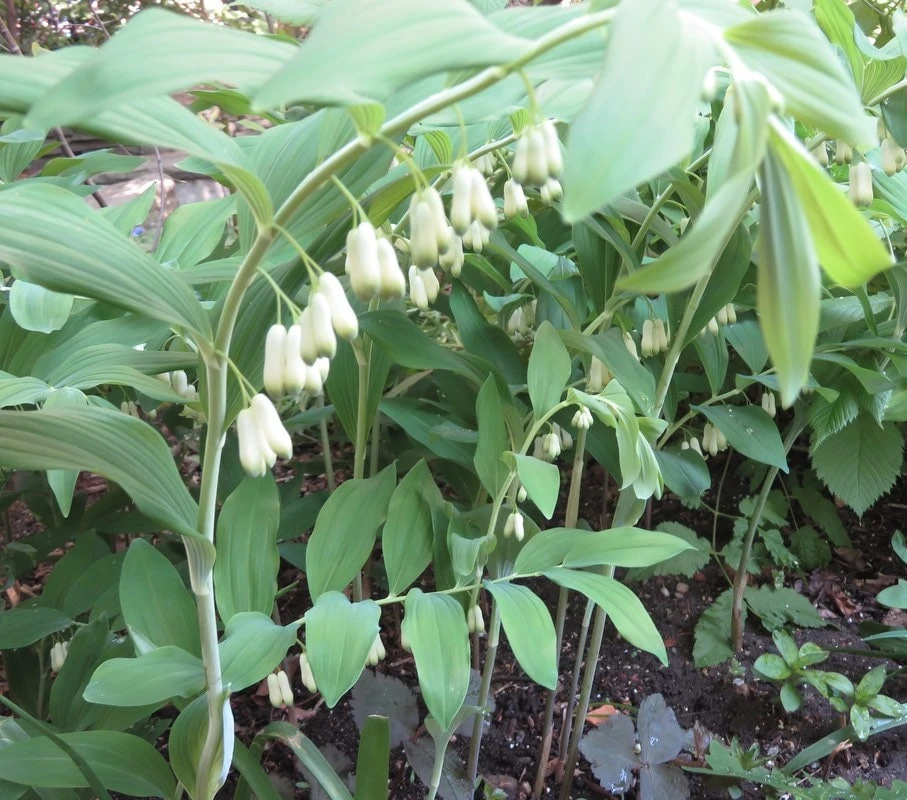
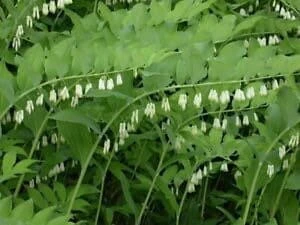
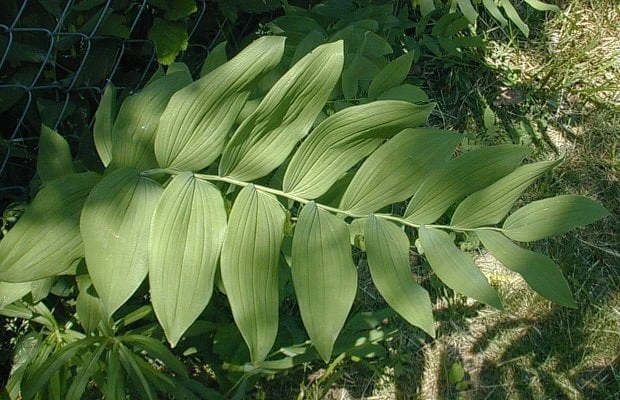
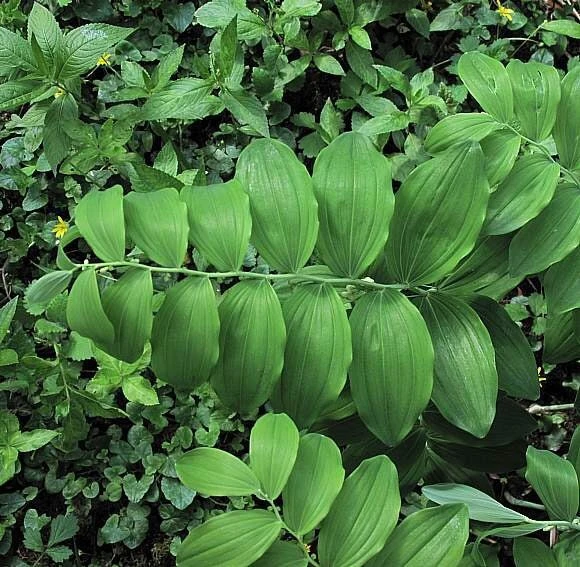
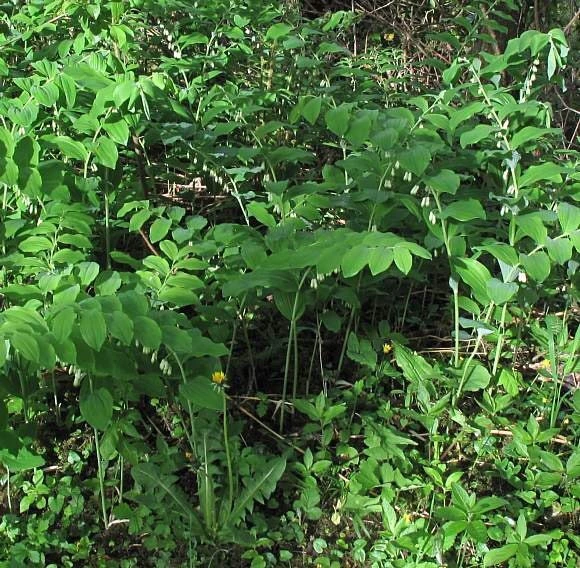
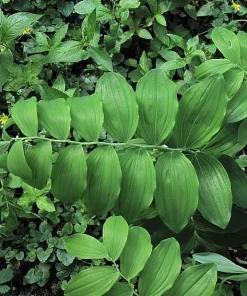
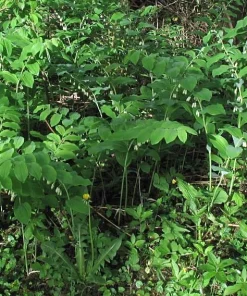
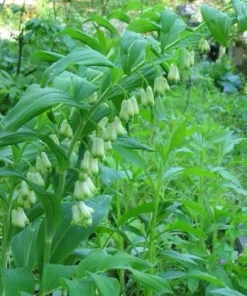
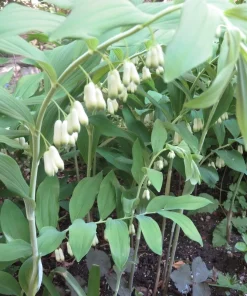
Transform your garden into a natural sanctuary with these 100 True Solomon’s Seal bare root plants. Known scientifically as Polygonatum Biflorum, this exquisite native wildflower perennial is celebrated for its graceful, arching stems and delicate, bell-shaped white-green flowers that dangle beneath the foliage in spring. Each order provides 100 organically grown bare roots, ready to establish quickly and bring a touch of woodland elegance to your landscape. These Polygonatum Biflorum plants are a fantastic choice for gardeners looking to create a low-maintenance, beautiful shade garden.
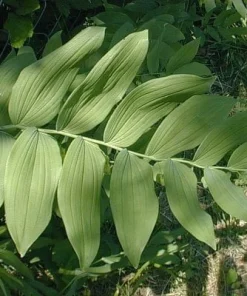
True Solomon’s Seal bare root plants are particularly prized for their adaptability and hardiness. They are a significant addition to native plant gardens, pollinator gardens, and woodland borders, providing essential habitat and food sources. The distinctive foliage and unique flowering habit make them a conversation starter, while their ability to naturalize over time ensures a continuously expanding display of beauty. Whether you’re a seasoned gardener or just starting, these bare roots offer a rewarding and sustainable planting experience.
Key Benefits
Adding True Solomon’s Seal bare root plants to your garden offers numerous advantages, from aesthetic appeal to ecological contributions. These plants are not only beautiful but also incredibly resilient, making them a wise investment for any outdoor space. Here are some of the key benefits you can expect:
- Elegant Aesthetic Appeal: The arching stems and pendulous flowers of Polygonatum Biflorum plants create a unique, sophisticated look, adding architectural interest and a sense of calm to shaded areas of your garden. They provide a beautiful contrast to other shade-loving plants.
- Native Wildflower Perennial: As a native wildflower perennial, Solomon’s Seal is perfectly adapted to local ecosystems, requiring less intervention and supporting native wildlife. It helps to restore natural habitats and promotes biodiversity.
- Organically Grown: Our commitment to organic growing practices ensures that these plants are free from harmful chemicals, promoting a healthier garden environment for you, your family, and pollinators. You receive robust and naturally strong roots.
- Low Maintenance: Once established, True Solomon’s Seal bare root plants are remarkably low-maintenance. They thrive with minimal care, making them ideal for busy gardeners or those seeking a beautiful yet effortless landscape.
- Shade Loving: Perfectly suited for those challenging shaded spots where many other plants struggle. Solomon’s Seal flourishes under tree canopies or on the north side of buildings, bringing life and color to dimly lit areas, making them excellent shade garden plants.
- Deer Resistant: Generally, Solomon’s Seal is not a preferred food source for deer, offering peace of mind that your beautiful plants will remain undisturbed by common garden pests.
- Long-Lived: These perennials are known for their longevity, returning year after year and slowly spreading to form charming colonies, enhancing your garden’s beauty for decades.
Plant Care & Growing Tips
Caring for your True Solomon’s Seal bare root plants is straightforward, especially given their hardy and adaptable nature. To ensure successful establishment and vigorous growth, pay attention to their preferred growing conditions. These native wildflower perennial plants are ideal for creating a woodland feel in your garden.
Sunlight requirements: True Solomon’s Seal thrives in partial to full shade. It prefers locations where it receives dappled sunlight throughout the day or morning sun followed by afternoon shade. Avoid harsh, direct afternoon sun, which can scorch the leaves. Ideal spots include under deciduous trees or along the north-facing side of a house or fence. For the best display of flowers and foliage, aim for a location that mimics its natural woodland habitat.
Watering schedule and soil moisture preferences: Maintain consistently moist soil, especially during the first year after planting and during dry spells. While established plants tolerate some drought, regular moisture promotes lush foliage and abundant flowering. Water deeply once or twice a week, allowing the top inch of soil to dry slightly between waterings. Avoid waterlogging, as this can lead to root rot. Good drainage is key for these Polygonatum Biflorum plants.
Soil type and drainage requirements: These plants prefer rich, well-draining soil that is high in organic matter. A slightly acidic to neutral pH (6.0-7.0) is ideal. Amend heavy clay soils with compost or peat moss to improve drainage and aeration. For sandy soils, adding organic material will help retain moisture and nutrients. Ensuring proper drainage is crucial to prevent the roots from sitting in water, which can be detrimental to the plant’s health. This makes them perfect shade garden plants in suitable soil.
Temperature range and USDA hardiness zone:True Solomon’s Seal bare root plants are incredibly cold-hardy, thriving in USDA Zones 3-9. They are tolerant of a wide range of temperatures, from freezing winters to warm summers, as long as they are protected from intense heat and direct sun. They require a cold dormancy period to produce robust growth in the spring.
Fertilization schedule and type: Solomon’s Seal typically doesn’t require heavy fertilization, especially if planted in rich, organic soil. If your soil is poor, a light application of a balanced, slow-release granular fertilizer in early spring can be beneficial. Alternatively, top-dress with a layer of compost annually to provide a slow release of nutrients and improve soil structure. Avoid over-fertilizing, which can lead to excessive foliage growth at the expense of flowers.
Common problems and solutions: Solomon’s Seal is generally pest and disease resistant. Slugs and snails may occasionally feed on young foliage; these can be managed with organic slug baits or hand-picking. Fungal issues are rare but can occur in overly wet conditions; ensure good air circulation and proper drainage. Yellowing leaves can indicate too much sun or insufficient moisture. Adjust accordingly to maintain healthy plants.
Size & Details
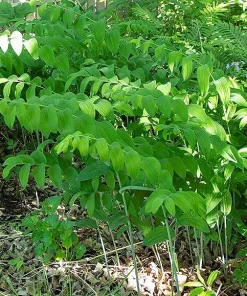
Each order includes 100 True Solomon’s Seal bare root divisions, ready for planting. These bare roots are harvested per order to ensure maximum freshness and viability upon arrival. While the exact size of each bare root can vary, they are mature enough to establish quickly and produce foliage and flowers within their first growing season. Polygonatum Biflorum plants typically grow to a height of 1 to 3 feet (30-90 cm) with a similar spread, forming elegant clumps over time. They are known for their moderate growth rate, gradually expanding their presence in your garden. These plants are shipped dormant and without foliage, which is the optimal state for bare root planting and reduces transplant shock.
The plants are expected to reach their mature size within 2-3 years, at which point they will have developed a robust root system and a full display of their characteristic arching stems and flowers. They are ideal for naturalizing in woodland settings or creating a lush groundcover in shaded borders. Proper planting and initial care will ensure these shade garden plants establish strongly and become a long-lasting feature in your landscape.
Frequently Asked Questions
- Q: How big do these True Solomon’s Seal bare root plants get? A: Once established, these True Solomon’s Seal bare root plants typically grow to a height of 1 to 3 feet (30-90 cm) with a similar spread. They form elegant clumps that gradually expand over time, creating a beautiful display in your shade garden.
- Q: Is this an indoor or outdoor plant? A: True Solomon’s Seal bare root plants are primarily outdoor plants. They are hardy perennials that thrive in woodland settings and shaded garden beds. They are not suitable for long-term indoor cultivation.
- Q: How much sunlight does True Solomon’s Seal need? A: These Polygonatum Biflorum plants prefer partial to full shade. They do best with dappled sunlight throughout the day or morning sun with protection from harsh afternoon rays. Too much direct sun can scorch their leaves.
- Q: Is this plant easy to care for? A: Yes, True Solomon’s Seal is considered a low-maintenance plant. Once established, it requires minimal care, making it an excellent choice for both beginner and experienced gardeners looking for resilient shade garden plants.
- Q: What condition will the bare roots arrive in? A: You will receive 100 True Solomon’s Seal bare root plants that are dormant and freshly harvested. They will not have foliage, as this is the optimal state for bare root shipping and planting to ensure successful establishment.
- Q: When is the best time to plant True Solomon’s Seal bare roots? A: The best time to plant bare root Solomon’s Seal is in early spring or fall when the plants are dormant. This allows them to establish their root system before the stress of summer heat or winter cold.
- Q: Will it survive winter in my zone? A: Yes, True Solomon’s Seal bare root plants are very cold-hardy and will survive winter in USDA Zones 3-9. They require a period of cold dormancy to perform well in subsequent growing seasons, returning reliably each spring.
- Q: Are these organically grown plants? A: Yes, all of our native wildflower perennial plants, including these Solomon’s Seal bare roots, are organically grown. We prioritize natural cultivation methods to ensure healthy plants and a healthy environment.
- Q: How long until it blooms after planting? A: While the roots are mature, it may take the first growing season for the plants to fully establish and produce their characteristic bell-shaped flowers. You should see foliage emerge in the spring following planting, with flowers typically appearing in late spring to early summer.
- Q: What type of soil do these shade garden plants prefer? A: True Solomon’s Seal bare root plants thrive in rich, well-draining soil that is high in organic matter. A slightly acidic to neutral pH is ideal. Amending with compost will greatly benefit their growth.
Be the first to review “100 True Solomon’s Seal Bare Root Plants – Polygonatum Biflorum Wildflower Perennial”
People Also Viewed
Vegetable Seeds
Vegetable Seeds
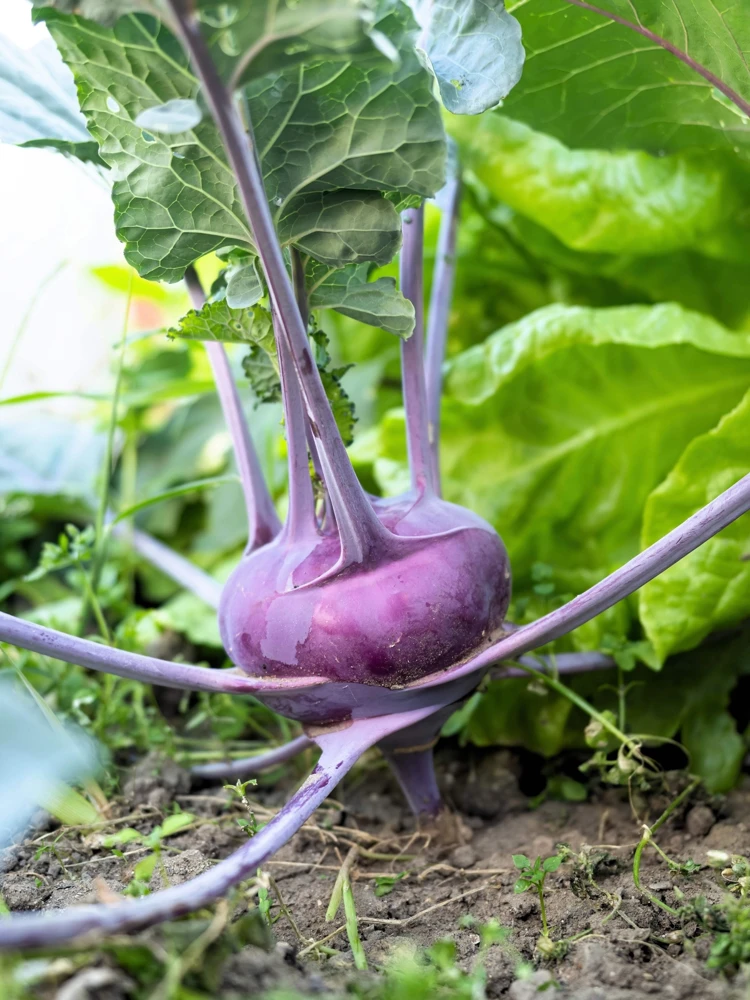
2000 Purple Vienna Kohlrabi Vegetable Seeds – Brassica Oleracea


Reviews
There are no reviews yet.