
Darrow’s Dwarf Blueberry Live Plant – Vaccinium darrowii – 3 inch Pot
Original price was: $54.99.$34.99Current price is: $34.99.
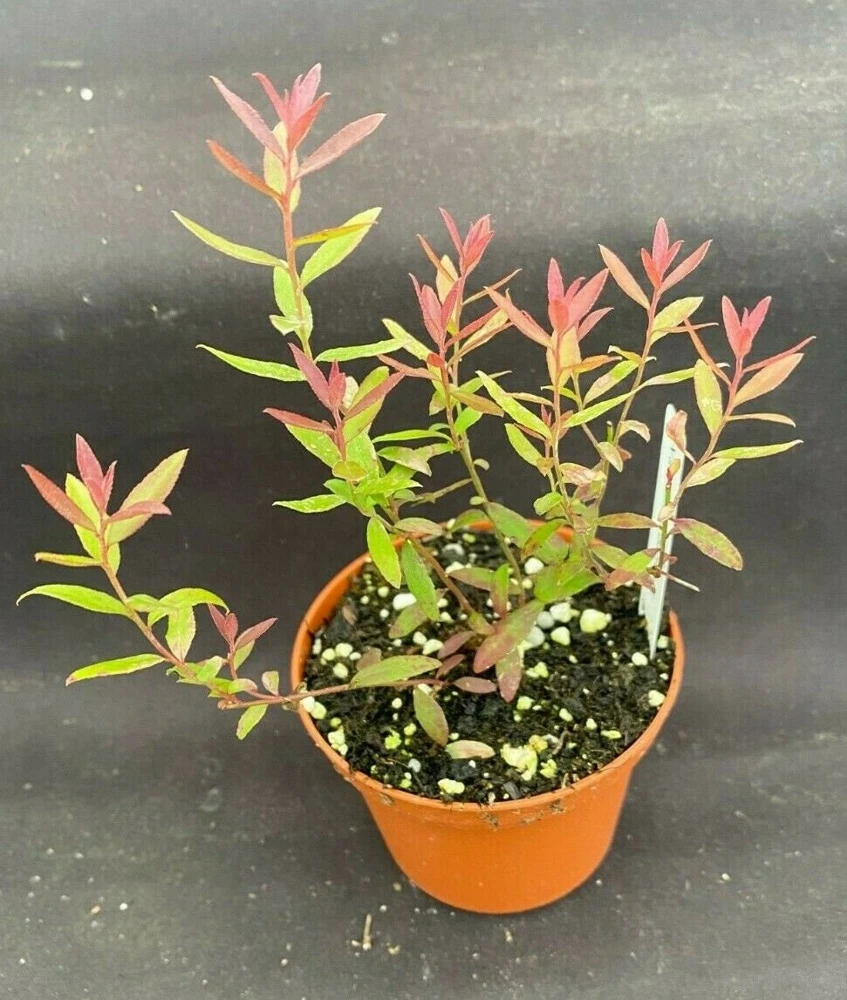
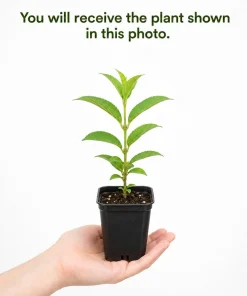
Bring home a Darrow’s Dwarf Blueberry live plant (Vaccinium darrowii) in a 3 inch pot. This compact, native blueberry offers sweet fruit and vibrant seasonal foliage, perfect for container gardening and small spaces. Enjoy fresh berries from your own dwarf blueberry plant!
Estimated arrival
Sep 22
Sep 27 - Sep 29
Oct 02 - Oct 06
Shop With Confidence
30-Day Plant Health Guarantee
Arrives damaged? We’ll replace it free — see our return policy.
Responsive Support
Email us anytime, we reply within 1 business day.
Expert Packaging
Temperature-controlled shipping to protect your plants in transit.
Secure Checkout
Pay safely with Visa, Mastercard, PayPal.
Plant Specifications
-
USDA Hardiness Zone
USDA Zones 7-9 -
Soil Type
Acidic, well-draining soil -
Sunlight Exposure
Full sun -
Expected Planting Period
Spring or Fall
Overview
Cultivate your own delicious fruit with the Darrow’s Dwarf Blueberry live plant (Vaccinium darrowii). This exceptional dwarf variety is renowned for its compact growth habit, making it an ideal choice for container gardening, patios, or small landscape areas. Native to the Southern USA, Vaccinium darrowii brings not only the joy of homegrown blueberries but also significant ornamental value. Its small, narrow leaves emerge with a beautiful red new growth, transitioning to a deep red hue in winter, providing year-round visual interest. Perfect for gardeners seeking a low-maintenance, fruit-bearing shrub that fits into diverse settings.
The dwarf blueberry plant is an excellent addition for both novice and experienced gardeners. It’s a robust and adaptable species, offering a delightful harvest of small, sweet blueberries. Imagine stepping outside to pick fresh, juicy berries directly from your own plant. This particular offering provides a healthy, rooted plant, ready to thrive in your garden or container, promising a rewarding and fruitful experience.
Key Benefits
The Darrow’s Dwarf Blueberry live plant offers a multitude of advantages for any home gardener. Its unique characteristics combine aesthetic appeal with practical benefits, creating a truly versatile and rewarding plant:
-
Compact Growth Habit: This dwarf variety is perfectly sized for container gardening, small yards, or as an attractive border plant. It won’t overcrowd your space, making it highly versatile for various garden designs.
-
Delicious Sweet Berries: Enjoy a bounty of small, sweet blueberries directly from your own plant. Homegrown berries are often more flavorful and nutritious than store-bought options.
-
Stunning Seasonal Foliage: Experience vibrant red new growth in spring and a striking deep red color during winter, providing year-round visual interest even when not fruiting. This makes the dwarf blueberry plant an excellent ornamental choice.
-
Native to Southern USA: Being a native plant, Vaccinium darrowii is well-adapted to specific climates, often requiring less intervention once established and contributing to local biodiversity.
-
Excellent for Containers: Its natural compact size makes it an ideal candidate for growing blueberries in containers. This allows for easy placement, mobility, and control over soil conditions.
-
Low Maintenance: Once established, this blueberry variety is relatively easy to care for, making it suitable for gardeners with varying levels of experience. Proper care ensures a healthy plant and abundant harvest.
-
Pollinator Attraction: The flowers of the Darrow’s Dwarf Blueberry live plant attract beneficial pollinators, enhancing the health of your garden ecosystem.
Plant Care & Growing Tips
Caring for your Darrow’s Dwarf Blueberry live plant involves understanding its specific needs to ensure optimal growth and fruit production. These plants thrive in conditions that mimic their native habitats. For best results, ensure your plant receives adequate sunlight and is planted in the right soil.
Sunlight:Vaccinium darrowii prefers full sun, meaning at least 6-8 hours of direct sunlight per day. While it can tolerate some partial shade, especially in hotter climates, full sun is crucial for maximizing berry production and enhancing foliage color. For those interested in Vaccinium darrowii care, providing ample light is a top priority.
Watering: Blueberries require consistent moisture, especially during fruit development. The soil should remain consistently moist but never waterlogged. Water deeply several times a week, particularly during dry spells or if growing blueberries in containers. Reduce watering during the dormant winter months. Using rainwater or acidified water is beneficial, as blueberries prefer acidic conditions.
Soil: The most critical aspect of successful blueberry cultivation is acidic, well-draining soil with a high organic matter content. The ideal pH range is between 4.5 and 5.5. If your native soil is not acidic enough, consider amending it with peat moss, pine bark, or sulfur. For container growing, use a specialized acidic potting mix. Good drainage is essential to prevent root rot.
Temperature & Hardiness: The dwarf blueberry plant is generally hardy in USDA Zones 7-9, though some varieties may extend to Zone 6 with protection. It requires a certain number of chill hours (periods below 45°F/7°C) to produce fruit. Protect container plants from extreme winter cold by moving them to a sheltered location or providing insulation.
Fertilization: Fertilize your blueberry plant in early spring as new growth begins, and again after fruiting. Use an acid-loving plant fertilizer, such as one formulated for rhododendrons, azaleas, or blueberries. Avoid fertilizers containing nitrates, which can be harmful to blueberries. Follow package instructions carefully to prevent over-fertilization.
Pruning: Prune in late winter or early spring while the plant is dormant. Remove any dead, damaged, or weak branches. For mature plants, thin out older, less productive canes to encourage new growth and better fruit production. This helps maintain the plant’s shape and vigor.
Size & Details
This offering includes a healthy Darrow’s Dwarf Blueberry live plant, shipped to you rooted and actively growing in a 3 inch pot. Upon arrival, the plant will be well-established and ready for transplanting into its permanent location, whether that’s a larger container or your garden bed. Vaccinium darrowii is a relatively fast-growing dwarf shrub, typically reaching a mature height of 1-3 feet (30-90 cm) and a similar spread, making it an excellent choice for compact spaces. It boasts a moderate growth rate, establishing itself well within the first year and beginning to produce fruit within 1-2 years of planting. The plant’s compact nature means it won’t overwhelm your garden, and its manageable size is perfect for growing blueberries in containers, allowing you to move it as needed for optimal sunlight or winter protection. Expect a robust plant with healthy foliage and root structure, ready to flourish and provide you with delicious berries for years to come.
Frequently Asked Questions
-
Q: How big does this dwarf blueberry plant get? A: The Darrow’s Dwarf Blueberry live plant typically reaches a mature height and spread of 1-3 feet (30-90 cm), making it a compact and manageable shrub ideal for various garden settings or container growing.
-
Q: Is this an indoor or outdoor plant? A: Vaccinium darrowii is primarily an outdoor plant, thriving in full sun. However, it can be grown in containers and brought indoors during harsh winter conditions in colder zones, especially when considering Vaccinium darrowii care.
-
Q: How much sunlight does it need? A: This blueberry variety requires at least 6-8 hours of direct sunlight per day for optimal growth and fruit production. More sun generally leads to more berries and better foliage color.
-
Q: Is this plant easy to care for? A: Yes, once established, the Darrow’s Dwarf Blueberry live plant is relatively low-maintenance. The most crucial aspects are providing acidic soil, consistent moisture, and adequate sunlight.
-
Q: What condition will it arrive in? A: Your plant will arrive as a healthy, rooted specimen, actively growing in a 3 inch pot, carefully packaged to ensure its safe journey to your home.
-
Q: Can I use this plant for growing blueberries in containers? A: Absolutely! Its dwarf nature makes it an excellent choice for container gardening, allowing you to easily manage its soil requirements and sun exposure.
-
Q: When is the best time to plant this blueberry? A: The best time to plant is in early spring or fall. If you’re in a region with mild winters, fall planting allows the roots to establish before spring growth. Spring planting is ideal after the last frost.
-
Q: What kind of soil does the dwarf blueberry plant need? A: It requires acidic, well-draining soil with a pH between 4.5 and 5.5. Amending your soil with peat moss or pine bark is often necessary to achieve the correct acidity.
-
Q: Will it survive winter in my zone? A: Vaccinium darrowii is generally hardy in USDA Zones 7-9. If you are in a colder zone, container growing allows you to provide winter protection by moving the plant to a sheltered location.
-
Q: What are the benefits of choosing a native blueberry plant? A: Native plants like Vaccinium darrowii are often more resilient to local pests and diseases, require less water once established, and provide crucial habitat and food sources for local wildlife.
Be the first to review “Darrow’s Dwarf Blueberry Live Plant – Vaccinium darrowii – 3 inch Pot”
People Also Viewed
Vegetable Seeds
Reviews
There are no reviews yet.