


Caroline Raspberry Live Plant – 4 inch Pot – Fall-Bearing Red Raspberry
Original price was: $49.99.$29.99Current price is: $29.99.
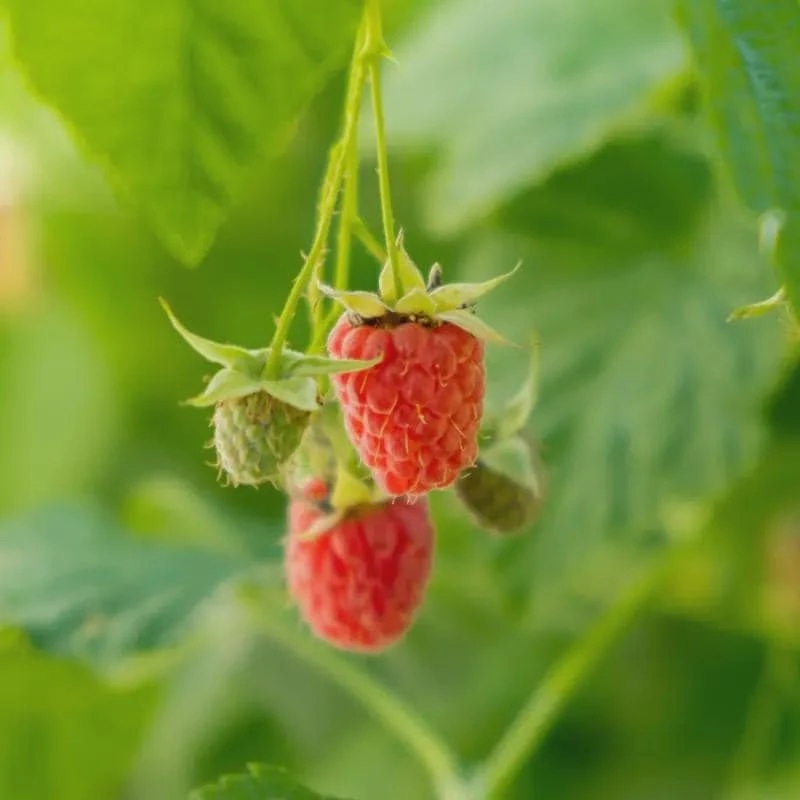
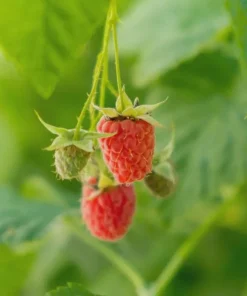
Bring home the highly productive Caroline Raspberry live plant, known for its exceptional flavor and large, firm red berries. This fall-bearing variety is perfect for fresh eating, canning, or making preserves. Adaptable and tolerant, it’s an excellent choice for home gardens in zones 4-9.
Estimated arrival
Sep 20
Sep 25 - Sep 27
Sep 30 - Oct 04
Shop With Confidence
30-Day Plant Health Guarantee
Arrives damaged? We’ll replace it free — see our return policy.
Responsive Support
Email us anytime, we reply within 1 business day.
Expert Packaging
Temperature-controlled shipping to protect your plants in transit.
Secure Checkout
Pay safely with Visa, Mastercard, PayPal.
Plant Specifications
-
USDA Hardiness Zone
4-9 -
Soil Type
Well-draining, slightly acidic to neutral soil -
Sunlight Exposure
Full sun (6-8+ hours daily) -
Expected Planting Period
Early spring or fall
Overview
Cultivate your own abundant harvest with the Caroline Raspberry live plant. Renowned as one of the best-tasting red raspberries available, the ‘Caroline’ variety offers large, rich, sweet, and full-bodied berries that are a true delight for any gardener. This highly adaptable and productive plant is a fall-bearing type, meaning it ripens in late summer and continues to produce delicious fruit until the first frost. In many regions, this translates to a generous harvest period of 6-8 weeks, providing a continuous supply of fresh raspberries for your enjoyment. The Caroline Raspberry live plant is an excellent addition to any home garden, whether you’re an experienced grower or just starting out, promising a rewarding and flavorful experience.
The ‘Caroline’ raspberry is a self-pollinating variety, simplifying the growing process as you only need one plant to produce fruit. It typically starts bearing fruit within two years of planting, quickly rewarding your efforts. Known for its robust nature, this red raspberry plant is tolerant to root rot and exhibits high resistance to gray mold, making it a resilient choice for various growing conditions. Its versatility allows it to thrive in a wide range of climates, including warmer southern areas where berries may ripen as early as June. Enjoy the satisfaction of growing your own berries with this exceptional and dependable raspberry variety.
Key Benefits
The Caroline Raspberry live plant offers numerous advantages for home gardeners, combining exceptional flavor with ease of cultivation and robust growth. Its distinctive qualities make it a standout choice for those looking to enjoy fresh, homegrown fruit.
- Superior Flavor and Quality: Experience the rich, sweet, and full-bodied taste that makes ‘Caroline’ raspberries a favorite for fresh eating, desserts, and culinary creations. The large, firm, and juicy berries are consistently high in quality.
- Extended Harvest Season: As a fall-bearing type, this raspberry plant produces fruit from late summer until frost, often yielding berries for 6-8 weeks. This extended season provides a prolonged supply of fresh produce.
- Versatile Culinary Use: The firm berries are excellent for a variety of uses, including fresh eating, canning, freezing, and making jams, jellies, sauces, and preserves.
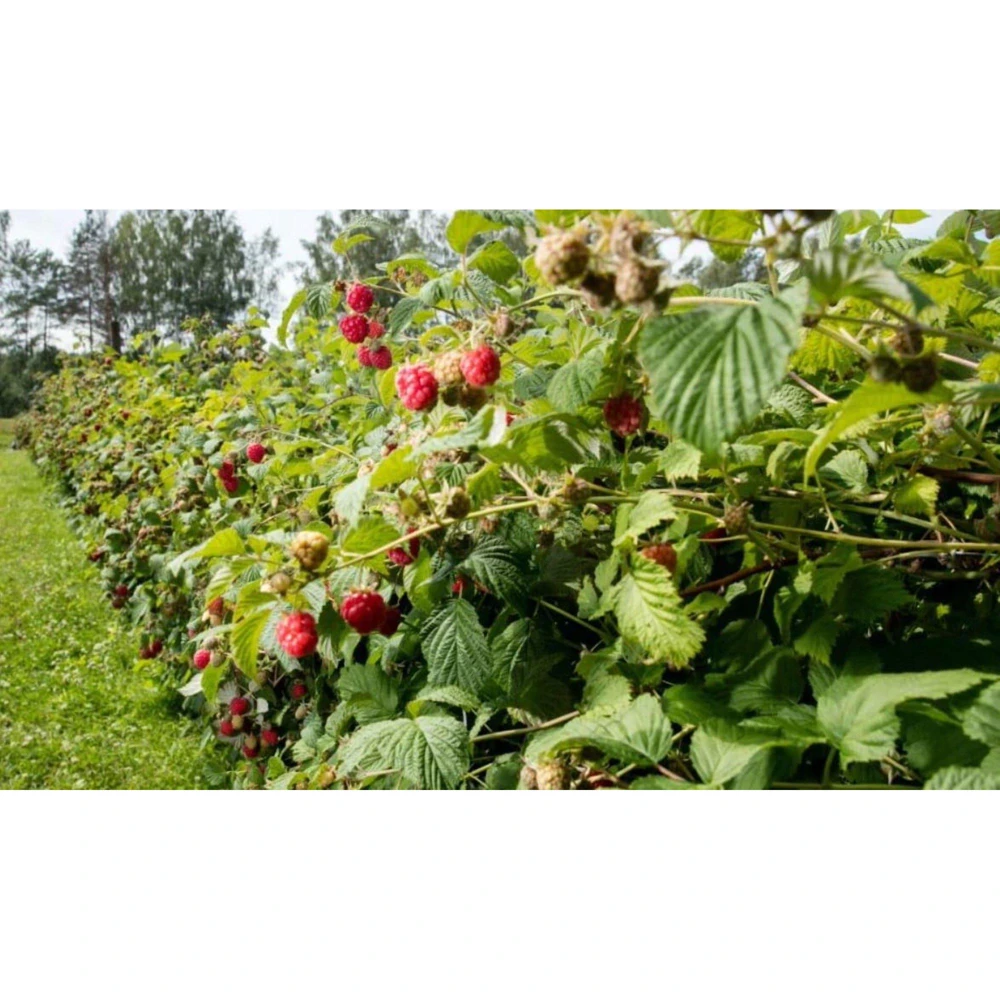
- Highly Productive: The ‘Caroline’ variety is known for its prolific fruiting, ensuring a bountiful harvest year after year once established. You can expect significant yields from a single Caroline Raspberry live plant.
- Disease Resistance: This robust plant offers good tolerance to root rot and high resistance to gray mold, reducing the need for intensive pest and disease management.
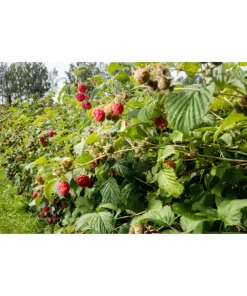
- Adaptable Growth: Highly adaptable, these plants can be grown in a wide range of climates and conditions, thriving in USDA Zones 4-9. They reach a mature height of 4-6 feet, making them manageable for most garden spaces.
- Self-Pollinating: The ‘Caroline’ raspberry is self-pollinating, meaning you only need one plant to produce fruit, simplifying garden planning and ensuring successful fruiting.
Plant Care & Growing Tips
Proper care is essential to ensure your Caroline Raspberry live plant thrives and produces an abundant harvest. These plants are relatively low-maintenance but benefit from specific conditions to reach their full potential. They prefer a location with at least 6-8 hours of direct sunlight per day; full sun exposure is ideal for maximum fruit production. Ensure the planting site has good air circulation to help prevent fungal diseases. When planting, dig a hole twice as wide as the root ball and just as deep. Amend heavy clay soils with organic matter to improve drainage. For best results, plant in well-draining, slightly acidic to neutral soil (pH 6.0-6.8).
Water your fall-bearing raspberry regularly, especially during dry periods and when the fruit is developing. The soil should be consistently moist but not waterlogged. Deep watering encourages strong root growth. Fertilize in early spring with a balanced slow-release fertilizer or an organic compost. Avoid over-fertilizing with nitrogen, which can lead to excessive foliage growth at the expense of fruit production. Pruning is crucial for fall-bearing raspberries. In late winter or early spring, cut all canes down to the ground. This encourages new canes to grow and produce fruit on their tips in the late summer and fall. This method, known as a primocane-fruiting system, simplifies pruning and maximizes the fall harvest.
The Caroline Raspberry live plant is hardy in USDA Zones 4-9. In colder zones, consider providing winter protection by mulching heavily around the base of the plants after the ground freezes. While resistant to root rot and gray mold, monitor for common raspberry pests like aphids or Japanese beetles and address them with appropriate organic or chemical controls if necessary. Growing raspberries at home can be incredibly rewarding, and with these care tips, your ‘Caroline’ plants will provide delicious berries for years to come.
Size & Details
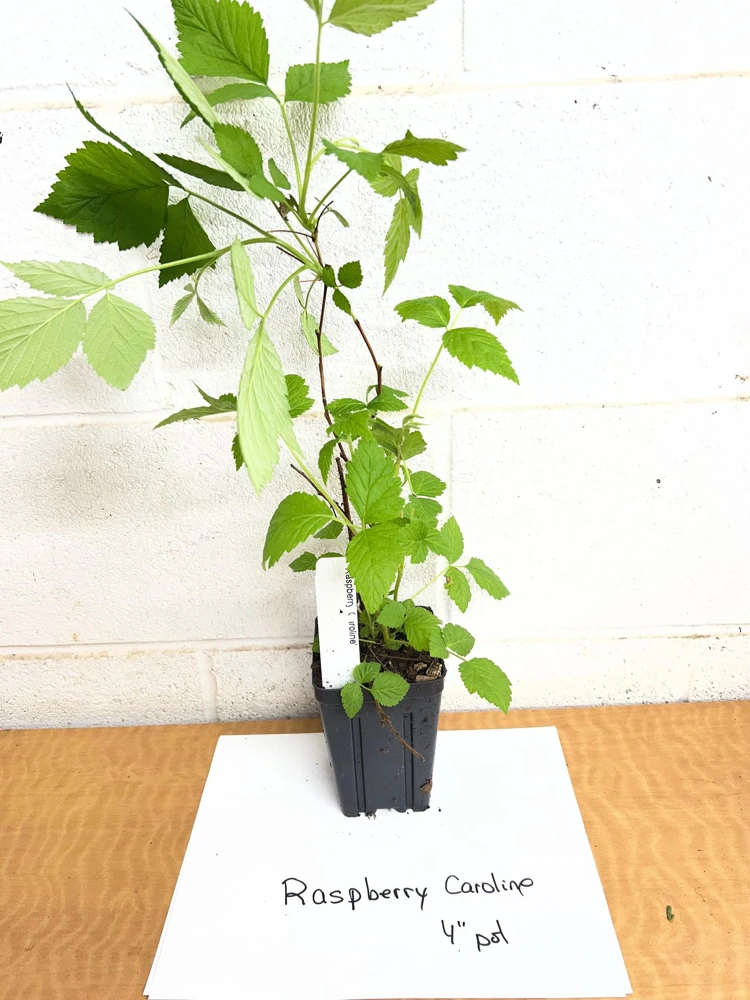
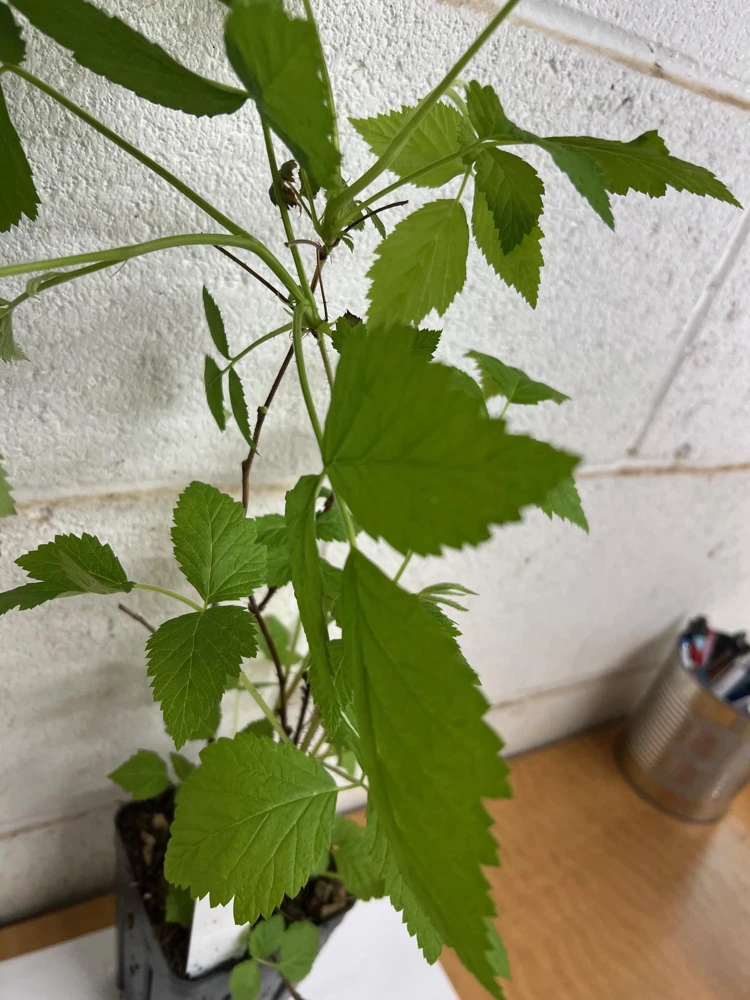
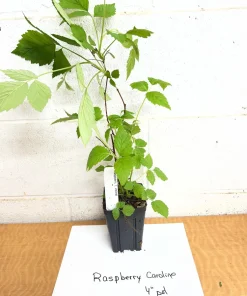
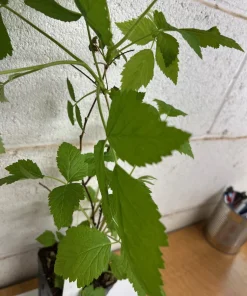
This offering is for one Caroline Raspberry live plant, provided in a 4-inch nursery pot. The plant is a young, healthy specimen ready for transplanting into your garden or a larger container. When mature, ‘Caroline’ raspberry plants typically reach a height of 4-6 feet, with a similar spread if not managed. They are vigorous growers, establishing quickly once planted in suitable conditions. Expect the plant to start bearing fruit approximately two years from the date of planting.
The plants are shipped securely to ensure they arrive in excellent condition, ready for their new home. They are self-pollinating, making them an ideal choice for gardeners who may only have space for a single plant or wish to simplify their fruit production. The fall-bearing nature means you’ll enjoy fresh berries in late summer and autumn. With proper care, your red raspberry plant will grow into a productive bush, yielding delicious fruit season after season.
Frequently Asked Questions
- Q: How big does the Caroline Raspberry live plant get? A: Mature ‘Caroline’ raspberry plants typically grow to a height of 4-6 feet and can spread similarly. Regular pruning can help manage their size and encourage better fruit production.
- Q: Is this an indoor or outdoor plant? A: The Caroline Raspberry live plant is an outdoor plant, best suited for gardens, raised beds, or large outdoor containers where it can receive ample sunlight and space to grow.
- Q: How much sunlight does a Caroline Raspberry live plant need? A: These plants thrive in full sun, requiring at least 6-8 hours of direct sunlight per day for optimal growth and fruit production.
- Q: Is this plant easy to care for? A: Yes, ‘Caroline’ raspberries are considered relatively easy to care for, especially with their disease resistance and simplified fall-bearing pruning schedule, making them suitable for beginners who want to grow raspberries at home.
- Q: What condition will the plant arrive in? A: Your Caroline Raspberry live plant will arrive in a 4-inch nursery pot, carefully packaged to ensure it reaches you healthy and ready for planting.
- Q: When is the best time to plant a red raspberry plant? A: The best time to plant raspberries is in early spring after the last danger of frost, or in the fall before the ground freezes, allowing the roots to establish before extreme temperatures.
- Q: What USDA hardiness zones are suitable for the Caroline Raspberry live plant? A: The ‘Caroline’ raspberry is hardy and thrives in USDA Zones 4 through 9, making it adaptable to a wide range of climates.
- Q: How long until it produces fruit? A: This variety typically starts bearing fruit within two years from the date of planting, offering a relatively quick turnaround for your efforts.
- Q: Can I grow this fall-bearing raspberry in a container? A: Yes, you can grow ‘Caroline’ raspberries in large containers (at least 15-20 gallons) with good drainage, ensuring they receive adequate water and nutrients.
- Q: Is the ‘Caroline’ raspberry self-pollinating? A: Yes, the ‘Caroline’ raspberry is a self-pollinating variety, meaning you only need one plant to successfully produce fruit.
Be the first to review “Caroline Raspberry Live Plant – 4 inch Pot – Fall-Bearing Red Raspberry”
People Also Viewed

Flower Seeds
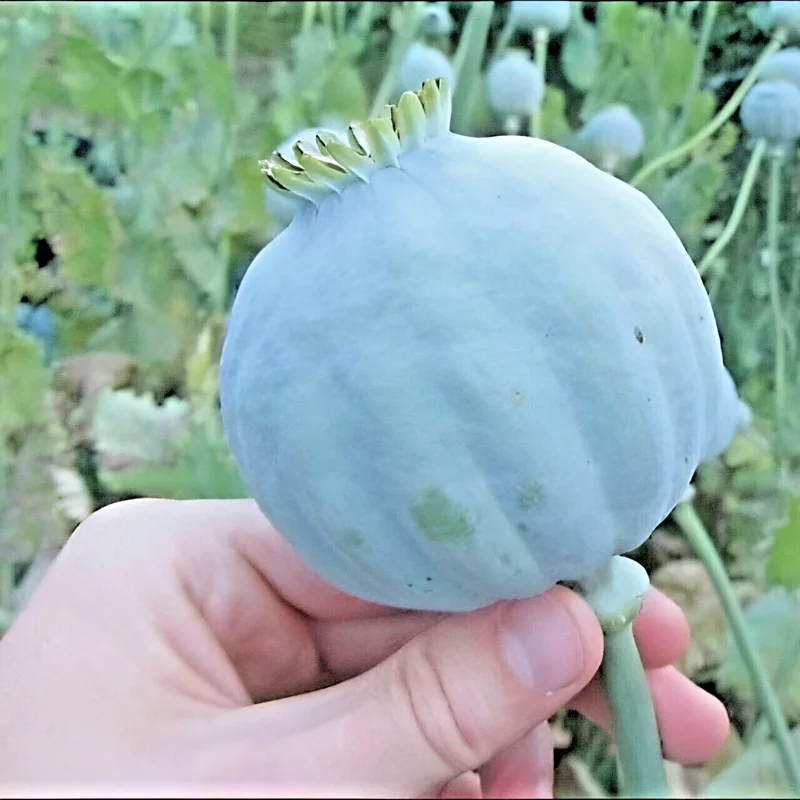
3000+ Giant Rattle Poppy Seeds – P. Somniferum Flower Seeds – Massive Heads & Blooms, White
Reviews
There are no reviews yet.