
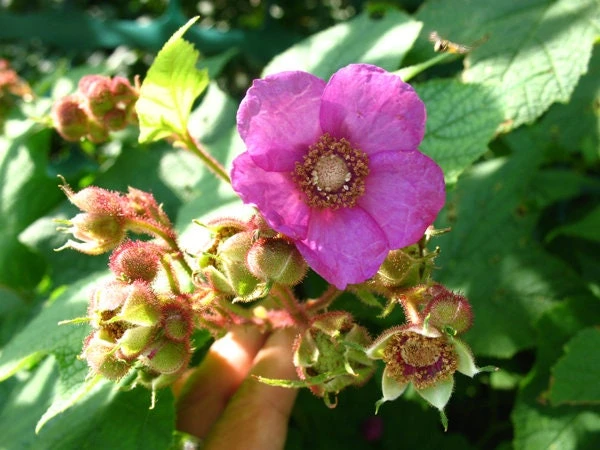
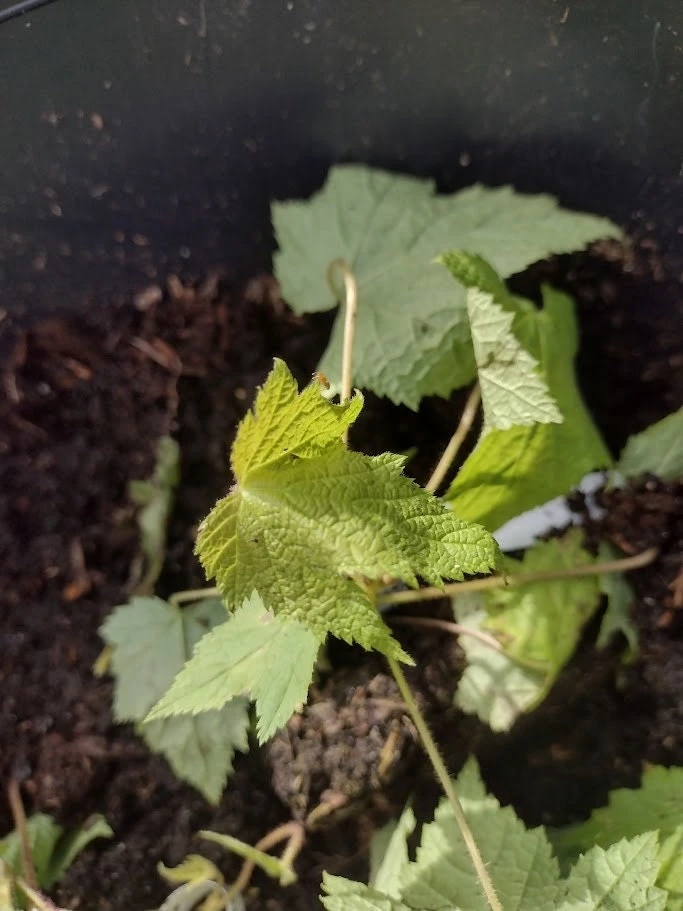
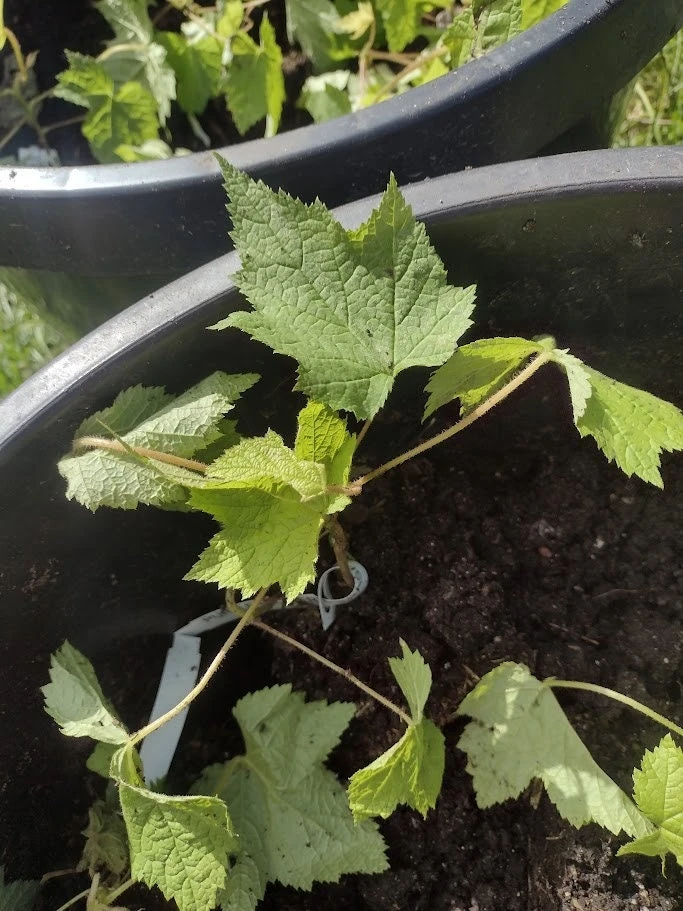
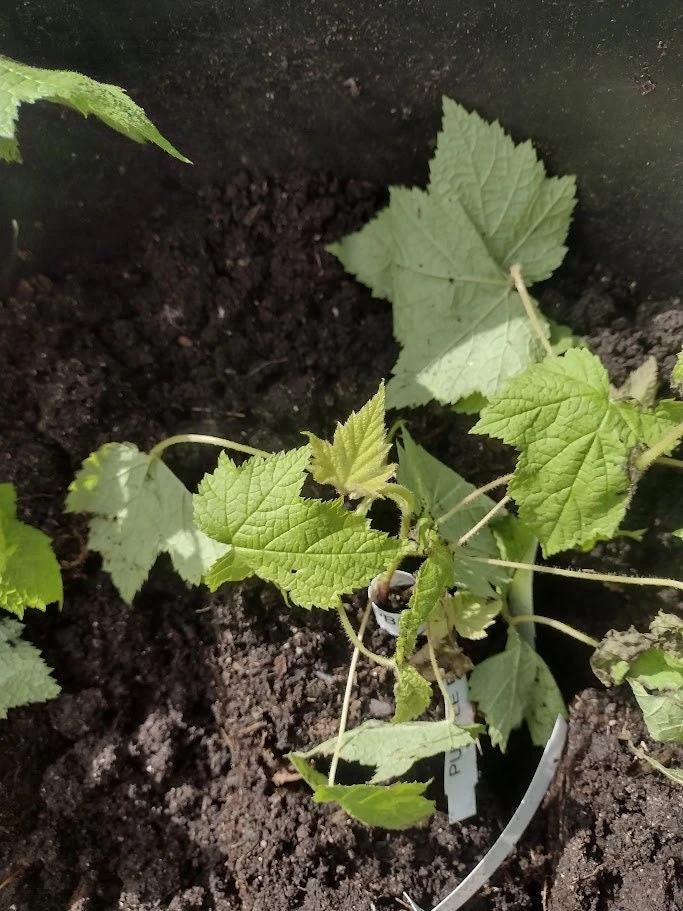
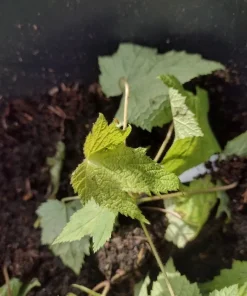
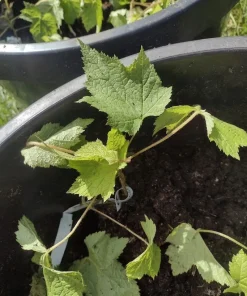
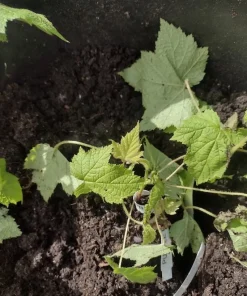

Purple Flowering Raspberry Live Plant – Thornless, Self-Pollinating, Ornamental
Original price was: $60.99.$45.99Current price is: $45.99.
Cultivate a unique purple flowering raspberry live plant, a thornless raspberry plant perfect for ornamental beauty and small, tart fruits. This self-pollinating fruit plant thrives in partial shade and is ideal for attracting pollinators. Enjoy its fragrant blooms and easy care.
Estimated arrival
Sep 17
Sep 22 - Sep 24
Sep 27 - Oct 01
Shop With Confidence
30-Day Plant Health Guarantee
Arrives damaged? We’ll replace it free — see our return policy.
Responsive Support
Email us anytime, we reply within 1 business day.
Expert Packaging
Temperature-controlled shipping to protect your plants in transit.
Secure Checkout
Pay safely with Visa, Mastercard, PayPal.
Plant Specifications
-
USDA Hardiness Zone
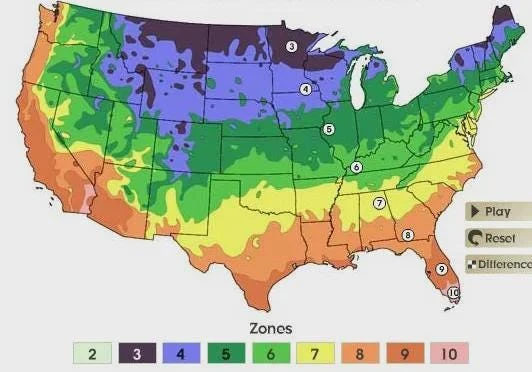
USDA Zones 4-7 -
Soil Type
Moist, well-draining soil -
Sunlight Exposure
Partial shade -
Expected Planting Period
Spring to early summer
Overview
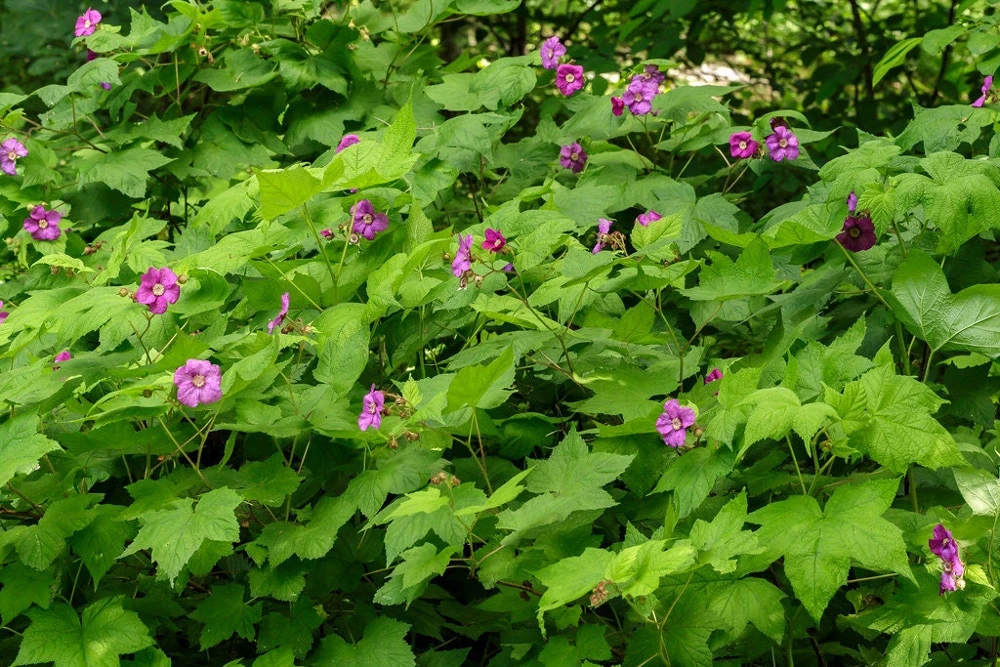
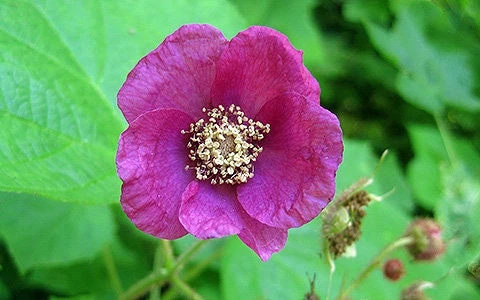
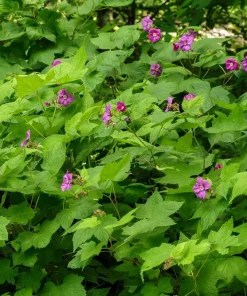
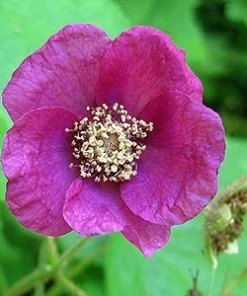
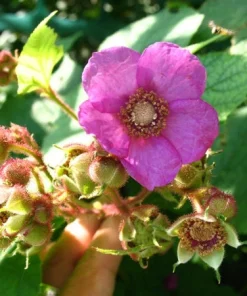
Introduce a touch of unique beauty and functionality to your garden with this remarkable purple flowering raspberry live plant. Known botanically as Rubus odoratus, this ornamental shrub is celebrated for its attractive purple-pink flowers, thornless stems, and edible tart fruits. Unlike many traditional raspberries, this species is primarily valued for its aesthetic appeal, making it a fantastic addition to mixed borders, woodland gardens, or as a naturalized planting. It’s a hardy and adaptable plant, offering year-round interest from its vibrant blooms in summer to its distinctive foliage and fruit. This particular variety is a self-pollinating fruit plant, meaning you only need one to enjoy its small, flavorful berries.
The purple flowering raspberry live plant is a vigorous grower, establishing quickly to provide a lush, natural look. It’s an excellent choice for gardeners seeking a low-maintenance yet visually appealing plant that also contributes to local wildlife. Its unique characteristics, such as being a thornless raspberry plant, make it a safe and enjoyable option for families and gardeners of all experience levels. This shrub is not only beautiful but also resilient, thriving in various conditions and enhancing the ecological balance of your outdoor space.
Key Benefits
The purple flowering raspberry live plant offers a multitude of advantages for any garden. Its unique attributes make it a standout choice for both aesthetic appeal and practical benefits:
-
Ornamental Appeal: Boasts beautiful, fragrant purple flowers that bloom throughout the summer, providing continuous visual interest and a delightful aroma. This makes it an excellent ornamental raspberry shrub, enhancing garden aesthetics.
-
Thornless Stems: Enjoy gardening without the worry of thorns. The smooth stems make this plant easy to handle during pruning and harvesting, a significant benefit of the thornless raspberry plant.
-
Edible Fruit: Produces small, tart, yet flavorful fruits that can be enjoyed fresh, in jams, jellies, or baked goods. It’s a delightful treat that adds a culinary dimension to its ornamental value.
-
Attracts Pollinators: The vibrant flowers are a magnet for bees, butterflies, and other beneficial pollinators, supporting local ecosystems and encouraging biodiversity in your garden.
-
Self-Pollinating: As a self-pollinating fruit plant, it doesn’t require a companion plant to produce fruit, simplifying garden planning and ensuring a harvest from a single specimen.
-
Erosion Control: Its spreading growth habit and strong root system make it an excellent choice for stabilizing banks and preventing soil erosion, especially in naturalized areas.
-
Low Maintenance: Once established, this hardy shrub requires minimal care, making it suitable for busy gardeners or those new to plant cultivation.
Plant Care & Growing Tips
Caring for your purple flowering raspberry live plant is straightforward, ensuring a thriving and productive shrub for years to come. This robust plant prefers a location with partial shade, ideally receiving 4-6 hours of dappled sunlight per day. While it can tolerate full sun in cooler climates, protection from intense afternoon sun is beneficial, especially in warmer regions. It naturally thrives in woodland edges, so mimicking these conditions will yield the best results. Ensure good air circulation around the plant to prevent fungal issues.
When it comes to watering, the purple flowering raspberry live plant prefers consistently moist but well-drained soil. Avoid waterlogging, as this can lead to root rot. During dry spells, especially in its first year, water deeply once or twice a week. Established plants are more drought-tolerant but will benefit from supplemental watering during prolonged dry periods. The ideal soil is a rich, loamy type with good organic content, which helps retain moisture while allowing excess water to drain away. It’s adaptable to a range of soil pH levels. Fertilization is generally not heavily required; a light application of a balanced, slow-release granular fertilizer in early spring can boost growth, particularly if your soil is poor. Avoid over-fertilizing, which can promote excessive foliage at the expense of flowers and fruit.
This thornless raspberry plant is hardy in USDA Zones 4-7. It tolerates cold winters well, often going dormant and returning vigorously in spring. Pruning should be done in late winter or early spring to remove any dead, damaged, or weak canes. You can also thin out older canes to encourage new growth and maintain the plant’s shape and size. Due to its spreading nature, it can be used to hold banks, making it a versatile choice for various landscape designs. Keep an eye out for common pests like aphids or spider mites, though they are usually not a significant problem. Addressing any issues early with organic pest control methods will keep your plant healthy. This Rubus odoratus is naturally resilient and generally resistant to most diseases.
Size & Details
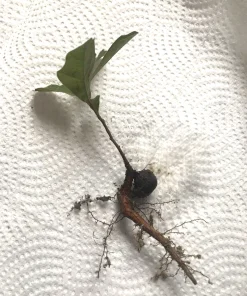
The purple flowering raspberry live plant will arrive as one healthy, rooted starter plant, ready for transplanting into your garden. These plants are propagated from fruiting mother plants, ensuring genetic fidelity and the ability to produce berries. Once established, this vigorous ornamental raspberry shrub can reach a mature height of 4-6 feet and spread outwards 8-10 feet, creating a dense and attractive thicket. Its growth rate is moderate to fast, allowing it to establish a significant presence in your landscape within a few seasons. The plant is typically summer season bearing, with fragrant purple flowers followed by small, tart fruits that ripen throughout the summer months.
The spreading habit of this self-pollinating fruit plant makes it excellent for naturalized plantings, woodland gardens, or as a dense border. It ships taken out of its growing pot for protection during transit, carefully packaged to ensure it arrives in optimal condition. The plant will establish quickly once planted in appropriate conditions, providing beautiful blooms and fruit for many years. Its substantial size at maturity makes it a great choice for filling larger spaces or creating natural screens.
Frequently Asked Questions
-
Q: How big does this purple flowering raspberry live plant get? A: This shrub typically reaches a mature height of 4-6 feet and can spread 8-10 feet wide, forming a dense and attractive bush. Its size makes it suitable for various landscape uses, from borders to erosion control.
-
Q: Is this an indoor or outdoor plant? A: The purple flowering raspberry live plant is an outdoor shrub, hardy in USDA Zones 4-7. It thrives in garden settings and is not suitable for long-term indoor cultivation.
-
Q: How much sunlight does it need? A: This plant prefers partial shade, ideally receiving 4-6 hours of dappled sunlight daily. It can tolerate more sun in cooler climates but benefits from protection from intense afternoon sun in warmer regions.
-
Q: Is this plant easy to care for? A: Yes, the thornless raspberry plant is considered low-maintenance once established. It’s adaptable and generally pest and disease resistant, making it a good choice for beginners and experienced gardeners alike.
-
Q: What condition will it arrive in? A: You will receive one healthy, rooted starter plant. It will be carefully removed from its growing pot and packaged to protect it during shipping, ensuring it arrives ready for planting.
-
Q: Can I eat the fruit from this ornamental raspberry shrub? A: Yes, the plant produces small, tart fruits that are edible. They are great for fresh eating, baking, making jams, juices, or freezing for later use.
-
Q: How long until it blooms and fruits? A: This self-pollinating fruit plant typically blooms in the summer season, with fruits developing shortly after and ripening throughout the summer months. You can expect blooms and fruit within the first few years after planting, depending on establishment.
-
Q: Will it survive winter in my zone? A: Yes, if you are in USDA Zones 4-7, this plant is cold hardy and will survive winter. It may go dormant in colder months but will return vigorously in the spring.
-
Q: What kind of soil does it prefer? A: It thrives in moist, well-drained soil rich in organic matter. While adaptable, good drainage is crucial to prevent root issues. This helps the Rubus odoratus flourish.
-
Q: Is it really thornless? A: Yes, one of the key features of this specific raspberry species is its thornless stems, making it safer and more pleasant to handle compared to other raspberry varieties.
Be the first to review “Purple Flowering Raspberry Live Plant – Thornless, Self-Pollinating, Ornamental”
People Also Viewed
Vegetable Seeds
Pink Grapefruit Tomato Seeds – 15 Seeds – Yellow Skin, Low Acid
Reviews
There are no reviews yet.