
Black Chokeberry Live Plant – Aronia melanocarpa – Edible Berries – Zones 3-9
Original price was: $58.99.$43.99Current price is: $43.99.
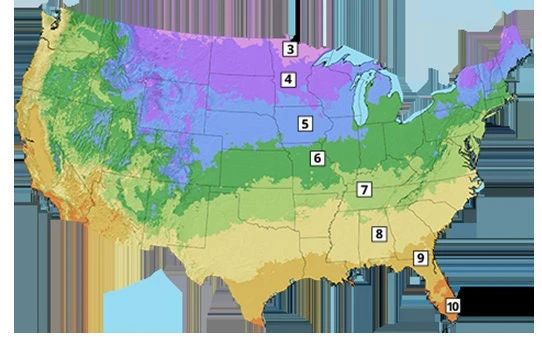
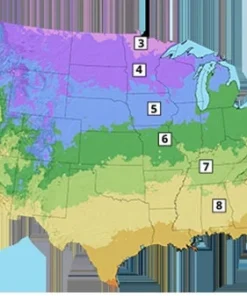
Cultivate your own healthy berries with this black chokeberry live plant. A hardy aronia melanocarpa plant, it produces dark purple, antioxidant-rich fruit and thrives in USDA Zones 3-9. Perfect for edible landscaping or natural hedges.
Estimated arrival
Sep 17
Sep 22 - Sep 24
Sep 27 - Oct 01
Shop With Confidence
30-Day Plant Health Guarantee
Arrives damaged? We’ll replace it free — see our return policy.
Responsive Support
Email us anytime, we reply within 1 business day.
Expert Packaging
Temperature-controlled shipping to protect your plants in transit.
Secure Checkout
Pay safely with Visa, Mastercard, PayPal.
Plant Specifications
-
USDA Hardiness Zone
3-9 -
Soil Type
Adaptable to various soils, including wet or boggy; prefers well-draining -
Sunlight Exposure
Full sun to partial shade -
Expected Planting Period
Spring to fall
Overview
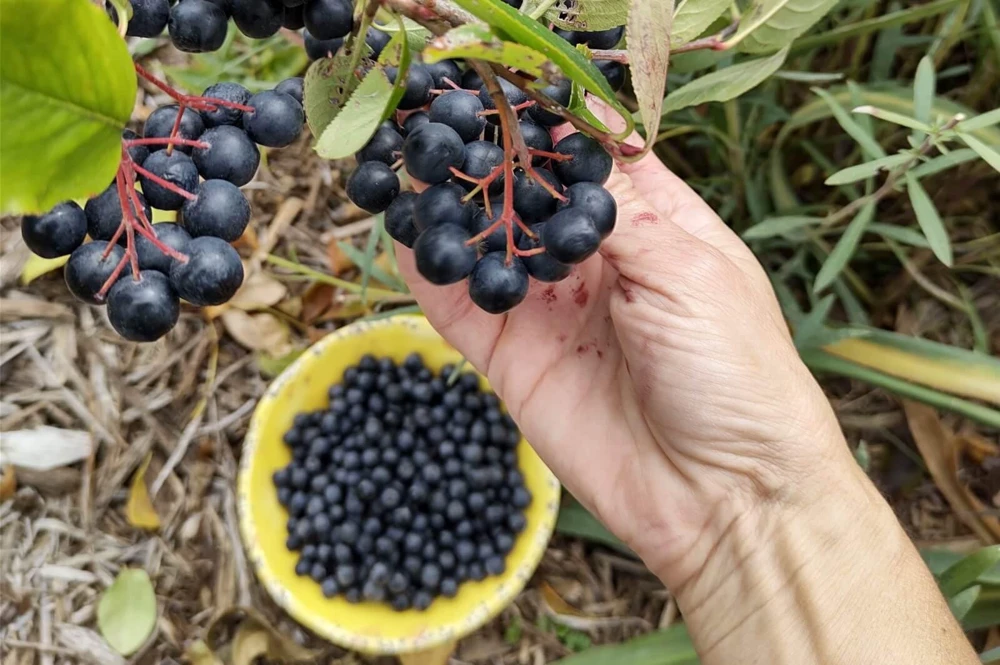
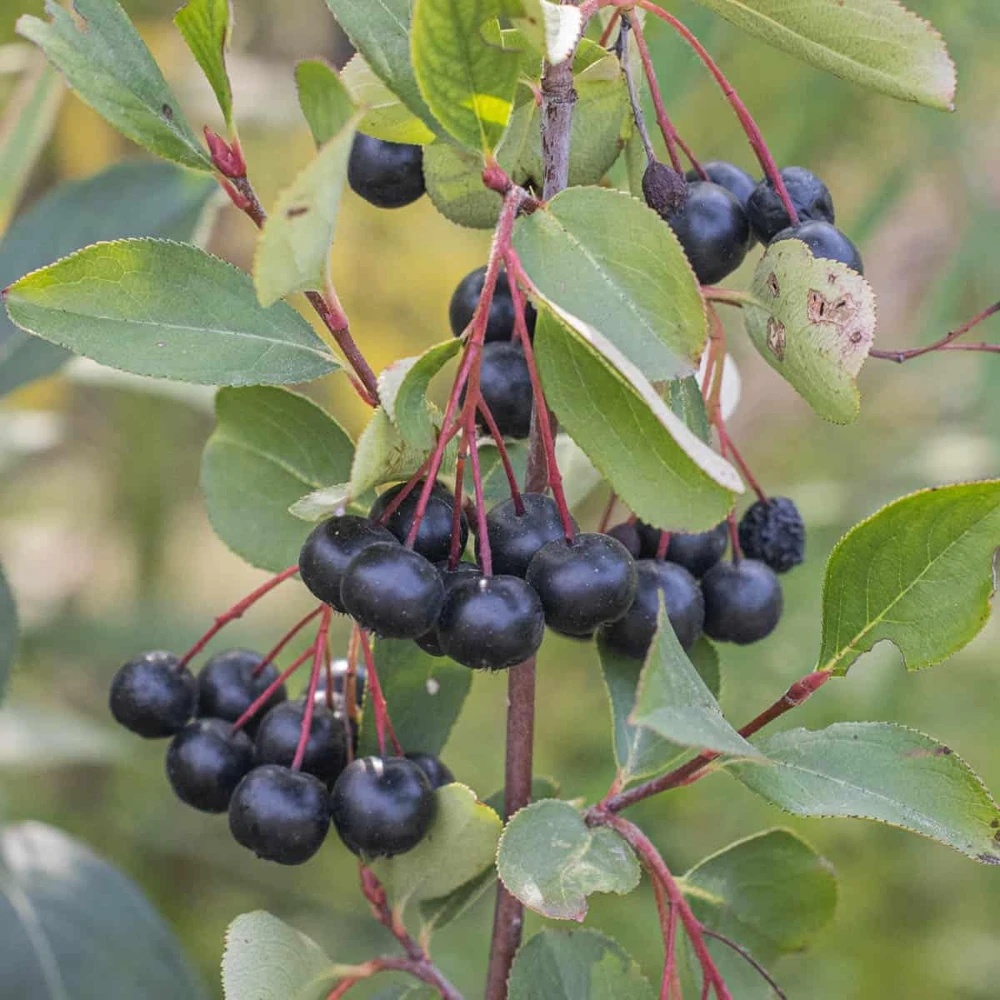
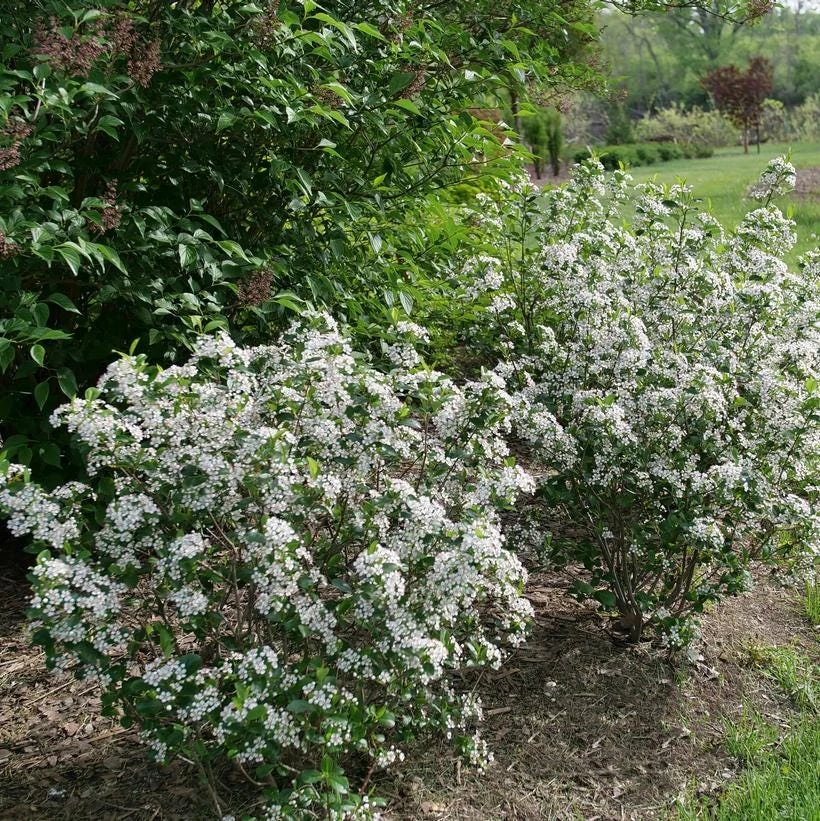
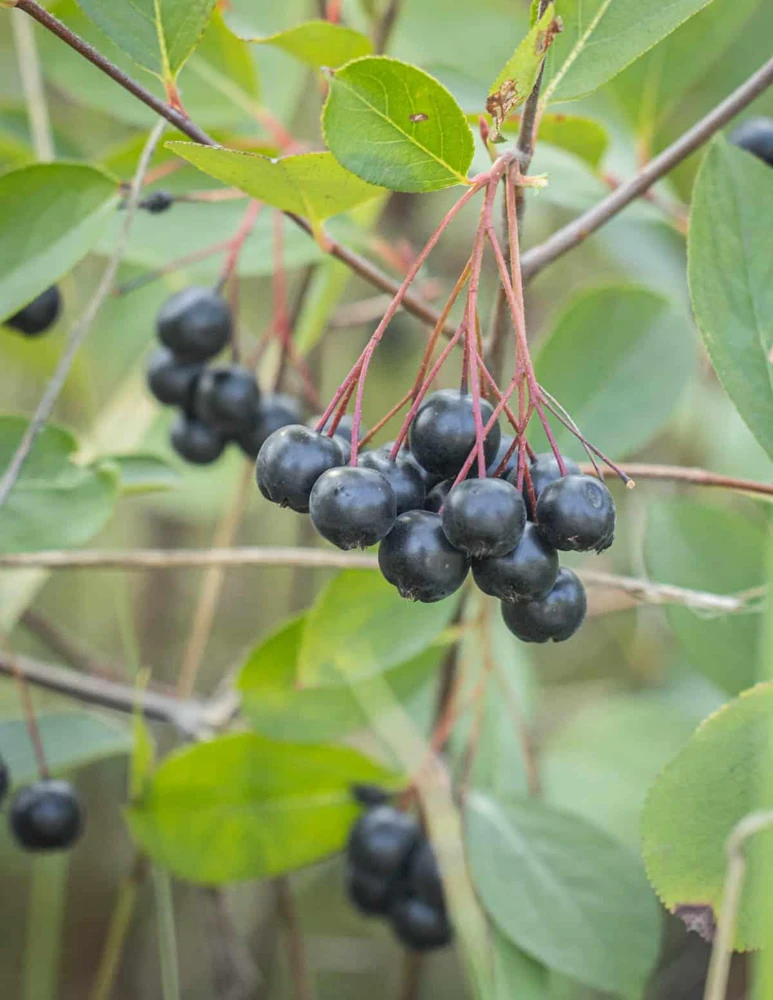
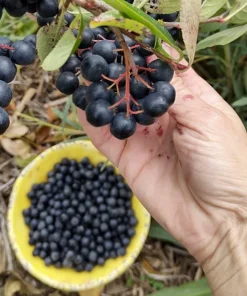
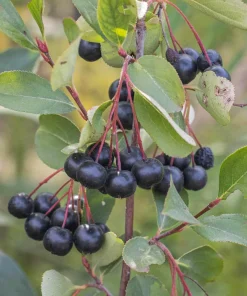
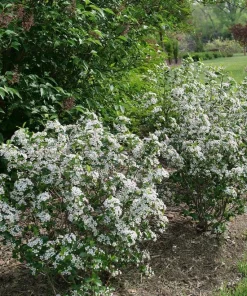
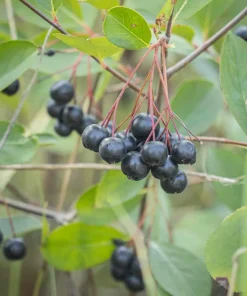
Bring the vibrant beauty and health benefits of the black chokeberry live plant to your garden. This remarkable shrub, scientifically known as Aronia melanocarpa, is celebrated for its abundant clusters of dark purple berries, which are packed with antioxidants and Vitamin C. Often referred to as a ‘superfood,’ these berries are excellent for eating, juicing, or cooking. Our live starter plant is rooted and ready to establish itself in your landscape, offering both ornamental appeal with its lovely white spring flowers and a bountiful harvest of nutritious fruit.
The aronia melanocarpa plant is a versatile and resilient addition to any garden, thriving across a wide range of climates from USDA Zones 3 to 9. It’s an excellent choice for those looking to add an edible component to their yard without extensive maintenance. This self-pollinating shrub is naturally grown without pesticides, ensuring you receive a healthy, robust plant that will soon be producing its delicious fruit.
Whether you’re an experienced gardener or just starting, a chokeberry bush for sale like this one offers a rewarding growing experience. It’s known for its adaptability to various soil conditions and its ability to attract birds, adding dynamic life to your outdoor space.
Key Benefits
Investing in a black chokeberry live plant offers numerous advantages for both your garden and your well-being. This resilient shrub provides a combination of aesthetic appeal, ecological benefits, and nutritional value.
- Nutrient-Rich Edible Berries: The primary benefit of the aronia melanocarpa plant is its production of dark purple berries, renowned for their extremely high levels of antioxidants and Vitamin C. These ‘superfood’ berries can be enjoyed fresh, juiced, or used in jams and baked goods.
- Hardy and Adaptable: Thriving in USDA Zones 3-9, this plant is incredibly resilient to various climates and soil types, including wet or boggy areas, making it a low-maintenance choice for many gardeners.
- Ornamental Appeal: Beyond its fruit, the chokeberry offers beautiful white flowers in spring, followed by attractive dark berries in summer and vibrant red foliage in the fall, providing multi-season interest.
- Attracts Wildlife: The berries are a favorite food source for birds, making the black chokeberry live plant an excellent choice for attracting diverse wildlife to your garden.
- Self-Pollinating: This shrub is self-pollinating, meaning you only need one plant to produce fruit, simplifying the planting process and ensuring a harvest.
- Pest and Disease Resistant: Aronia melanocarpa is generally very resistant to common pests and diseases, reducing the need for chemical treatments and making it an ideal choice for organic gardening.
- Versatile Landscaping Use: Perfect for hedges, mass plantings, or as a standalone specimen. Its adaptable nature makes it suitable for various garden designs.
Plant Care & Growing Tips
Caring for your black chokeberry live plant is straightforward, making it an excellent choice for gardeners of all skill levels. This hardy shrub is quite forgiving and, with proper initial care, will thrive for many years, providing beautiful foliage, flowers, and delicious berries.
For optimal growth, plant your aronia melanocarpa plant in a location that receives full sun to partial shade. Full sun (at least 6 hours of direct sunlight per day) will generally lead to the best fruit production, but it can tolerate partial shade, especially in hotter climates. It is highly adaptable to various soil types, including clay, loam, or sandy soils, but prefers well-draining conditions. It can even tolerate wet, boggy areas, making it a great option for challenging garden spots. Aim for a soil pH between 5.0 and 7.0. When planting, dig a hole twice as wide as the root ball and just as deep. Place the plant in the hole, ensuring the top of the root ball is level with the soil surface, then backfill with soil and water thoroughly.
Once established, the black chokeberry live plant is relatively drought-tolerant, but consistent moisture will encourage better fruit development. Water regularly during dry spells, especially during the first growing season. Fertilize in early spring with a balanced, slow-release granular fertilizer or organic compost to support healthy growth and fruit production. Pruning is best done in late winter or early spring to remove any dead, damaged, or crossing branches, and to maintain the desired shape and size. This also encourages new growth and better fruiting. Keep an eye out for common garden pests, but chokeberries are generally quite resistant. Minimal intervention is usually needed, especially when growing chokeberry plants naturally without pesticides.
Size & Details
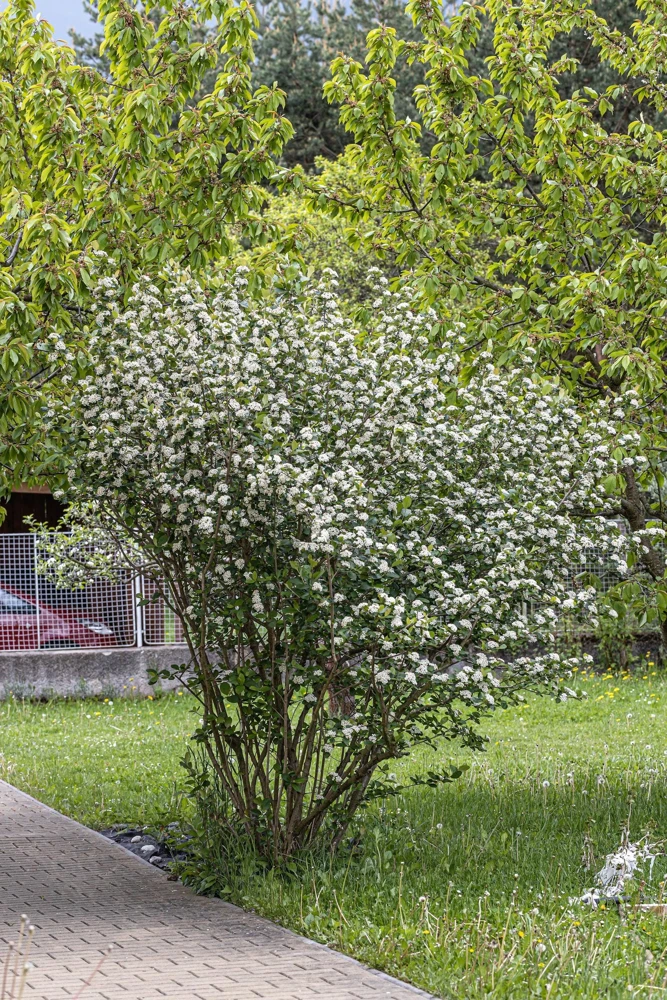
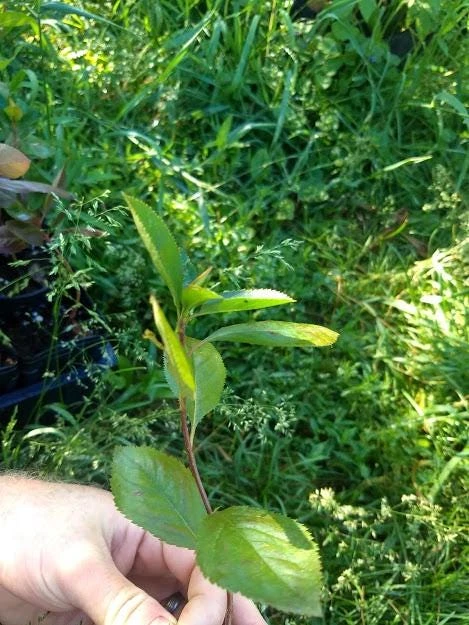
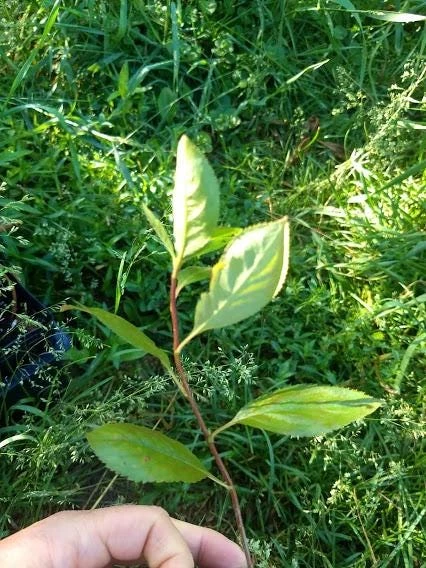
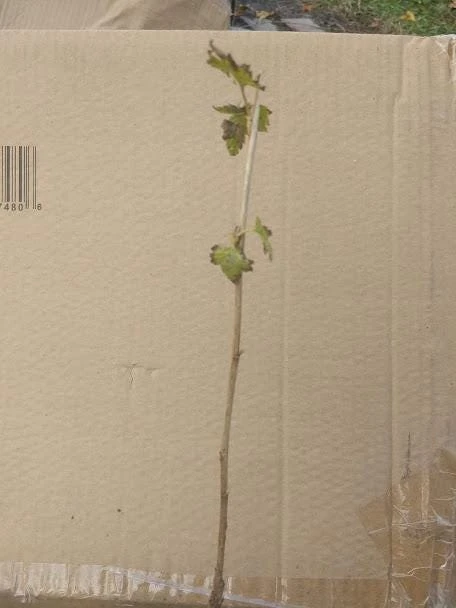
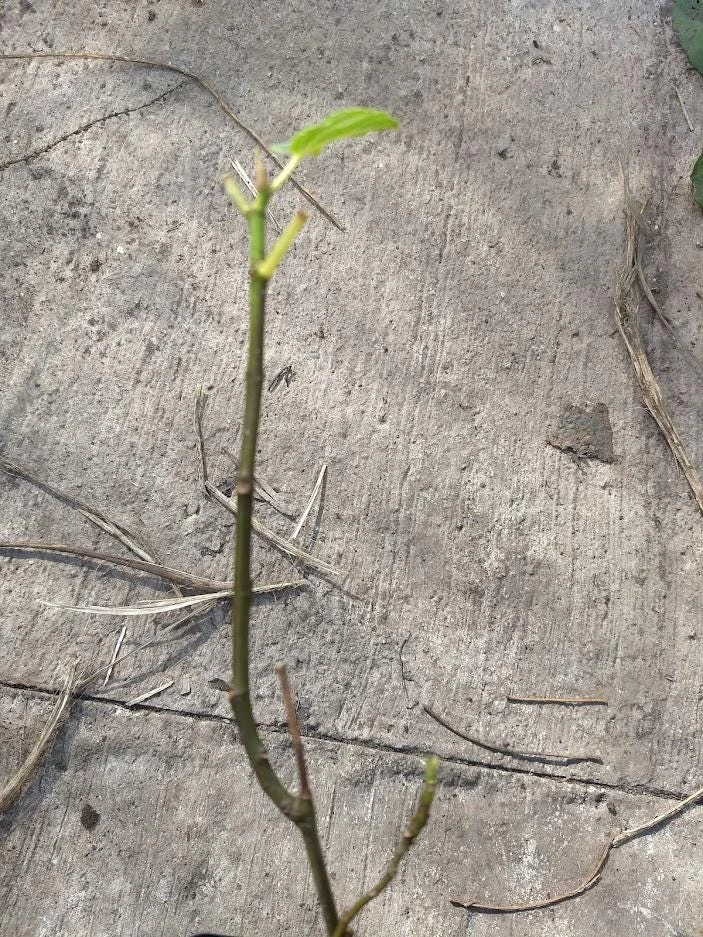
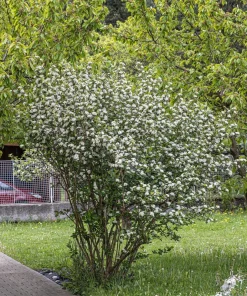
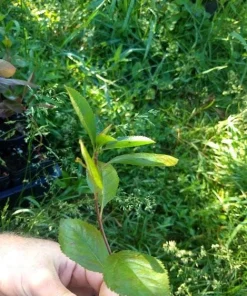
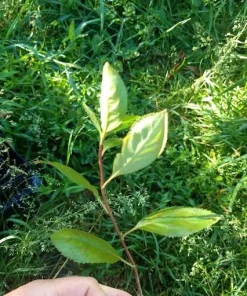
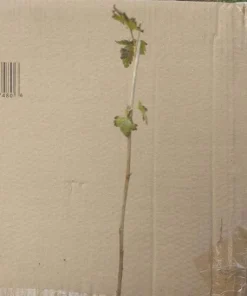
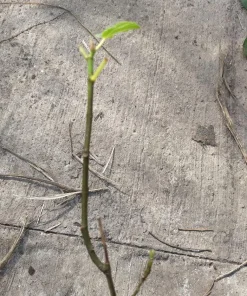
You will receive one healthy, rooted black chokeberry live plant, ready for planting. This starter plant is carefully selected to ensure a robust beginning in your garden. Upon maturity, the aronia melanocarpa plant typically reaches a height of 6 to 8 feet, with a similar spread, forming an attractive, multi-stemmed shrub. It is a moderately fast grower and should begin fruiting within the next year after planting. The plant is shipped without its growing pot to protect the root system during transit, carefully packaged in a box to ensure it arrives safely at your doorstep. This plant is well-suited for USDA Zones 3-9, indicating its resilience to a wide range of winter temperatures.
The berries, which appear after clusters of white flowers in spring, are dark purple to black and generally ripen in late summer to early fall. They are about 1/4 to 1/2 inch in diameter. This edible berry plants specimen is self-pollinating, guaranteeing fruit production even with a single plant. Its mature size makes it an excellent choice for a hedge, border, or as an attractive specimen plant in a mixed perennial bed.
Frequently Asked Questions
- Q: How big does this black chokeberry live plant get? A: This black chokeberry live plant typically grows to a mature height of 6 to 8 feet tall and can have a similar spread, forming a dense, attractive shrub. Its size makes it suitable for various landscaping uses.
- Q: Is this an indoor or outdoor plant? A: The aronia melanocarpa plant is an outdoor plant, highly suited for garden and landscape use. It is hardy in USDA Zones 3-9 and requires outdoor conditions to thrive and produce fruit.
- Q: How much sunlight does the chokeberry bush need? A: For the best fruit production and overall health, your chokeberry bush for sale should receive full sun (at least 6 hours of direct sunlight daily). It can tolerate partial shade, but fruiting may be less abundant.
- Q: Is this plant easy to care for? A: Yes, growing chokeberry plants is relatively easy. They are known for their hardiness, adaptability to various soils, and resistance to pests and diseases, making them a low-maintenance option for most gardeners.
- Q: What condition will it arrive in? A: Your black chokeberry live plant will arrive as a rooted starter plant, carefully packaged without its growing pot to protect its roots during shipping. It will be ready for immediate planting upon arrival.
- Q: How long until it blooms and fruits? A: This starter plant should begin producing flowers and fruit within the next year after planting, assuming proper care and growing conditions are met.
- Q: Will it survive winter in my zone? A: The aronia melanocarpa plant is extremely cold-hardy and thrives in USDA Zones 3-9, meaning it will comfortably survive winters in most temperate regions of the United States.
- Q: Can I use the berries from this plant for eating/cooking/juicing? A: Absolutely! The berries from these edible berry plants are perfect for eating, cooking, juicing, and making jams. They are highly prized for their tart flavor and significant health benefits.
- Q: What kind of soil does it prefer? A: The black chokeberry is highly adaptable and will grow in a wide variety of soils, from wet to very dry. However, it generally prefers well-draining soil with a pH between 5.0 and 7.0 for optimal growth.
- Q: Is this plant self-pollinating? A: Yes, the black chokeberry live plant is self-pollinating, so you only need one plant to ensure a harvest of berries.
Be the first to review “Black Chokeberry Live Plant – Aronia melanocarpa – Edible Berries – Zones 3-9”
People Also Viewed
Reviews
There are no reviews yet.