

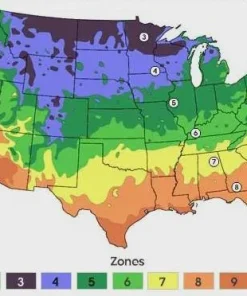
Everbearing Red Raspberry Live Plant – Starter Plant, Zones 3-8, Self-Pollinating
Original price was: $62.99.$47.99Current price is: $47.99.
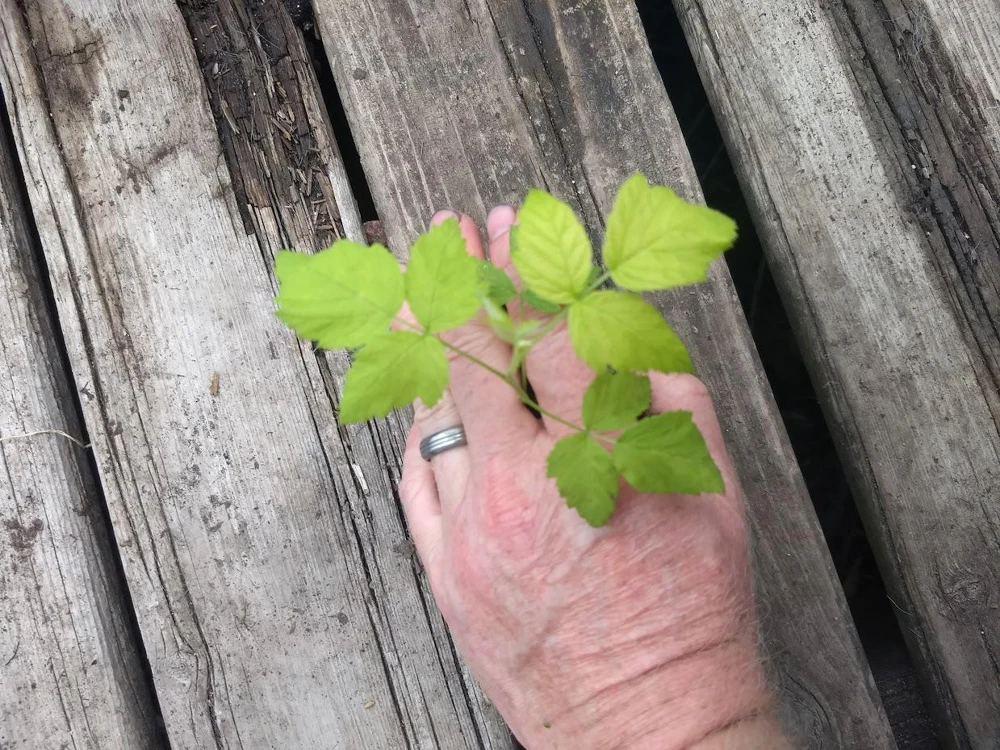
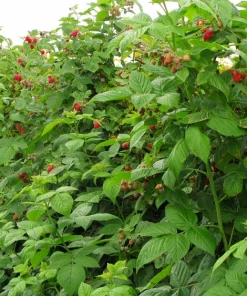
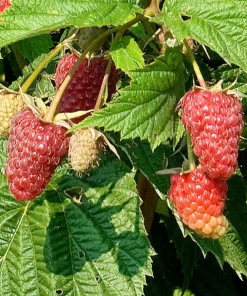
Cultivate delicious, sweet berries with this everbearing red raspberry plant. This live starter plant is self-pollinating, perfect for home gardens in USDA Zones 3-8, and produces medium to large red berries.
Estimated arrival
Sep 17
Sep 22 - Sep 24
Sep 27 - Oct 01
Shop With Confidence
30-Day Plant Health Guarantee
Arrives damaged? We’ll replace it free — see our return policy.
Responsive Support
Email us anytime, we reply within 1 business day.
Expert Packaging
Temperature-controlled shipping to protect your plants in transit.
Secure Checkout
Pay safely with Visa, Mastercard, PayPal.
Plant Specifications
-
USDA Hardiness Zone
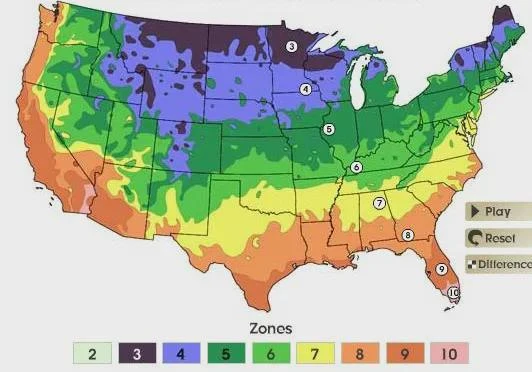
USDA Zones 3-8 -
Soil Type
Well-draining, rich in organic matter -
Sunlight Exposure
Full sun (6-8 hours daily) -
Expected Planting Period
Early spring to early summer or early fall
Overview
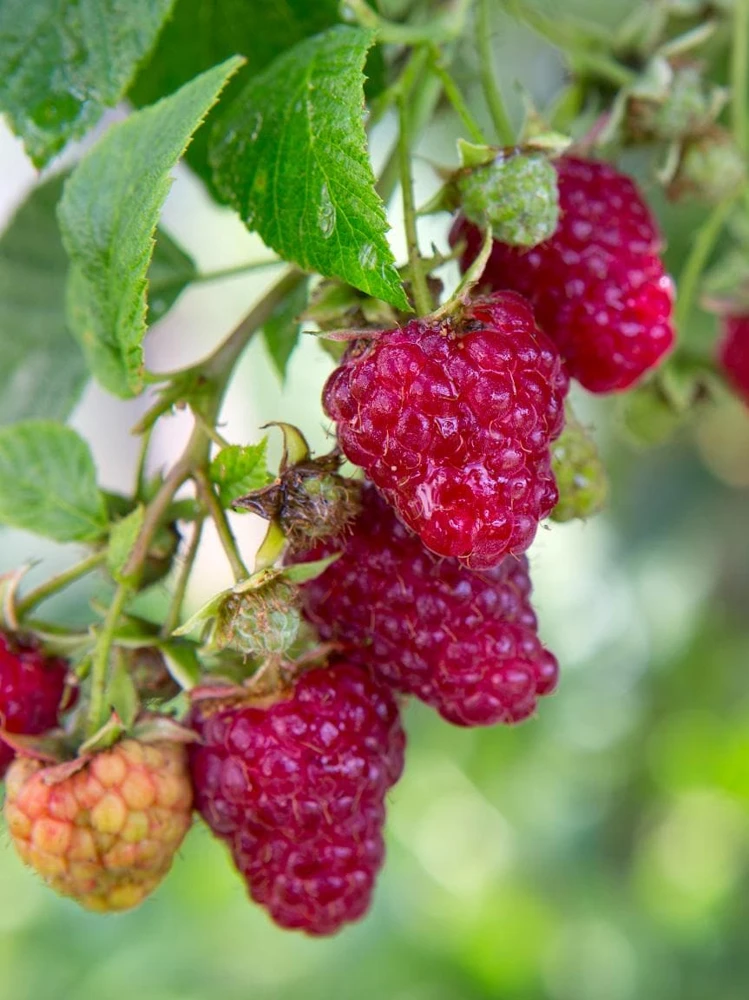
Experience the joy of growing your own delicious fruit with this everbearing red raspberry plant. This live starter plant, scientifically known as Rubus idaeus, is a fantastic addition to any home garden, providing a continuous harvest of sweet, juicy berries. Known for its robust growth and prolific fruiting, this variety is perfect for both novice and experienced gardeners. The plant will establish quickly, offering the promise of fresh, homegrown raspberries for years to come. Imagine picking plump, deep red berries right from your backyard, ideal for snacking, baking, preserves, or freezing. This particular raspberry plant is celebrated for its sweet flavor profile, often described as candy-like, making it a family favorite.
The unique everbearing nature means you can enjoy two harvests in a season: one in late spring/early summer and another from mid-August until the first frost. This extended fruiting period maximizes your yield and provides a steady supply of fresh fruit. The plant is self-pollinating, simplifying the growing process as you won’t need multiple plants for fruit production. Its adaptability to a wide range of climates, specifically USDA Hardiness Zones 3-8, makes it a versatile choice for many regions across the US. Begin your journey to a fruitful garden with this high-quality everbearing red raspberry plant.
Key Benefits
Adding a everbearing red raspberry plant to your garden offers numerous advantages, from fresh produce to a beautiful edible landscape. These plants are designed for success and abundance.
- Continuous Harvest: Enjoy fresh raspberries over an extended season with its everbearing nature, producing fruit from late summer until frost, and often a smaller crop in spring. This ensures a steady supply of delicious berries for various culinary uses.
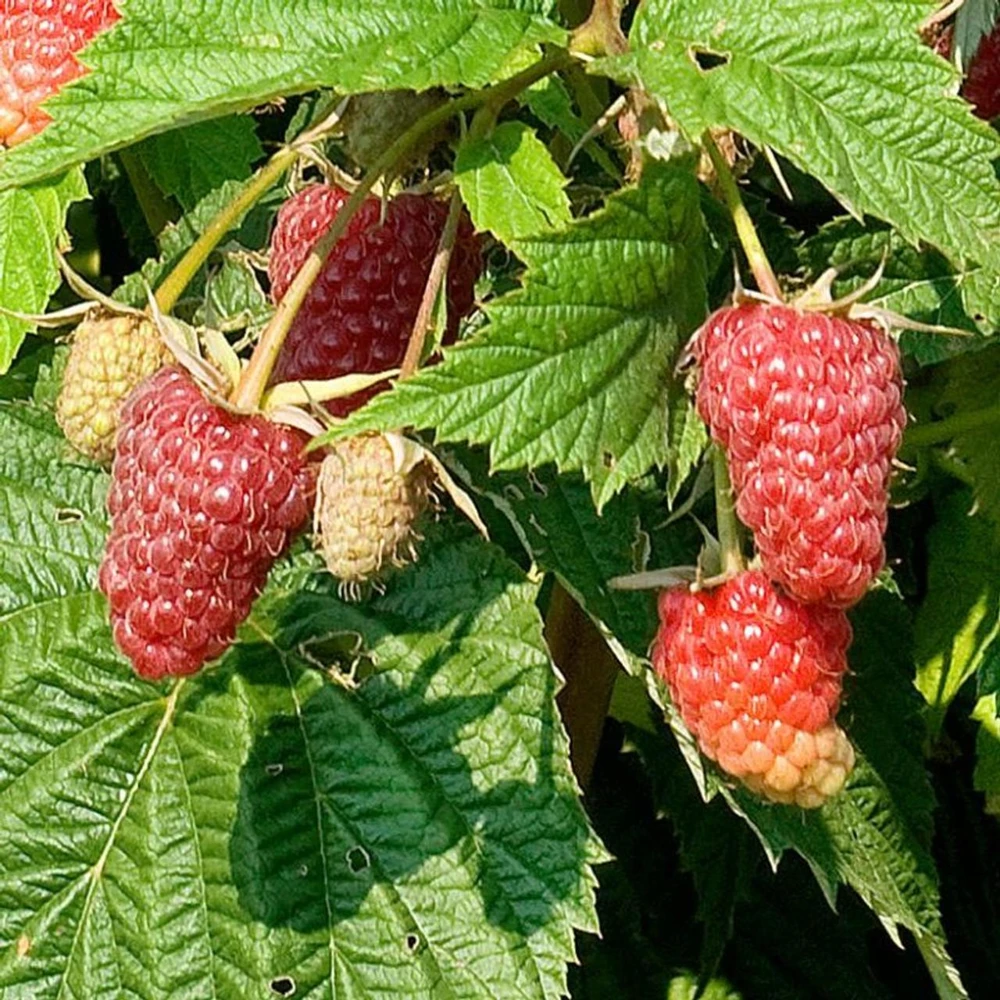
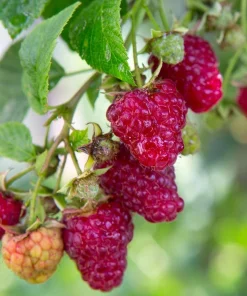
- Sweet & Flavorful Berries: This variety is renowned for its exceptionally sweet, candy-like flavor, offering a perfect balance of sweetness and tanginess. The berries are firm, deep red, and medium to large in size, making them ideal for eating fresh.
- Self-Pollinating Convenience: The plant is self-pollinating, meaning a single plant can produce fruit without the need for a second pollinator. This simplifies gardening and ensures a reliable harvest, even in smaller spaces.
- Versatile Culinary Use: The berries are perfect for fresh eating, baking, making jams, jellies, juices, and even freezing for later use. Their robust flavor holds up well in various preparations, making them a kitchen staple.
- Hardy & Adaptable: Thrives in a wide range of climates, specifically USDA Hardiness Zones 3-8, making it a suitable choice for many gardeners across the country. This resilience ensures a greater chance of success and long-term productivity.
- Low Maintenance: Once established, red raspberry plant care is relatively straightforward, requiring consistent watering and occasional pruning to maintain health and maximize yields. They are generally robust and disease-resistant.
- Organic Growth Potential: These plants are grown without chemicals or pesticides, allowing you to cultivate truly organic fruit in your own backyard, contributing to a healthier lifestyle.
Plant Care & Growing Tips
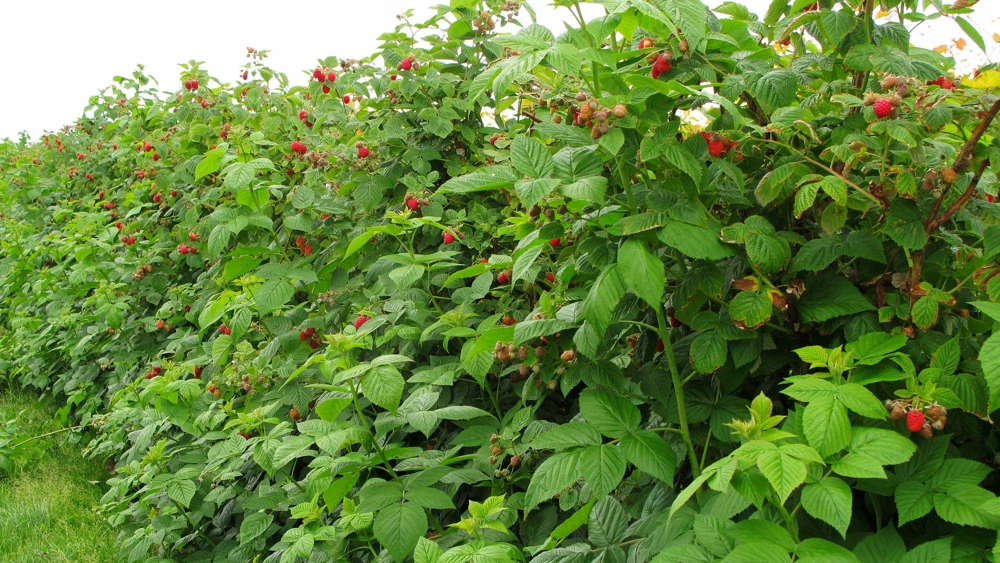
Successful cultivation of your everbearing red raspberry plant requires attention to a few key environmental factors and routine care. Raspberries thrive in well-draining soil with a pH between 6.0 and 6.8. Before planting, amend your soil with compost or other organic matter to improve fertility and drainage. Ensure the planting site receives full sun, meaning at least 6-8 hours of direct sunlight per day. Adequate sunlight is crucial for fruit production and overall plant health. Space plants about 2-3 feet apart in rows that are 6-8 feet apart to allow for proper air circulation and growth. Support systems like trellises or wires are highly recommended as the vines can reach 6-8 feet tall.
Watering is critical, especially during dry spells and when fruits are developing. Provide consistent moisture, aiming for about 1 inch of water per week, either from rainfall or irrigation. Avoid overwatering, which can lead to root rot. Mulching around the base of the plant can help retain soil moisture, suppress weeds, and regulate soil temperature. Fertilize in early spring with a balanced granular fertilizer or compost. Pruning is essential for maintaining plant vigor and maximizing fruit yield. For everbearing varieties, you can choose to prune for a single fall crop (cutting all canes to the ground in late winter) or for two crops (removing only the tips of canes that fruited in fall, and the entire cane after its second summer crop). Protect plants from extreme winter conditions in colder zones by mulching heavily or covering them. Understanding how to grow raspberry plant successfully will lead to bountiful harvests.
Size & Details
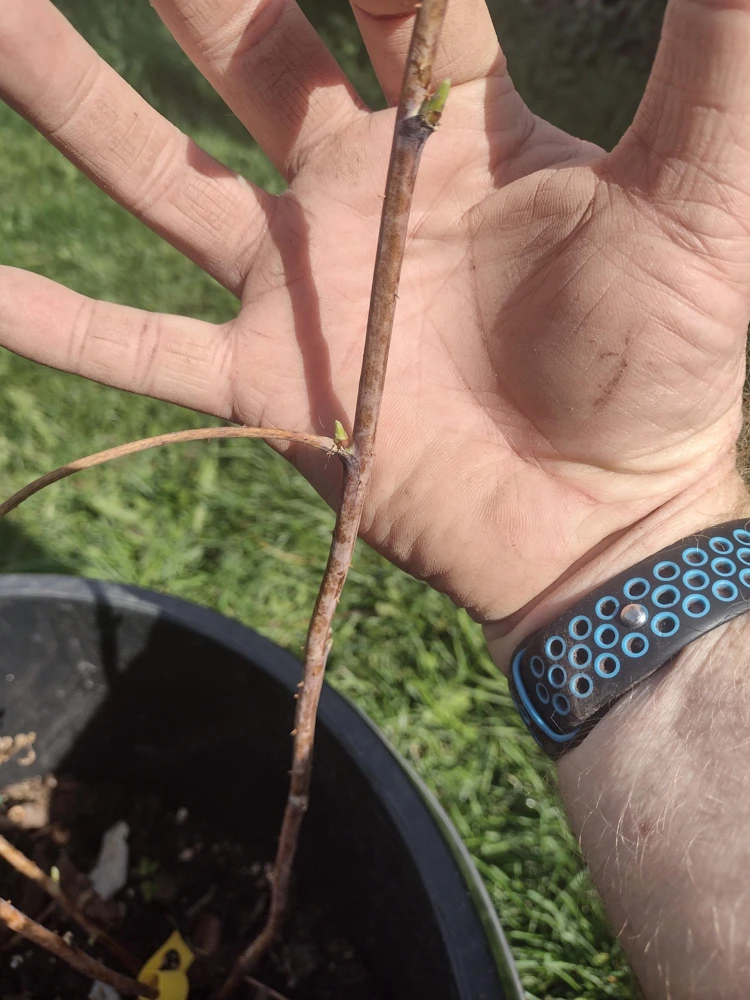
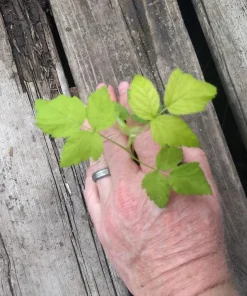
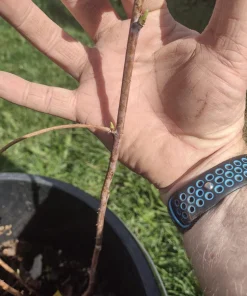
This offering is for one rooted everbearing red raspberry plant starter, ready for planting upon arrival. Each starter plant is carefully cultivated from a fruiting mother plant to ensure genetic consistency and fruit quality. While individual plant size may vary slightly upon shipment, these plants are known for their vigorous growth once established in the garden. The vines typically reach a mature height of 6-8 feet, requiring support for optimal growth and fruit production. The berries produced are medium to large in size, with a vibrant deep red color and excellent firmness. Expect your plant to begin fruiting next year, or even late this year if planted early in the growing season. The plant is self-pollinating, making it a convenient choice for any garden size. It is hardy in USDA Zones 3-8, making it suitable for a wide range of climates. The robust nature of this variety ensures a healthy and productive addition to your edible landscape.
Frequently Asked Questions
- Q: How big does this plant get? A: This everbearing red raspberry plant typically grows into vines that can reach 6-8 feet tall. Support structures like trellises are recommended to manage its height and help with fruit production.
- Q: What condition will it arrive in? A: You will receive one rooted starter plant, carefully packaged to protect it during transit. It will be taken out of its growing pot for shipping but will be ready for immediate planting upon arrival.
- Q: Is this an indoor or outdoor plant? A: This is an outdoor plant, best suited for garden beds or large containers where it can receive adequate sunlight and space to grow. It thrives in full sun conditions.
- Q: How much sunlight does it need? A: For optimal growth and fruit production, your red raspberry plant care requires at least 6-8 hours of direct sunlight per day. Choose a sunny location in your garden.
- Q: Is this plant easy to care for? A: Yes, once established, raspberry plants are relatively easy to care for. They require consistent watering, annual pruning, and occasional fertilization to ensure a healthy and productive harvest.
- Q: When is the best time to plant this raspberry? A: The best time to plant is typically in early spring after the last frost, or in early fall. This allows the plant to establish its root system before extreme temperatures set in.
- Q: Will it survive winter in my zone? A: This variety is hardy in USDA Zones 3-8, meaning it can tolerate winter temperatures in these regions. In colder zones, additional winter protection like mulching may be beneficial.
- Q: Can I get fruit this year? A: If planted early in the season, your self-pollinating raspberry plant may produce a small crop of fruit late this year. Otherwise, you can expect a full harvest starting next year.
- Q: What type of soil is best for growing raspberry plants? A: Raspberry plants prefer well-draining soil that is rich in organic matter. A slightly acidic to neutral pH (6.0-6.8) is ideal for healthy growth.
- Q: What makes this a ‘sweet raspberry plant’? A: This particular variety is known for its exceptionally sweet flavor, often compared to candy, with a balanced tanginess. This makes it a popular choice for fresh eating and various culinary applications.
Be the first to review “Everbearing Red Raspberry Live Plant – Starter Plant, Zones 3-8, Self-Pollinating”
People Also Viewed
Vegetable Seeds
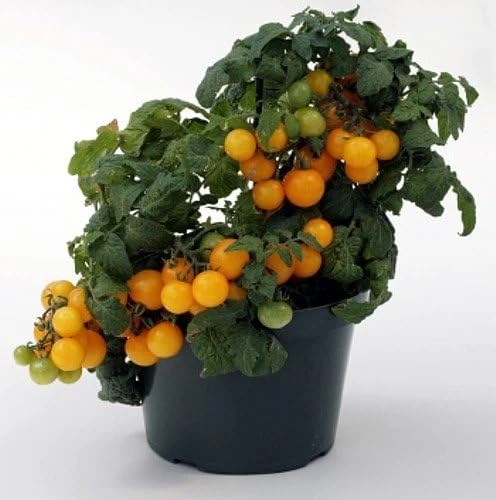
Sweet N Neat Yellow Tomato Seeds – 15 Seeds, Compact Dwarf Variety for Containers, Indoor/Outdoor
Reviews
There are no reviews yet.