


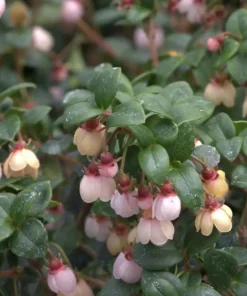

Chilean Guava Live Plant – Ugni molinae – Edible Fruit Shrub – 4 inch Pot – Outdoor
Original price was: $54.99.$44.99Current price is: $44.99.
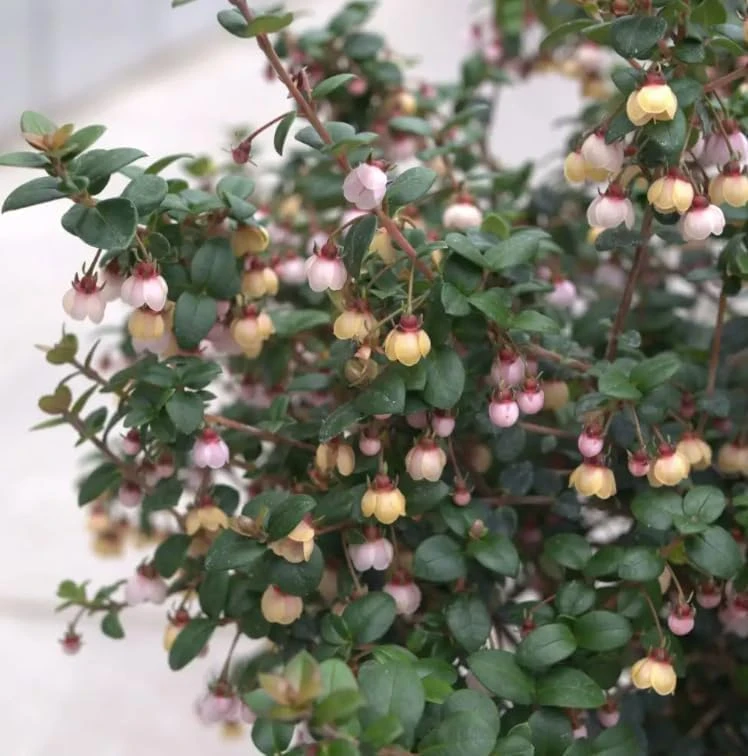
Cultivate your own delicious fruit with the Chilean Guava live plant (Ugni molinae). This compact evergreen shrub offers year-round beauty with small green leaves, delicate pink flowers, and sweet red berries. Ideal for hedges or as a unique landscape specimen in zones 7-9.
Estimated arrival
Sep 29
Oct 04 - Oct 06
Oct 09 - Oct 13
Shop With Confidence
30-Day Plant Health Guarantee
Arrives damaged? We’ll replace it free — see our return policy.
Responsive Support
Email us anytime, we reply within 1 business day.
Expert Packaging
Temperature-controlled shipping to protect your plants in transit.
Secure Checkout
Pay safely with Visa, Mastercard, PayPal.
Plant Specifications
-
USDA Hardiness Zone
7-9 -
Soil Type
Well-draining, slightly acidic to neutral soil -
Sunlight Exposure
Full sun to partial shade -
Expected Planting Period
Spring to early summer
Overview
Introduce a unique and versatile addition to your garden with the Chilean Guava live plant, scientifically known as Ugni molinae. This remarkable evergreen shrub, sometimes referred to as Candybox Guava, is celebrated for its attractive foliage, charming flowers, and, most notably, its delectable edible fruit. Originating from Chile, the Ugni molinae shrub is a compact selection that thrives in warmer climates, offering a fantastic alternative to traditional boxwood. Its dense, dark green leaves and fine branching habit make it an excellent choice for shaping into neat spheres or low, formal hedges. Beyond its ornamental appeal, this plant delivers a delightful harvest of small, red berries that boast a sweet, candy-like flavor, providing both beauty and a culinary treat.
The Chilean Guava live plant is a resilient and low-maintenance option for gardeners seeking both aesthetic appeal and productive yield. Its robust nature includes impressive drought and heat tolerance, ensuring it remains a handsome evergreen throughout the year. The versatility of its growth habit allows it to fit seamlessly into various landscape designs, from accent plantings to functional hedging. Experience the joy of growing your own sweet fruit while enhancing your garden’s structure and beauty with this exceptional plant.
Key Benefits
The Chilean Guava live plant offers a multitude of benefits, making it a highly desirable addition to any garden. From its ornamental features to its delicious fruit, this shrub provides year-round interest and value.
- Delicious Edible Fruit: Enjoy a harvest of small, red berries with a uniquely sweet, candy-like flavor in the fall. These fruits are perfect for fresh eating, jams, or desserts, and the plant is self-fertile, meaning no pollinator is required for fruit production.
- Versatile Landscape Use: With its compact size and fine branching, the Ugni molinae shrub can be easily pruned and shaped, making it an ideal choice for low hedges, topiary forms, or as a dense, evergreen specimen plant in borders and containers.
- Attractive Evergreen Foliage: Maintain year-round visual appeal with its small, dark green leaves that provide a lush backdrop to your garden. This evergreen quality ensures your landscape remains vibrant even during cooler months.
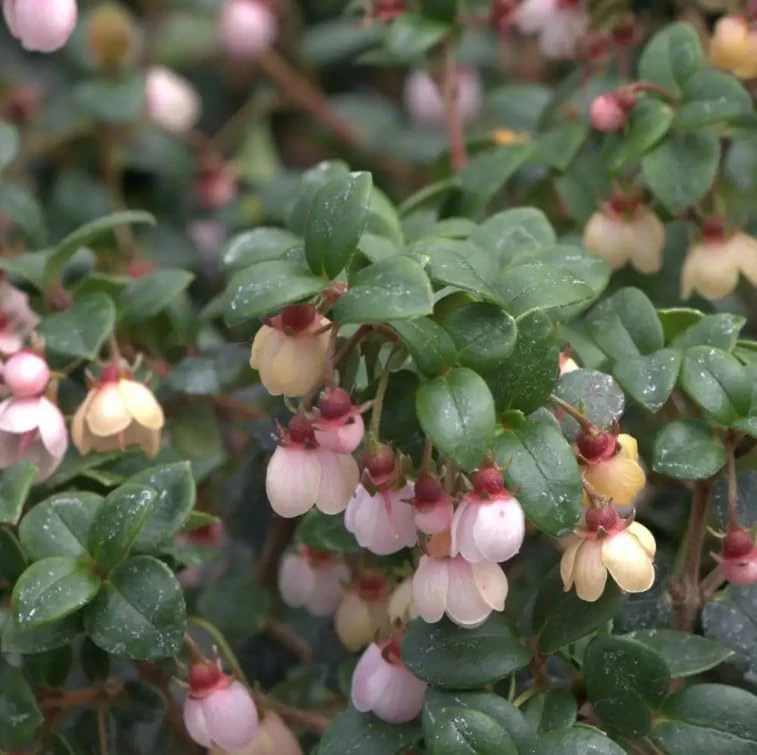
- Charming Pink Flowers: In spring, the plant produces tiny, delicate pink flowers that add a subtle touch of beauty and attract beneficial insects to your garden. These blossoms precede the development of the delicious fall fruit.
- Drought and Heat Tolerant: Once established, this cold hardy fruiting shrub exhibits excellent resilience to dry conditions and high temperatures, making it a sustainable choice for water-wise gardens.
- Low Maintenance: The Chilean Guava live plant is generally easy to care for, requiring minimal attention once established. Its natural vigor and disease resistance contribute to its fuss-free nature.
- Unique Boxwood Alternative: For those in warmer climates (USDA Zones 7-9) looking for an alternative to boxwood, the Ugni molinae offers a similar aesthetic with the added bonus of edible fruit and greater resilience to heat.
Plant Care & Growing Tips
Caring for your Chilean Guava live plant is straightforward, ensuring a healthy and productive shrub for years to come. This resilient plant adapts well to various conditions, but providing optimal care will maximize its growth and fruit yield. Start with a well-draining location to prevent root rot, which is crucial for the health of any shrub. The Ugni molinae shrub thrives in a position where it receives full sun to partial shade. In hotter climates, some afternoon shade can be beneficial to protect it from intense summer heat. Aim for at least 6 hours of direct sunlight for best fruit production, but it will tolerate less.
When it comes to watering, the Chilean Guava live plant is drought-tolerant once established, but consistent moisture is key during its establishment phase and during prolonged dry spells. Water deeply and regularly, allowing the top inch or two of soil to dry out between waterings. Avoid overwatering, as soggy soil can be detrimental. For soil, a well-draining, slightly acidic to neutral soil (pH 5.0-7.0) is ideal. Amend heavy clay soils with organic matter to improve drainage. This Candybox Guava plant is hardy in USDA Zones 7-9, meaning it can tolerate winter temperatures down to about 0°F (-18°C). In colder parts of its zone, providing some winter protection or planting in a sheltered location can be beneficial.
Fertilize your cold hardy fruiting shrub in early spring with a balanced, slow-release granular fertilizer formulated for fruiting plants or shrubs. Follow the product instructions for application rates. Pruning can be done in late winter or early spring to shape the plant, remove any dead or crossing branches, and maintain its desired size. It responds well to shearing if you wish to create formal hedges or topiary. Pests and diseases are generally not a major concern for Ugni molinae, making it a relatively low-maintenance choice for gardeners.
Size & Details
This Chilean Guava live plant is typically supplied in a 4-inch pot, ready for planting upon arrival. When mature, the Ugni molinae shrub usually reaches a height and spread of 2-3 feet, making it a compact and manageable plant for various garden settings. Its moderate growth rate allows for easy shaping and maintenance, whether you’re creating a formal hedge or letting it grow into a naturalistic form. The plant will arrive as a healthy, actively growing specimen, carefully packaged to ensure its safe journey to your home.
The bloom time for this plant is typically in the spring, when it showcases its delicate pink flowers. Following the spring bloom, the plant will set fruit, which ripens to a vibrant red in the fall, offering a beautiful contrast against its dark green foliage. This Candybox Guava plant is well-suited for outdoor cultivation within its specified USDA hardiness zones, providing both ornamental beauty and a harvest of sweet berries.
Frequently Asked Questions
- Q: How big does the Chilean Guava live plant get? A: The Chilean Guava live plant typically reaches a mature height and spread of 2-3 feet, making it a compact and versatile shrub for various garden applications. Its size can be maintained with regular pruning.
- Q: Is this an indoor or outdoor plant? A: This is primarily an outdoor plant, hardy in USDA Zones 7-9. While it can be grown in containers, it thrives best when planted in the ground within its appropriate hardiness zones.
- Q: How much sunlight does the Ugni molinae shrub need? A: The Ugni molinae shrub prefers full sun to partial shade. For optimal fruit production, aim for at least 6 hours of direct sunlight per day. In very hot climates, some afternoon shade can be beneficial.
- Q: Is this plant easy to care for? A: Yes, the Chilean Guava live plant is considered low-maintenance. Once established, it is drought-tolerant and generally resistant to pests and diseases, making it suitable for gardeners of all experience levels.
- Q: What condition will it arrive in? A: Your plant will arrive as a healthy, actively growing specimen in a 4-inch pot, carefully packaged to minimize stress during transit and ensure it’s ready for planting.
- Q: How long until it blooms and fruits? A: This plant typically blooms in the spring, with the delicious red fruits ripening in the fall. You can expect flowers and fruit within the first few years of planting, depending on growing conditions.
- Q: What does the fruit of the Candybox Guava plant taste like? A: The fruit of the Candybox Guava plant is known for its uniquely sweet, candy-like flavor, often described as a mix of strawberry, pineapple, and apple. It’s a delightful treat.
- Q: Will this cold hardy fruiting shrub survive winter in my zone? A: This shrub is cold hardy in USDA Zones 7-9. If you are within these zones, it should survive winter outdoors. In the colder parts of zone 7, some winter protection may be beneficial.
- Q: Can I use the fruit for cooking or jams? A: Absolutely! The sweet berries of the Chilean Guava live plant are excellent for fresh eating, but they also make delicious jams, jellies, pies, and other culinary creations.
- Q: Is a pollinator required for fruit production? A: No, the Chilean Guava live plant (Ugni molinae) is self-fertile, meaning a single plant can produce fruit without the need for a second plant for pollination.
Be the first to review “Chilean Guava Live Plant – Ugni molinae – Edible Fruit Shrub – 4 inch Pot – Outdoor”
People Also Viewed

Trees
Owari Satsuma Mandarin Tree – Live Grafted Plant, 1 Gallon, 2 ft Tall – Cold Hardy Citrus Fruit


Flower Seeds

Reviews
There are no reviews yet.