





Cercis Occidentalis Western Redbud Tree Seeds – 25 Cold Hardy Flowering Shrub Seeds for Outdoor Planting
Original price was: $40.99.$15.99Current price is: $15.99.
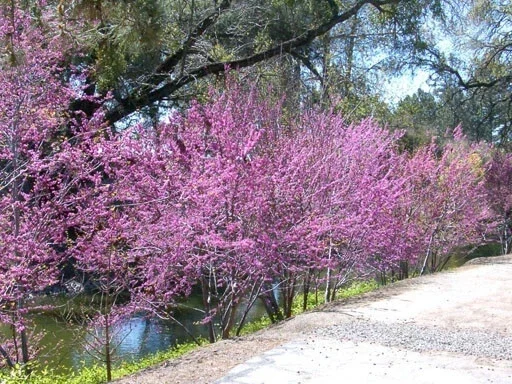
Cultivate a stunning landscape with Western Redbud seeds. This packet contains 25 cold hardy flowering shrub or tree seeds (Cercis Occidentalis), perfect for creating a vibrant outdoor display. Known for its beautiful purple blooms and adaptability, the redbud tree seeds offer an excellent choice for gardeners seeking a resilient and attractive addition to their garden. These seeds grow into a drought tolerant tree, ideal for various climates.
Estimated arrival
Oct 15
Oct 20 - Oct 22
Oct 25 - Oct 29
Shop With Confidence
30-Day Plant Health Guarantee
Arrives damaged? We’ll replace it free — see our return policy.
Responsive Support
Email us anytime, we reply within 1 business day.
Expert Packaging
Temperature-controlled shipping to protect your plants in transit.
Secure Checkout
Pay safely with Visa, Mastercard, PayPal.
Plant Specifications
-
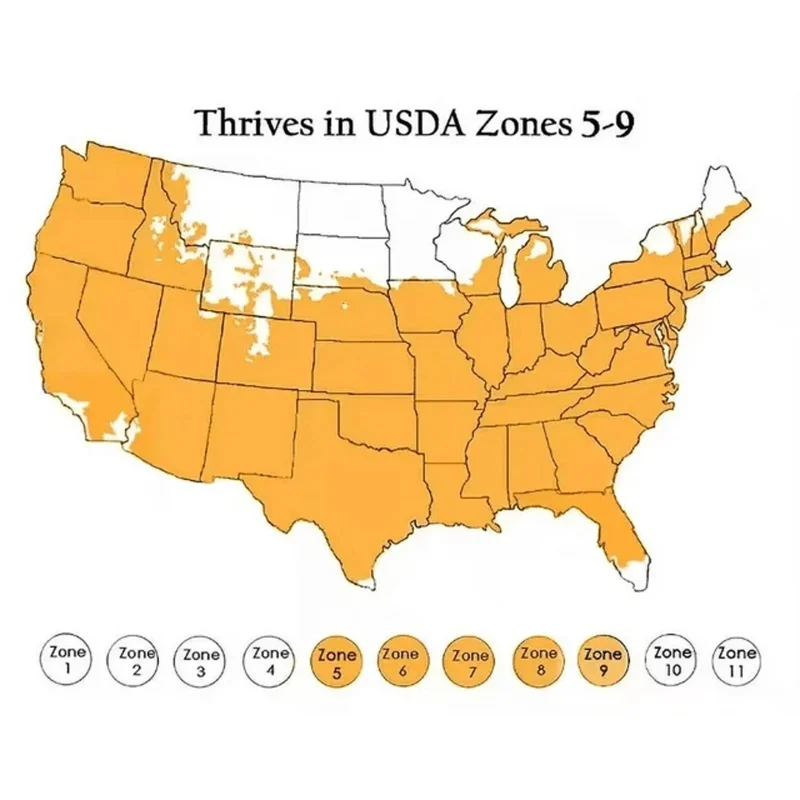
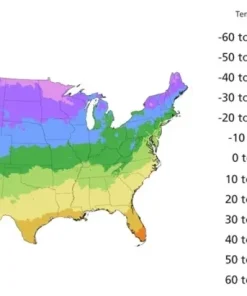
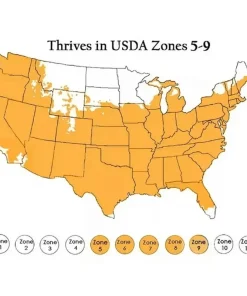
USDA Hardiness Zone
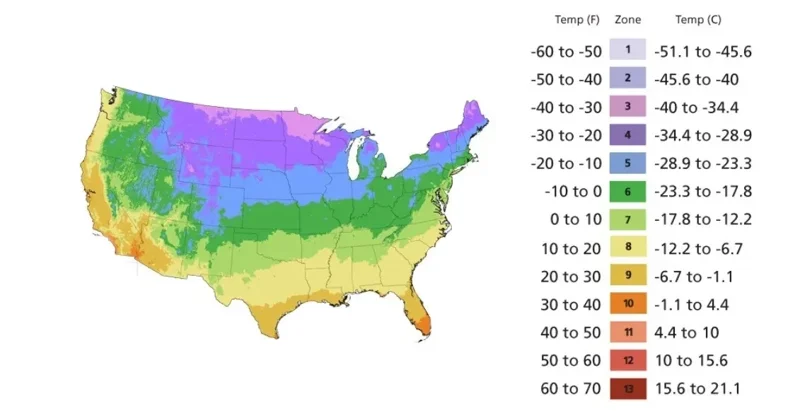
USDA zones 6-9 -
Soil Type
Loam, Clay, Sand (well-draining) -
Sunlight Exposure
Full Sun, Low Sun -
Expected Planting Period
Early spring after stratification
Overview
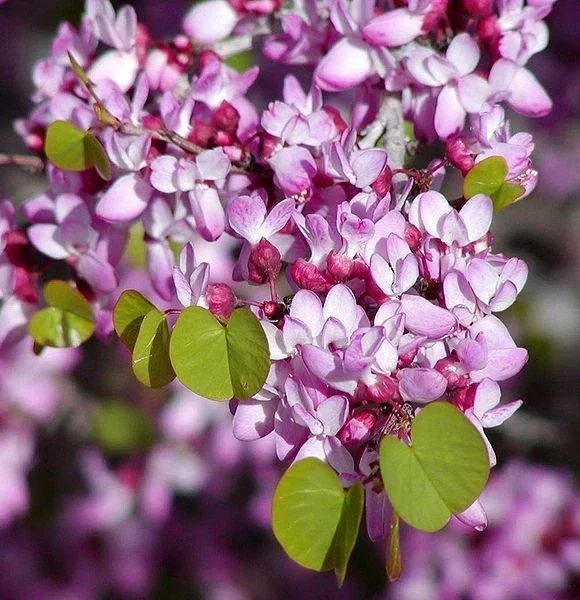
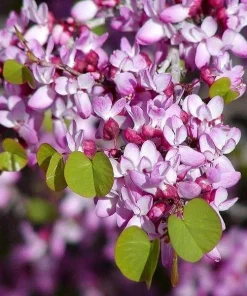
Embark on a rewarding gardening journey with this packet of Western Redbud seeds (Cercis Occidentalis). This offering provides 25 seeds of a magnificent, cold-hardy flowering shrub or small tree, renowned for its spectacular spring display of purple-pink blossoms. The Western Redbud, also known as California Redbud, is a native North American species that adds an unparalleled touch of natural beauty to any garden, thriving in various landscapes from arid to humid continental climates. Growing from these high-quality Cercis Occidentalis seeds allows you to witness the entire life cycle of this remarkable plant, from germination to its full, mature glory as a vibrant, flowering specimen. Its heart-shaped leaves and distinctive branching pattern contribute to its aesthetic appeal throughout the year, making it a favorite among landscape designers and home gardeners alike.
These redbud tree seeds are specifically sourced for their robust genetics, ensuring a greater chance of successful germination and strong, healthy growth. The Western Redbud is not only a visual delight but also an ecologically significant plant, providing early nectar for pollinators and habitat for local wildlife. By planting these seeds, you are contributing to biodiversity and creating a sustainable, vibrant ecosystem in your own backyard. Whether you’re an experienced horticulturist or a budding enthusiast, cultivating the Western Redbud from seed is a fulfilling project that promises a breathtaking return on your investment of time and care.
Key Benefits
The Western Redbud seeds offer numerous advantages for gardeners looking to enhance their outdoor spaces. This species is celebrated for its ease of care and remarkable resilience, making it a smart choice for many environments.
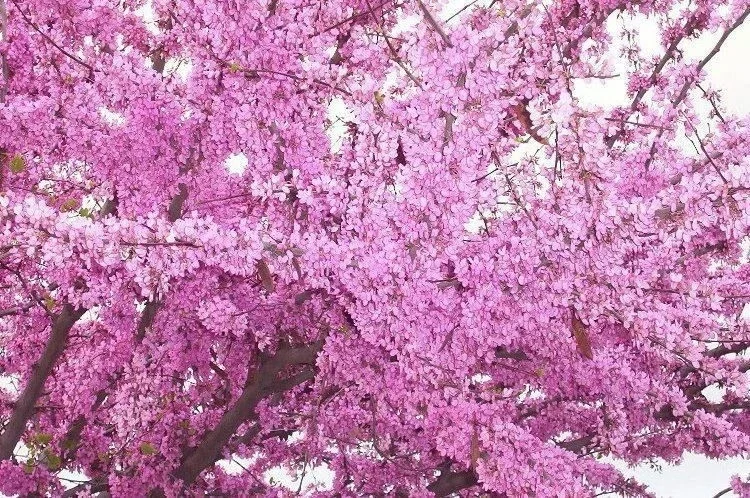
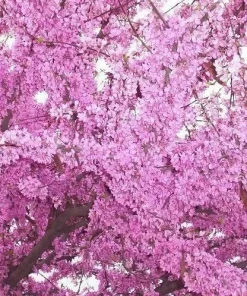
- Stunning Spring Blooms: Enjoy an explosion of vibrant purple-pink flowers in early spring, often before the leaves emerge, creating a spectacular visual impact. These blooms transform your garden into a colorful paradise, attracting admiration and providing early season beauty.
- Cold Hardy and Adaptable: These cold hardy flowering shrub seeds are suitable for a wide range of climates, including humid continental and arid regions. Once established, the Western Redbud can withstand significant temperature fluctuations and challenging conditions, proving its robust nature.
- Attracts Pollinators: The early spring flowers are a vital source of nectar for bees, butterflies, and other beneficial pollinators, contributing to the health of your garden ecosystem. Planting these seeds helps support local wildlife and promotes a thriving natural environment.
- Drought Tolerant: Once mature, the drought tolerant tree requires minimal watering, making it an excellent choice for water-wise gardening and regions with drier summers. This feature reduces maintenance effort and conserves water resources.
- Attractive Foliage: Beyond its blooms, the Western Redbud features beautiful heart-shaped leaves that turn lovely shades of yellow in the fall, offering multi-seasonal interest. The foliage provides a lush green canopy through summer, adding texture and depth to your landscape.
- Versatile Landscape Use: Ideal as a specimen tree, part of a mixed border, or even in naturalized areas, its moderate size and attractive form fit well into various garden designs. The Cercis Occidentalis can be pruned into a multi-stemmed shrub or a small, single-trunk tree.
- Low Maintenance: This tree is generally pest and disease resistant and requires minimal pruning, making it a relatively easy-care addition to your garden once established. Its robust nature means less time spent on intensive care and more time enjoying its beauty.
Plant Care & Growing Tips
Growing Western Redbud seeds into a thriving tree is a rewarding process that requires attention to specific care guidelines. For successful germination and robust growth, it’s essential to mimic the plant’s natural conditions. Stratification is crucial for these redbud tree seeds; they require a period of cold to break dormancy. Begin by scarifying the seeds gently to allow water penetration, then place them in a moist medium (like sand or peat moss) in a refrigerator for 2-3 months. After this cold stratification, plant the seeds in well-draining soil, either directly outdoors in early spring or indoors in pots for later transplanting. Ensure the planting depth is about twice the seed’s diameter.
Once germinated, young Western Redbud seedlings need consistent moisture but should not be waterlogged. They thrive in locations with full sun to partial shade, meaning at least 6 hours of direct sunlight daily for optimal flowering. The ideal soil type is a neutral loam, clay, or sand that is well-draining. While adaptable, good drainage is key to preventing root rot. Fertilization should be minimal for young trees; an annual application of a balanced, slow-release fertilizer in early spring is usually sufficient for established plants. The Western Redbud is hardy in USDA zones 6-9, tolerating temperatures down to -10°F (-23°C), making it a truly cold hardy flowering shrub.
Common problems to watch for include fungal issues in overly wet conditions or pest infestations like canker, though these are rare on healthy plants. Ensure good air circulation and avoid overhead watering to mitigate fungal risks. Pruning should be done in late winter or early spring to remove dead or crossing branches and to shape the tree. Proper care will ensure your drought tolerant tree develops into a magnificent specimen, providing years of beauty and ecological benefit. Remember, while the Western Redbud is relatively low maintenance, consistent monitoring during its early growth stages will yield the best results.
Size & Details
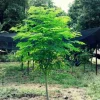
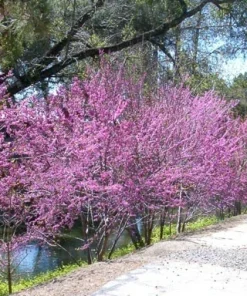
This product includes 25 Western Redbud seeds (Cercis Occidentalis), ready for you to cultivate. When mature, the Western Redbud typically grows to a height of 10-20 feet (3-6 meters) with a similar spread, forming a beautiful, often multi-stemmed, vase-shaped tree or large shrub. The growth rate is considered medium, usually adding 12-24 inches per year under ideal conditions. These seeds will develop into plants that are ideal for outdoor planting, suitable for creating natural screens, specimen plantings, or as an understory tree in larger landscapes.
The seeds are provided in a packet, offering a convenient way to start your garden project. Expect the first significant blooms to appear within 3-5 years after germination, with the plant reaching its full ornamental potential as it matures. As a drought tolerant tree, it’s an excellent investment for sustainable gardening. The provided seeds are of the species Occidentalis, ensuring you receive the true Western Redbud seeds, known for their vibrant purple flowers and adaptability.
Frequently Asked Questions
-
Q: How big does a Western Redbud tree get?
A: A mature Western Redbud typically reaches a height of 10-20 feet and can have a similar spread, forming a beautiful, often multi-stemmed, small tree or large shrub. Its size makes it versatile for various garden designs. -
Q: Is the Western Redbud an indoor or outdoor plant?
A: The Western Redbud (Cercis Occidentalis) is an outdoor plant, best suited for planting in gardens, landscapes, or naturalized areas. It is a cold hardy flowering shrub designed to thrive in outdoor conditions. -
Q: How much sunlight do these Western Redbud seeds need?
A: For optimal growth and flowering, the Western Redbud requires full sun to partial shade, meaning it should receive at least 6 hours of direct sunlight per day. Adequate sunlight is crucial for the abundant purple blooms. -
Q: Is this tree easy to care for?
A: Yes, once established, the Western Redbud is considered a low-maintenance tree. It is generally pest and disease resistant and becomes a drought tolerant tree, requiring minimal watering and pruning. -
Q: When is the best time to plant redbud tree seeds?
A: After proper stratification, the best time to plant redbud tree seeds is in early spring, after the last frost date. This allows the seedlings to establish themselves during the growing season. -
Q: What condition will the seeds arrive in?
A: The Western Redbud seeds will arrive in a protective packet, ensuring their viability and readiness for stratification and planting. They are carefully packaged to maintain their quality until they reach you. -
Q: What USDA hardiness zones are suitable for the Western Redbud?
A: The Western Redbud is suitable for USDA hardiness zones 6 through 9, meaning it can tolerate winter temperatures as low as -10°F (-23°C). This makes it a truly cold hardy flowering shrub. -
Q: What kind of soil does the Western Redbud prefer?
A: This tree thrives in well-draining soil, including loam, clay, or sand. Good drainage is essential to prevent root issues, and it adapts to a range of soil pH levels, typically preferring neutral to slightly alkaline conditions. -
Q: How long does it take for Cercis Occidentalis to bloom from seed?
A: From seed, the Cercis Occidentalis typically takes about 3 to 5 years to produce its first significant blooms. Patience is key, as the tree will develop a stronger root system and structure before flowering profusely. -
Q: Do these redbud tree seeds attract butterflies?
A: Yes, the vibrant spring flowers of the Western Redbud are a strong attractant for butterflies, bees, and other pollinators, making it an excellent choice for a pollinator-friendly garden.
Be the first to review “Cercis Occidentalis Western Redbud Tree Seeds – 25 Cold Hardy Flowering Shrub Seeds for Outdoor Planting”
People Also Viewed
Reviews
There are no reviews yet.