




Virginia Creeper Vine Seeds – Perennial Wall Cover Ivy – 5 Seeds
Original price was: $39.99.$14.99Current price is: $14.99.
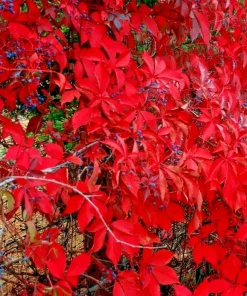
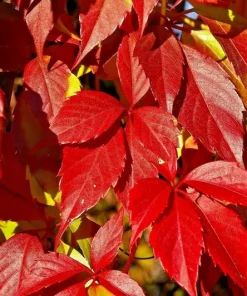
Discover the beauty of Virginia Creeper seeds, ideal for creating a stunning perennial wall cover. These vine seeds produce a fast-growing plant known for its vibrant red autumn foliage, perfect for enhancing fences, arbors, or ground cover. Grow your own perennial vine seeds with ease for a striking landscape feature.
Estimated arrival
Oct 15
Oct 20 - Oct 22
Oct 25 - Oct 29
Shop With Confidence
30-Day Plant Health Guarantee
Arrives damaged? We’ll replace it free — see our return policy.
Responsive Support
Email us anytime, we reply within 1 business day.
Expert Packaging
Temperature-controlled shipping to protect your plants in transit.
Secure Checkout
Pay safely with Visa, Mastercard, PayPal.
Plant Specifications
-
USDA Hardiness Zone
USDA Zones 3-9 -
Soil Type
Well-draining soil -
Sunlight Exposure
Full sun to partial shade -
Expected Planting Period
Spring (after cold stratification)
Overview
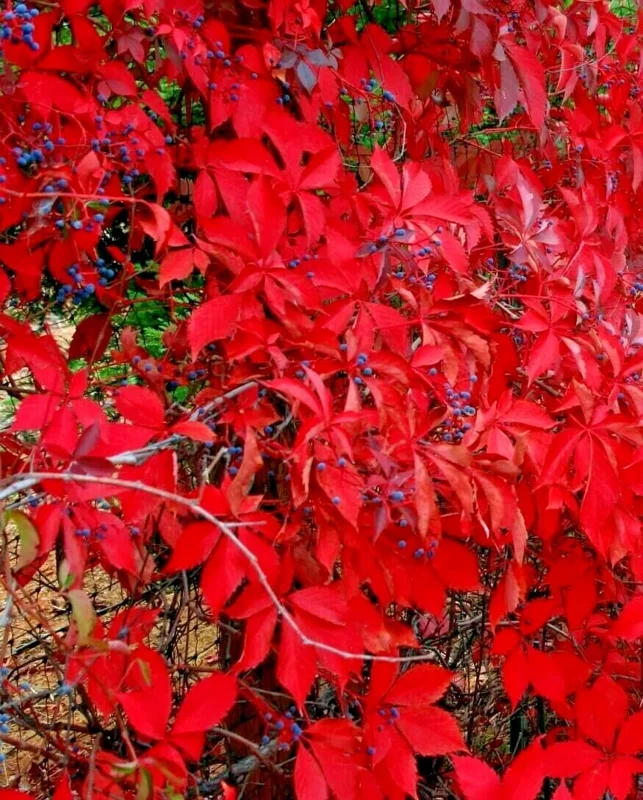
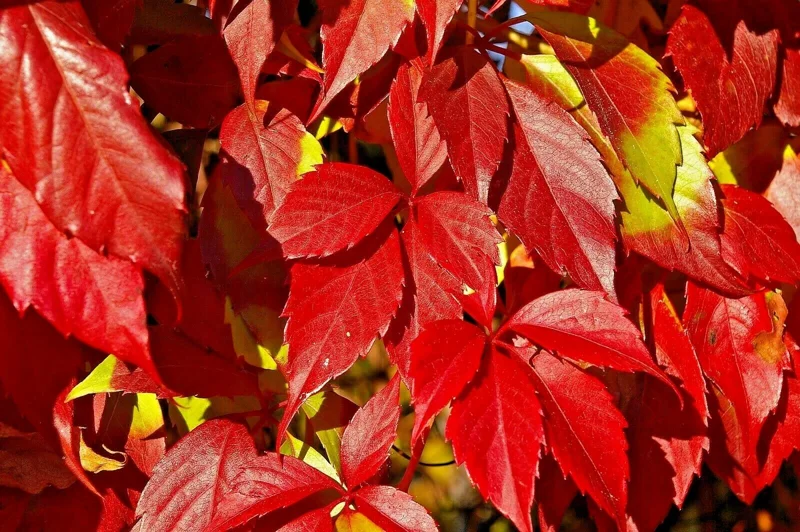
Cultivate a breathtaking landscape with our premium Virginia Creeper seeds. This offering provides 5 seeds of the vigorous Parthenocissus quinquefolia, commonly known as Virginia Creeper or five-leaved ivy. Renowned for its rapid growth and stunning seasonal transformation, this perennial vine is an excellent choice for gardeners seeking a natural, low-maintenance solution for covering walls, fences, and trellises. Its lush green foliage provides dense cover throughout spring and summer, before erupting into brilliant shades of red and purple in the fall, creating a spectacular display. These Virginia Creeper seeds are perfect for establishing a beautiful and robust climbing plant that adds significant aesthetic value to any garden or outdoor space.
The Virginia Creeper is a native North American plant, celebrated for its hardiness and adaptability. It attaches itself to surfaces using small, adhesive-tipped tendrils, making it an effective and attractive wall cover plant. Beyond its ornamental appeal, it provides habitat and food for various wildlife, including birds who feast on its dark blue berries. Growing from seed allows you to establish this beautiful vine exactly where you desire, ensuring a healthy start for a long-lasting garden feature. Whether you’re looking to add vertical interest, conceal an unsightly wall, or create a natural privacy screen, these seeds offer a rewarding gardening project.
Key Benefits
Our Virginia Creeper seeds offer numerous advantages for gardeners looking to enhance their outdoor environment:
- Vibrant Autumn Color: Experience a spectacular seasonal show as the foliage of your Virginia Creeper transforms into brilliant shades of red and purple in the fall, providing unparalleled visual interest. This makes it an ideal choice for adding dramatic color to your landscape.
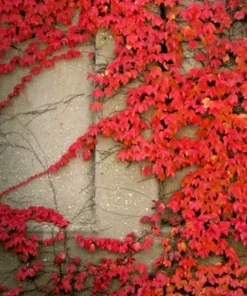
- Excellent Wall & Ground Cover: This fast-growing vine is perfect for quickly covering walls, fences, trellises, or as an attractive ground cover, offering dense foliage that can conceal imperfections or add lush greenery. It’s a natural and effective wall cover plant.
- Hardy & Adaptable: Parthenocissus quinquefolia is known for its resilience, thriving in a wide range of soil types and light conditions once established. It’s an easy-to-care-for plant suitable for many climates.
- Attracts Wildlife: The berries produced by the Virginia Creeper serve as a food source for various bird species, contributing to local biodiversity and bringing nature closer to your home.
- Low Maintenance: Once established, this perennial vine seeds require minimal care, making them an excellent choice for busy gardeners or those new to cultivating climbing plants.
- Erosion Control: As a robust ground cover, Virginia Creeper can help prevent soil erosion on slopes or uneven terrain, offering practical benefits in addition to its beauty.
- Fast Growth Rate: Achieve significant coverage in a relatively short period thanks to the Virginia Creeper’s vigorous growth habit, allowing you to quickly realize your landscaping vision.
Plant Care & Growing Tips
Growing Virginia Creeper seeds is a straightforward process, yielding a rewarding and beautiful vine. For best results, cold stratification of the seeds is recommended before planting. This can be achieved by placing the seeds in a moist paper towel inside a plastic bag and refrigerating them for 60-90 days. After stratification, sow the seeds directly outdoors in spring after the last frost, or start them indoors 6-8 weeks before the last frost. Plant seeds about 1/4 inch deep in well-draining soil. Germination can be variable and may take several weeks.
Once established, Parthenocissus quinquefolia is incredibly hardy. It tolerates a wide range of sunlight exposures, from full sun to partial shade, though it typically exhibits the most vibrant fall colors in sunnier locations. Water regularly during the first growing season to help establish a strong root system; after that, it is quite drought-tolerant. While adaptable to various soil types, it prefers moderately fertile, well-draining soil. Fertilization is generally not necessary unless your soil is particularly poor. Pruning can be done in late winter or early spring to control its size and shape, or to remove any unwanted growth. Be mindful of its vigorous nature, as it can climb and spread rapidly. This red wall ivy is a true survivor and will flourish with minimal intervention.
Ensure adequate support if you intend for it to climb, such as a sturdy trellis, fence, or wall. While it has natural adhesive tendrils, guiding young vines can promote desired growth patterns. Monitor for common pests like aphids, though serious infestations are rare. With proper care, your Virginia Creeper will become a thriving and beautiful addition to your garden, offering a consistent and appealing wall cover plant for years to come. Remember that careful placement will ensure that your perennial vine seeds grow into a magnificent display without becoming overbearing in unwanted areas.
Size & Details
This product includes 5 high-quality Virginia Creeper seeds, ready for planting. Virginia Creeper is known for its vigorous growth, typically reaching mature lengths of 30-50 feet or more, with a spread that can be equally impressive, making it an excellent choice for substantial coverage. Plants grown from these perennial vine seeds will establish a robust root system, allowing for rapid vertical and horizontal growth. The seeds are intended to produce plants that will develop into a dense, deciduous vine with attractive five-leaflet leaves. Expect the plant to begin showing significant growth in its second year, reaching its full potential within 3-5 years. The plant form is specifically seeds, providing you with the opportunity to cultivate this beautiful vine from its earliest stage. These seeds are suitable for growing a magnificent red wall ivy display.
Frequently Asked Questions
- Q: How big does this Virginia Creeper plant get? A: Virginia Creeper is a vigorous vine that can reach lengths of 30-50 feet or more, spreading widely to cover large areas. Its mature size depends on growing conditions and available support.
- Q: Is this an indoor or outdoor plant? A: The Virginia Creeper seeds are intended for outdoor cultivation. It is a hardy perennial vine that thrives in various outdoor environments, making it an excellent wall cover plant.
- Q: How much sunlight does Virginia Creeper need? A: Virginia Creeper is highly adaptable and can grow in full sun to partial shade. For the most intense red fall foliage, planting in a location with more direct sunlight is recommended.
- Q: Is this plant easy to care for? A: Yes, Virginia Creeper is considered a low-maintenance plant. Once established from perennial vine seeds, it is quite hardy and drought-tolerant, requiring minimal intervention.
- Q: What condition will the seeds arrive in? A: You will receive 5 fresh, viable Virginia Creeper seeds, carefully packaged to ensure their quality upon arrival, ready for stratification and planting.
- Q: When is the best time to plant Virginia Creeper seeds? A: After cold stratification, the best time to sow Virginia Creeper seeds is in the spring, after the danger of the last frost has passed.
- Q: Will Virginia Creeper survive winter in my zone? A: Virginia Creeper is highly cold-hardy, typically thriving in USDA Zones 3-9, making it suitable for a wide range of climates and able to withstand cold winters.
- Q: What is cold stratification and why is it needed for these seeds? A: Cold stratification mimics natural winter conditions, breaking seed dormancy and encouraging germination. For Parthenocissus quinquefolia, refrigerating seeds in moist media for 60-90 days is recommended before planting.
- Q: Can this vine damage structures? A: While Virginia Creeper attaches with tendrils and generally causes no structural damage to well-maintained masonry, it can be difficult to remove and may leave marks. Caution is advised on painted or older surfaces.
- Q: Are the berries on the Virginia Creeper edible? A: No, the berries of the Virginia Creeper are toxic to humans and pets if ingested, although they are a food source for birds.
Be the first to review “Virginia Creeper Vine Seeds – Perennial Wall Cover Ivy – 5 Seeds”
People Also Viewed

Reviews
There are no reviews yet.