
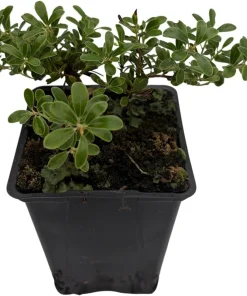
Bearberry Live Plant – Arctostaphylos uva-ursi – Quart Pot – Outdoor
Original price was: $51.99.$41.99Current price is: $41.99.
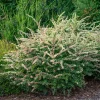
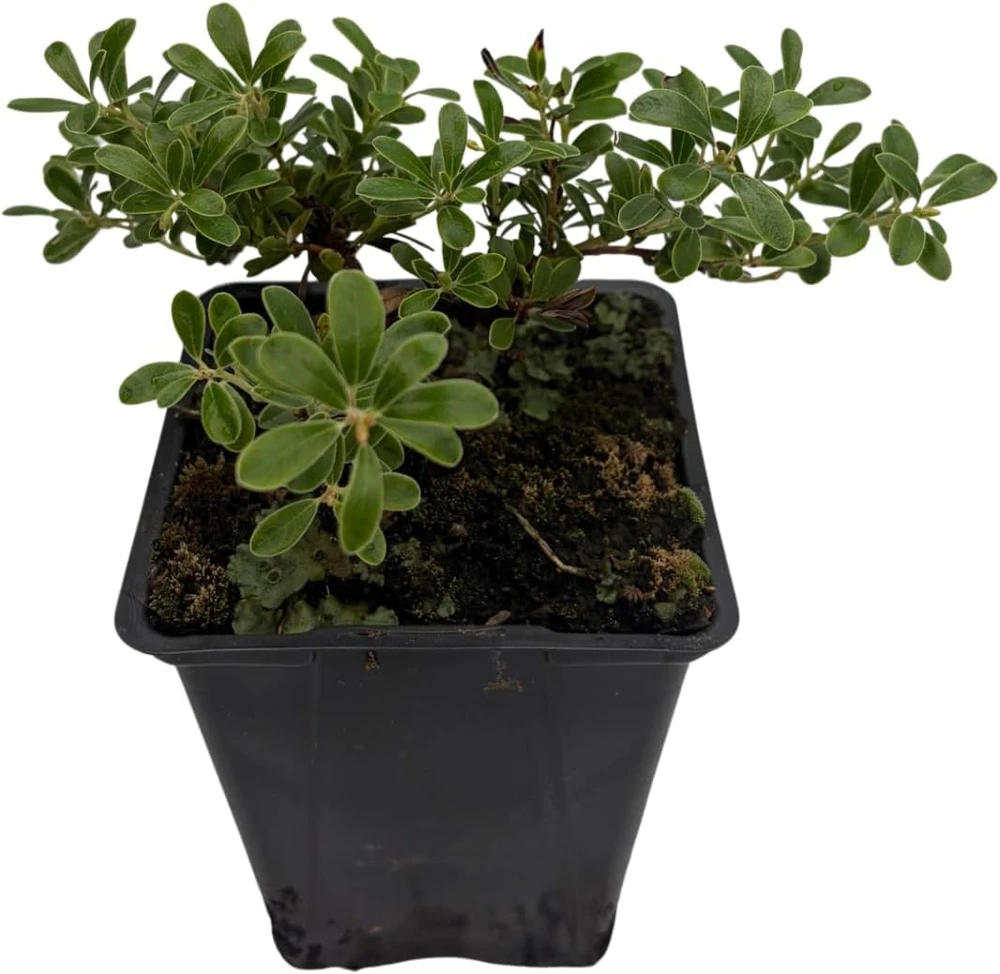
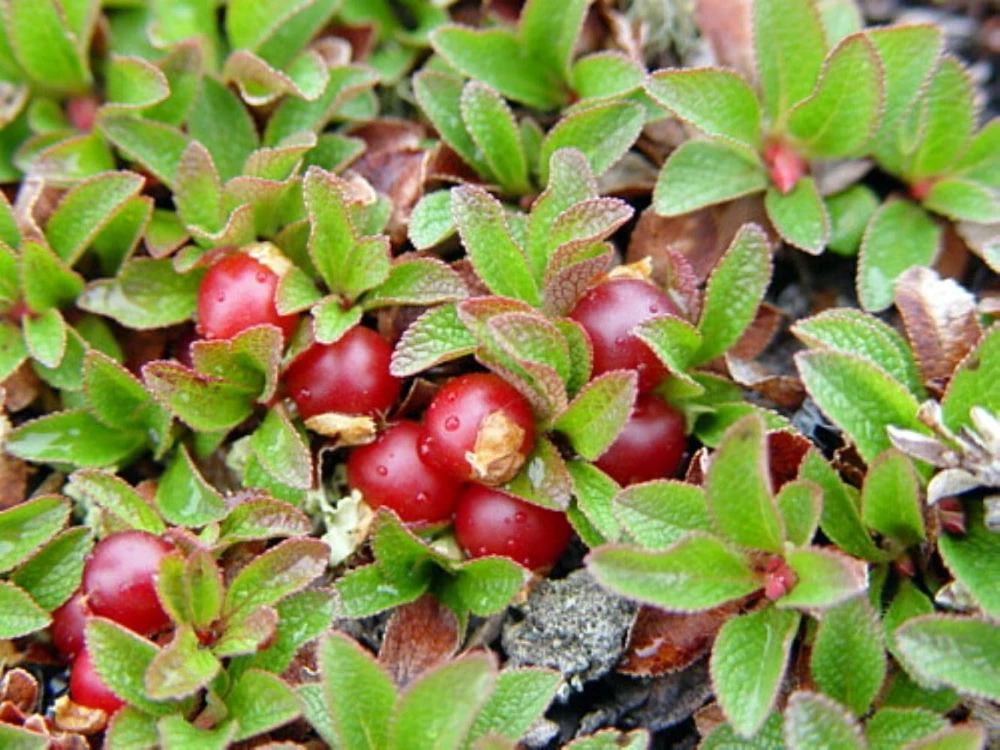
Enhance your landscape with a beautiful bearberry live plant. This hardy evergreen groundcover, also known as arctostaphylos uva-ursi plant, offers year-round interest with glossy green leaves, delicate pink flowers, and vibrant red berries. Ideal for naturalizing, rock gardens, and erosion control.
Estimated arrival
Sep 29
Oct 04 - Oct 06
Oct 09 - Oct 13
Shop With Confidence
30-Day Plant Health Guarantee
Arrives damaged? We’ll replace it free — see our return policy.
Responsive Support
Email us anytime, we reply within 1 business day.
Expert Packaging
Temperature-controlled shipping to protect your plants in transit.
Secure Checkout
Pay safely with Visa, Mastercard, PayPal.
Plant Specifications
-
USDA Hardiness Zone
3-9 -
Soil Type
Enriched garden soil, well-draining -
Sunlight Exposure
Full sun or part-sun -
Expected Planting Period
Spring to early fall
Overview
Introduce the captivating bearberry live plant (Arctostaphylos uva-ursi) to your garden and enjoy its enduring beauty. This exceptional evergreen groundcover is celebrated for its dense mat-forming habit, making it an excellent choice for natural landscapes, rock gardens, and slopes where it can help with erosion control. Known by several common names, including Indian Tobacco and kinnikinnick groundcover, the bearberry is a versatile and resilient plant. Its proper name, Arctostaphylos uva ursi, speaks to its botanical lineage. Each quart pot contains a healthy, established plant ready to thrive in your outdoor space, providing a lush, green carpet throughout the year.
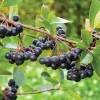
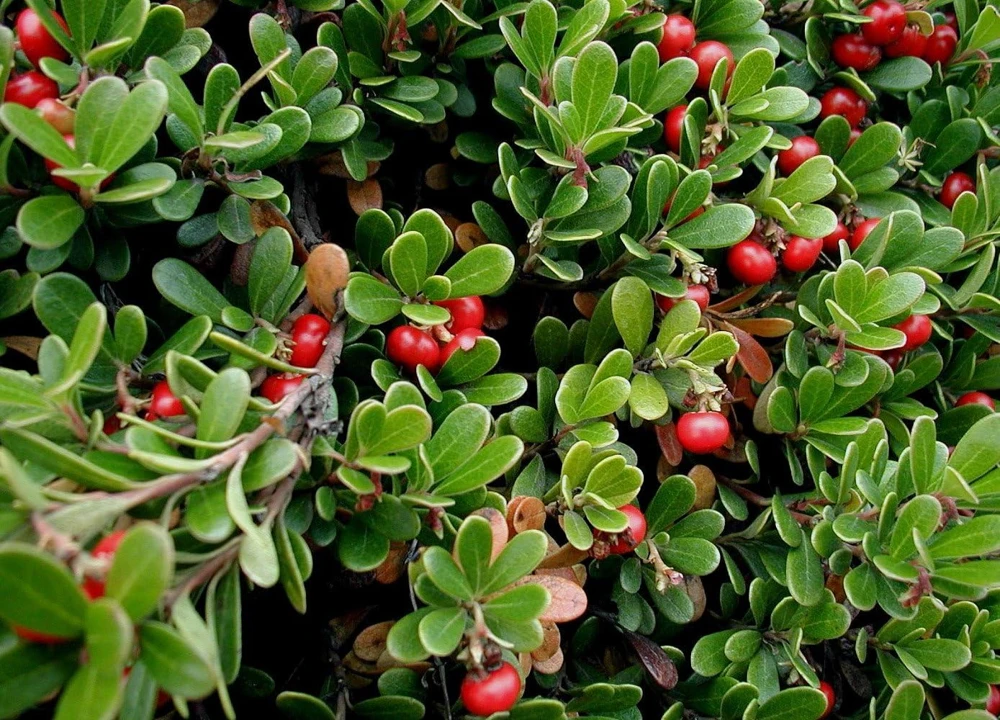
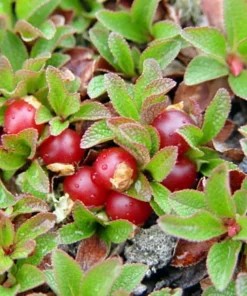
The bearberry live plant transforms through the seasons, starting with delicate, waxy pinkish flowers in spring that mature into brilliant red berries. These berries not only add a splash of color but also serve as a food source for local wildlife. With its small, leathery, spoon-shaped leaves and reddish barked stems, it creates a unique texture and visual interest in any garden setting. This plant is a fantastic addition for those seeking low-maintenance yet high-impact landscaping solutions.
Key Benefits
The bearberry live plant offers a multitude of benefits for both your garden and the local ecosystem. Its hardiness and aesthetic appeal make it a popular choice among gardeners:
- Evergreen Appeal: Enjoy a consistent carpet of glossy, dark green leaves throughout all seasons, providing year-round beauty even in colder months. This makes it an ideal choice for continuous groundcover.
- Attractive Flowers & Berries: Delicate, waxy pinkish flowers emerge in spring, followed by brilliant red berries that add vibrant color and attract local birds and other wildlife.
- Erosion Control: Its mat-forming growth habit and extensive root system make the kinnikinnick groundcover highly effective at stabilizing soil on slopes and preventing erosion, particularly in naturalized areas.
- Low Maintenance: Once established, the bearberry is remarkably drought-tolerant and requires minimal care, making it perfect for busy gardeners or xeriscaping projects.
- Medicinal & Culinary Uses: Historically, the leaves of the uva ursi plant benefits have been used for herbal teas and medicinal purposes, while the berries can be consumed cooked or used in preserves.
- Wildlife Support: The red berries provide a valuable food source for birds and small mammals, contributing to the biodiversity of your garden.
- Adaptable & Hardy: Thriving in USDA Zones 3-9, this plant is well-suited for a wide range of climates and can tolerate various soil conditions, making it a robust choice for many landscapes.
Plant Care & Growing Tips
Proper bearberry plant care ensures a healthy and thriving groundcover for years to come. This resilient plant is relatively low-maintenance, but understanding its specific needs will help it flourish. The Arctostaphylos uva ursi prefers full sun to partial shade, meaning it thrives with at least 6 hours of direct sunlight per day, but can tolerate some afternoon shade, especially in hotter climates. Too much shade can lead to sparse growth and fewer flowers and berries. When planting your bearberry live plant, ensure it has well-draining soil. While it tolerates a variety of soil types, it prefers slightly acidic to neutral pH and sandy or rocky soils. Avoid heavy clay soils that retain too much moisture, as this can lead to root rot. If your soil is heavy, amend it with sand or grit to improve drainage.
Watering should be consistent during the establishment phase, usually the first year after planting. Once established, the arctostaphylos uva-ursi plant is highly drought-tolerant and requires minimal supplemental watering. Overwatering is a common mistake and can be detrimental. Allow the soil to dry out completely between waterings. Fertilization is generally not necessary for bearberry, as it thrives in lean soils. If growth appears stunted, a light application of a slow-release, acid-loving plant fertilizer in early spring can be beneficial. Pruning is rarely needed; simply remove any dead or damaged branches to maintain its tidy appearance. Protect plants in colder zones (3-4) with a layer of mulch during winter to prevent frost heave.
Size & Details
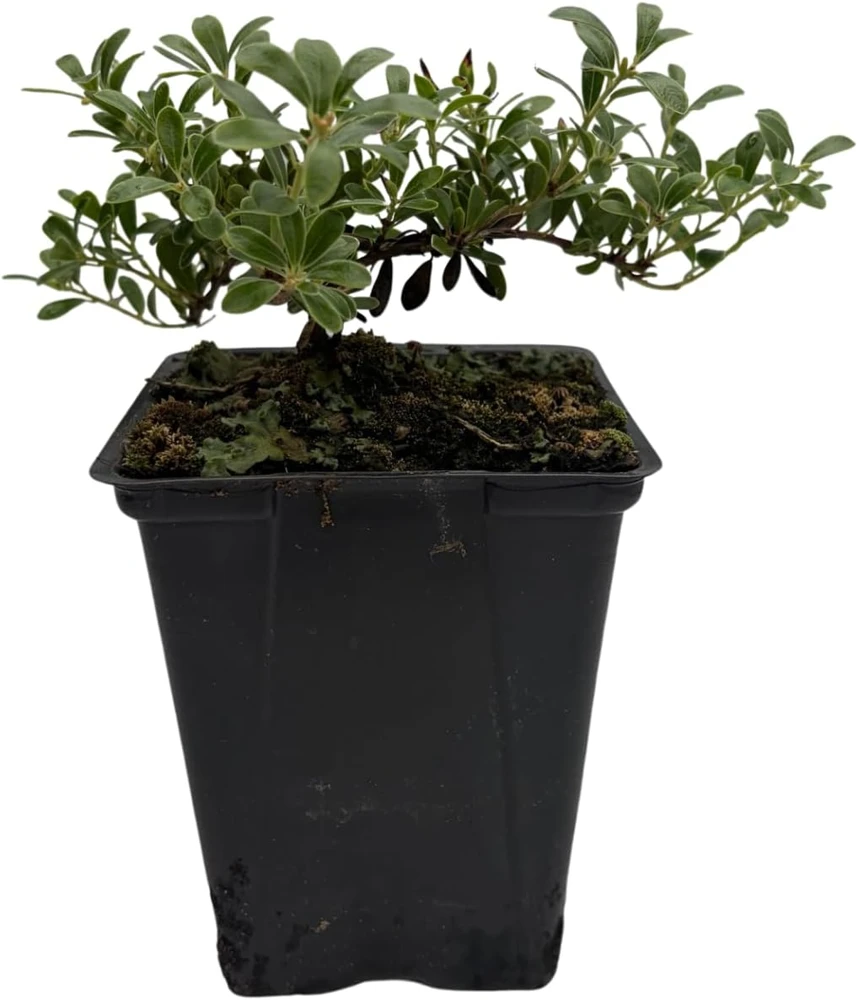
This bearberry live plant is provided in a quart pot, ensuring a well-rooted and established specimen ready for planting. At maturity, the plant typically reaches a height of 6-12 inches, forming a dense, spreading mat. Its width can extend significantly, ranging from 2-3 feet, making it an excellent groundcover for larger areas over time. The growth rate is moderate, allowing it to fill in spaces effectively without becoming overly aggressive. It ships as a healthy, actively growing plant in its container, ready to be transplanted into your garden or a larger container. Expect it to begin flowering in spring and producing its distinctive red berries from late summer into fall. The long lifespan of the kinnikinnick groundcover means it will be a perennial favorite in your landscape.
Frequently Asked Questions
- Q: How big does this plant get? A: The bearberry live plant typically grows 6-12 inches tall and spreads 2-3 feet wide, forming a dense groundcover mat over time. Its spreading habit makes it ideal for covering larger areas.
- Q: What size pot does it come in? A: This plant is shipped in a quart-sized pot, providing a well-established root system for successful transplanting into your garden or a larger container.
- Q: Is this an indoor or outdoor plant? A: The arctostaphylos uva-ursi plant is primarily an outdoor plant, hardy in USDA Zones 3-9. It thrives in various outdoor conditions and is not typically grown as an indoor houseplant.
- Q: How much sunlight does it need? A: It prefers full sun to partial sun exposure, meaning it needs at least 6 hours of direct sunlight daily for optimal growth and berry production. Some afternoon shade is tolerated in hotter climates.
- Q: Is this plant easy to care for? A: Yes, bearberry plant care is considered easy. Once established, it is very drought-tolerant and requires minimal maintenance, making it suitable for beginners and experienced gardeners alike.
- Q: What condition will it arrive in? A: Your bearberry live plant will arrive as a healthy, actively growing specimen in its quart pot, carefully packaged to ensure its safe journey.
- Q: Can I use the berries for anything? A: Yes, the berries of the uva ursi plant benefits can be eaten cooked or used to make cooling drinks, preserves, or added to stews. Historically, the dried leaves have also been used for tea.
- Q: How long until it blooms? A: The bearberry plant typically produces its small, pinkish flowers in the spring, which then develop into red berries by late summer or early fall.
- Q: When is the best time to plant? A: Spring or early fall are generally the best times to plant your kinnikinnick groundcover to allow it to establish its root system before extreme weather.
- Q: Will it survive winter in my zone? A: Yes, the bearberry is hardy in USDA Zones 3-9, meaning it is well-equipped to survive cold winters in a wide range of climates.
Be the first to review “Bearberry Live Plant – Arctostaphylos uva-ursi – Quart Pot – Outdoor”
People Also Viewed
Reviews
There are no reviews yet.