
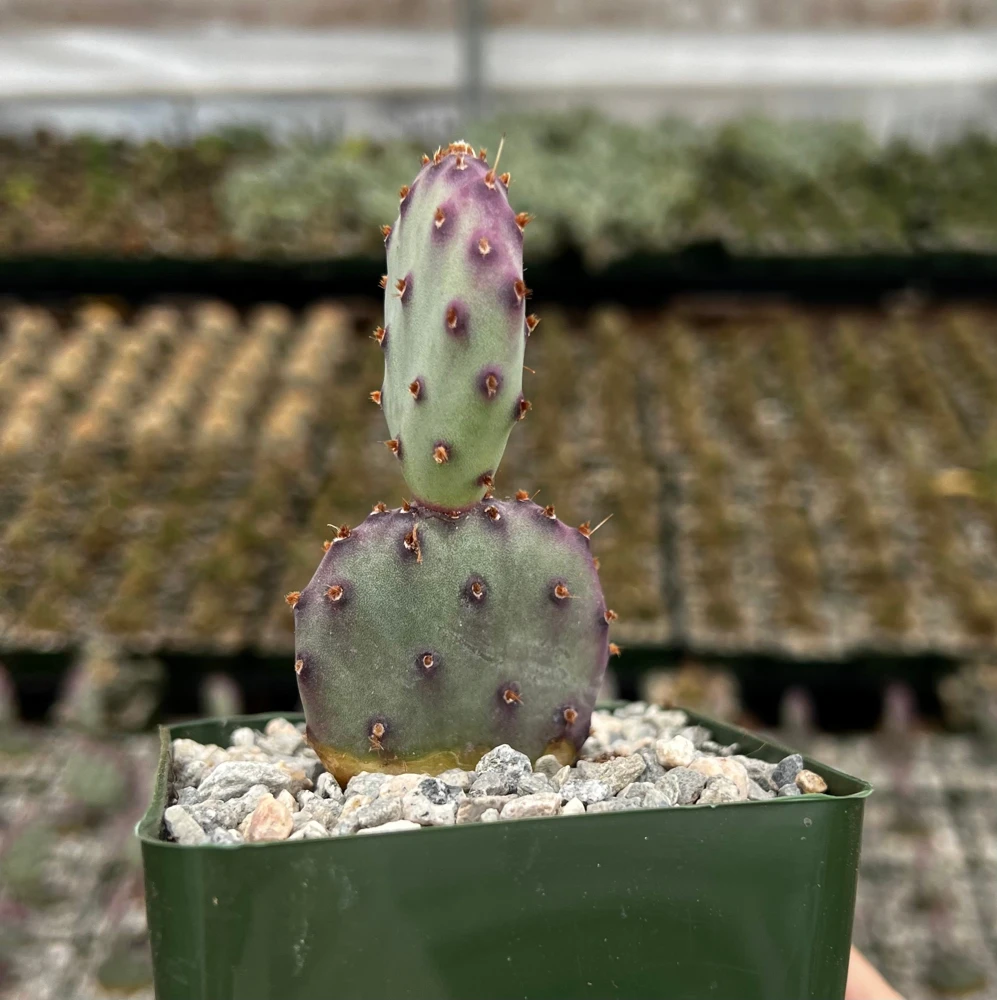
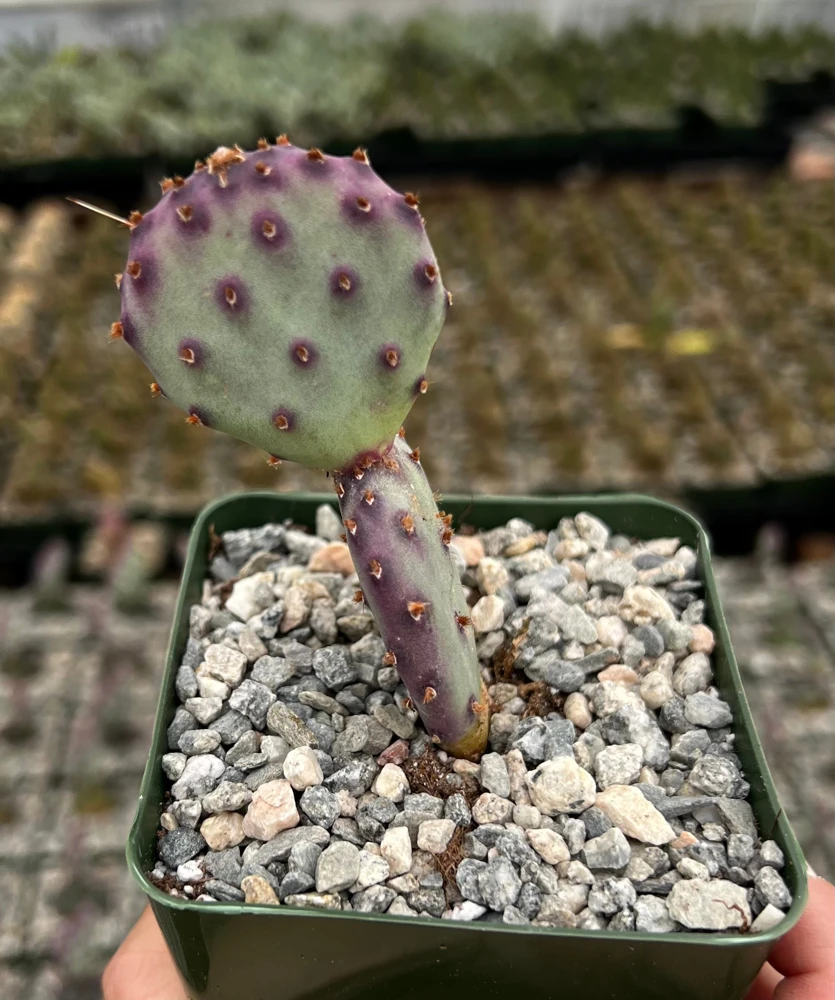
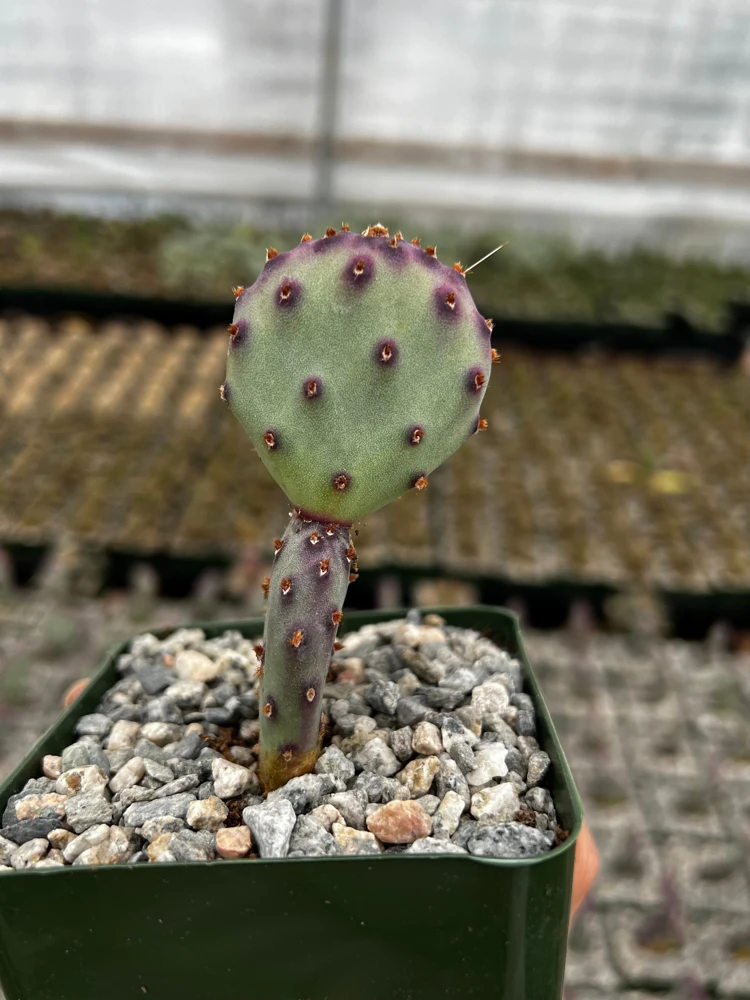
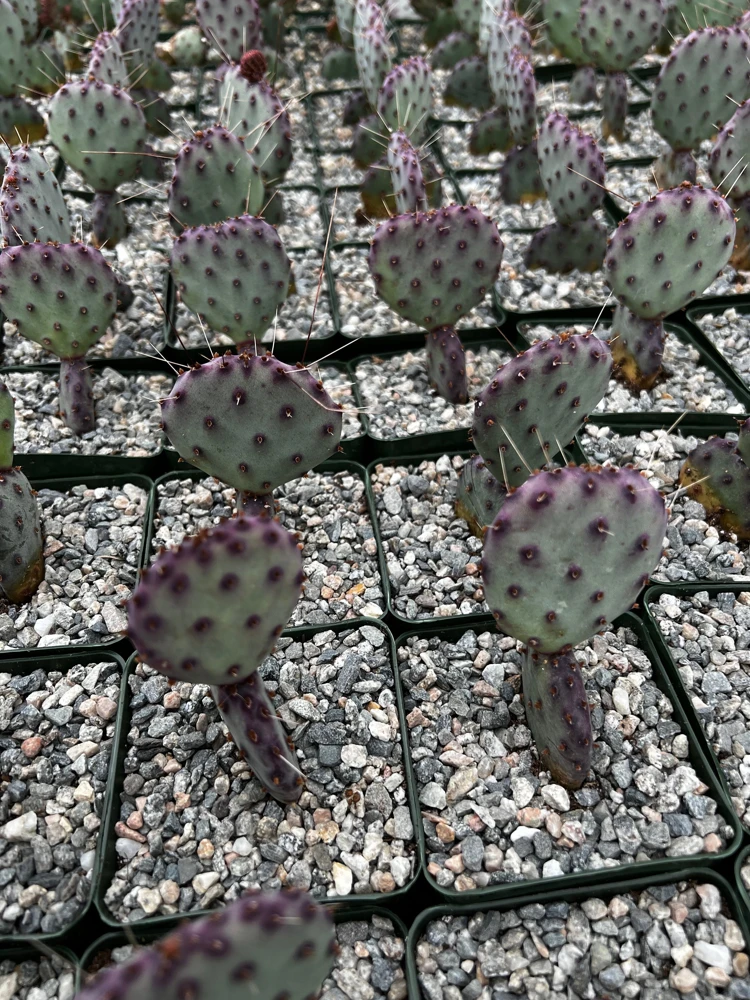
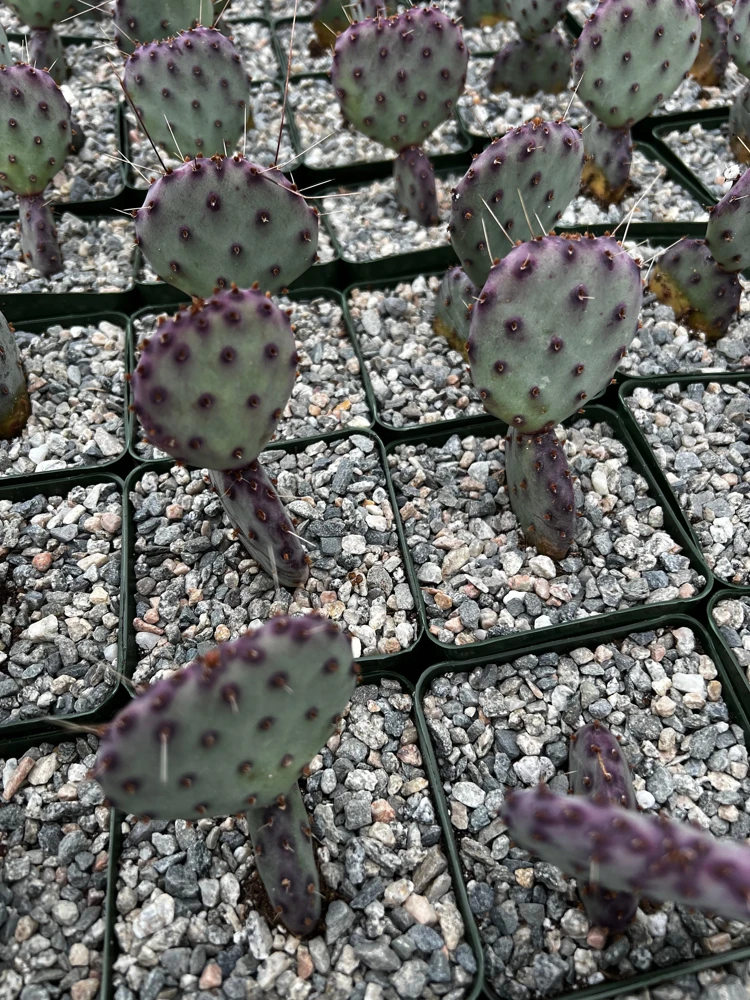
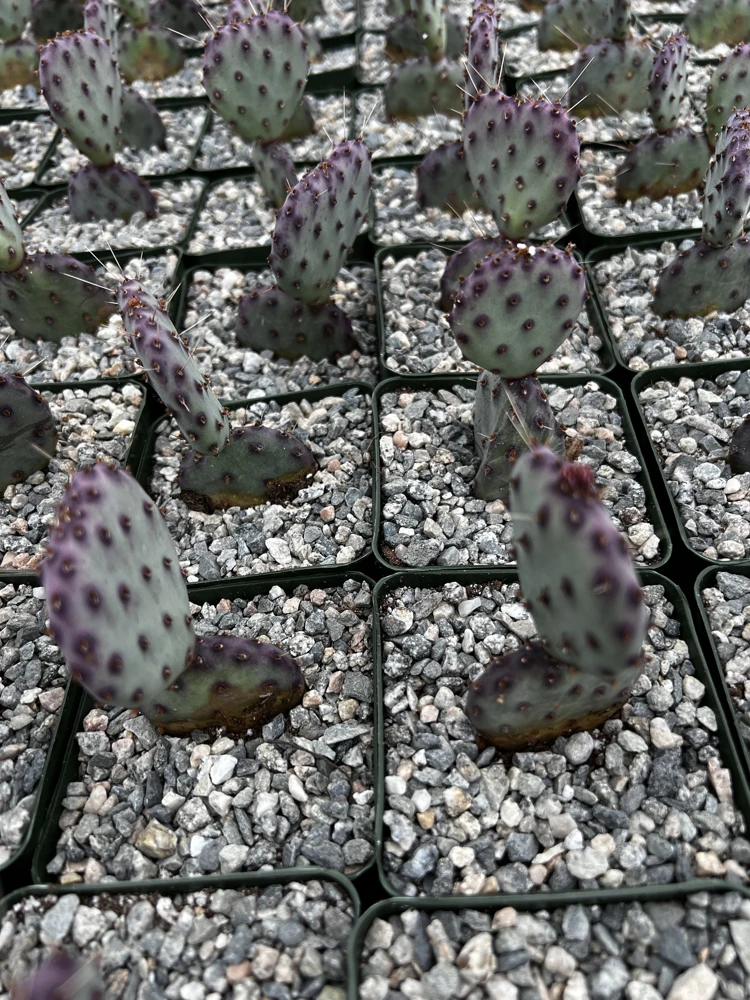
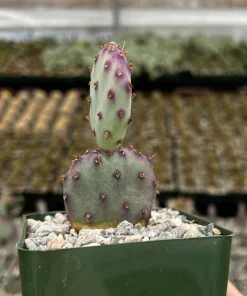
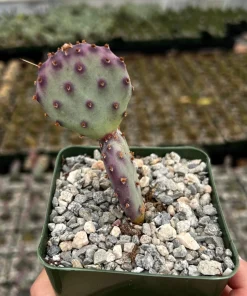
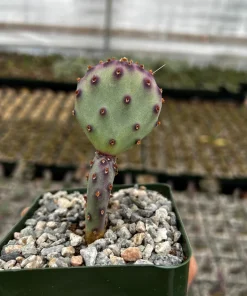
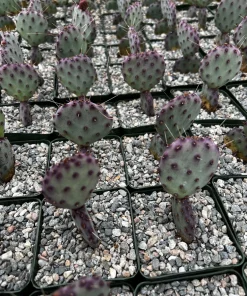
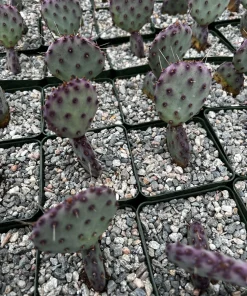
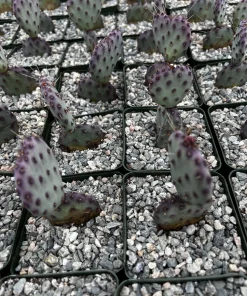
Opuntia Santa Rita Prickly Pear Purple Cactus Live Plant 4″ Pot
Original price was: $40.99.$15.99Current price is: $15.99.
Add a touch of vibrant color with the Opuntia Santa Rita prickly pear cactus. This striking purple prickly pear plant is a beautiful and resilient succulent, ideal for xeriscaping or as a unique potted specimen. Known for its distinctive purple pads, it thrives in sunny conditions and requires minimal care, making it perfect for both experienced gardeners and beginners looking for a drought-tolerant plant.
Estimated arrival
Oct 15
Oct 20 - Oct 22
Oct 25 - Oct 29
Shop With Confidence
30-Day Plant Health Guarantee
Arrives damaged? We’ll replace it free — see our return policy.
Responsive Support
Email us anytime, we reply within 1 business day.
Expert Packaging
Temperature-controlled shipping to protect your plants in transit.
Secure Checkout
Pay safely with Visa, Mastercard, PayPal.
Plant Specifications
-
USDA Hardiness Zone
USDA zones 8-11 -
Soil Type
Well-draining cactus or succulent potting mix -
Sunlight Exposure
Full sun (6-8+ hours direct light daily) -
Expected Planting Period
Year-round indoors; spring to early summer outdoors
Overview
Introduce a splash of unique color and desert resilience to your home or garden with the magnificent Opuntia Santa Rita prickly pear cactus. This live plant, known for its stunning purple-hued pads, is a true showstopper. The Opuntia Santa Rita prickly pear cactus is a species of cactus native to the southwestern United States and northern Mexico, celebrated for its paddle-like segments that turn a deep violet in cooler temperatures or during periods of stress, offering year-round visual interest. This particular offering provides a robust live cactus, ready to thrive in its new environment. Its architectural form and vibrant coloration make it an excellent choice for xeriscaping, rock gardens, or as a distinctive potted succulent on a patio or indoors in a sunny window.
As a purple prickly pear plant, the Opuntia Santa Rita is not only beautiful but also incredibly hardy and low-maintenance. It’s a fantastic option for anyone seeking a resilient plant that can withstand various conditions, particularly those looking for a drought-tolerant solution. Whether you’re an experienced succulent collector or just starting your plant journey, this Opuntia live plant will bring exotic beauty and an easy-care nature to your space. Its unique appearance and adaptability make it a conversation piece and a rewarding addition to any plant collection.
Key Benefits
The Opuntia Santa Rita prickly pear cactus offers numerous benefits, making it a popular choice for diverse plant enthusiasts and landscape designs. Its striking appearance and hardy nature contribute to its widespread appeal.
- Stunning Visual Appeal: The most prominent feature of this cactus is its vibrant purple pads, which intensify in color with exposure to cold or sun. This makes it a dramatic focal point in any garden or indoor setting, providing year-round color and interest that few other plants can match.
- Drought-Tolerant: As a true desert cactus plant, the Opuntia Santa Rita is exceptionally well-adapted to arid conditions. It requires very little water once established, making it an ideal choice for water-wise gardening and busy plant owners who appreciate low-maintenance options.
- Low Maintenance: This Opuntia live plant is incredibly easy to care for, thriving on neglect rather than constant attention. It doesn’t demand frequent watering, fertilizing, or pruning, allowing you to enjoy its beauty without extensive effort.
- Versatile Landscaping: Its architectural form and vibrant color make it suitable for a variety of landscape applications, including xeriscapes, rock gardens, succulent gardens, or as a striking container plant on patios, balconies, or indoors.
- Unique Texture and Form: The paddle-like pads create a unique texture and geometric form that adds an interesting dimension to plant arrangements, contrasting beautifully with other plant shapes and foliage.
- Hardy and Resilient: This cactus is known for its robustness, capable of withstanding various environmental challenges, including heat, drought, and cooler temperatures (down to its hardiness zone limits), ensuring a long-lasting presence in your garden.
- Wildlife Attractor: In outdoor settings, the flowers produced by mature prickly pear cacti can attract pollinators like bees, and the fruit can be a food source for birds and other wildlife, contributing to local biodiversity.
Plant Care & Growing Tips
Caring for your Opuntia Santa Rita prickly pear cactus is relatively straightforward, thanks to its resilient nature. This Opuntia live plant thrives in conditions that mimic its native desert environment. For optimal growth and vibrant purple coloration, providing ample sunlight is crucial. Place your cactus in a location where it receives at least 6-8 hours of direct sunlight daily. If growing indoors, a south-facing window is ideal. Insufficient light can lead to greener pads and stretched growth.
When it comes to watering, less is more. The purple prickly pear plant is extremely drought-tolerant. Allow the soil to dry out completely between waterings. In warmer months, you might water every 2-4 weeks, while in cooler months, watering can be reduced to once a month or even less. Overwatering is the most common cause of root rot in cacti, so ensure excellent drainage. Use a well-draining cactus or succulent potting mix, and if planting in a container, ensure it has drainage holes. This desert cactus plant prefers sandy, gritty soil that doesn’t retain too much moisture.
The Opuntia Santa Rita is cold hardy to USDA zones 8-11, meaning it can tolerate temperatures down to about 10-20°F (-12 to -6°C) once established. In colder climates, it’s best grown in containers that can be moved indoors during winter. Fertilize sparingly, if at all, during the growing season (spring and summer) with a diluted, low-nitrogen cactus fertilizer. Avoid fertilizing in fall and winter. Watch out for common pests like mealybugs or scale, which can be treated with insecticidal soap or rubbing alcohol. With proper care, your Opuntia Santa Rita prickly pear cactus will flourish and display its stunning colors.
Size & Details
This offering is for a vibrant Opuntia Santa Rita prickly pear cactus, supplied as a live plant in a 4-inch nursery pot. The pads will typically be well-rooted and ready for transplanting into a larger container or directly into your garden if conditions are suitable. The cactus will arrive with its characteristic paddle-like pads, which may exhibit varying degrees of purple coloration depending on recent environmental conditions; the purple hue intensifies with sun exposure and cooler temperatures. While the exact height and width will vary slightly per plant, you can expect a healthy, established specimen suitable for immediate display or planting.
Upon arrival, the plant may appear slightly dry; this is normal and preferred for shipping cacti to prevent rot. We recommend letting it acclimate for a few days before its first watering. The growth rate of the purple prickly pear plant is moderate, and mature plants can eventually reach several feet in height and width, forming impressive clumps over time. This particular size is ideal for starting a new collection, adding to an existing one, or as a beginner-friendly option for those new to growing cacti.
Frequently Asked Questions
- Q: How big does this plant get? A: The Opuntia Santa Rita prickly pear cactus can eventually grow quite large, reaching up to 3-6 feet tall and wide in ideal outdoor conditions, forming a significant clump. As a potted plant, its size will be more constrained by the container.
- Q: What size pot does it come in? A: This Opuntia Santa Rita prickly pear cactus is shipped as a live plant in a 4-inch nursery pot, providing a good base for its initial growth.
- Q: Is this an indoor or outdoor plant? A: The Opuntia Santa Rita prickly pear cactus can thrive both indoors and outdoors, depending on your climate. It is best suited for outdoor planting in USDA zones 8-11. In colder zones, it makes an excellent indoor plant or a container plant that can be moved indoors for winter.
- Q: How much sunlight does it need? A: This desert cactus plant requires abundant sunlight. It needs at least 6-8 hours of direct sun per day to maintain its vibrant purple coloration and healthy growth.
- Q: Is this plant easy to care for? A: Yes, the Opuntia Santa Rita prickly pear cactus is considered very easy to care for. It is extremely drought-tolerant and requires minimal attention, making it suitable for beginners and those looking for low-maintenance plants.
- Q: What condition will it arrive in? A: Your Opuntia live plant will arrive as a healthy, well-rooted specimen in its nursery pot. It may be slightly dry, which is normal for cactus shipping to prevent issues during transit.
- Q: When is the best time to plant? A: The best time to plant or repot your purple prickly pear plant is during the warmer months, typically spring through early summer, when the plant is actively growing.
- Q: Will it survive winter in my zone? A: The Opuntia Santa Rita prickly pear cactus is cold hardy to USDA zones 8-11. If you are in a colder zone, it’s recommended to grow it in a pot and bring it indoors before the first hard frost.
Be the first to review “Opuntia Santa Rita Prickly Pear Purple Cactus Live Plant 4″ Pot”
People Also Viewed
Reviews
There are no reviews yet.