

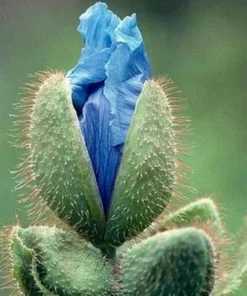
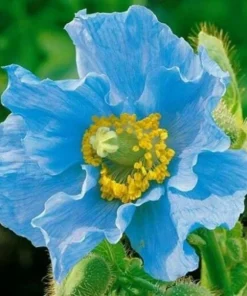
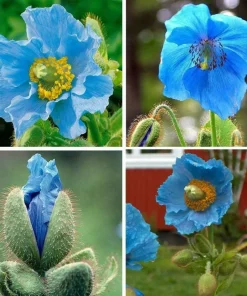
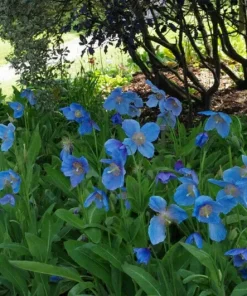
Himalayan Blue Poppy Seeds – Meconopsis Perennial Flowering – 200 Seeds – Indoor & Outdoor
Original price was: $41.99.$16.99Current price is: $16.99.
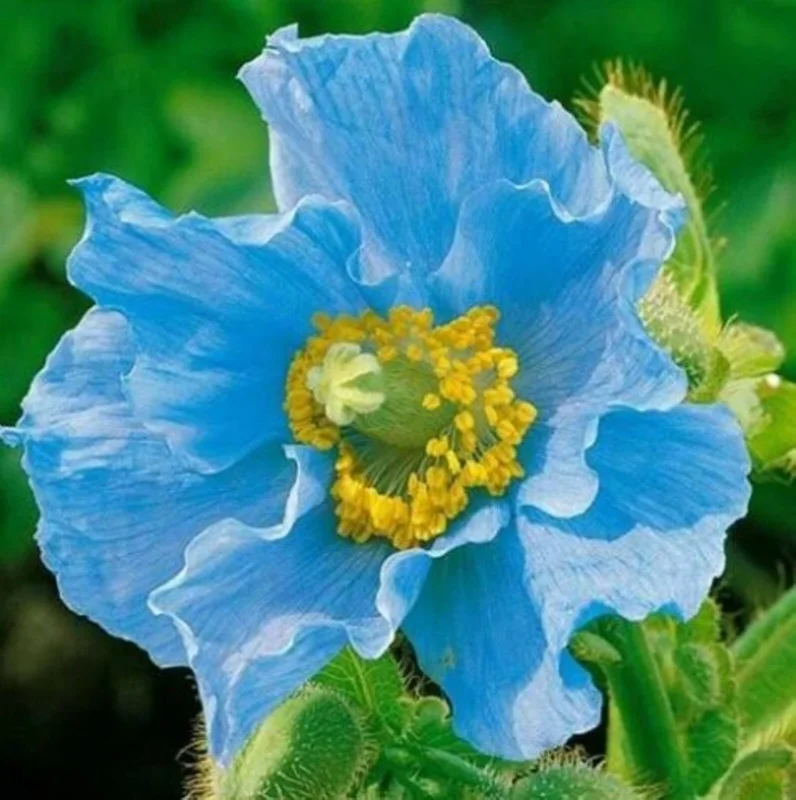
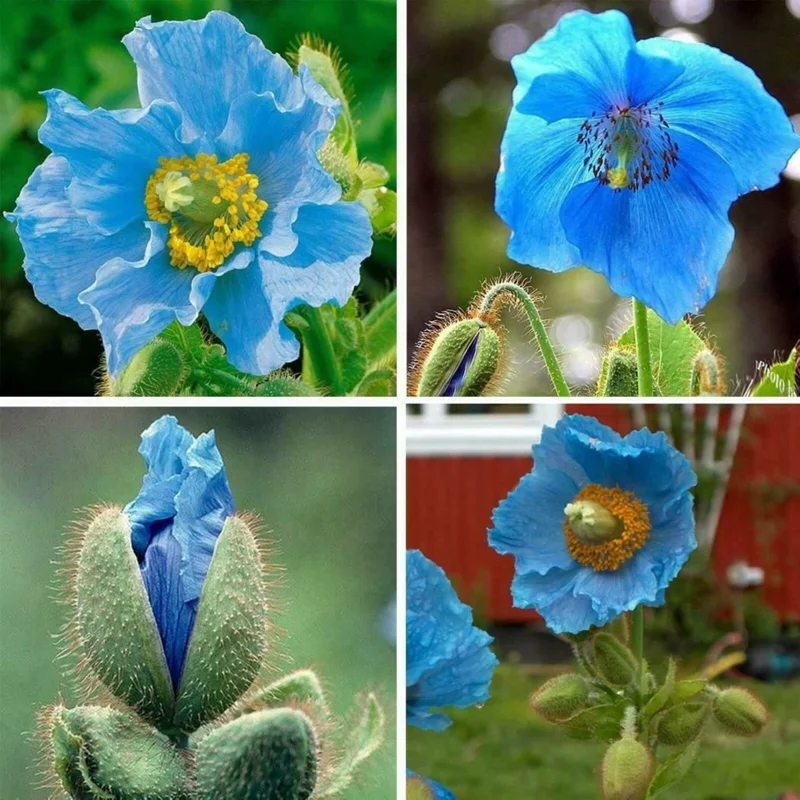
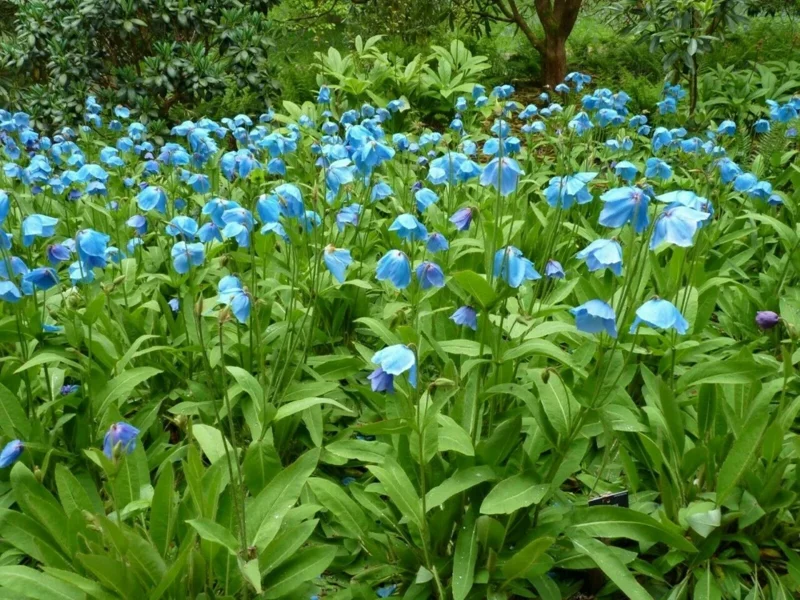
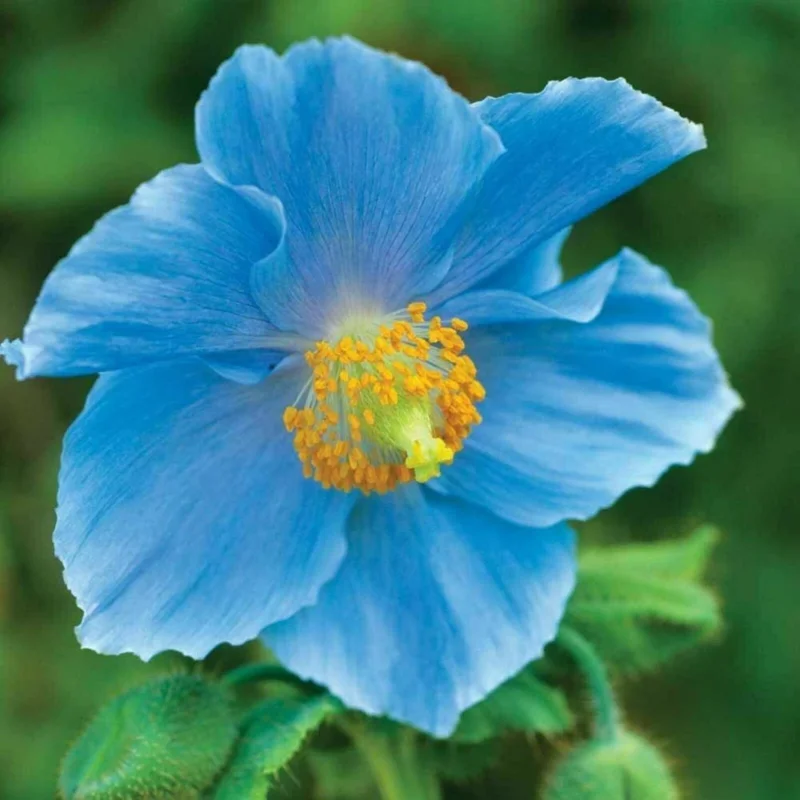
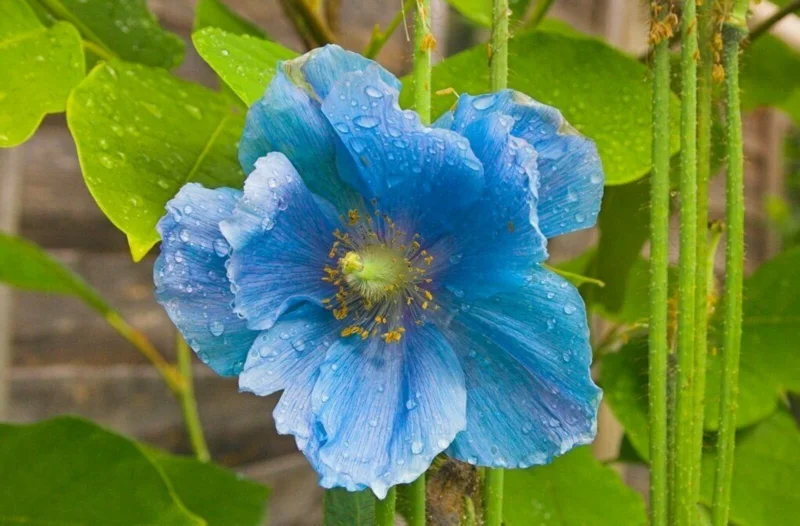
Cultivate the stunning beauty of Himalayan Blue Poppy seeds with this packet of 200 seeds. These Meconopsis perennial flowers produce vibrant blue blooms, perfect for adding a unique touch to your indoor or outdoor garden. Easy to grow and a true garden marvel.
Estimated arrival
Oct 15
Oct 20 - Oct 22
Oct 25 - Oct 29
Shop With Confidence
30-Day Plant Health Guarantee
Arrives damaged? We’ll replace it free — see our return policy.
Responsive Support
Email us anytime, we reply within 1 business day.
Expert Packaging
Temperature-controlled shipping to protect your plants in transit.
Secure Checkout
Pay safely with Visa, Mastercard, PayPal.
Plant Specifications
-
USDA Hardiness Zone
USDA Zones 3-7 -
Soil Type
Rich, organic, slightly acidic, well-draining soil -
Sunlight Exposure
Partial shade -
Expected Planting Period
Late winter to early spring (indoors)
Overview
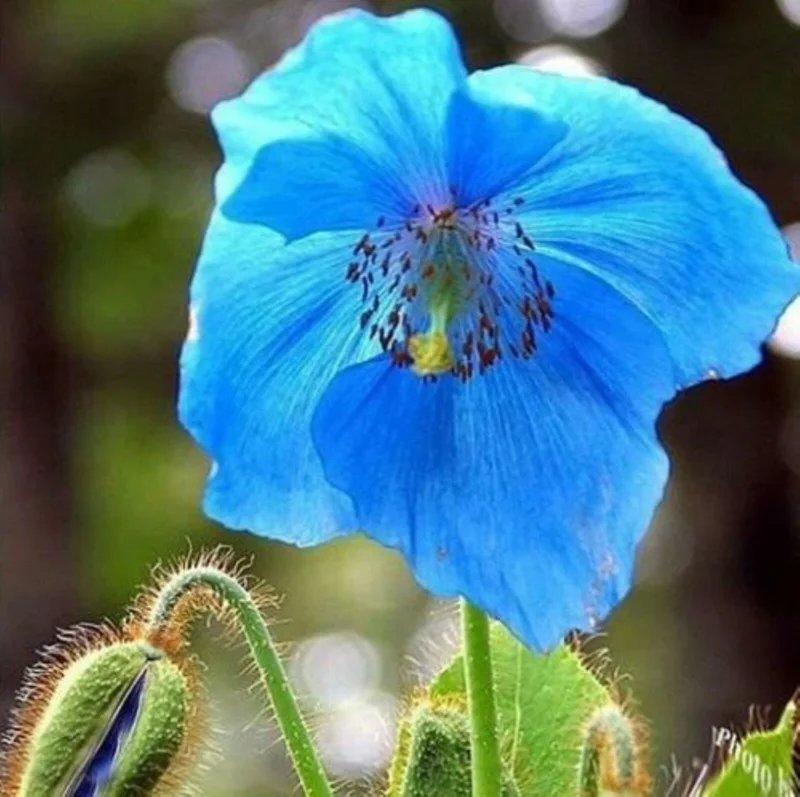
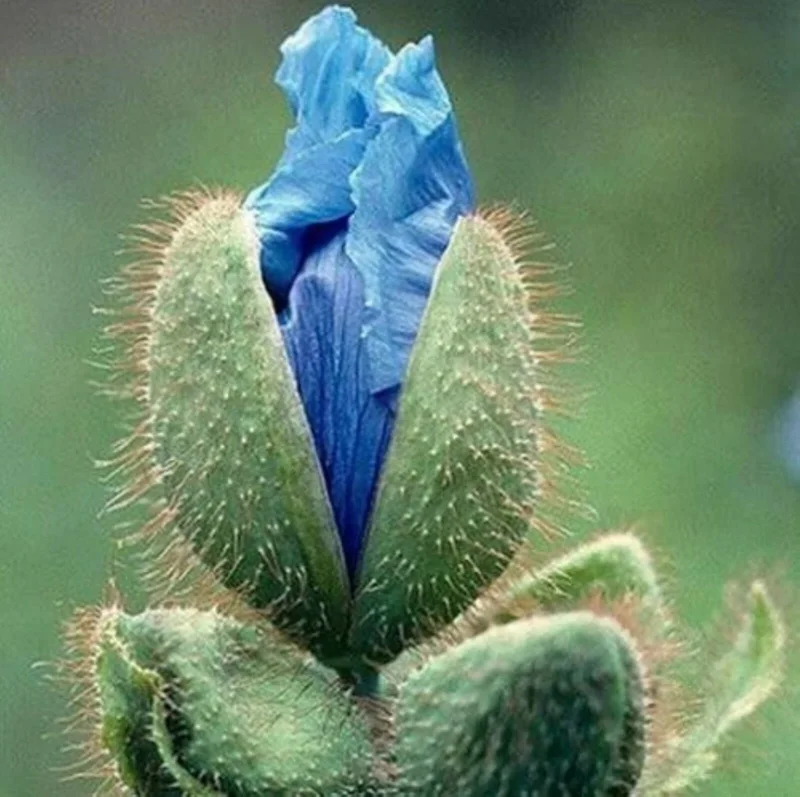
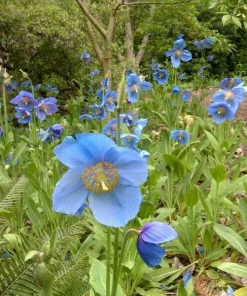
Embark on a rewarding gardening journey with our premium Himalayan Blue Poppy seeds. This packet contains 200 seeds of the exquisite Meconopsis genus, renowned for its captivating true blue flowers. Often referred to simply as blue poppy flower, these perennials bring a touch of ethereal beauty and vibrant color to any garden landscape or indoor setting. Originating from the elevated regions of the Himalayas, these plants are celebrated for their delicate petals and striking hue, making them a highly sought-after species among gardening enthusiasts. Growing these unique flowers from seed offers a deeply satisfying experience, allowing you to witness their transformation from tiny seeds into magnificent blooming plants.
The allure of the Himalayan Blue Poppy seeds lies not just in their rare color but also in the challenge and joy of nurturing such a distinctive plant. Ideal for creating a serene and picturesque environment, these poppies thrive in specific conditions that mimic their natural habitat. Whether you’re an experienced gardener looking for a new focal point or a passionate beginner eager to try something special, these seeds provide an opportunity to cultivate a truly extraordinary floral display. Prepare to be enchanted by the unparalleled charm of these splendid blue blooms.
Key Benefits
Growing Himalayan Blue Poppy seeds offers numerous advantages for your garden and well-being. These captivating flowers provide aesthetic pleasure and a unique gardening experience.
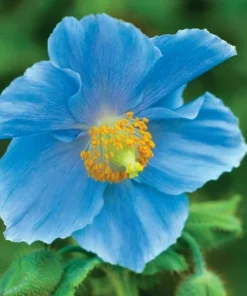
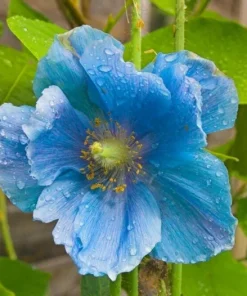
- Stunning Visual Appeal: The primary benefit is the breathtaking, vibrant blue color of the flowers. These true blue hues are rare in the plant kingdom, making your garden stand out. The delicate, papery petals of the blue poppy flower create a soft, inviting texture.
- Perennial Beauty: As a Meconopsis perennial, these poppies return year after year, offering consistent beauty without the need for annual replanting. This makes them a sustainable and long-lasting addition to your landscape.
- Unique Garden Specimen: The Himalayan Blue Poppy is not a common garden plant, offering a sense of exclusivity and a talking point for visitors. It’s an excellent choice for those who love to showcase unusual and exotic flora.
- Attracts Pollinators: While subtle, the flowers can attract beneficial pollinators like bees, contributing to the overall health and biodiversity of your garden ecosystem.
- Therapeutic Gardening: The process of nurturing these seeds and watching them grow into beautiful flowers can be incredibly calming and therapeutic, offering a fulfilling hobby. Learning how to grow blue poppy from seed fosters patience and attention to detail.
- Versatile Planting: Suitable for both garden beds and larger containers, these poppies can adapt to various planting schemes, allowing you to integrate them into different parts of your outdoor or indoor space.
- Cool Climate Adaptability: Thrives in cooler, moist conditions, making it an excellent choice for gardens in regions that might struggle with heat-loving plants. This helps ensure successful growth for your perennial flower seeds.
Plant Care & Growing Tips
Successfully cultivating Himalayan Blue Poppy seeds requires attention to detail, particularly regarding their specific environmental needs. These plants, while rewarding, prefer conditions that mimic their mountainous origins. Start by sowing the Himalayan Blue Poppy seeds indoors in late winter or early spring. Use a good quality seed-starting mix that is well-draining yet retains moisture. Sow seeds thinly on the surface and lightly cover them with vermiculite or a fine layer of soil, as they need light to germinate. Maintain consistent moisture, but avoid waterlogging, which can lead to damping off. Germination can be erratic and may take several weeks, so patience is key.
Once seedlings are established, transplant them to individual pots. When planting outdoors, choose a location with partial shade, especially in warmer climates, as direct afternoon sun can be too intense. They thrive in consistently cool, moist conditions with good air circulation. The ideal soil for Meconopsis perennial is rich, organic, and slightly acidic (pH 5.5-6.5), with excellent drainage. Amend heavy clay soils with compost and grit to improve structure. Water regularly, ensuring the soil remains evenly moist but never soggy. Fertilize sparingly with a balanced liquid fertilizer during the growing season. Protecting them from strong winds is also beneficial. Learning to grow blue poppy successfully will bring immense satisfaction.
Size & Details
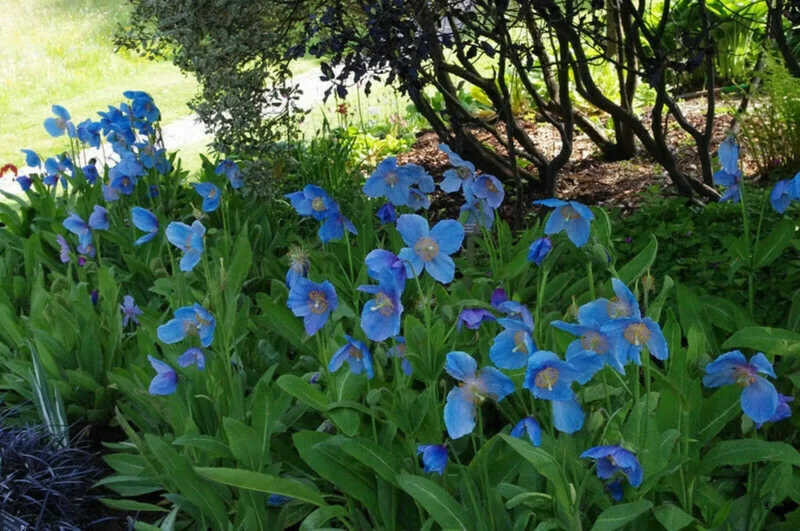
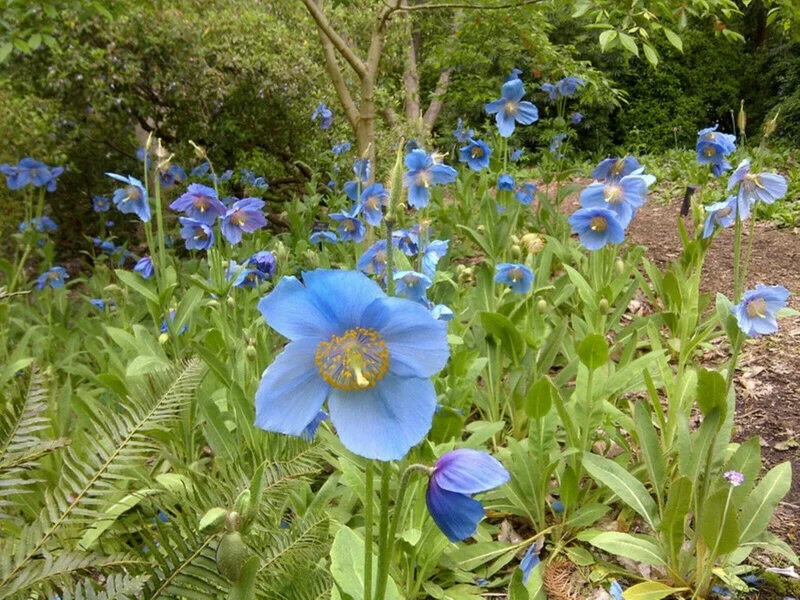
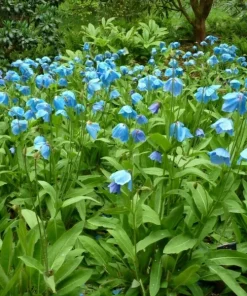
This offering includes 200 high-quality Himalayan Blue Poppy seeds, providing ample opportunity to establish a beautiful display. These are perennial flower seeds, meaning once established, the plants will return each year. When mature, Himalayan Blue Poppies typically reach a height of 2 to 3 feet (60-90 cm) and spread about 1 to 1.5 feet (30-45 cm) wide, forming a lovely clump of foliage and vibrant blooms. The seeds are intended for planting to grow blue poppy flowers. They are suited for both indoor and outdoor cultivation, though outdoor planting is recommended in climates with moderate temperatures and consistent moisture. Expect flowering to occur in late spring to early summer, usually within the second year after planting from seed. The seeds are supplied in a protective packet, ready for sowing upon arrival. For optimal results, follow the detailed planting instructions provided to ensure vigorous growth and abundant flowering.
Frequently Asked Questions
- Q: How big does this plant get? A: Once mature, the Himalayan Blue Poppy typically reaches a height of 2 to 3 feet (60-90 cm) with a spread of 1 to 1.5 feet (30-45 cm). Its size makes it a striking presence in garden beds or larger containers.
- Q: Is this an indoor or outdoor plant? A: While these Meconopsis perennial seeds can be started indoors, the mature plants thrive best outdoors in climates that offer cool, moist conditions and partial shade. They can be grown indoors in pots if specific environmental controls are maintained.
- Q: How much sunlight does it need? A: Himalayan Blue Poppies prefer partial shade, especially protection from intense afternoon sun. In cooler climates, they can tolerate more sun, but generally, dappled light or morning sun with afternoon shade is ideal for these blue poppy flower seeds.
- Q: Is this plant easy to care for? A: Cultivating the Himalayan Blue Poppy seeds is considered moderately challenging. They have specific requirements for soil, moisture, and temperature, but with proper care and attention, they are very rewarding to grow.
- Q: When is the best time to plant these seeds? A: The best time to sow Himalayan Blue Poppy seeds is in late winter or early spring indoors. This gives the seedlings a head start before they are transplanted outdoors after the last frost.
- Q: What condition will the seeds arrive in? A: The seeds will arrive in a protective packet, ensuring their viability. They are dry and ready for immediate sowing or proper storage until planting time.
- Q: Will these perennial flower seeds survive winter in my zone? A: The Himalayan Blue Poppy is a perennial and can survive winter in USDA Zones 3-7, provided they have adequate winter protection and consistent moisture. They are adapted to cooler climates.
- Q: What type of soil do these poppies prefer? A: These poppies prefer rich, organic, slightly acidic (pH 5.5-6.5) soil that is consistently moist but very well-draining. Adding compost and grit will help achieve the ideal soil structure for these perennial flower seeds.
- Q: How long until it blooms? A: Typically, Himalayan Blue Poppy seeds will germinate and establish foliage in their first year. The spectacular blue blooms usually appear in late spring to early summer of the second year after planting.
- Q: Can I grow blue poppy in a container? A: Yes, you can grow blue poppy in containers, especially if your garden conditions are not ideal. Choose large pots with good drainage and use a suitable potting mix to provide the necessary environment for these stunning flowers.
Be the first to review “Himalayan Blue Poppy Seeds – Meconopsis Perennial Flowering – 200 Seeds – Indoor & Outdoor”
People Also Viewed
Flower Seeds
Vegetable Seeds
Reviews
There are no reviews yet.