
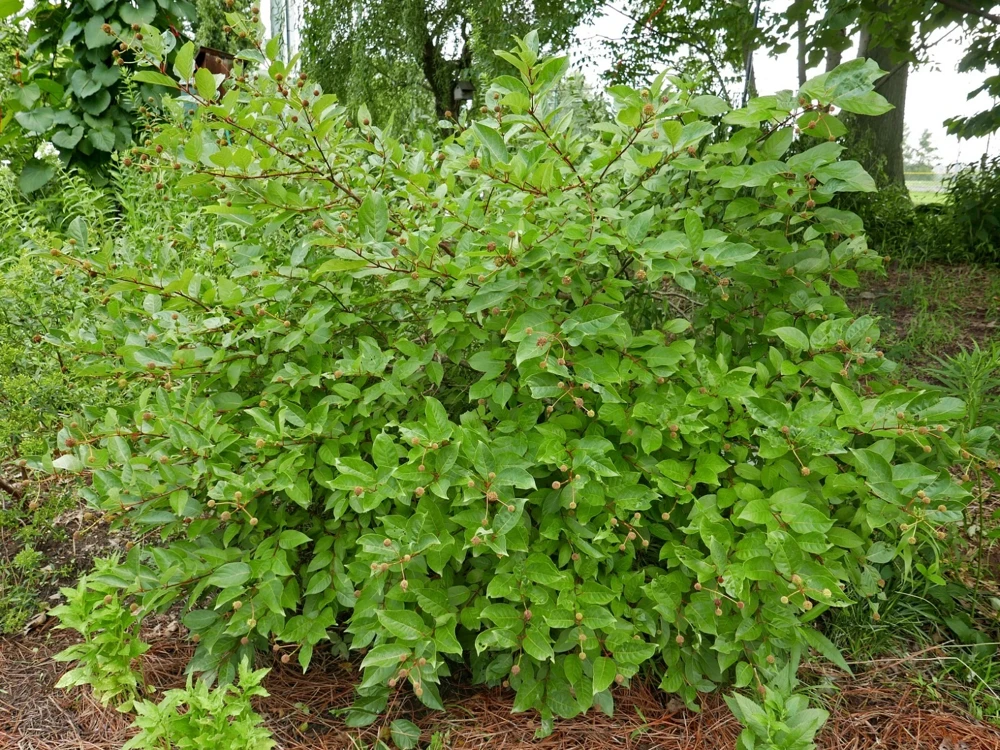
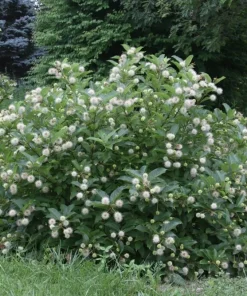
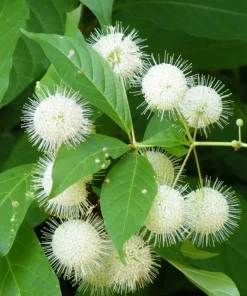
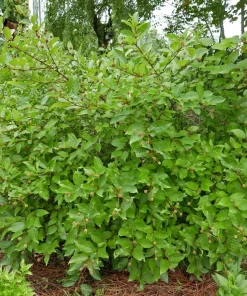
Buttonbush Cephalanthus Live Plant – 12+ Inches Tall Shrub
Original price was: $41.79.$21.79Current price is: $21.79.
Add a unique touch to your landscape with the buttonbush cephalanthus live plant. This vibrant shrub, over 12 inches tall, is known for its distinctive globe-shaped flowers and ability to attract beneficial pollinators. Ideal for wetland gardens or borders.
Estimated arrival
Oct 15
Oct 20 - Oct 22
Oct 25 - Oct 29
Shop With Confidence
30-Day Plant Health Guarantee
Arrives damaged? We’ll replace it free — see our return policy.
Responsive Support
Email us anytime, we reply within 1 business day.
Expert Packaging
Temperature-controlled shipping to protect your plants in transit.
Secure Checkout
Pay safely with Visa, Mastercard, PayPal.
Plant Specifications
-
USDA Hardiness Zone
USDA Zones 4-10 -
Soil Type
Moist, organic-rich soil -
Sunlight Exposure
Full sun to partial shade -
Expected Planting Period
Spring to early fall
Overview
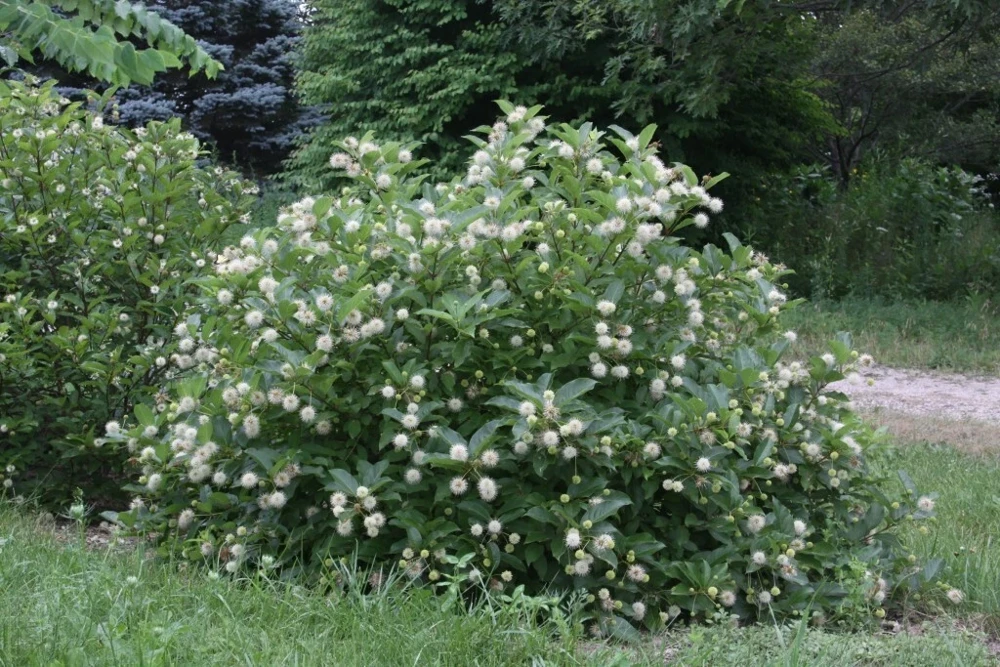
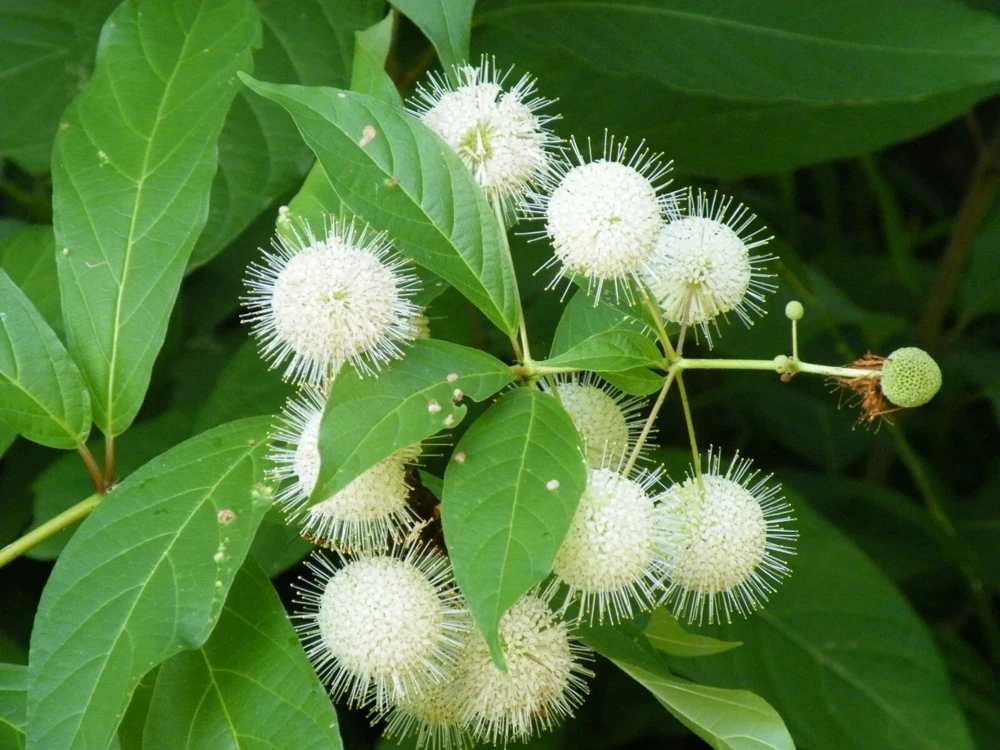
Transform your garden into a pollinator’s paradise with the magnificent buttonbush cephalanthus live plant. This unique native shrub, scientifically known as Cephalanthus occidentalis, is celebrated for its spherical, fragrant white flowers that resemble pincushions, blooming from early summer through fall. Growing over 12 inches tall, the buttonbush shrub is a sight to behold, attracting a myriad of butterflies, bees, and hummingbirds. It thrives in moist to wet conditions, making it an excellent choice for rain gardens, pond edges, or low-lying areas in your landscape. Easy to care for and visually striking, the buttonbush cephalanthus live plant is a fantastic addition for gardeners looking to support local ecosystems while enjoying a truly distinctive flowering shrub.
Our buttonbush cephalanthus live plant will arrive ready for planting, ensuring a smooth transition to your garden. Its robust nature and beautiful blooms make it a rewarding plant for both novice and experienced gardeners. Embrace the natural beauty and ecological benefits this remarkable shrub brings to any outdoor space.
Key Benefits
The buttonbush cephalanthus live plant offers a wealth of advantages for your garden and local environment. Its striking appearance and ecological contributions make it a highly desirable plant:
- Attracts Pollinators: The fragrant, globe-like flowers are a magnet for various pollinators, including butterflies, bees, and hummingbirds, making it an essential plant for supporting biodiversity.
- Unique Ornamental Appeal: With its distinctive white, spherical blossoms and glossy green foliage, the buttonbush shrub provides exceptional visual interest throughout the growing season.
- Tolerates Wet Conditions: This plant naturally thrives in moist to wet soils, making it perfect for areas that are often waterlogged or for creating a beautiful rain garden.
- Low Maintenance: Once established, Cephalanthus occidentalis is relatively low-maintenance, requiring minimal pruning and care to flourish.
- Native Plant: As a native buttonbush, it is well-adapted to local climates and soils, requiring less intervention and supporting native wildlife.
- Erosion Control: Its extensive root system can help stabilize soil in moist areas, preventing erosion along banks and shorelines.
- Wildlife Habitat: Beyond pollinators, its dense foliage provides shelter for small birds and other wildlife, contributing to a healthy garden ecosystem.
Plant Care & Growing Tips
Caring for your buttonbush cephalanthus live plant is straightforward, especially given its hardy and adaptable nature. To ensure your buttonbush shrub thrives and produces its iconic blooms, follow these guidelines:
Sunlight Requirements: The cephalanthus occidentalis plant prefers full sun to partial shade. For optimal flowering, aim for at least 6 hours of direct sunlight per day. While it can tolerate more shade, flowering may be less prolific. Ensure it receives morning sun if possible, especially in hotter climates.
Watering Schedule and Soil Moisture: Buttonbush is a water-loving plant. It thrives in consistently moist to wet soil and can even tolerate standing water for periods. Water regularly, especially during dry spells, to keep the soil from drying out completely. If planted in a naturally moist area, supplemental watering may be less frequent. Avoid letting the roots dry out, particularly during establishment.
Soil Type and Drainage Requirements: This shrub is adaptable to a variety of soil types but performs best in rich, moist, organic soils. Good drainage is not a primary concern as it tolerates wet conditions well. It can grow in clay, loam, or sandy soils, as long as moisture is abundant. A slightly acidic to neutral pH (6.0-7.0) is ideal.
Temperature Range and USDA Hardiness Zone: The native buttonbush is remarkably cold hardy, typically thriving in USDA Zones 4-10. It can withstand a wide range of temperatures, from cold winters to hot summers. In colder zones, ensure it has adequate mulch for winter protection.
Fertilization Schedule and Type: Generally, buttonbush does not require heavy fertilization. If your soil is poor, a balanced, slow-release granular fertilizer applied in early spring can promote healthy growth. Avoid over-fertilizing, which can lead to excessive foliage at the expense of flowers.
Common Problems and Solutions: Buttonbush is relatively pest and disease resistant. Occasionally, aphids or scale might appear, which can be managed with insecticidal soap. Root rot can occur in poorly drained, stagnant conditions, though it’s rare given the plant’s tolerance for moisture. Ensure good air circulation to prevent fungal issues.
Size & Details
This buttonbush cephalanthus live plant is typically shipped at a height of 12+ inches, ready for immediate planting in your garden. It is provided as a healthy, actively growing specimen, often shipped as a bare root or in a small nursery pot, carefully packaged to ensure safe arrival. Expect a moderate to fast growth rate, with mature plants reaching an average height and spread of 5-12 feet, though they can be kept smaller with pruning. The plant will produce its unique, spherical white flowers from summer to early fall, followed by attractive reddish-brown seed heads that persist into winter, providing continued interest and food for birds. This pollinator plant will establish quickly in suitable conditions, bringing beauty and ecological benefits to your landscape for years to come.
Frequently Asked Questions
- Q: How big does this plant get? A: The buttonbush cephalanthus live plant typically grows to a height and spread of 5-12 feet at maturity. Its size can be managed with regular pruning to fit smaller garden spaces.
- Q: What size pot does it come in? A: Our buttonbush cephalanthus live plant is shipped as a bare root or in a nursery pot, ensuring it is well-protected during transit and ready for planting upon arrival. Specific pot sizes may vary, but the plant will be at least 12 inches tall.
- Q: Is this an indoor or outdoor plant? A: The buttonbush shrub is primarily an outdoor plant, thriving in garden settings, particularly in moist or wet areas. It is not generally suited for long-term indoor cultivation.
- Q: How much sunlight does it need? A: This cephalanthus occidentalis plant performs best in full sun to partial shade, ideally receiving at least 6 hours of direct sunlight daily for abundant flowering.
- Q: Is this plant easy to care for? A: Yes, the native buttonbush is considered an easy-care shrub. Once established, it is quite hardy and adaptable, requiring minimal maintenance beyond regular watering in dry periods.
- Q: What condition will it arrive in? A: Your buttonbush cephalanthus live plant will arrive in healthy condition, carefully packaged to minimize stress during shipping. It will be ready for immediate planting.
- Q: When is the best time to plant buttonbush? A: The best time to plant buttonbush is in spring or early fall, allowing the plant sufficient time to establish its root system before extreme weather conditions.
- Q: Will it survive winter in my zone? A: The pollinator plant is very cold hardy, thriving in USDA Zones 4-10. It is well-equipped to survive winters in these regions, though mulching can provide extra protection in the colder zones.
- Q: What are the distinctive features of this plant? A: Its most distinctive features are its unique, spherical white flowers that bloom in summer, resembling pincushions, and its ability to attract a wide array of pollinators.
- Q: Can I prune my buttonbush? A: Yes, buttonbush can be pruned in late winter or early spring to maintain its shape, control its size, or remove any dead or damaged branches.
Be the first to review “Buttonbush Cephalanthus Live Plant – 12+ Inches Tall Shrub”
People Also Viewed
Uncategorized
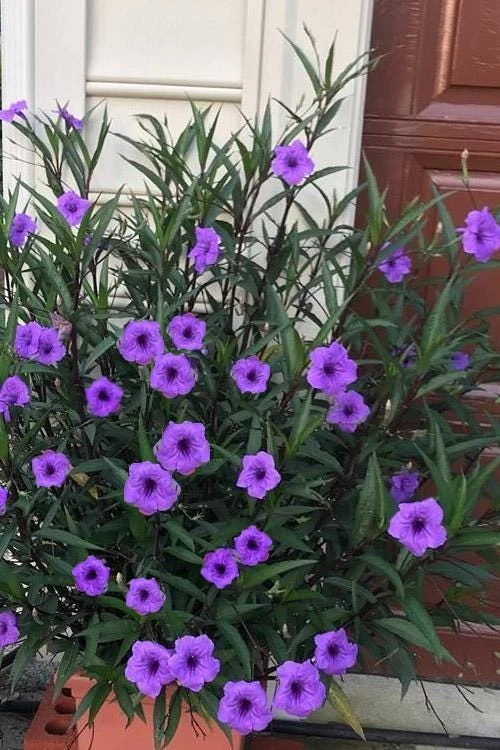
Purple Showers Ruellia Live Plants | Pack of 2 (TWO) | 5-9″ Tall | Tall Mexican Petunia
Reviews
There are no reviews yet.