
200+ Culantro Seeds – Mexican Coriander Herb – Edible Annual – Outdoor Planting
Original price was: $39.99.$14.99Current price is: $14.99.
Cultivate the distinctive flavor of the Caribbean and Latin America with these culantro seeds. Known also as Mexican coriander seeds, this herb is essential for authentic sofritos and stews. Each packet contains 200+ culantro seeds, ready for outdoor planting to enhance your culinary garden.
Estimated arrival
Oct 15
Oct 20 - Oct 22
Oct 25 - Oct 29
Shop With Confidence
30-Day Plant Health Guarantee
Arrives damaged? We’ll replace it free — see our return policy.
Responsive Support
Email us anytime, we reply within 1 business day.
Expert Packaging
Temperature-controlled shipping to protect your plants in transit.
Secure Checkout
Pay safely with Visa, Mastercard, PayPal.
Plant Specifications
-
USDA Hardiness Zone
USDA Zones 9-11 (as an annual or perennial), or grown as an annual in all zones -
Soil Type
Rich, well-draining soil with organic matter -
Sunlight Exposure
Partial shade (morning sun preferred) -
Expected Planting Period
Spring to early summer (after last frost)
Overview
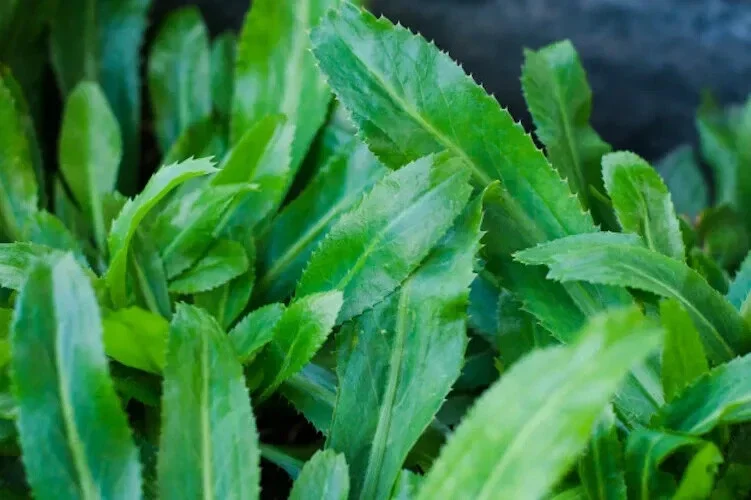
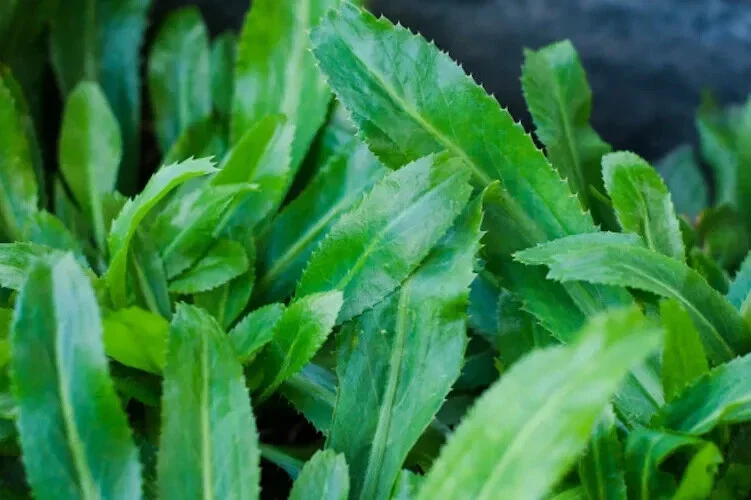
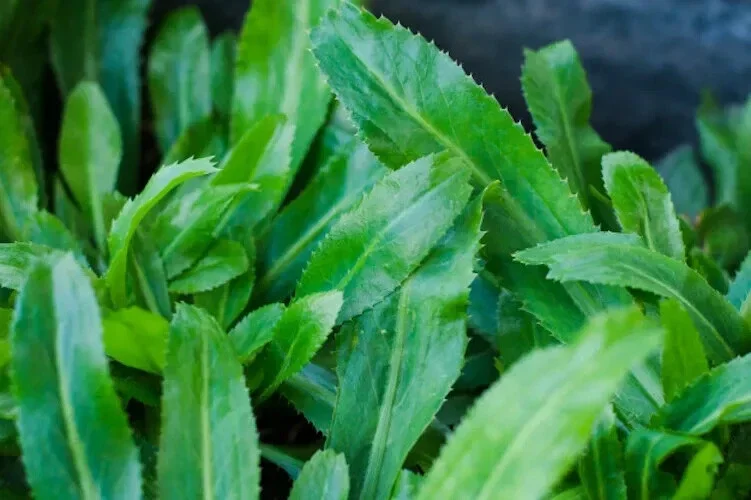
Discover the unique and potent flavor of culantro seeds, an essential herb for many Caribbean, Latin American, and Asian cuisines. Unlike its milder cousin cilantro, culantro (Eryngium foetidum) offers a stronger, more pungent aroma and taste that holds up beautifully in long-cooking dishes. Often referred to as Mexican coriander seeds, recao, or alcapate, this herb is a must-have for home cooks and gardeners looking to add an authentic touch to their culinary creations. These culantro seeds provide an excellent opportunity to grow this versatile herb from scratch, ensuring a fresh supply for all your cooking needs. With its distinctive serrated leaves and robust flavor, culantro is a rewarding plant to cultivate.
Key Benefits
Growing your own culantro offers numerous advantages, from enhancing your cooking to enjoying the simple pleasure of fresh herbs. These culantro seeds are a gateway to a flavorful garden.
- Authentic Flavor: Culantro provides a powerful, earthy, and slightly smoky flavor that is deeper and more intense than cilantro. It’s indispensable for traditional dishes like sofrito, adobos, and stews.
- Culinary Versatility: Use fresh culantro leaves in soups, rice dishes, stir-fries, and marinades. Its flavor holds up well to heat, making it perfect for cooking applications where cilantro might fade.
- Abundant Harvest: With 200+ culantro seeds, you can ensure a continuous supply of fresh leaves throughout the growing season, perfect for frequent use.
- Easy to Grow from Seed: Culantro is relatively straightforward to cultivate from seed, making it suitable for gardeners of all experience levels. These recao seeds are a great starting point for your herb garden.
- Garden Freshness: Enjoy the unparalleled taste and aroma of freshly picked culantro, far superior to store-bought options.
- Tropical Adaptation: Thrives in warm, humid climates, making it an excellent choice for southern US gardens or as an annual in cooler regions.
- Health Benefits: Culantro is known for its potential antioxidant properties and is a source of vitamins and minerals.
Plant Care & Growing Tips
Growing culantro seeds successfully requires attention to a few key environmental factors. Culantro prefers warm, humid conditions, mimicking its native tropical habitat. It thrives best in partial shade, especially in hotter climates where direct afternoon sun can scorch its leaves. Aim for a location that receives 3-5 hours of morning sun or dappled light throughout the day. In cooler zones, it can tolerate more sun. Watering should be consistent; the soil should remain evenly moist but not waterlogged. Good drainage is crucial to prevent root rot. These alcapate seeds will germinate best in consistently moist soil.
For soil, a rich, well-draining potting mix is ideal. Incorporate organic matter like compost to improve fertility and moisture retention. Culantro prefers slightly acidic to neutral soil (pH 6.0-7.0). Fertilize sparingly with a balanced liquid fertilizer every 4-6 weeks during the active growing season. Culantro is an annual plant, meaning it completes its life cycle within one growing season. It is sensitive to frost, so plant after all danger of frost has passed if growing outdoors. For continuous harvest, consider succession planting every few weeks. Common problems include leaf spot if humidity is too high without good air circulation, and aphids. Regularly inspect plants and treat any issues promptly. Proper care ensures a lush harvest of Mexican coriander seeds.
Size & Details
This offering includes 200+ culantro seeds, providing ample opportunity for a successful harvest. Culantro plants typically grow to a height of 8-12 inches (20-30 cm) and spread about 6-8 inches (15-20 cm) wide, forming a compact rosette of leaves. The leaves themselves can reach lengths of 6-10 inches. While growth rate can vary depending on conditions, plants started from these recao seeds generally mature enough for harvesting in about 60-90 days from germination. The seeds are small and should be sown thinly. Culantro is an annual herb, and its life cycle is completed within one season, producing flowers and then seeds before dying back. These seeds are suitable for outdoor cultivation in USDA zones where temperatures remain warm, or as an indoor plant in cooler climates.
Frequently Asked Questions
- Q: How big does this plant get? A: Culantro typically grows into a compact rosette, reaching about 8-12 inches tall and 6-8 inches wide. The leaves themselves can be quite long, up to 10 inches.
- Q: Is this an indoor or outdoor plant? A: Culantro can be grown both indoors and outdoors. It thrives outdoors in warm, humid climates with partial shade, but can also be grown indoors in a pot near a bright window, especially in cooler regions.
- Q: Is this plant easy to care for? A: Culantro is considered moderately easy to care for. It requires consistent moisture and protection from harsh afternoon sun, but with the right conditions, these culantro seeds will produce a robust plant.
- Q: What condition will it arrive in? A: You will receive a packet containing 200+ culantro seeds. The seeds are carefully packaged to ensure viability upon arrival.
- Q: Can I use culantro in cooking? A: Absolutely! Culantro is a staple in Caribbean, Latin American, and Asian cuisines. Its strong flavor makes it perfect for sofritos, stews, soups, and rice dishes.
- Q: How long until it blooms? A: Culantro plants typically start producing flowers about 60-90 days after germination. Harvesting leaves regularly can help delay flowering and prolong the leafy growth.
- Q: What’s the minimum temperature for growing culantro? A: Culantro is a tropical plant and is not frost-tolerant. It prefers temperatures above 60°F (15°C) and thrives in warm, humid conditions.
- Q: How much sunlight does it need? A: Culantro prefers partial shade, especially in hot climates. It needs about 3-5 hours of morning sun or dappled light throughout the day to prevent leaf scorching.
- Q: What size pot does it come in? A: This product is for culantro seeds, not a potted plant. You will need to provide your own pots or plant directly into your garden soil.
- Q: Are these Mexican coriander seeds genetically modified? A: The input data does not specify if the seeds are non-GMO.
Be the first to review “200+ Culantro Seeds – Mexican Coriander Herb – Edible Annual – Outdoor Planting”
People Also Viewed
Shrubs
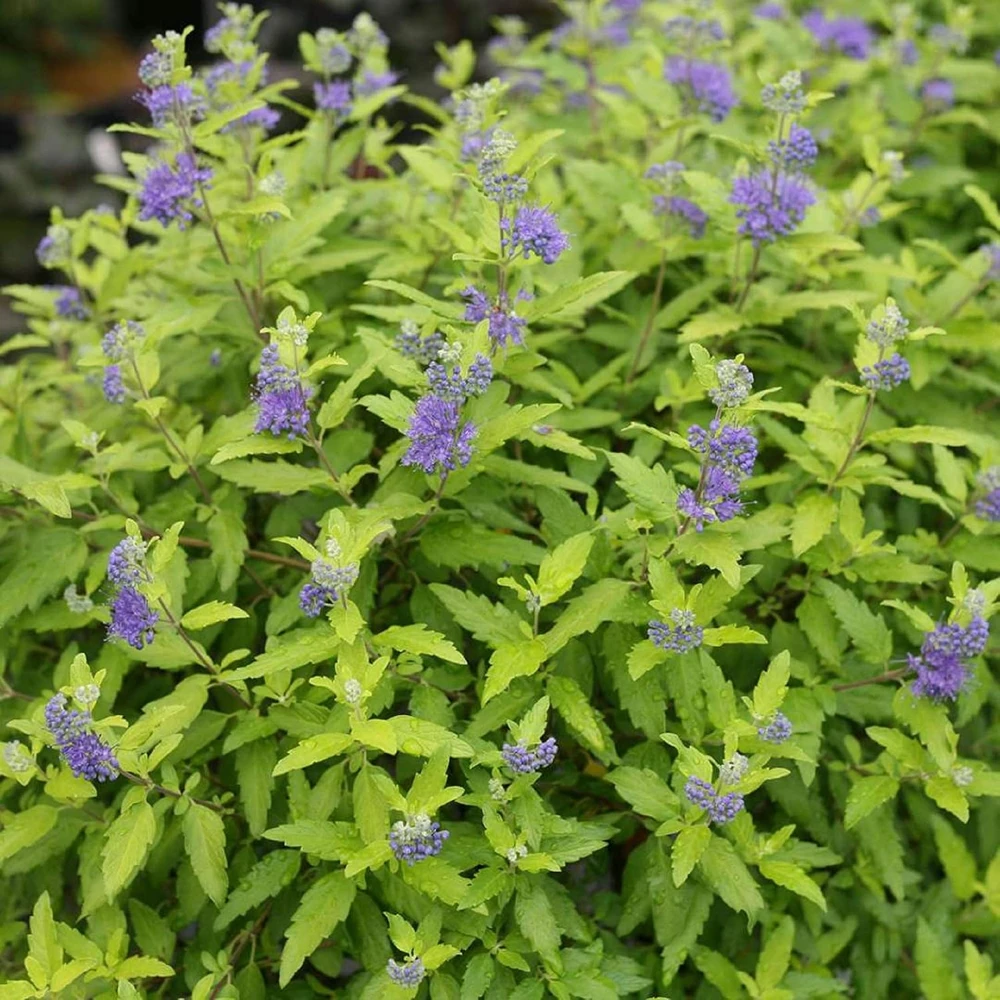
Sunshine Blue II Bluebeard Live Plant – Yellow Foliage Caryopteris – 4 inch Pot – Outdoor Shrub
Reviews
There are no reviews yet.