

25+ Roselle Seeds – Asian Sour Leaf, Red Sorrell, Florida Cranberry Seeds
Original price was: $37.99.$12.99Current price is: $12.99.
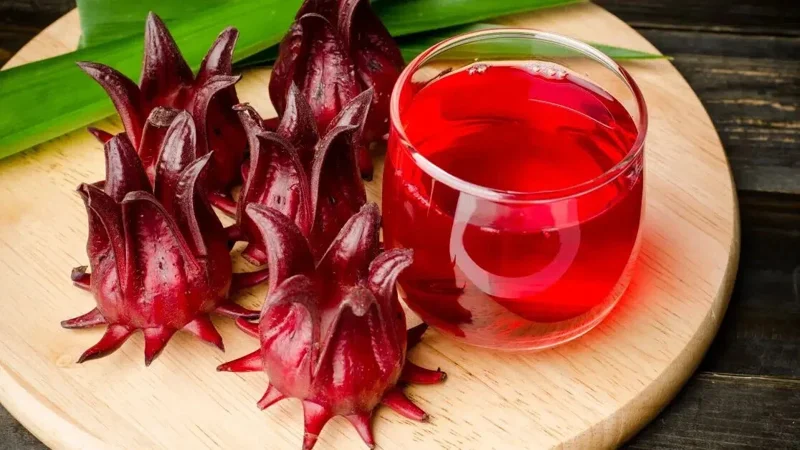
Cultivate your own vibrant roselle seeds, known by many names such as Asian Sour Leaf, Red Sorrell, and Florida Cranberry. These versatile seeds grow into beautiful plants prized for their edible calyces, perfect for making refreshing teas, jams, and culinary dishes. Ideal for gardeners looking to add a unique and beneficial herb to their collection.
Estimated arrival
Oct 15
Oct 20 - Oct 22
Oct 25 - Oct 29
Shop With Confidence
30-Day Plant Health Guarantee
Arrives damaged? We’ll replace it free — see our return policy.
Responsive Support
Email us anytime, we reply within 1 business day.
Expert Packaging
Temperature-controlled shipping to protect your plants in transit.
Secure Checkout
Pay safely with Visa, Mastercard, PayPal.
Plant Specifications
-
USDA Hardiness Zone
USDA zones 9-11 (as perennial), all zones (as annual) -
Soil Type
Well-draining, rich in organic matter -
Sunlight Exposure
Full sun (6-8 hours daily) -
Expected Planting Period
Spring after last frost
Overview
Discover the joy of growing your own roselle seeds, a versatile and attractive plant cherished for its culinary and ornamental value. Also known as Asian Sour Leaf, Red Sorrell, Florida Cranberry, or Jamaican Tea, Roselle (Hibiscus sabdariffa) is a species of Hibiscus native to West Africa. This plant is primarily cultivated for its vibrant red calyces, which are the fleshy, cup-like structures that enclose the flower’s seed pod. These calyces are rich in flavor, offering a tart, cranberry-like taste that makes them a popular ingredient in beverages like Jamaican sorrel drink, teas, and various food preparations. Starting with quality roselle seeds allows you to experience the full lifecycle of this remarkable plant, from germination to harvest, right in your own garden.
Whether you’re an experienced gardener or just beginning, cultivating roselle seeds is a rewarding experience. The plants are relatively easy to grow and can thrive in various climates, particularly warm ones. They produce stunning, hibiscus-like flowers before developing the prized calyces. Beyond their culinary uses, Roselle plants can also serve as an attractive addition to your landscape, with their lush green foliage and striking red parts. Embrace the opportunity to grow roselle and enjoy its many benefits.
Key Benefits
Growing roselle seeds offers a multitude of advantages for both your garden and your lifestyle. From culinary delights to ornamental appeal, this plant is a true garden gem.
- Culinary Versatility: The vibrant red calyces harvested from your roselle seeds are perfect for a wide array of culinary applications. Use them to make delicious and refreshing teas, jams, jellies, sauces, and even desserts. Their tart flavor provides a unique zest to many dishes.
- Ornamental Appeal: Beyond its edible parts, the Roselle plant itself is quite beautiful. It produces attractive, large, light-colored flowers with a dark red center, followed by the distinctive red calyces, adding a tropical touch to your garden or patio.
- Easy to Grow: These plants are known for their resilience and relatively low maintenance, making them suitable for gardeners of all skill levels. With proper care, your roselle seeds will germinate and grow into robust plants.
- Adaptable: While preferring warm climates, Roselle can be grown as an annual in cooler regions, allowing many gardeners to enjoy its bounty regardless of their specific USDA hardiness zone.
- Harvest Abundance: Once established, Roselle plants can be quite prolific, providing a generous harvest of calyces throughout the growing season, ensuring you have plenty for all your needs.
Plant Care & Growing Tips
Caring for your Roselle plant, starting from roselle seeds, is straightforward and rewarding. These plants thrive in warm conditions and require specific attention to light, water, and soil to ensure a bountiful harvest of their valuable calyces.
For optimal growth, plant your roselle seeds in an area that receives full sun, meaning at least 6-8 hours of direct sunlight per day. Roselle is a heat-loving plant and will perform best in temperatures between 70°F and 90°F (21°C-32°C). In cooler climates, start seeds indoors 6-8 weeks before the last frost date and transplant outdoors once all danger of frost has passed. Ensure your soil is well-draining and rich in organic matter. A slightly acidic to neutral pH (6.0-7.0) is ideal. Amend heavy clay soils with compost or sand to improve drainage, as waterlogged roots can be detrimental to the plant’s health. Proper soil preparation is key for strong growth from your asian sour leaf seeds.
Watering should be consistent, especially during dry periods and when the plant is establishing. Keep the soil consistently moist but not waterlogged. Once established, Roselle plants can tolerate some drought, but regular watering will encourage better growth and calyx production. Fertilize every 4-6 weeks with a balanced organic fertilizer, particularly one with a slightly higher phosphorus content to encourage flowering and calyx development. Watch out for common pests like aphids or whiteflies; treat with organic insecticidal soap if necessary. Pruning can encourage bushier growth and more calyx production, especially if you want to grow roselle for ornamental purposes. Consider planting red sorrell seeds in a location with good air circulation to minimize fungal issues.
Size & Details
Roselle plants, grown from roselle seeds, typically reach a height of 3 to 7 feet (0.9 to 2.1 meters) tall, with a spread of 2 to 4 feet (0.6 to 1.2 meters), depending on growing conditions and climate. They are fast-growing annuals or short-lived perennials in tropical and subtropical regions. The seeds are usually planted in spring after the last frost, and plants mature and begin producing calyces within 3-4 months. The harvest period typically extends through late summer and fall. Each packet contains 25+ premium florida cranberry seeds, ensuring you have ample opportunity to start a thriving patch.
The seeds are small and kidney-shaped, requiring light to germinate, so cover them with only a thin layer of soil. Expect germination within 7-14 days under ideal conditions. The plants will develop sturdy stems and attractive green leaves, with the characteristic red calyces forming after the flowers bloom. These plants ship as a packet of seeds, ready for you to plant and cultivate.
Frequently Asked Questions
- Q: How big does this plant get? A: Roselle plants typically grow 3 to 7 feet tall and 2 to 4 feet wide. Their size can vary based on growing conditions, climate, and whether they are grown as an annual or perennial.
- Q: Is this an indoor or outdoor plant? A: While Roselle is primarily an outdoor plant that loves full sun and warm temperatures, it can be grown in large containers indoors in very sunny locations or greenhouses, especially in cooler climates, to extend the growing season.
- Q: How much sunlight does it need? A: Roselle plants thrive in full sun, requiring at least 6-8 hours of direct sunlight per day. Adequate sunlight is crucial for robust growth and abundant calyx production from your roselle seeds.
- Q: Is this plant easy to care for? A: Yes, Roselle is considered relatively easy to care for, making it suitable for gardeners of all experience levels. It requires consistent watering, well-draining soil, and plenty of sunlight.
- Q: What condition will it arrive in? A: This product consists of a packet of premium roselle seeds, carefully packaged to ensure their viability and readiness for planting upon arrival.
- Q: Can I use Roselle in cooking? A: Absolutely! Roselle calyces are widely used in cooking and beverages. They are excellent for making teas, jams, jellies, sauces, and even as a tart addition to salads and other dishes.
- Q: How long until it blooms and produces calyces? A: From planting roselle seeds, you can typically expect the plants to start blooming and producing calyces within 3-4 months, with harvest continuing through late summer and fall.
- Q: What’s the best time to plant Roselle seeds? A: The best time to plant Roselle seeds outdoors is in spring after all danger of frost has passed and soil temperatures have warmed. In cooler climates, start seeds indoors 6-8 weeks before the last frost.
- Q: Will it survive winter in my zone? A: Roselle is a tropical plant. In USDA Zones 9 and above, it can be grown as a perennial. In colder zones, it is typically grown as an annual and will not survive winter outdoors.
- Q: What type of soil does Roselle prefer? A: Roselle prefers well-draining soil rich in organic matter, with a slightly acidic to neutral pH (6.0-7.0). Good drainage is essential to prevent root rot.
Be the first to review “25+ Roselle Seeds – Asian Sour Leaf, Red Sorrell, Florida Cranberry Seeds”
People Also Viewed
Flowers
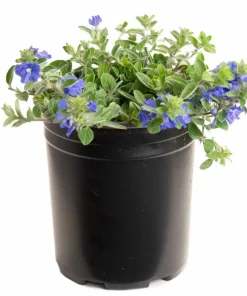
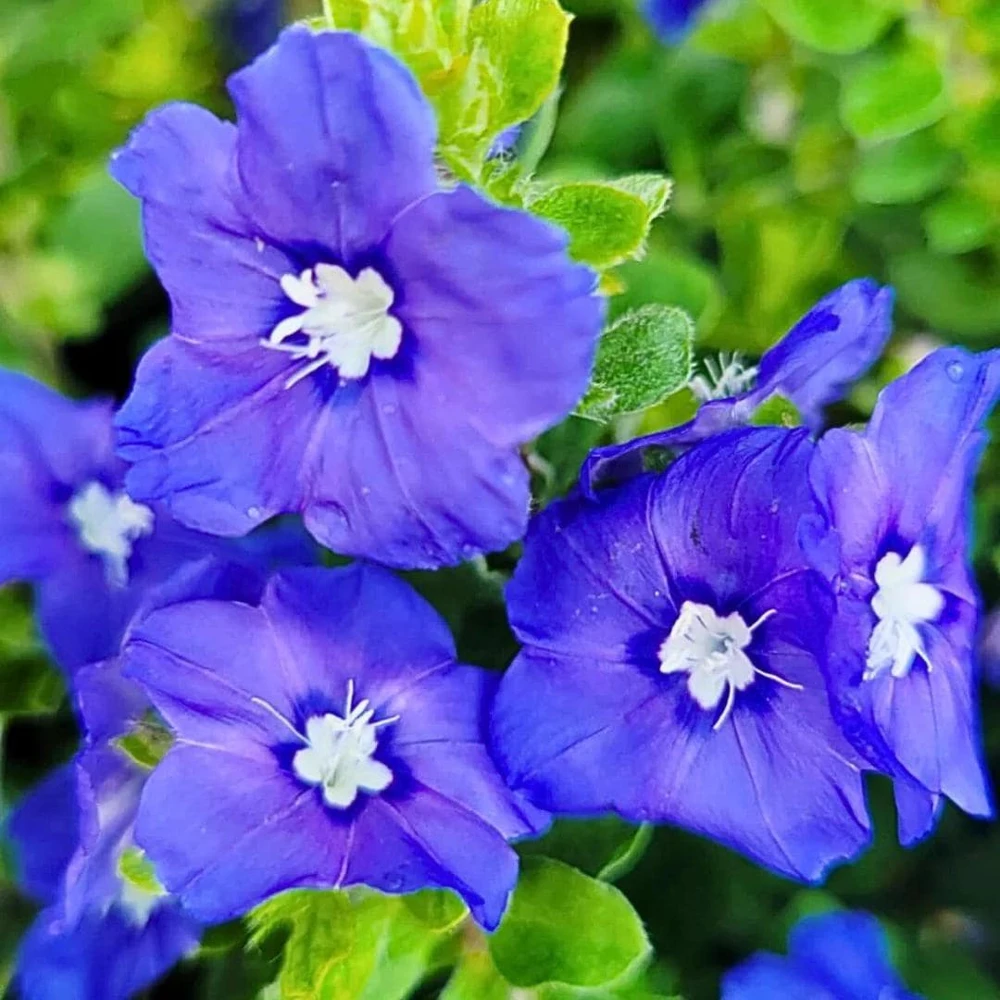
Dwarf Blue Daze ‘Beach Bum’ Evolvulus Live Plants, 5-9″ Tall, 2-Pack, Blue Flowers, Full Sun
Reviews
There are no reviews yet.