
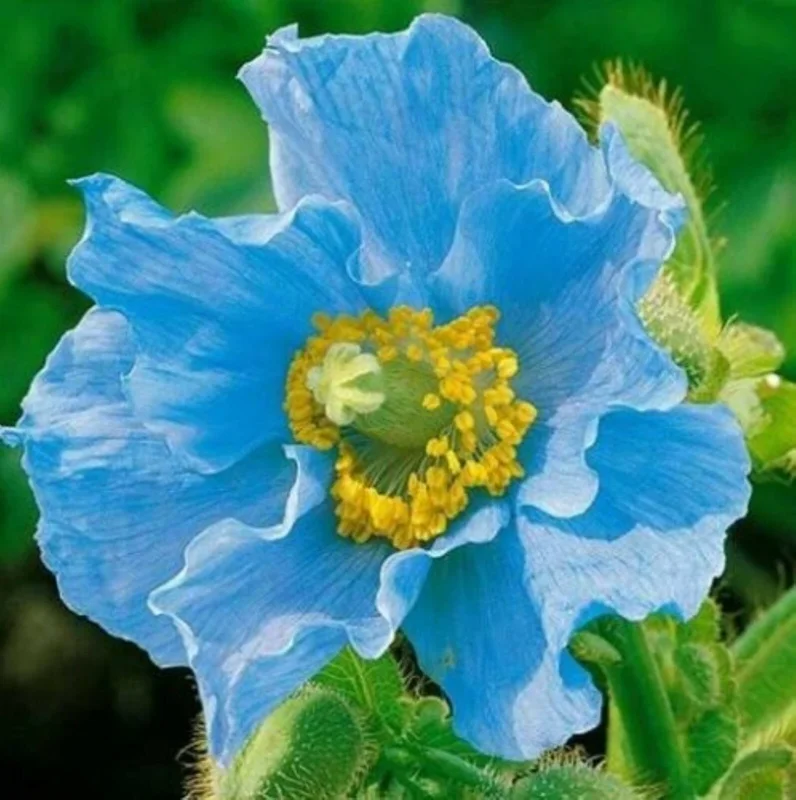
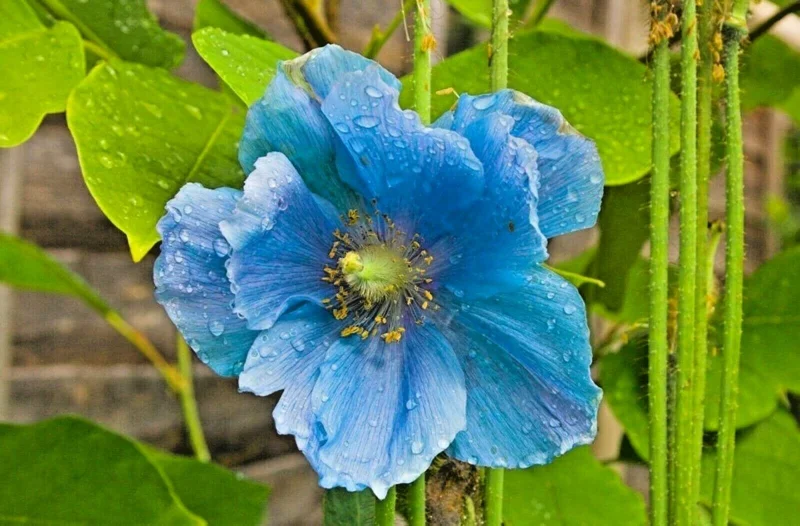
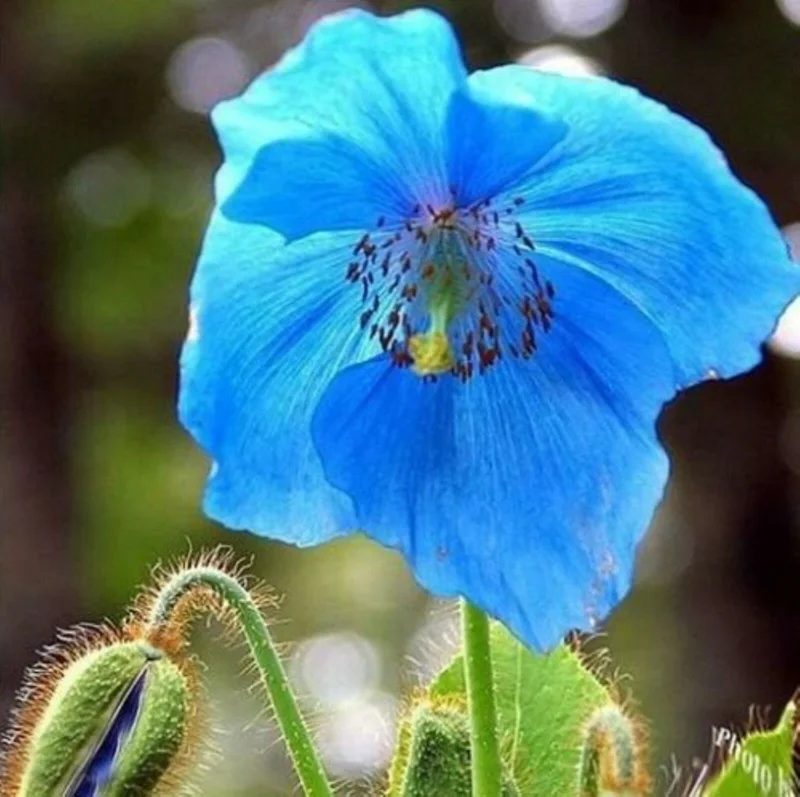
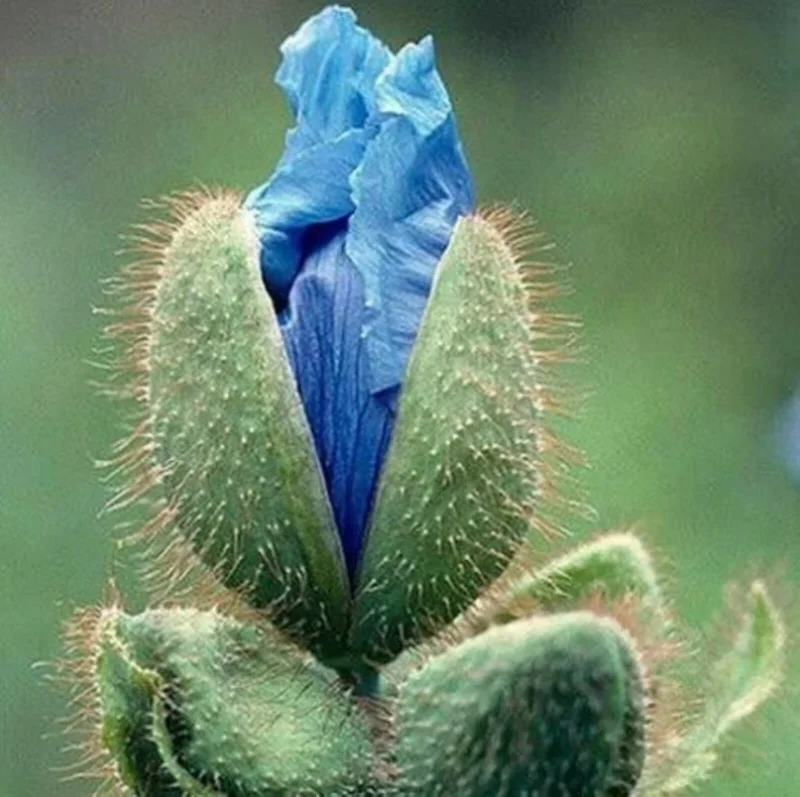
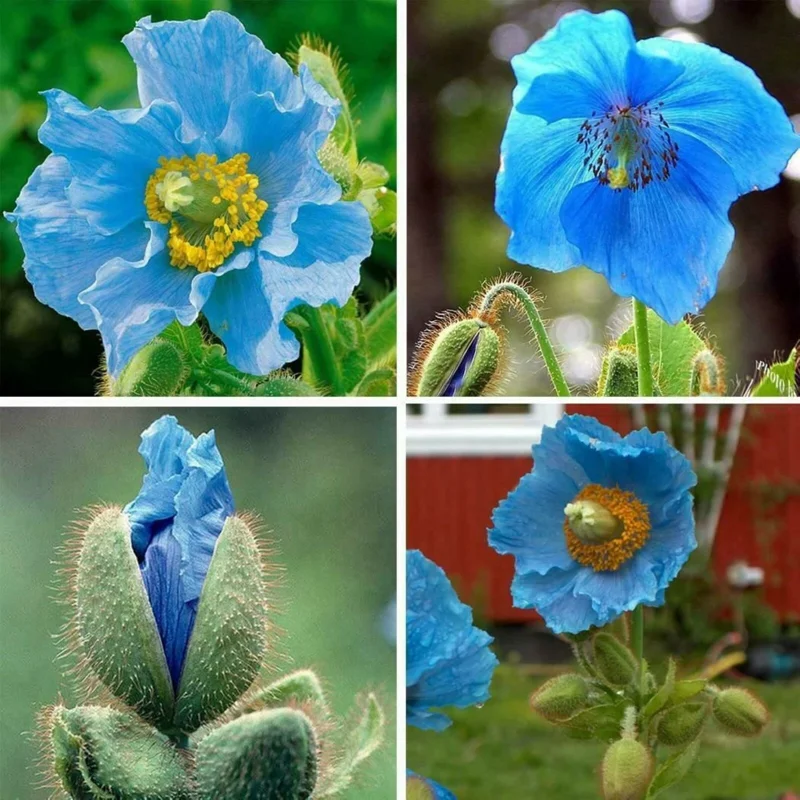
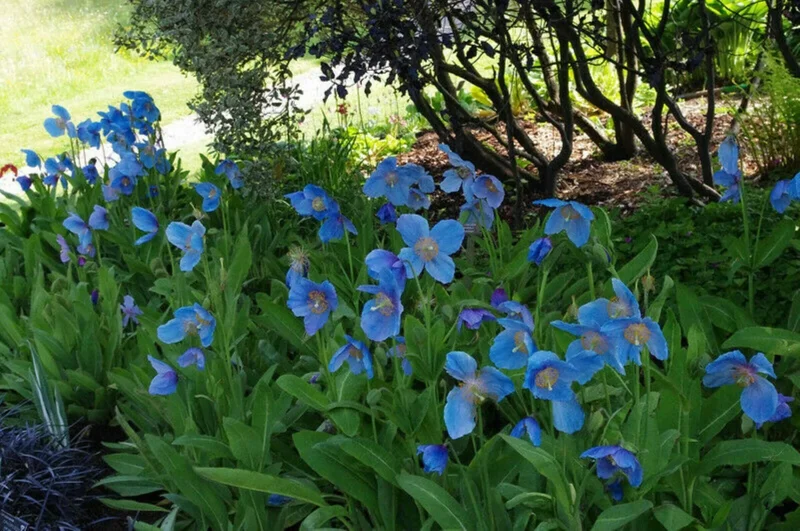

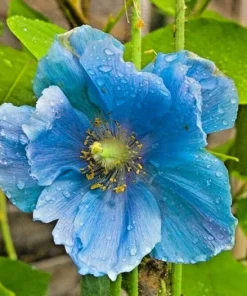
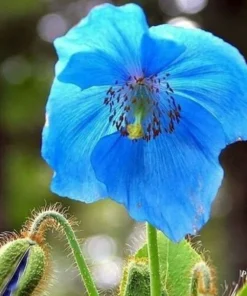
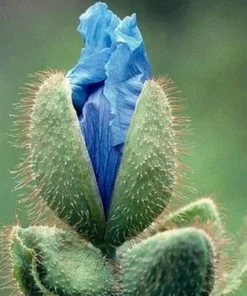
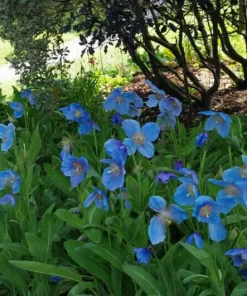
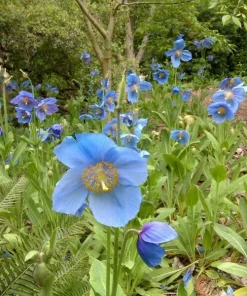
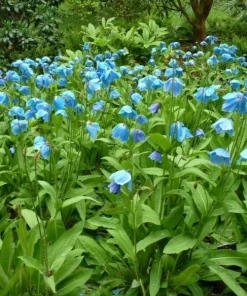
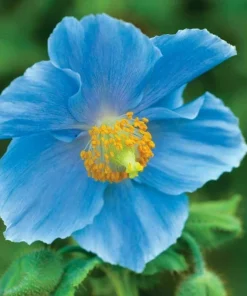

Himalayan Blue Poppy Seeds – 200 Count Perennial Meconopsis Flowering Blue
Original price was: $41.99.$16.99Current price is: $16.99.
Cultivate the enchanting beauty of the Himalayan Blue Poppy seeds. This packet contains 200 high-quality perennial Meconopsis seeds, ready to transform your garden with their striking blue flowers. Ideal for both indoor starting and outdoor planting.
Estimated arrival
Oct 15
Oct 20 - Oct 22
Oct 25 - Oct 29
Shop With Confidence
30-Day Plant Health Guarantee
Arrives damaged? We’ll replace it free — see our return policy.
Responsive Support
Email us anytime, we reply within 1 business day.
Expert Packaging
Temperature-controlled shipping to protect your plants in transit.
Secure Checkout
Pay safely with Visa, Mastercard, PayPal.
Plant Specifications
-
USDA Hardiness Zone
USDA zones 3-7 -
Soil Type
Rich, well-draining, moist, slightly acidic soil -
Sunlight Exposure
Partial shade -
Expected Planting Period
Fall to early spring
Overview
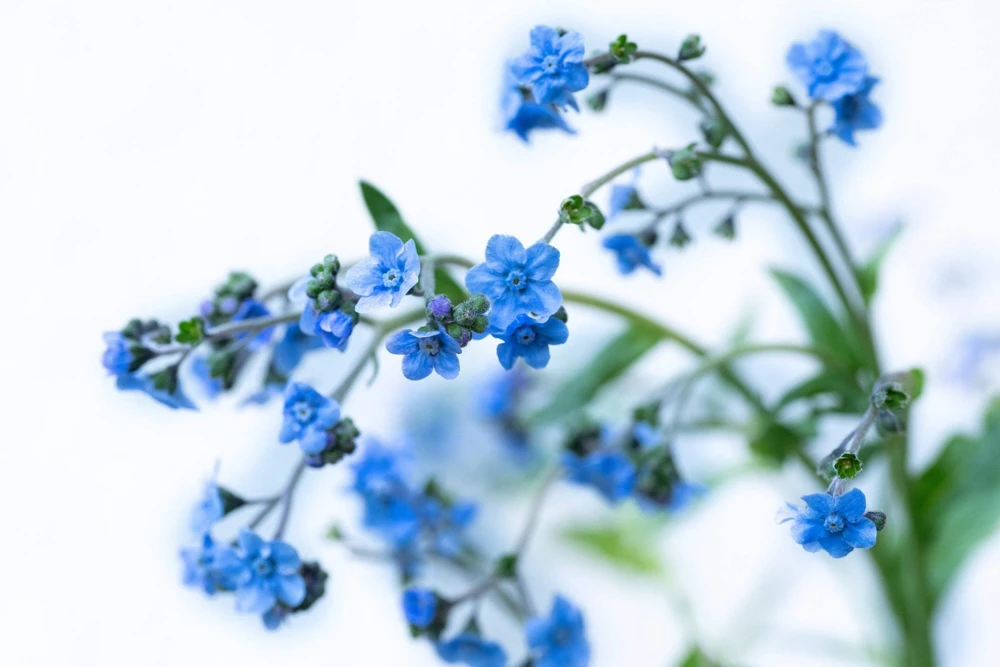
Discover the magic of growing the elusive Himalayan Blue Poppy seeds, scientifically known as Meconopsis. These exquisite perennial seeds promise to bring a touch of ethereal beauty to any home garden with their stunning, vibrant blue blooms. Originating from the mountainous regions of the Himalayas, the Himalayan Blue Poppy seeds are a gardener’s dream, offering a unique and captivating display that stands out from common garden flowers. Each packet contains 200 carefully selected seeds, providing ample opportunity to cultivate these magnificent plants. Whether you are an experienced gardener or a passionate beginner, the journey of growing Meconopsis seeds is a rewarding one, culminating in breathtaking flowers that evoke a sense of wonder and tranquility.
Key Benefits
Growing Himalayan Blue Poppy seeds offers numerous benefits for your garden and well-being. These unique plants contribute significantly to biodiversity and aesthetic appeal, making them a valuable addition to any landscape.
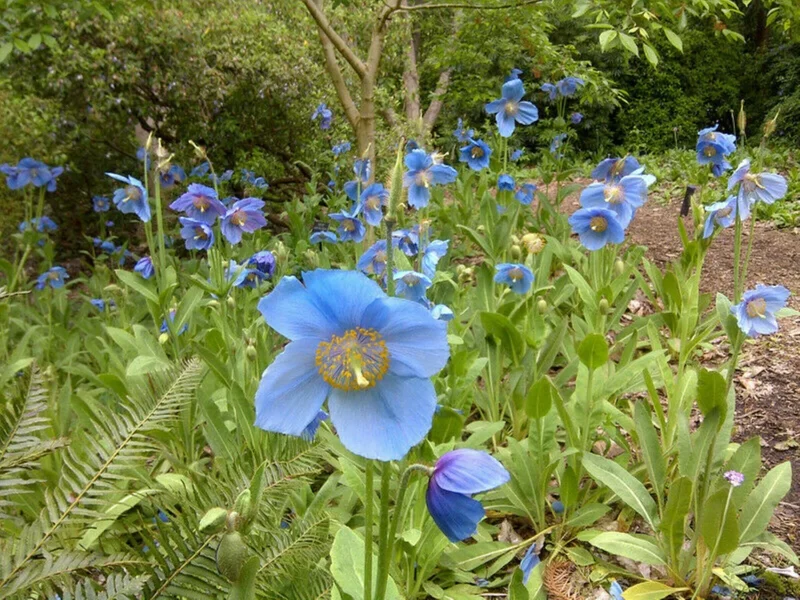
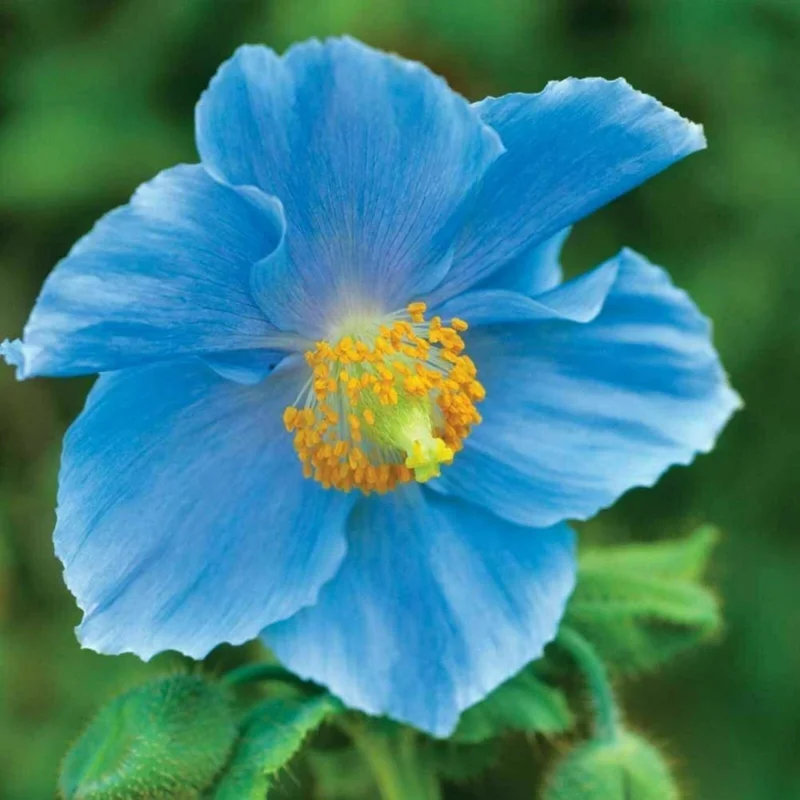
- Stunning Blue Blooms: The primary allure of these poppies is their incredibly rare and vibrant blue color, which is uncommon among flowering plants. These blossoms create a striking visual impact, becoming an instant focal point in your garden.
- Perennial Beauty: As a perennial, once established, your Himalayan Blue Poppy seeds will return year after year, providing continuous beauty and reducing the need for annual replanting. This makes them a sustainable and long-term investment for your garden.
- Unique Garden Addition: Stand out from the crowd with these uncommon and highly sought-after flowers. The blue poppy perennial adds an exotic and sophisticated touch that will impress visitors and delight gardeners.
- Attracts Pollinators: Like many flowering plants, these poppies can attract beneficial pollinators such as bees, contributing to a healthier and more vibrant ecosystem in your garden.
- Therapeutic Gardening: The process of nurturing these beautiful plants from Meconopsis seeds can be a deeply relaxing and rewarding hobby, offering a sense of accomplishment and connection to nature.
- Versatile Planting: Suitable for both indoor starting and outdoor garden beds, these seeds offer flexibility in how you choose to cultivate them, adapting to various gardening preferences.
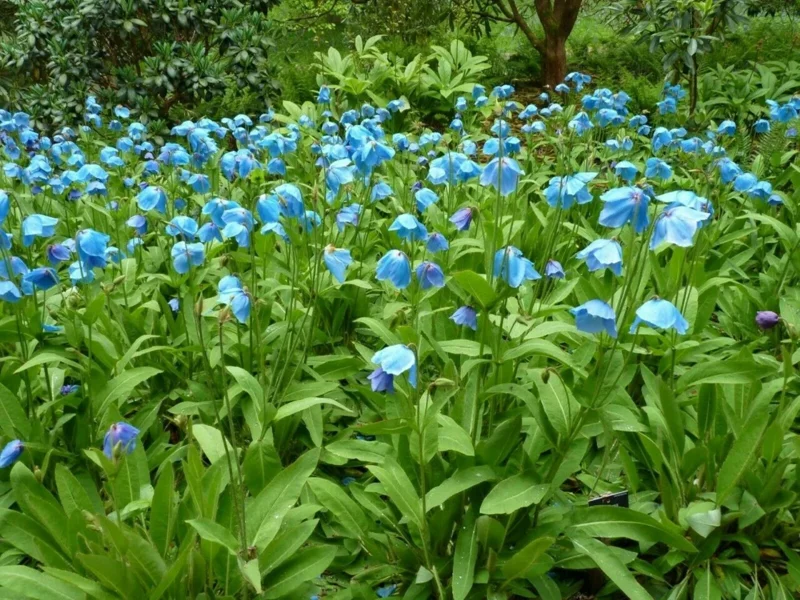
- Enhances Landscape: Whether planted in borders, rock gardens, or woodland settings, the delicate yet striking appearance of the Himalayan Blue Poppy seeds enhances the overall beauty and charm of your outdoor space.
Plant Care & Growing Tips
Successfully growing Himalayan Blue Poppy seeds requires attention to specific environmental conditions, mimicking their native mountainous habitat. These plants thrive in cool, moist conditions and appreciate protection from harsh summer sun. Start your Meconopsis seeds indoors 6-8 weeks before the last frost for best results. Sow seeds thinly on the surface of a well-draining, peat-based soil mix, as they require light for germination. Keep the soil consistently moist but not waterlogged. Germination can be slow and erratic, often benefiting from a period of cold stratification before planting.
For outdoor planting, choose a site with partial shade, especially in warmer climates, where they can receive morning sun and afternoon shade. The ideal soil for a blue poppy perennial is rich in organic matter, consistently moist, and slightly acidic (pH neutral is acceptable). Ensure excellent drainage to prevent root rot. Watering should be regular, particularly during dry spells, to keep the soil evenly damp. Avoid overhead watering to minimize fungal diseases. Fertilize sparingly with a balanced, slow-release granular fertilizer in early spring. Protect young plants from slugs and snails, which can be particularly attracted to their tender foliage. The key to successfully growing Himalayan Blue Poppy seeds is providing a cool, humid environment with consistent moisture and protection from extreme heat.
Size & Details
Each packet contains 200 high-quality Himalayan Blue Poppy seeds, ready for cultivation. These perennial plants typically grow to an average height of 2-3 feet (60-90 cm) and spread about 1-2 feet (30-60 cm) wide, forming attractive clumps of foliage topped with their magnificent blue flowers. The seeds are suitable for planting in USDA zones 3-7, where they can enjoy the cooler temperatures they prefer. Plants usually bloom in late spring to early summer, depending on your climate and planting time. They are best started in peat-based soil and will arrive in a protective seed packet, ensuring their viability. The distinctive blue hue of these poppies makes them a prized specimen for any garden, offering a truly unique floral display.
Frequently Asked Questions
- Q: How big does the Himalayan Blue Poppy get? A: These perennial poppies typically reach a height of 2-3 feet (60-90 cm) and can spread about 1-2 feet (30-60 cm) wide, forming a lovely clump of foliage and flowers.
- Q: Is this an indoor or outdoor plant? A: While Himalayan Blue Poppy seeds can be started indoors, the mature plants are best suited for outdoor garden environments, thriving in cool, partially shaded spots.
- Q: How much sunlight does it need? A: These poppies prefer partial shade, ideally receiving morning sun and protection from intense afternoon sun, especially in warmer climates.
- Q: Is this plant easy to care for? A: The blue poppy perennial is considered to have a moderate cultivating difficulty. It requires specific conditions, including cool temperatures, consistent moisture, and well-draining, rich soil to thrive.
- Q: What condition will the Meconopsis seeds arrive in? A: The 200 Himalayan Blue Poppy seeds will arrive in a sealed packet, ensuring their freshness and viability for planting.
- Q: How long until it blooms? A: From seed, it can take one to two years for the plants to establish and begin flowering, typically blooming in late spring to early summer once mature.
- Q: Will it survive winter in my zone? A: These poppies are hardy perennials suitable for USDA zones 3-7, meaning they can withstand cold winters and return each spring in these regions.
- Q: What is the best soil type for growing Himalayan poppy? A: They prefer a rich, well-draining soil that is consistently moist and slightly acidic, often benefiting from added organic matter like peat.
- Q: What is the ideal planting time for Himalayan Blue Poppy seeds? A: The best time to plant is typically in the fall or very early spring. If starting indoors, begin 6-8 weeks before the last frost.
- Q: Why is it called a rare blue poppy? A: It’s considered rare due to its specific environmental requirements and the unique, intense blue color of its flowers, which makes it stand out among other poppy varieties.
Be the first to review “Himalayan Blue Poppy Seeds – 200 Count Perennial Meconopsis Flowering Blue”
People Also Viewed

Reviews
There are no reviews yet.