


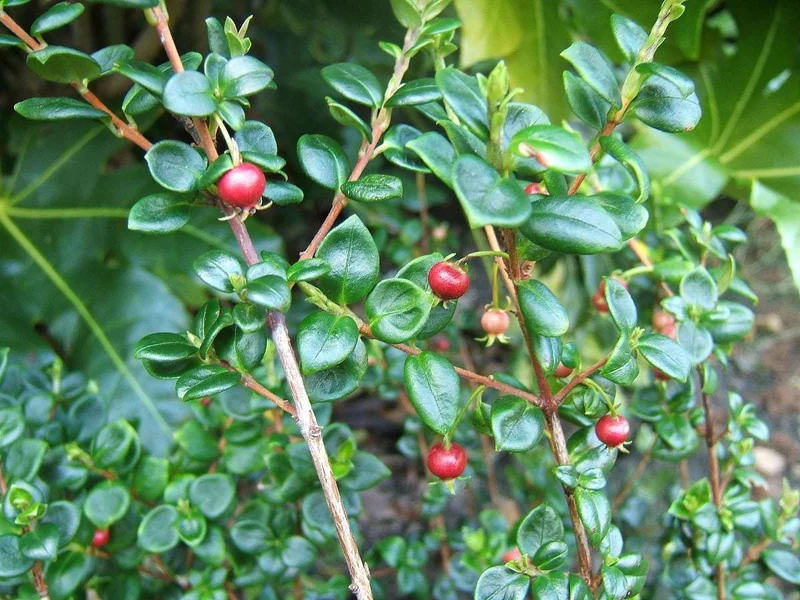
Chilean Guava Live Plant – Ugni Molinae Shrub – 4″ Tall Starter in 3″ Pot
$49.76
Cultivate your own flavorful berries with this chilean guava live plant. The ugni molinae plant care is straightforward, making it an excellent choice for both novice and experienced gardeners. This evergreen shrub offers ornamental appeal with its charming flowers and edible fruit, thriving in sunny locations.
Estimated arrival
Sep 14
Sep 19 - Sep 21
Sep 24 - Sep 28
Shop With Confidence
30-Day Plant Health Guarantee
Arrives damaged? We’ll replace it free — see our return policy.
Responsive Support
Email us anytime, we reply within 1 business day.
Expert Packaging
Temperature-controlled shipping to protect your plants in transit.
Secure Checkout
Pay safely with Visa, Mastercard, PayPal.
Plant Specifications
-
USDA Hardiness Zone
USDA zones 8-10 -
Soil Type
Well-draining, slightly acidic to neutral soil -
Sunlight Exposure
Full sun to partial shade -
Expected Planting Period
Spring to early summer (or year-round indoors in containers)
Overview
Discover the delightful world of the chilean guava live plant (Ugni molinae), a charming evergreen shrub cherished for its ornamental beauty and delicious, aromatic berries. Also known as Ugni or New Zealand Cranberry, this plant is a fantastic addition to any edible landscape or garden. Originating from Chile and Argentina, the Chilean Guava has gained popularity worldwide for its sweet and tangy fruit, reminiscent of wild strawberries and cranberries. This particular offering is for a healthy starter plant, approximately 4 inches tall, ready to thrive in your garden. Whether you’re interested in fresh fruit, unique culinary ingredients, or simply a beautiful and productive shrub, learning how to grow chilean guava is a rewarding endeavor. Its compact size makes it suitable for various garden settings, from hedges to container planting, and its evergreen foliage provides year-round interest.
The Ugni molinae is a relatively low-maintenance plant, making it an accessible option for many gardeners. It produces small, bell-shaped, fragrant white to pinkish flowers from spring to summer, which then develop into its characteristic dark red or purple berries. These berries are not only tasty but also packed with antioxidants, adding a healthy boost to your diet. Integrating an edible evergreen shrub like the Chilean Guava into your garden can enhance biodiversity and provide a sustainable source of fresh produce right at your fingertips. Get ready to enjoy the unique flavor and beauty this plant brings to your home.
Key Benefits
Adding a chilean guava live plant to your garden offers a multitude of advantages, combining aesthetic appeal with practical benefits. This versatile shrub provides a continuous source of interest and enjoyment throughout the year.
- Delicious Edible Berries: Enjoy a harvest of small, intensely flavored berries that taste like a cross between strawberries and cranberries. Perfect for fresh eating, jams, jellies, desserts, or even unique savory dishes. These berries are a true gourmet treat.
- Attractive Evergreen Foliage: The glossy, dark green leaves remain on the plant all year, providing consistent beauty and structure to your garden even in colder months. This makes it an excellent choice for an edible evergreen shrub border or foundation planting.
- Fragrant Spring & Summer Flowers: From spring to summer, the plant produces delicate, bell-shaped white to pinkish flowers that emit a pleasant aroma, attracting pollinators like bees and butterflies to your garden.
- Compact & Manageable Growth: Typically growing to a manageable size, the Chilean Guava is well-suited for smaller gardens, containers, or as part of a mixed border. Its natural growth habit keeps it tidy and attractive.
- Low Maintenance & Resilient: Once established, this plant is surprisingly robust and requires minimal care. It’s tolerant of various conditions, making ugni molinae plant care relatively easy for gardeners of all skill levels.
- Drought Tolerance: While it appreciates moderate water, the Chilean Guava exhibits good drought tolerance once established, making it a water-wise choice for many landscapes.
- Versatile Landscaping Use: Ideal for hedges, specimen planting, container gardening, or as an understory plant, the myrtle berry plant adds beauty and function wherever it’s placed.
Plant Care & Growing Tips
Successful ugni molinae plant care involves understanding its preferred growing conditions to ensure a bountiful harvest and healthy growth. This evergreen shrub thrives when given the right balance of sun, water, and soil. For optimal fruit production and vigorous growth, select a location that receives full sun to partial shade. In hotter climates, some afternoon shade can protect the plant from intense heat, while in cooler regions, full sun will encourage better fruiting. A minimum of 6 hours of direct sunlight is generally recommended.
When it comes to watering, the chilean guava live plant prefers moderate, consistent moisture. The soil should be kept evenly moist but never waterlogged. Good drainage is crucial to prevent root rot. Allow the top inch or two of soil to dry out slightly between waterings, especially for plants in containers. For soil, a well-draining, slightly acidic to neutral soil is ideal. Incorporating organic matter, such as compost, can improve soil structure and fertility. These plants are generally hardy in USDA zones 8-10, tolerating temperatures down to about 15-20°F (-9 to -6°C) once established. In colder zones, it can be grown in pots and brought indoors during winter or treated as an annual.
Fertilization is not heavily required for this edible evergreen shrub. A balanced, slow-release fertilizer applied in spring can support healthy growth and fruit development. Avoid over-fertilizing, as this can lead to excessive foliage at the expense of fruit. Pruning is mainly for shaping and maintaining plant size, best done after fruiting. Watch out for common pests like aphids or spider mites, which can typically be managed with organic insecticidal soaps. Understanding how to grow chilean guava successfully will ensure you enjoy its beauty and delicious bounty for years to come.
Size & Details
This offering is for one chilean guava live plant starter, standing approximately 4 inches tall from the top of the soil. It ships securely in its 3-inch nursery pot, complete with established roots and ready for transplanting into a larger container or directly into your garden. The Ugni molinae is a relatively slow to moderate grower, eventually reaching a mature height of 3-6 feet and a similar spread, forming a dense, rounded shrub. Its compact nature makes it an excellent choice for smaller spaces or as a container specimen on patios and balconies.
Expect the plant to begin flowering in spring to early summer, with berries ripening from late summer through fall, depending on your climate. The small, pea-sized berries are a vibrant red to deep purple when ripe. With proper ugni molinae plant care, your starter will establish quickly and begin to produce fruit within 1-2 years. This myrtle berry plant is a long-lived perennial, providing many seasons of enjoyment and delicious harvests. Ensure adequate space for its mature size when planning your planting location.
Frequently Asked Questions
- Q: How big does this plant get? A: The chilean guava live plant typically grows to a mature height and spread of 3-6 feet, forming a dense, rounded evergreen shrub. Its compact size makes it versatile for various garden designs.
- Q: Is this an indoor or outdoor plant? A: The Chilean Guava is primarily an outdoor plant, hardy in USDA Zones 8-10. In colder climates, it can be grown in containers and brought indoors during winter to protect it from frost, or treated as an annual.
- Q: How much sunlight does it need? A: This plant thrives in full sun to partial shade. For best fruit production, aim for at least 6 hours of direct sunlight per day. In very hot climates, some afternoon shade is beneficial.
- Q: Is this plant easy to care for? A: Yes, ugni molinae plant care is considered relatively easy once the plant is established. It’s quite resilient and tolerant of various conditions, making it suitable for beginners.
- Q: What condition will it arrive in? A: Your chilean guava live plant will arrive as a healthy starter, approximately 4 inches tall, securely rooted in a 3-inch nursery pot, ready for planting.
- Q: How long until it produces fruit? A: With proper care, your Chilean Guava starter can begin to produce its delicious berries within 1-2 years after planting. Fruit production will increase as the plant matures.
- Q: What’s the minimum temperature it can tolerate? A: The Chilean Guava is generally hardy down to about 15-20°F (-9 to -6°C). In areas with colder winters, protection or indoor relocation is recommended.
- Q: Can I grow this edible evergreen shrub in a pot? A: Absolutely! The Chilean Guava is an excellent candidate for container gardening, especially in regions outside its hardiness zones. Ensure the pot has good drainage and is large enough to accommodate its root system.
- Q: What does the fruit taste like? A: The berries of the myrtle berry plant have a unique and highly prized flavor, often described as a blend of wild strawberries, cranberries, and pineapple, with a pleasant aromatic quality.
- Q: Is the Chilean Guava drought-tolerant? A: Once established, the Chilean Guava shows good drought tolerance, though it performs best with moderate, consistent watering. Avoid letting the soil dry out completely for extended periods.
Be the first to review “Chilean Guava Live Plant – Ugni Molinae Shrub – 4″ Tall Starter in 3″ Pot”
People Also Viewed

Vegetable Seeds
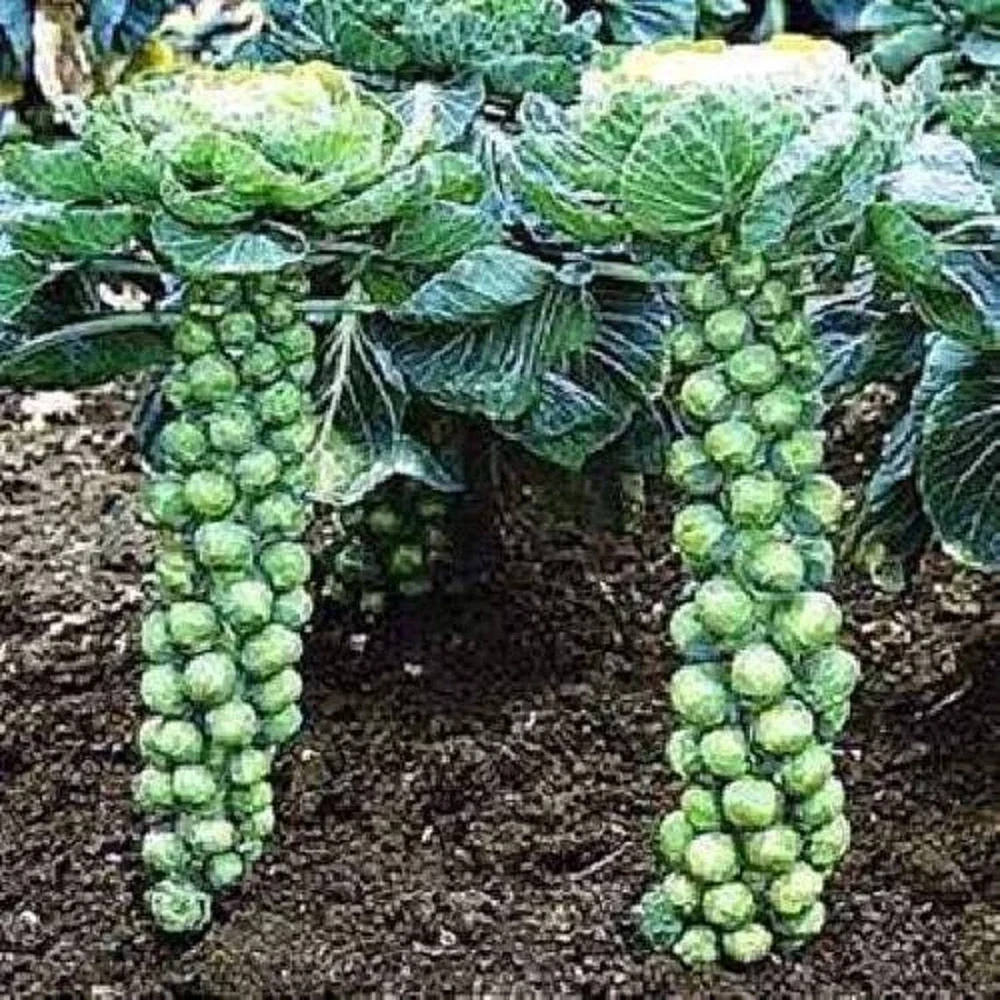
Brussels Sprouts Jade Cross E Seeds – 1000 Count for Home Garden

Grass Seeds
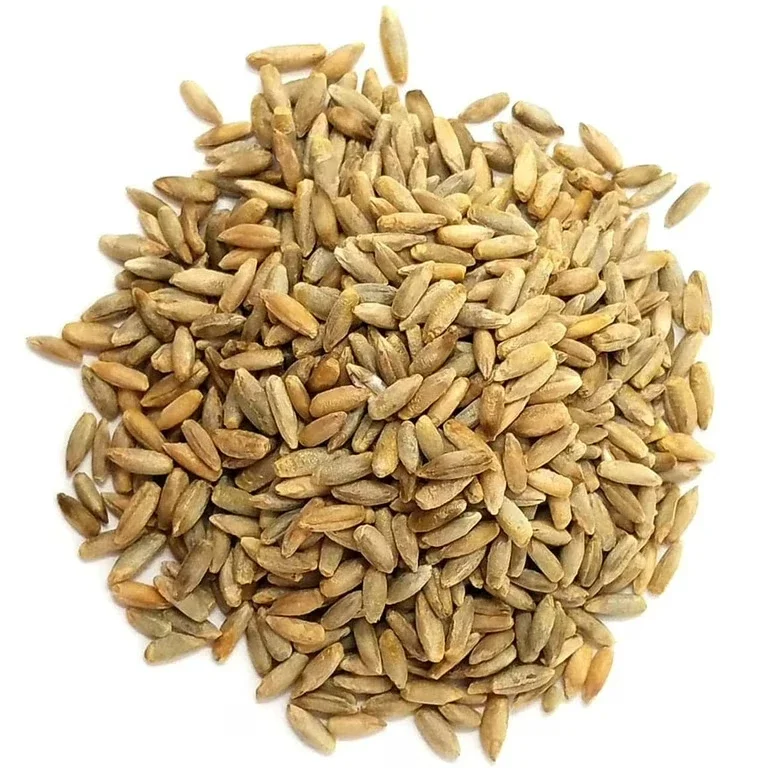
Organic Cat Grass Seeds Mix – Wheat, Barley, Oats & Rye – Easy Grow Pet Treat – Annual Grain Seed
Reviews
There are no reviews yet.