
Tulip Poplar Tree Seedling – Yellow Poplar Live Plant, 6-12 Inch Tall, Quart Pot
Original price was: $46.99.$21.99Current price is: $21.99.
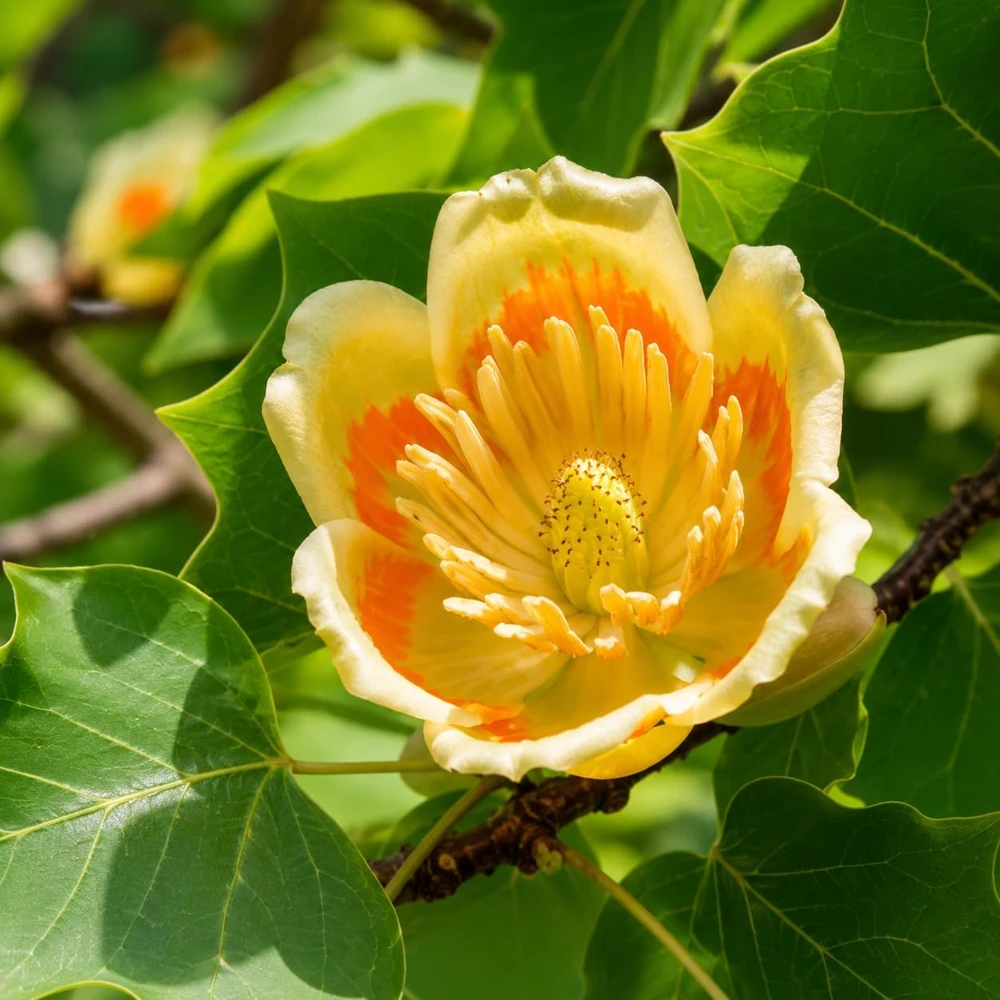
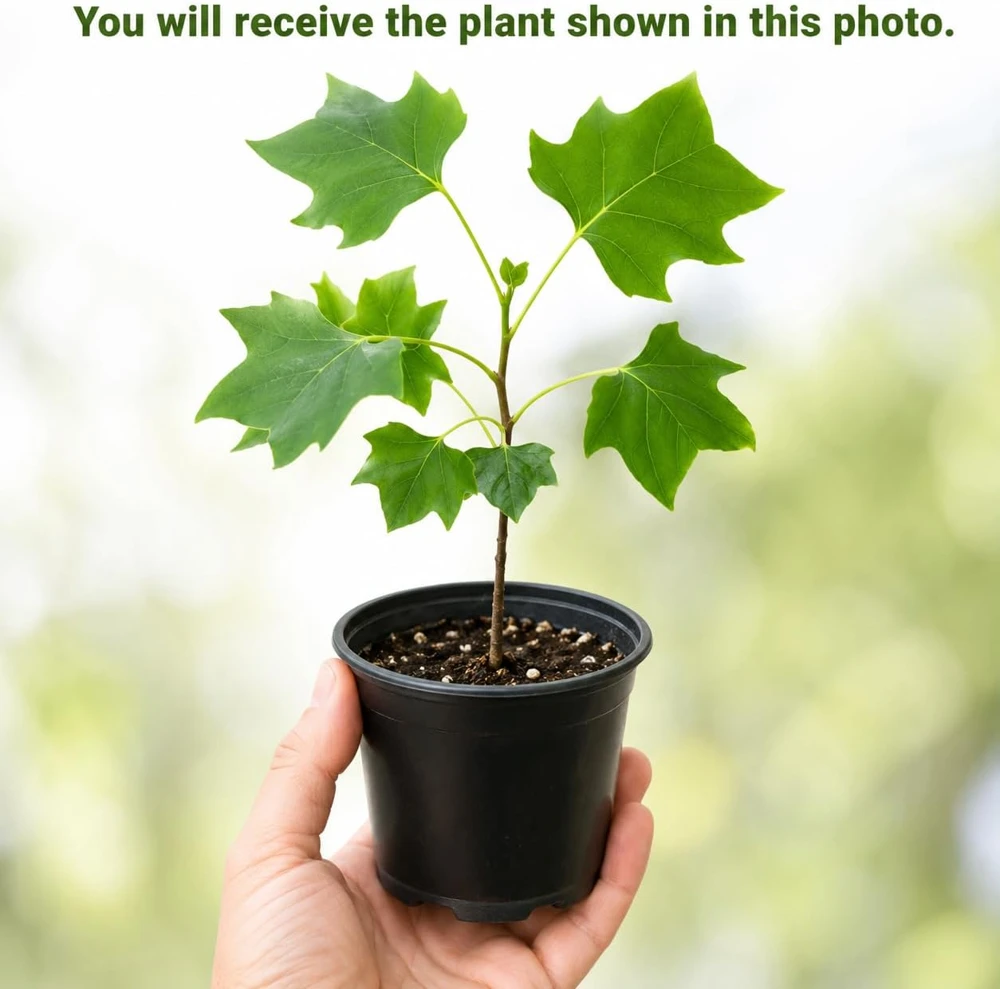
Bring a majestic presence to your landscape with this tulip poplar tree seedling. Standing 6-12 inches tall, this yellow tulip poplar arrives in a quart pot, ready to establish. Enjoy its distinctive tulip-shaped flowers and brilliant fall foliage, making it a wonderful fast growing shade tree for any garden.
Estimated arrival
Oct 10
Oct 15 - Oct 17
Oct 20 - Oct 24
Shop With Confidence
30-Day Plant Health Guarantee
Arrives damaged? We’ll replace it free — see our return policy.
Responsive Support
Email us anytime, we reply within 1 business day.
Expert Packaging
Temperature-controlled shipping to protect your plants in transit.
Secure Checkout
Pay safely with Visa, Mastercard, PayPal.
Plant Specifications
-
USDA Hardiness Zone
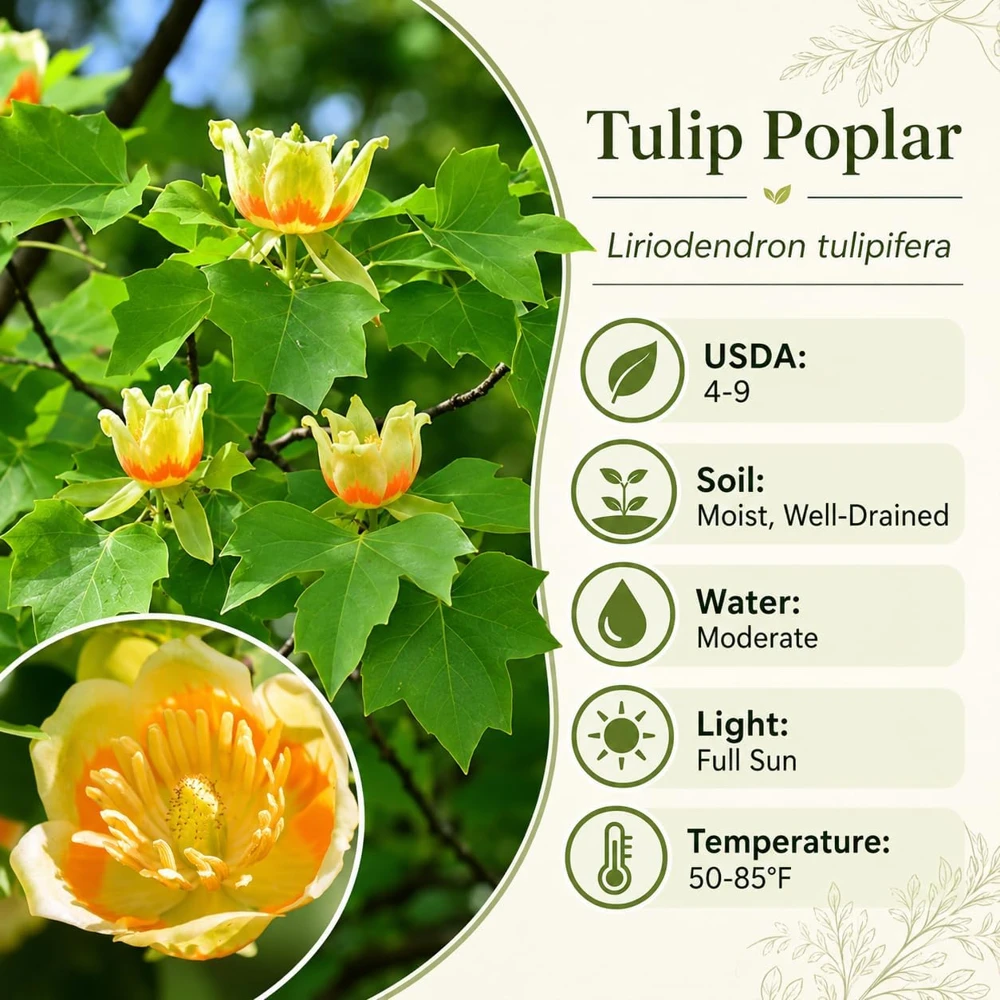
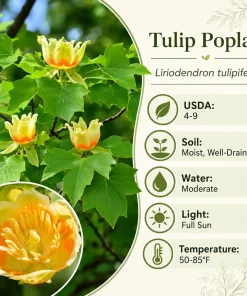
USDA Zones 4-9 -
Soil Type
Rich, moist, well-draining, slightly acidic to neutral soil -
Sunlight Exposure
Full sun -
Expected Planting Period
Spring to early fall
Overview
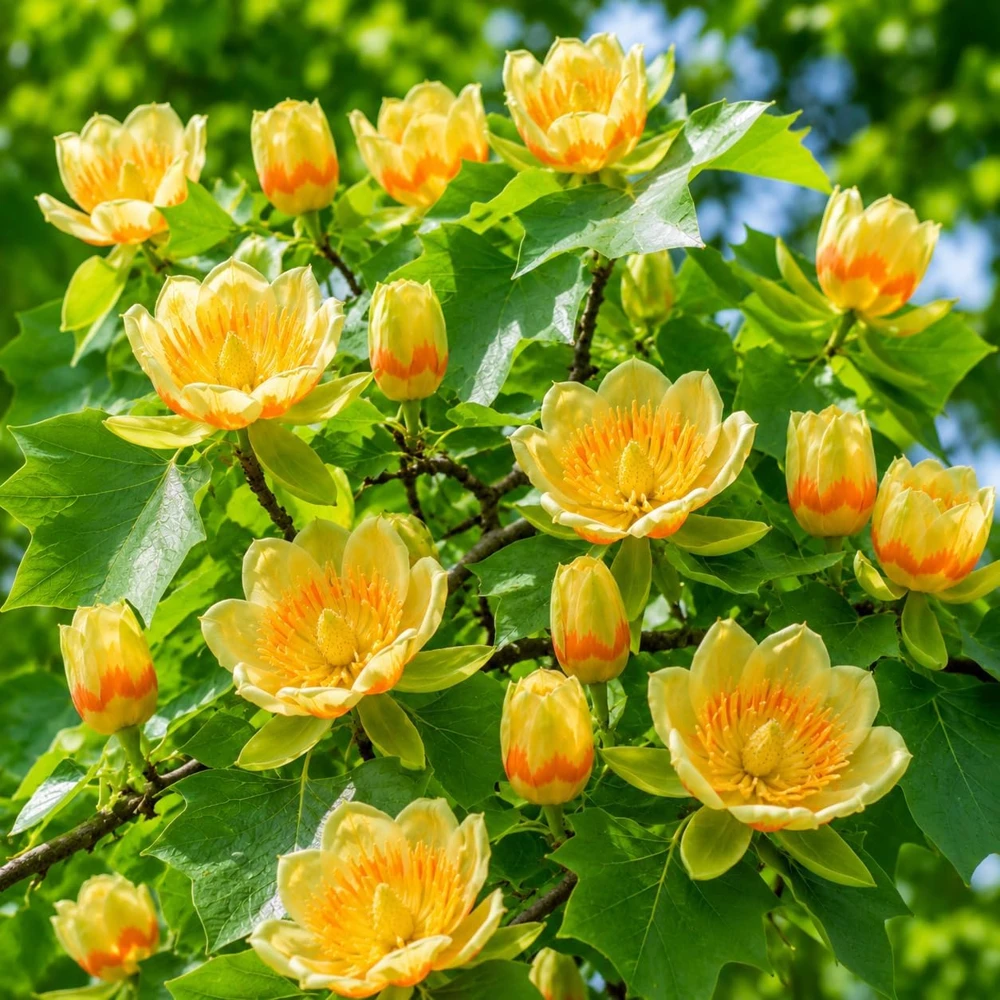
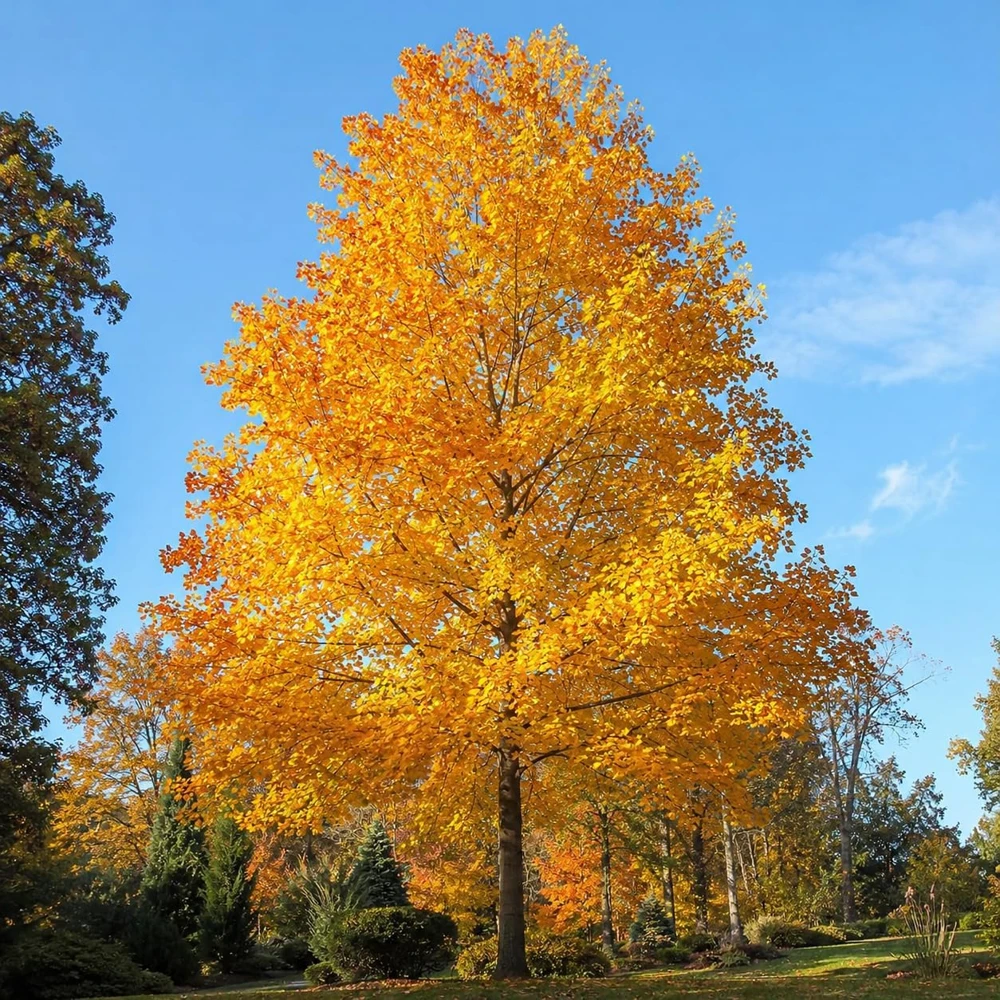
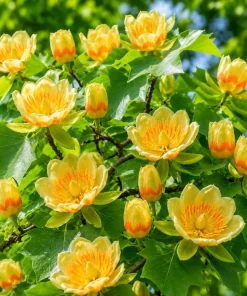
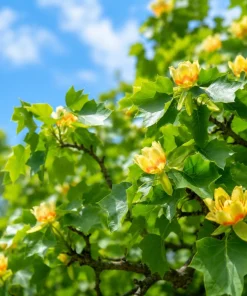
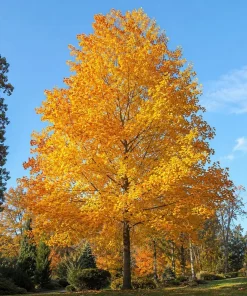
Introduce a majestic focal point to your landscape with our premium tulip poplar tree seedling. Also known as yellow tulip poplar or Liriodendron tulipifera, this beautiful live plant is a fast-growing deciduous tree renowned for its distinctive tulip-shaped, yellow-orange flowers that emerge in late spring to early summer. Each seedling is carefully cultivated to ensure a strong, healthy start in your garden. The unique foliage, resembling a tulip in shape, adds year-round interest, transforming into a brilliant golden-yellow in the fall. This particular seedling is perfectly sized at 6-12 inches tall, making it easy to establish in your desired location and watch it flourish into a magnificent specimen tree. Our tulip tree live plant offers an impressive display of natural beauty and provides essential habitat for local wildlife, including pollinators attracted to its nectar-rich flowers. It’s an excellent choice for adding vertical interest to your yard, providing shade, or as a stately addition to a larger garden design. This young tree arrives in a quart pot, ready for planting, and is an investment in the long-term beauty and ecological value of your property. Prepare to enjoy the elegance and charm of this classic American native tree for many years to come.
Key Benefits
Cultivating a tulip poplar tree seedling in your garden offers a wealth of advantages, from aesthetic appeal to ecological benefits. These trees are not only beautiful but also contribute significantly to the environment. The yellow tulip poplar is an investment in the future beauty of your landscape.
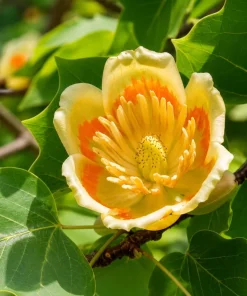
- Stunning Floral Display: Enjoy the unique and beautiful yellow-orange, tulip-shaped flowers that bloom profusely from late spring to early summer, adding a vibrant splash of color to your landscape. These blooms are a true spectacle and a conversation starter, attracting beneficial pollinators.
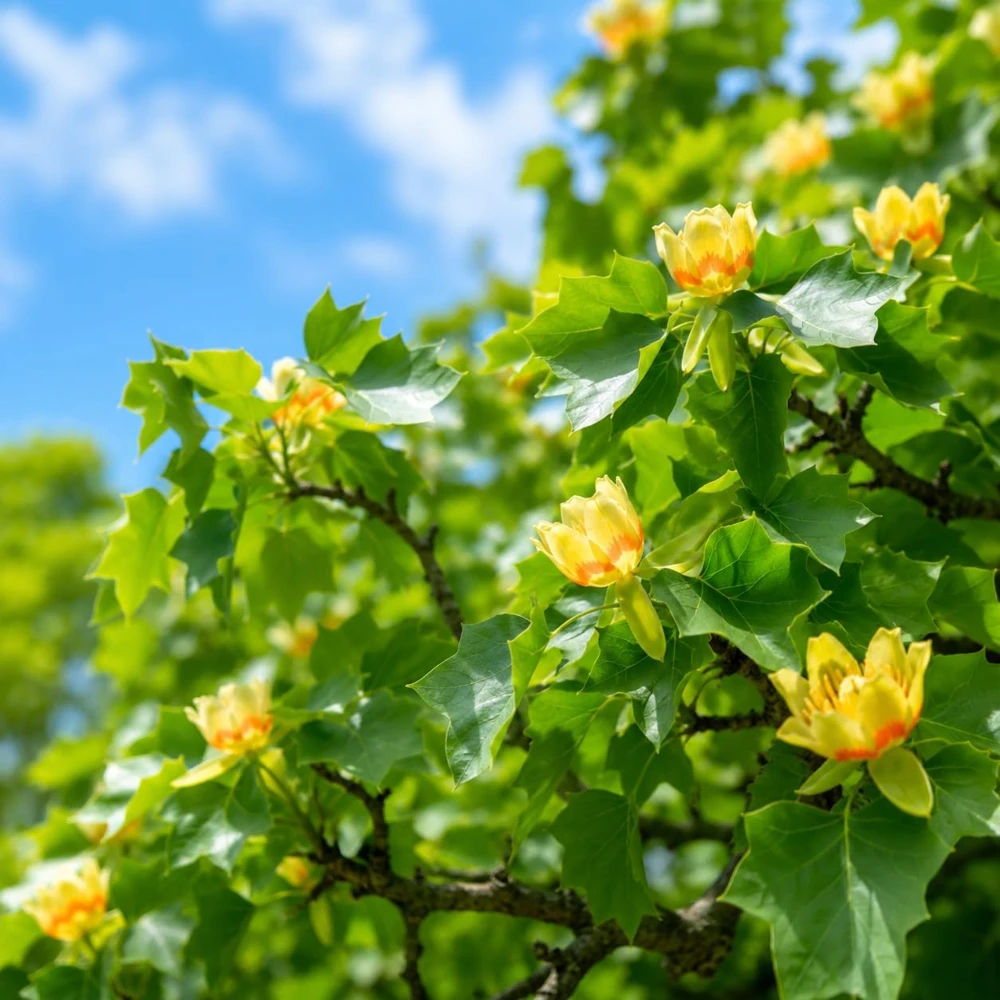
- Rapid Growth and Shade: Known for its relatively fast growing shade tree nature, the tulip poplar tree seedling quickly establishes itself and begins to provide valuable shade, helping to cool your home and outdoor living spaces during warmer months. This makes it an ideal choice for new landscapes.
- Attracts Pollinators: The nectar-rich flowers are a favorite of hummingbirds and various beneficial insects, including bees, making your garden a haven for local wildlife and supporting biodiversity. This ecological benefit is a hallmark of the tulip tree live plant.
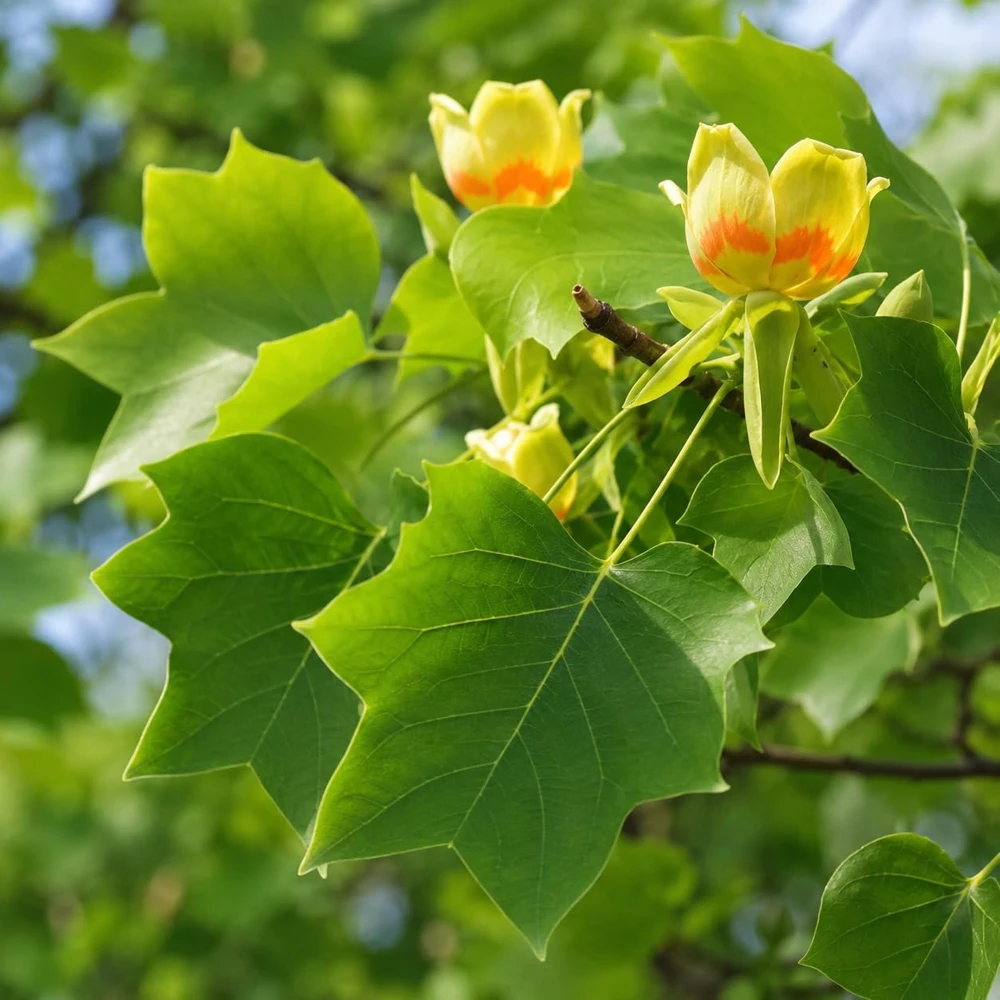
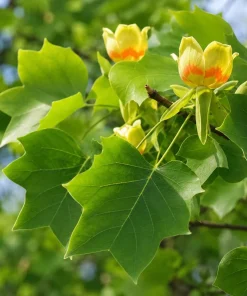
- Distinctive Foliage: The uniquely shaped leaves, resembling a tulip, offer visual interest throughout the growing season, turning a brilliant golden-yellow in the fall for a spectacular autumn display. This vibrant fall color is a highlight.
- Low Maintenance Once Established: After its initial establishment period, the tulip poplar is a relatively low-maintenance tree, requiring minimal intervention to thrive, making it an excellent choice for busy gardeners. Its resilience is a key benefit.
- Native American Species: As a native tree to much of the eastern United States, it is well-adapted to local climates and soils, ensuring a robust and healthy plant that contributes to the native ecosystem. This natural adaptation contributes to easier liriodendron tulipifera care.
- Long-Term Landscape Value: A mature tulip tree live plant adds significant aesthetic and monetary value to your property, creating a grand and enduring presence for generations. It truly is a long-term investment.
Plant Care & Growing Tips
Proper liriodendron tulipifera care is essential to ensure your young tree thrives and develops into a healthy, mature specimen. This tree generally prefers full sun, meaning it should receive at least six hours of direct sunlight per day. Adequate sunlight is crucial for robust growth and abundant flowering. When planting your tulip poplar tree seedling, choose a location with well-draining soil. While adaptable to various soil types, it performs best in rich, moist, slightly acidic to neutral soils. Avoid heavy clay soils that retain too much water, which can lead to root rot. Ensure the planting hole is twice as wide as the root ball and just as deep. Water regularly during the first growing season to establish a strong root system, especially during dry periods. Once established, the yellow tulip poplar is quite drought-tolerant but will benefit from occasional deep watering during prolonged dry spells. Fertilize annually in early spring with a balanced, slow-release fertilizer formulated for trees, following package instructions. Pruning is generally minimal, focused on removing dead, damaged, or crossing branches to maintain a strong structure. This fast growing shade tree is quite hardy once established, making it a rewarding addition to your garden.
Size & Details
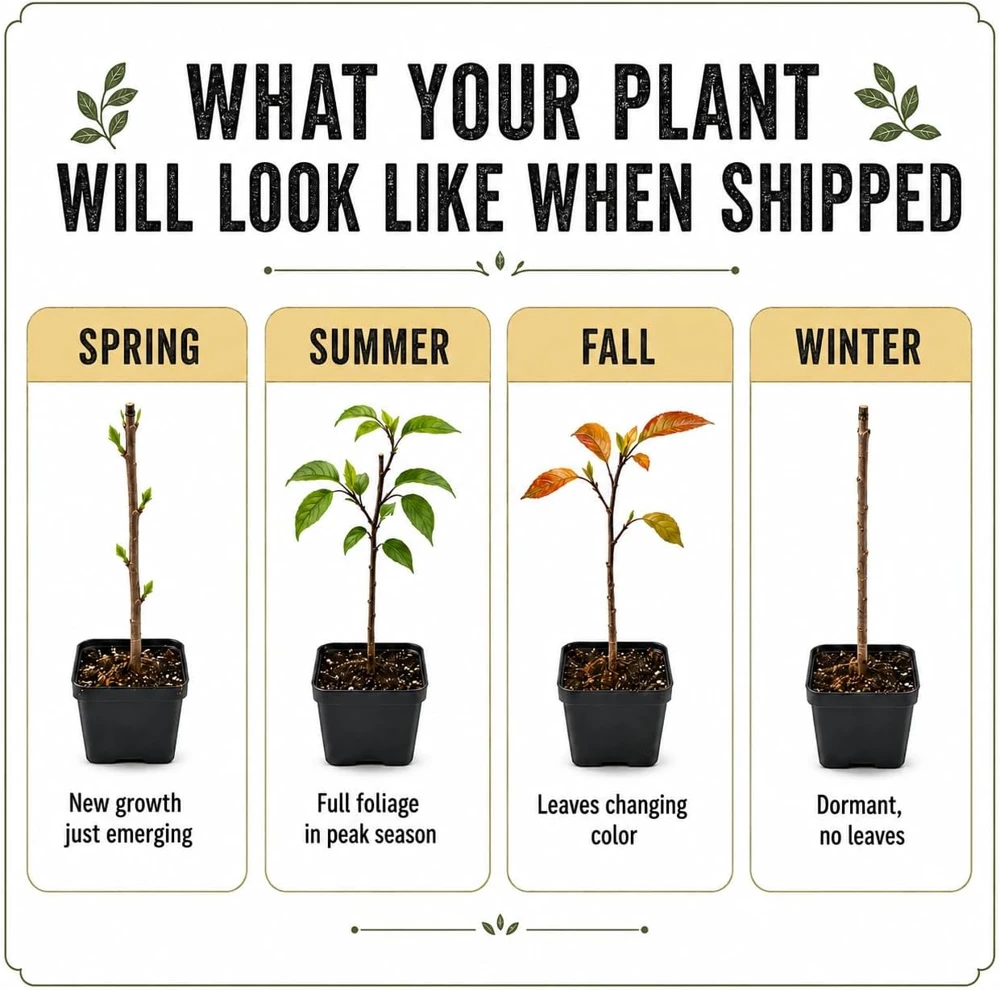
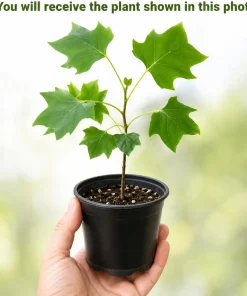
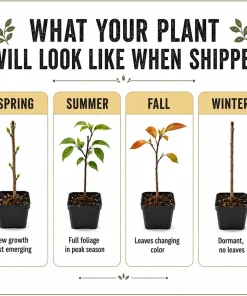
This offering is for one tulip poplar tree seedling, measuring between 6-12 inches tall from the top of the soil to the tip of the highest leaf. It arrives carefully packaged in a quart-sized nursery pot, providing a healthy root system ready for immediate planting. The yellow tulip poplar is known for its relatively rapid growth rate, quickly developing into a substantial shade tree. In optimal conditions, it can grow 1-3 feet per year, eventually reaching heights of 70-90 feet with a spread of 30-50 feet. The unique foliage and striking yellow-orange blooms make this tulip tree live plant an exceptional choice for adding vertical interest and seasonal color to your landscape. This young tree is dormant in winter, which is a natural and healthy state, ensuring it will bud out beautifully in spring.
Frequently Asked Questions
- Q: How big does this tulip poplar tree seedling get? A: A mature tulip poplar can reach impressive heights of 70-90 feet with a spread of 30-50 feet, making it an excellent fast growing shade tree.
- Q: What size pot does the seedling come in? A: Your yellow tulip poplar seedling will arrive in a standard quart-sized nursery pot, providing a well-established root system for successful transplanting.
- Q: Is this an indoor or outdoor plant? A: The tulip poplar is an outdoor deciduous tree, best suited for planting directly in the ground where it has ample space to grow and thrive.
- Q: How much sunlight does the tulip tree live plant need? A: This tree requires full sun, meaning it needs at least six hours of direct sunlight per day for optimal growth and flowering.
- Q: Is this plant easy to care for? A: Once established, the tulip poplar is relatively low-maintenance. Initial liriodendron tulipifera care involves proper watering and site selection, but it becomes quite resilient.
- Q: What condition will it arrive in? A: Your seedling will be carefully packaged and shipped in its quart pot, often dormant during winter months, which is a natural and healthy state for deciduous trees.
- Q: When is the best time to plant a tulip poplar tree seedling? A: Spring or early fall are generally the best times to plant, allowing the tree to establish its root system before extreme temperatures.
- Q: Will it survive winter in my zone? A: The tulip poplar is hardy in USDA Zones 4-9, making it suitable for a wide range of climates across the United States.
- Q: What’s the minimum temperature this tree can tolerate? A: This tree can tolerate winter temperatures down to approximately -30°F to -20°F, depending on its specific zone.
- Q: Does this tree attract wildlife? A: Yes, its nectar-rich flowers are a favorite of hummingbirds and various beneficial insects, contributing to local biodiversity.
Be the first to review “Tulip Poplar Tree Seedling – Yellow Poplar Live Plant, 6-12 Inch Tall, Quart Pot”
People Also Viewed
Reviews
There are no reviews yet.