



Syngonium Podophyllum Starlite Live Plant – Arrowhead Vine Indoor Houseplant
Original price was: $47.99.$27.99Current price is: $27.99.
Bring elegance to your home with the Syngonium Podophyllum Starlite. This stunning arrowhead plant care is straightforward, making it an ideal choice for beginners and experienced plant enthusiasts alike. Enjoy its vibrant foliage as an indoor vine plant.
Estimated arrival
Oct 27
Nov 01 - Nov 03
Nov 06 - Nov 10
Shop With Confidence
30-Day Plant Health Guarantee
Arrives damaged? We’ll replace it free — see our return policy.
Responsive Support
Email us anytime, we reply within 1 business day.
Expert Packaging
Temperature-controlled shipping to protect your plants in transit.
Secure Checkout
Pay safely with Visa, Mastercard, PayPal.
Plant Specifications
-
USDA Hardiness Zone
USDA zones 10-11 (outdoors), year-round indoors -
Soil Type
Well-draining potting mix -
Sunlight Exposure
Bright indirect light -
Expected Planting Period
Year-round indoors
Overview
Transform your living space into a lush sanctuary with the exquisite Syngonium Podophyllum Starlite live plant. Known for its striking foliage and easy-care nature, this popular houseplant is a fantastic addition to any indoor garden. The ‘Starlite’ variety boasts unique variegation, often displaying splashes of pink or cream against a backdrop of deep green, creating a captivating visual appeal. Also commonly referred to as the arrowhead plant or arrowhead vine, its leaves evolve in shape as the plant matures, transitioning from a compact, arrow-like form to a more lobed appearance. This adaptability and beauty make it a highly sought-after specimen for both novice and experienced plant parents looking for easy care houseplants that offer dynamic growth and aesthetic charm.
The Syngonium Podophyllum Starlite is a tropical plant native to the rainforests of Central and South America. It thrives in warm, humid environments, making it perfectly suited for indoor cultivation. Its vining habit allows it to be grown in various ways: as a compact bush when pruned, trailing gracefully from hanging baskets, or climbing up a moss pole for a more vertical display. This versatility, combined with its stunning leaf patterns, ensures that the ‘Starlite’ will be a focal point in any room. Discover the joy of nurturing this beautiful plant and watch it flourish, adding a touch of natural artistry to your home or office.
Key Benefits
The Syngonium Podophyllum Starlite offers a multitude of benefits beyond its undeniable beauty, making it a valuable addition to your indoor plant collection. Its vibrant presence can uplift spirits and contribute to a more serene environment. Here are some of the key advantages:
-
Aesthetic Appeal: The ‘Starlite’ variety features captivating variegated leaves with shades of green, cream, and often pink, providing a stunning visual contrast that brightens any room. Its evolving leaf shapes add to its unique charm, ensuring it remains an interesting focal point.
-
Air Purification: Like many houseplants, the Syngonium Podophyllum Starlite is known for its ability to help purify indoor air. It can absorb common household toxins, contributing to a healthier and fresher living environment for you and your family.
-
Versatile Growth Habit: This plant can be grown as a compact bush through regular pruning, allowed to trail elegantly from a shelf or hanging basket, or trained to climb a support. This adaptability makes it suitable for various display preferences and spaces.
-
Low Maintenance: The arrowhead plant care requirements are relatively simple, making it an excellent choice for beginners or those with busy schedules. It tolerates a range of indoor conditions and is forgiving of minor care inconsistencies.
-
Enhances Interior Decor: Its lush foliage and unique variegation make it a perfect accent for modern, bohemian, or traditional decor styles. It adds a natural, living element that complements existing furnishings and brings life to otherwise stark spaces.
-
Promotes Well-being: Studies suggest that having plants indoors can reduce stress, improve mood, and increase concentration. Caring for a beautiful plant like the Syngonium Podophyllum Starlite can be a rewarding and therapeutic experience.
-
Rapid Growth: With proper care, this indoor vine plant can grow quite quickly, offering visible progress and a sense of accomplishment for the plant parent. Its fast growth can quickly fill out a space or create an impressive trailing display.
Plant Care & Growing Tips
Caring for your Syngonium Podophyllum Starlite is a rewarding experience, as this resilient plant thrives with consistent, basic attention. Understanding its needs will ensure vibrant growth and stunning foliage. Providing the right environment for your arrowhead plant care is key to its success.
Sunlight Requirements: The ‘Starlite’ prefers bright, indirect light. Direct sunlight can scorch its delicate leaves, especially the variegated parts, leading to fading or browning. An east-facing window is often ideal, providing gentle morning sun. If placed in a brighter spot, ensure it’s slightly set back from the window or shielded by a sheer curtain. Insufficient light can cause the variegation to diminish and lead to leggy growth, so finding that sweet spot is crucial for maintaining its beautiful patterns. This makes it one of the more adaptable easy care houseplants when it comes to light.
Watering Schedule and Soil Moisture: Water your Syngonium Podophyllum Starlite when the top 1-2 inches of soil feel dry to the touch. Avoid overwatering, which can lead to root rot, a common issue for many houseplants. Ensure the pot has drainage holes to prevent water from sitting at the bottom. During warmer months, you may need to water more frequently, while in winter, reduce watering as the plant’s growth slows down. Always check the soil moisture before watering. This approach to watering is vital for the health of any indoor vine plant.
Soil Type and Drainage: A well-draining potting mix is essential for this plant. A standard indoor potting mix amended with perlite or orchid bark for extra aeration works well. The goal is to provide good drainage while retaining some moisture. The soil should be slightly acidic to neutral. Repotting is generally needed every 1-2 years, or when the plant becomes root-bound, typically in spring or early summer.
Temperature Range and Humidity: These tropical plants thrive in temperatures between 60-85°F (15-29°C). Avoid temperatures below 55°F (13°C), as cold drafts can damage the foliage. High humidity is appreciated, mimicking its natural habitat. You can increase humidity by misting the leaves regularly, using a pebble tray with water, or placing a humidifier nearby. Grouping plants together can also create a microclimate with higher humidity.
Fertilization: Feed your Syngonium Podophyllum Starlite with a balanced liquid fertilizer diluted to half strength every 2-4 weeks during the growing season (spring and summer). Reduce or cease fertilization during fall and winter when the plant’s growth naturally slows. Over-fertilization can lead to nutrient burn, so always follow the product instructions carefully.
Pruning and Pest Management: Prune your plant to maintain its desired shape and size, and to encourage bushier growth. You can trim back leggy stems just above a node. Regularly inspect your plant for common pests like spider mites, mealybugs, and aphids. If detected, treat with an insecticidal soap or neem oil solution. Good air circulation and proper humidity can help prevent pest infestations.
Size & Details
This offering is for a live Syngonium Podophyllum Starlite plant, carefully cultivated to ensure a healthy start in your home. While exact dimensions can vary based on individual growth and cultivation practices, these plants typically arrive as young, well-rooted specimens, ready to establish quickly in their new environment. You can expect a plant that is actively growing, showcasing its characteristic arrow-shaped, variegated leaves. The growth rate of the Syngonium Podophyllum Starlite is moderate to fast, especially under optimal conditions, allowing it to quickly develop into a lush display. As an indoor vine plant, it can reach lengths of several feet if allowed to trail or climb, though it can be kept more compact with regular pruning. The plant will arrive securely packaged to minimize stress during transit, typically in a nursery pot (size may vary) with appropriate growing medium to keep it hydrated.
Frequently Asked Questions
-
Q: How big does this Syngonium Podophyllum Starlite get? A: With proper care, the ‘Starlite’ can grow quite long as an indoor vine plant, reaching several feet if allowed to trail or climb. However, its size can be easily managed through regular pruning to maintain a bushier, more compact form.
-
Q: Is this an indoor or outdoor plant? A: The Syngonium Podophyllum Starlite is primarily grown as an indoor houseplant in most climates. It can be grown outdoors in USDA Zones 10-11 where temperatures remain consistently warm, but it thrives best indoors where its environment can be controlled.
-
Q: How much sunlight does the arrowhead plant care require? A: This plant thrives in bright, indirect light. Avoid direct sunlight, which can scorch its leaves and diminish the variegation. A spot near an east-facing window or a few feet away from a south or west-facing window is usually ideal.
-
Q: Is this plant easy to care for? A: Yes, the Syngonium Podophyllum Starlite is considered one of the easy care houseplants. It’s quite forgiving and adaptable, making it a great choice for both beginners and experienced plant enthusiasts who appreciate its beauty without demanding excessive attention.
-
Q: What condition will it arrive in? A: Your plant will arrive healthy and well-packaged, typically in its nursery pot with soil, to ensure it withstands transit. We take great care to protect the foliage and root system during shipping.
-
Q: How often should I water my Syngonium Podophyllum Starlite? A: Water when the top 1-2 inches of soil feel dry to the touch. It’s better to slightly underwater than to overwater. Adjust frequency based on humidity, light, and temperature in your home.
-
Q: Is the arrowhead plant care suitable for beginners? A: Absolutely! Its resilience and relatively simple needs make it an excellent choice for those new to plant care. Following basic guidelines will ensure a thriving plant.
-
Q: Can I propagate my Syngonium Podophyllum Starlite? A: Yes, this plant is easy to propagate from stem cuttings. Simply take a cutting with a few nodes and place it in water or moist potting mix, and roots should develop within a few weeks.
-
Q: Does this type of indoor vine plant need high humidity? A: While it can tolerate average household humidity, the ‘Starlite’ will thrive with higher humidity. You can provide this by misting, using a pebble tray, or placing it near a humidifier.
-
Q: What kind of soil is best for the Syngonium Podophyllum Starlite? A: A well-draining potting mix is ideal. You can use a standard indoor potting mix amended with perlite or orchid bark to improve drainage and aeration, which is crucial for healthy root development.
Be the first to review “Syngonium Podophyllum Starlite Live Plant – Arrowhead Vine Indoor Houseplant”
People Also Viewed




Flower Plants
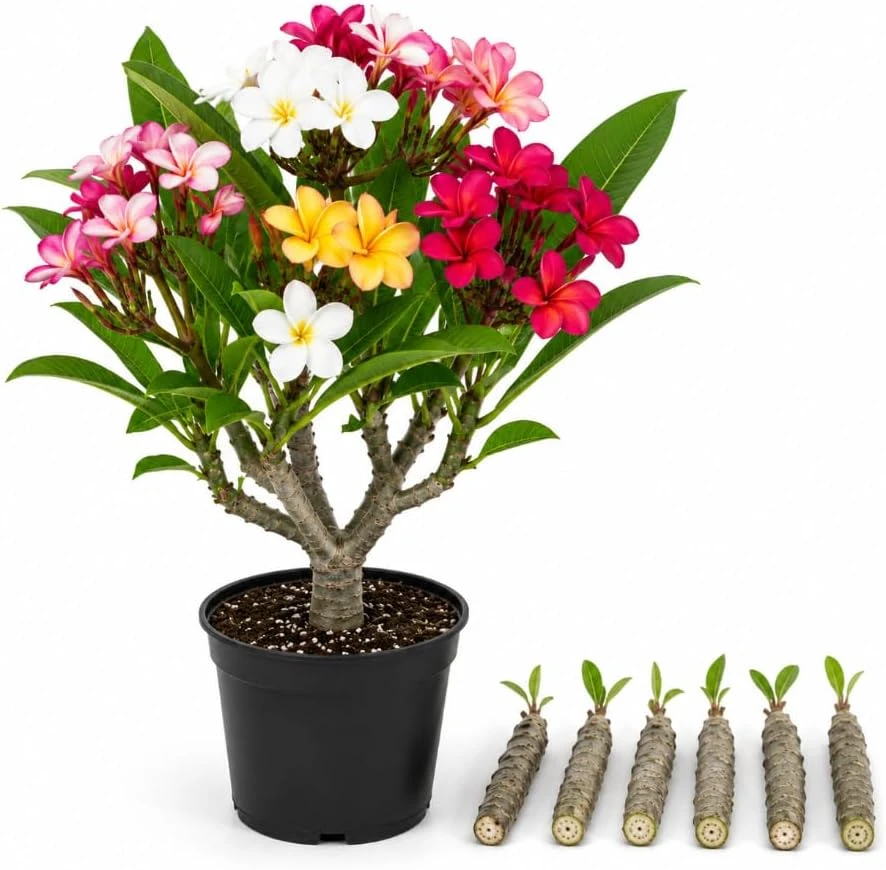
Set of 6 Plumeria Plant Cuttings – Mixed Frangipani Tropical Flower Varieties for Garden & Pots

Houseplants
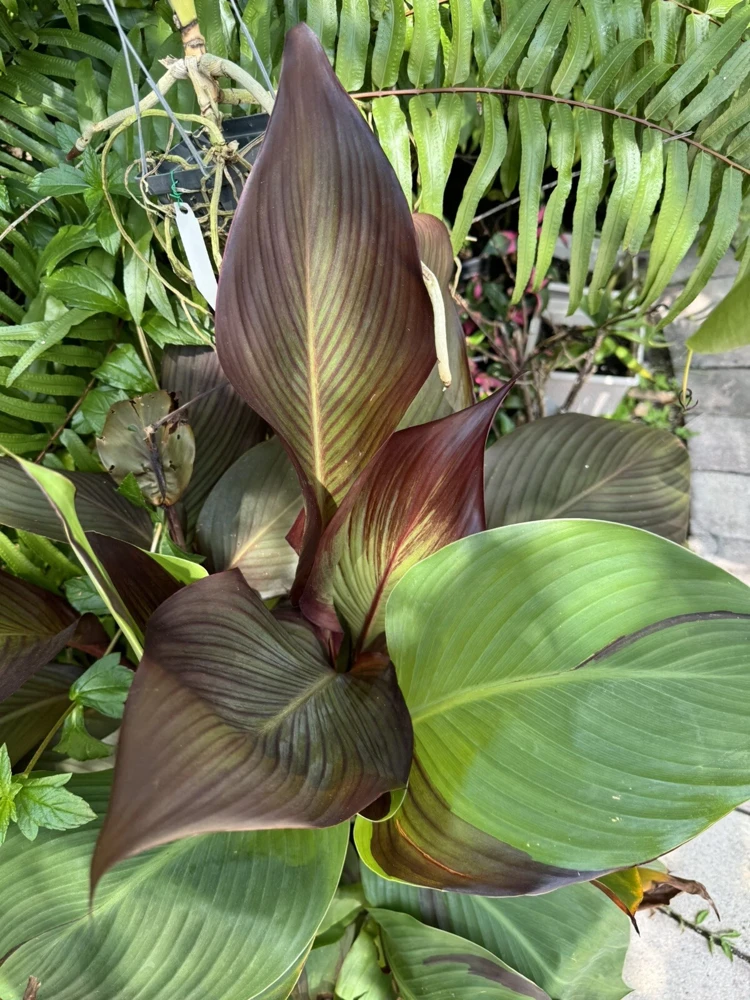
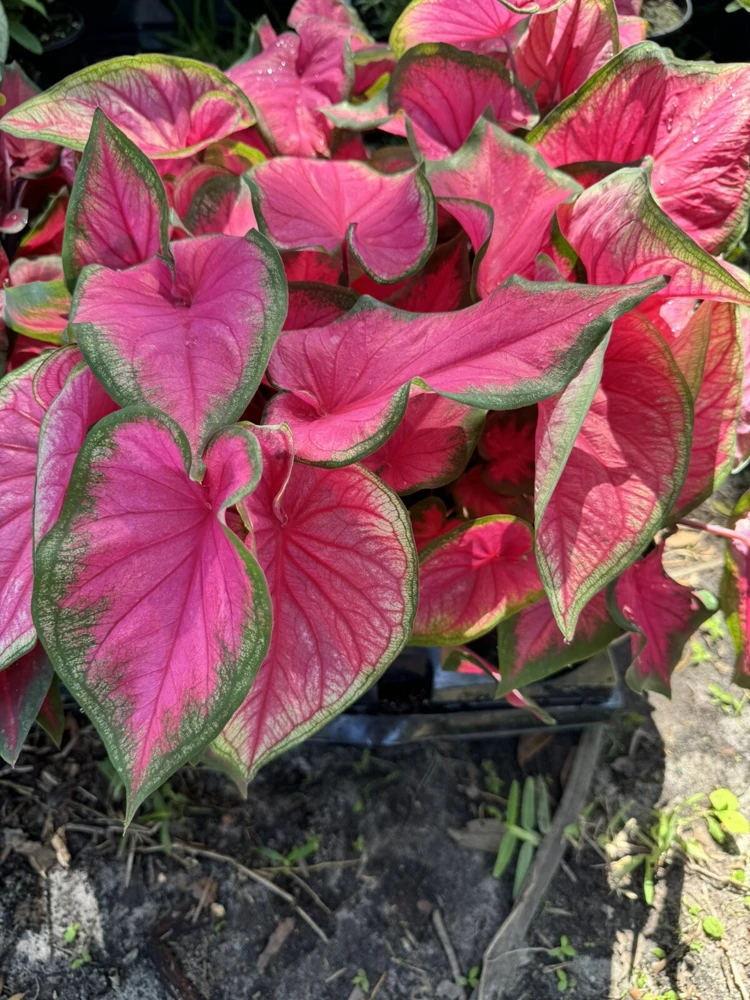
Strawberry Ice Syngonium Live Plant – Pink Variegated Arrowhead Plant – 4 Inch Pot – Indoor


Reviews
There are no reviews yet.