
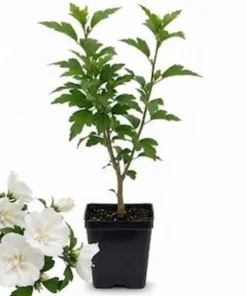
White Rose of Sharon Live Plant – Hibiscus Syriacus Shrub – 12-24in Potted
Original price was: $67.99.$52.99Current price is: $52.99.
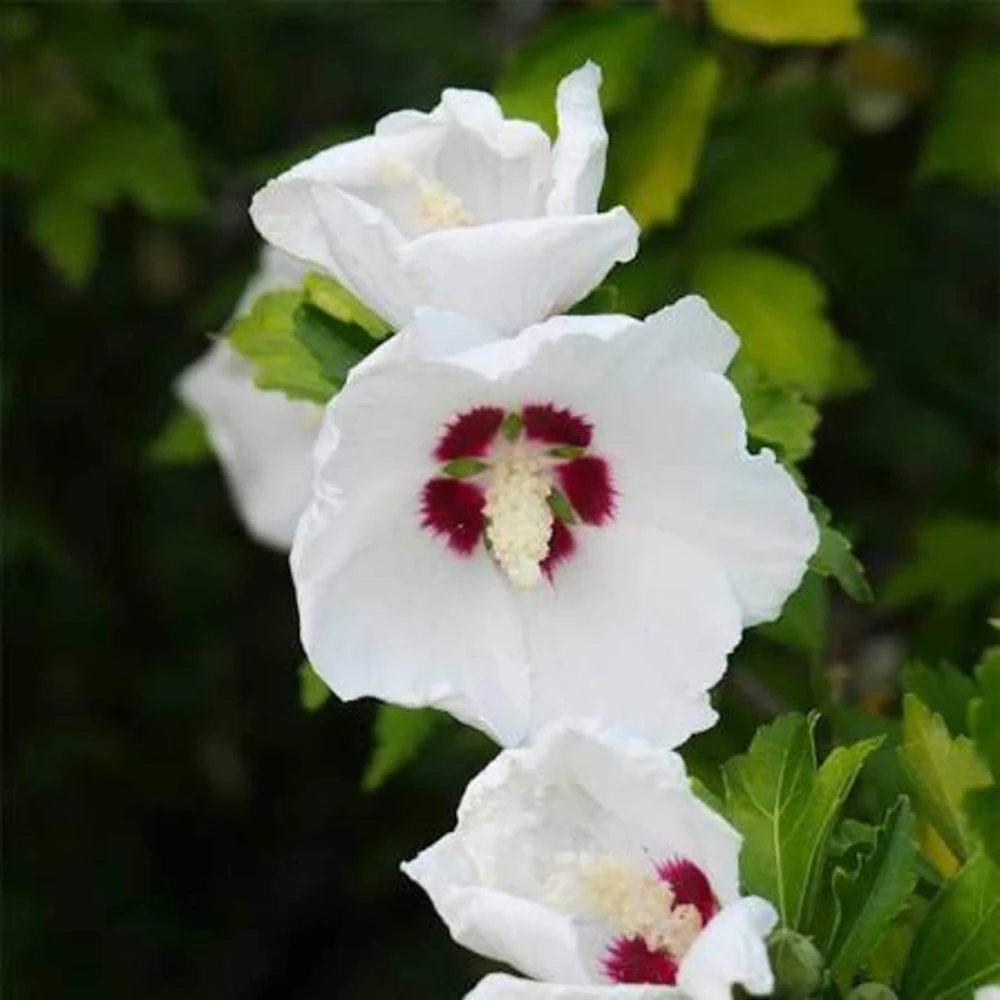
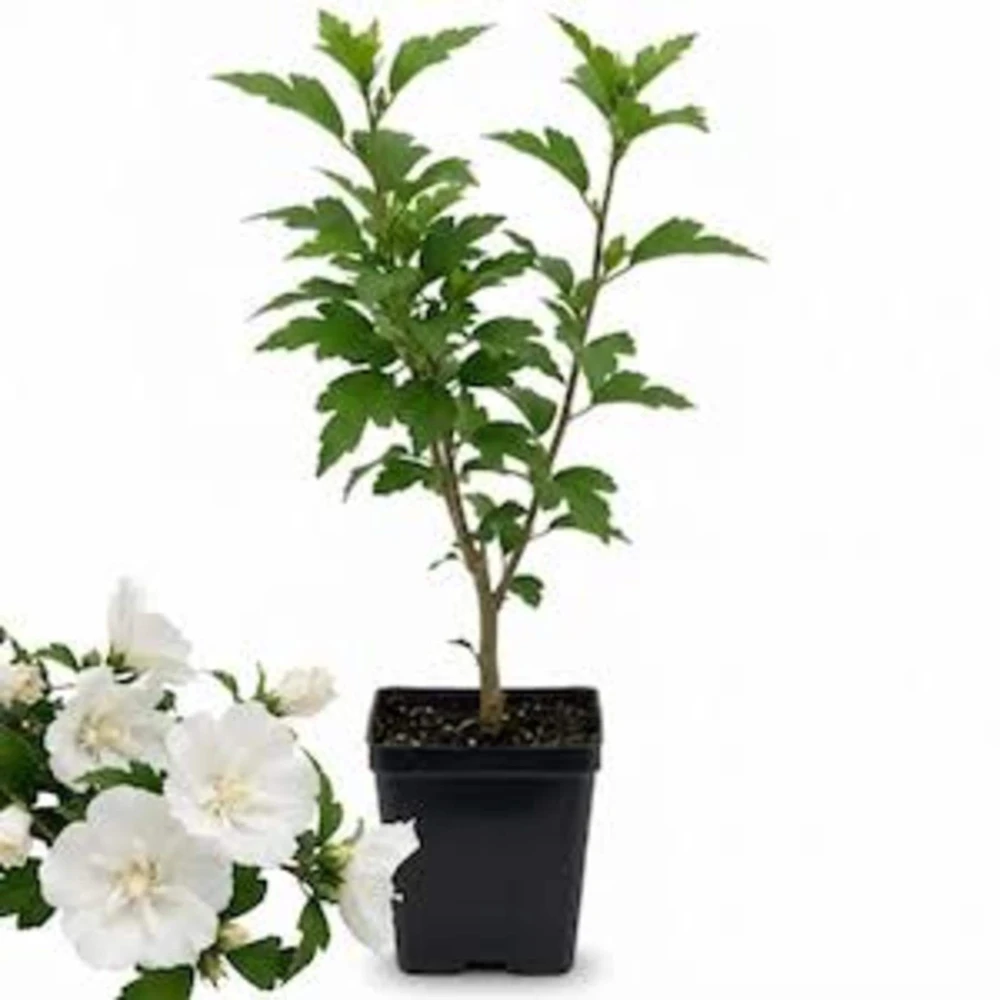
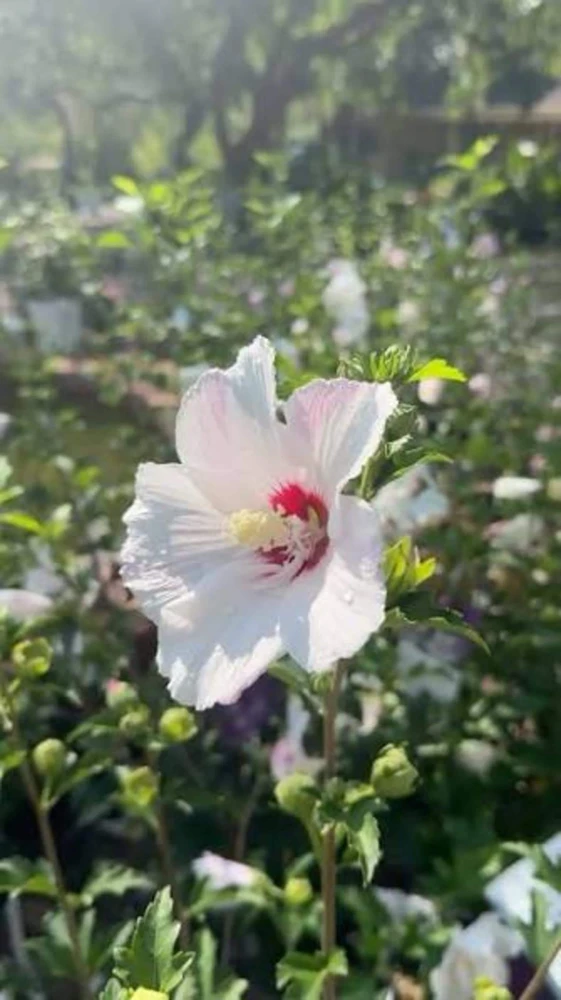
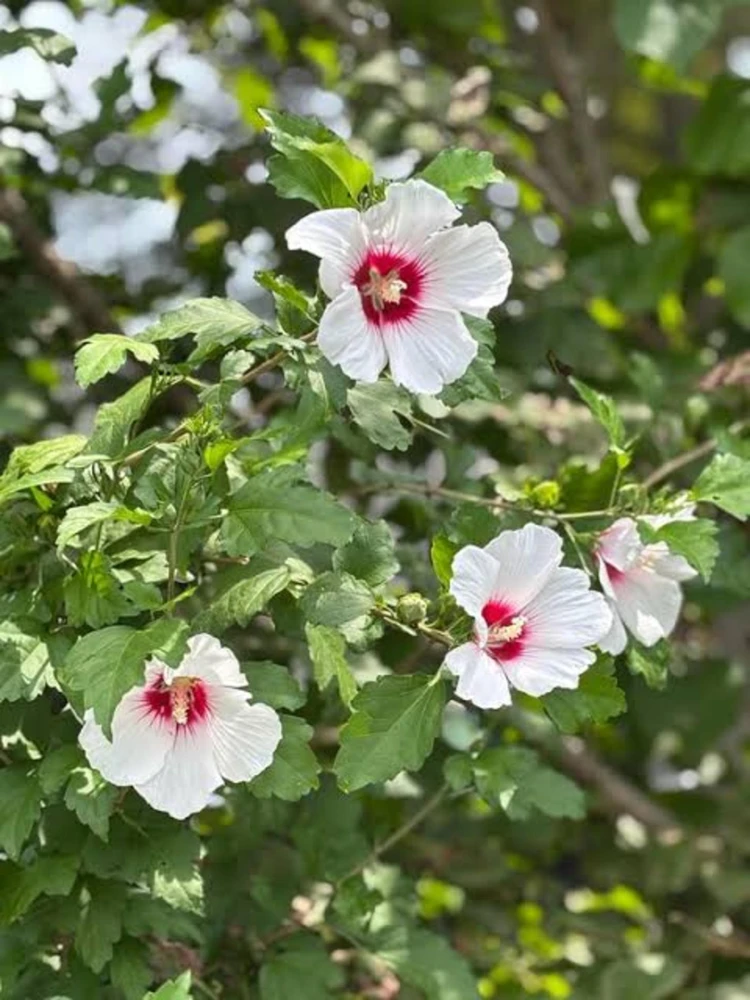
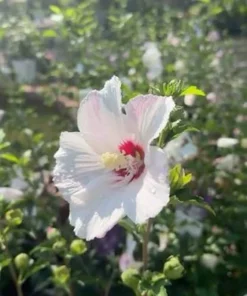
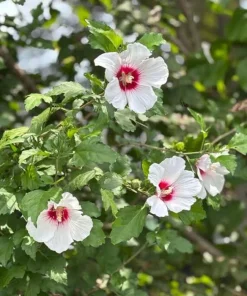
Enhance your landscape with a beautiful white rose of sharon live plant. This hardy hibiscus syriacus shrub produces abundant pristine white flowers from mid-summer through autumn, attracting pollinators and adding elegant charm to any garden. Shipped as a well-rooted, 12-24 inch potted starter plant, it’s ready for a smooth transition into your outdoor space.
Estimated arrival
Oct 10
Oct 15 - Oct 17
Oct 20 - Oct 24
Shop With Confidence
30-Day Plant Health Guarantee
Arrives damaged? We’ll replace it free — see our return policy.
Responsive Support
Email us anytime, we reply within 1 business day.
Expert Packaging
Temperature-controlled shipping to protect your plants in transit.
Secure Checkout
Pay safely with Visa, Mastercard, PayPal.
Plant Specifications
-
USDA Hardiness Zone
USDA Zones 5-9 -
Soil Type
Well-draining, loamy soil -
Sunlight Exposure
Full sun to partial shade -
Expected Planting Period
Spring to early fall
Overview
Transform your garden into a serene oasis with the stunning white rose of sharon live plant. Also known by its botanical name, Hibiscus syriacus, this deciduous shrub is celebrated for its elegant, pristine white blossoms that bring a touch of tropical beauty to temperate climates. Unlike many other flowering shrubs, the Rose of Sharon offers a prolonged blooming season, showering your garden with flowers from mid-summer well into autumn. This particular variety provides a clean, classic aesthetic, making it a versatile choice for various garden designs, from formal hedges to informal cottage gardens. Our healthy, well-rooted starter plant is carefully grown in a pot, ensuring its established root system is ready for a seamless transition into your landscape or a larger patio container. Discover the joy of cultivating this resilient and beautiful hibiscus syriacus shrub.
Key Benefits
The white rose of sharon live plant offers numerous advantages for both novice and experienced gardeners, making it a highly desirable addition to any outdoor space. Its robust nature combined with its striking beauty ensures lasting appeal and minimal fuss.
- Extended Bloom Season: Enjoy a continuous display of large, pristine white flowers from mid-summer all the way through autumn, providing color when many other plants have faded. This extended bloom period ensures your garden remains vibrant and inviting for months.
- Attracts Pollinators: The abundant flowers are a magnet for beneficial garden visitors, including hummingbirds, butterflies, and bumblebees. By planting this hardy hibiscus plant, you contribute to local ecosystems and enjoy the lively activity of pollinators.
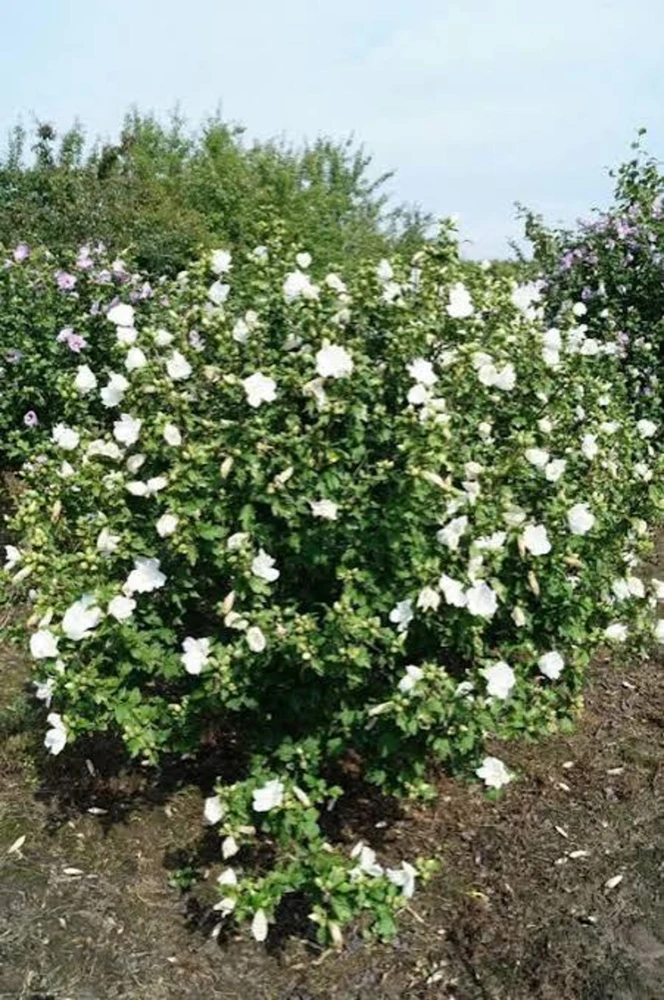
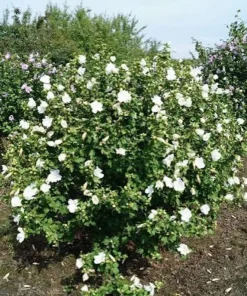
- Versatile Landscaping: Whether you desire a tall privacy screen, a striking specimen plant, or a foundation planting, the Rose of Sharon adapts beautifully. Its upright growth habit and ability to be pruned make it suitable for various garden roles.
- Low Maintenance & Hardy: This shrub is remarkably easy to care for, thriving in a range of conditions and requiring minimal attention once established. It’s known for its resilience, making it an excellent choice for busy gardeners or those new to planting.
- Drought and Heat Tolerant: Once established, the white rose of sharon live plant can withstand periods of drought and high temperatures, making it a reliable performer in many climates, especially in USDA Zones 5-9.
- Deer Resistant: Generally, deer tend to leave Rose of Sharon plants alone, which is a significant advantage for gardeners in areas with deer populations.
- Elegant Aesthetic: The pure white flowers provide a sophisticated and clean look, complementing any garden color scheme and adding a touch of classic elegance.
Plant Care & Growing Tips
Caring for your white rose of sharon live plant is straightforward, ensuring a bountiful display of flowers with minimal effort. Understanding its basic needs will help your hibiscus syriacus shrub thrive and become a long-lasting feature in your garden. This hardy hibiscus plant is quite adaptable, but optimal conditions will lead to the most spectacular blooms.
For sunlight, the Rose of Sharon performs best in full sun, meaning at least 6 hours of direct sunlight per day. While it can tolerate partial shade, full sun exposure will result in the most prolific flowering. When it comes to watering, keep the soil consistently moist but not waterlogged, especially during its establishment period. Once mature, it becomes more drought-tolerant, but regular watering during dry spells will encourage better blooming. Ensure your plant is in well-draining soil; a rich, loamy soil with good organic content is ideal. The rose of sharon care involves ensuring proper drainage to prevent root rot. This shrub is hardy in USDA Zones 5 through 9, making it suitable for a wide range of climates. It tolerates both cold winters and hot summers.
Fertilize your Rose of Sharon in early spring with a balanced, slow-release granular fertilizer formulated for flowering shrubs. Avoid over-fertilizing, which can promote foliage growth at the expense of flowers. Pruning is best done in late winter or early spring before new growth begins. You can prune to maintain size and shape, remove dead or crossing branches, or to encourage a bushier habit. The white flowering shrub can grow quite large, so pruning helps keep it manageable. Common problems are few, but watch for aphids or whiteflies, which can usually be controlled with insecticidal soap. Proper air circulation and avoiding overhead watering can help prevent fungal issues. Following these simple steps will ensure your white rose of sharon live plant remains healthy and vibrant.
Size & Details
This offering is for one healthy, well-rooted white rose of sharon live plant, measuring between 12 to 24 inches tall at the time of shipment (measured from the base of the stem). It arrives carefully cultivated in a nursery pot with an established root system and soil, making it ready for immediate planting upon arrival. While the plant is compact upon delivery, the hibiscus syriacus shrub has a robust growth habit and can reach a mature size of 8 to 12 feet tall and 4 to 6 feet wide if left unpruned. Its moderate to fast growth rate means you can expect it to fill out your garden space within a few seasons.
The plant is shipped in a container, ensuring minimal transplant shock and a smooth transition into your garden. Expect the first blooms to appear in its initial growing season, with an increasing abundance of the beautiful white flowering shrub as it matures. The established root system is key to its successful integration into your landscape, providing a strong foundation for future growth and blooming. This hardy hibiscus plant is a long-lived addition to any garden.
Frequently Asked Questions
- Q: How big does this White Rose of Sharon plant get? A: This white rose of sharon live plant is shipped as a 12-24 inch starter. With proper rose of sharon care, it can grow to a mature height of 8-12 feet tall and 4-6 feet wide, though it tolerates pruning to maintain a smaller size.
- Q: Is this an indoor or outdoor plant? A: The hibiscus syriacus shrub is primarily an outdoor plant, hardy in USDA Zones 5-9. It thrives in garden beds and large outdoor containers, providing a beautiful white flowering shrub for your landscape.
- Q: How much sunlight does it need? A: For the best blooming performance, this hardy hibiscus plant requires full sun, meaning at least 6 hours of direct sunlight per day. It can tolerate partial shade, but flowering may be reduced.
- Q: Is this plant easy to care for? A: Yes, the Rose of Sharon is known for its low maintenance and hardiness. Once established, it is quite resilient and tolerant of various conditions, making rose of sharon care relatively simple for gardeners of all experience levels.
- Q: What condition will the plant arrive in? A: Your white rose of sharon live plant will arrive as a healthy, well-rooted starter plant in a pot with established soil and roots, ready for planting. Some minor stress from shipping is normal, but it will quickly recover.
- Q: When is the best time to plant this shrub? A: The best time to plant your potted hibiscus syriacus shrub is in spring or early fall, allowing it ample time to establish its root system before extreme weather. However, potted plants can be planted throughout the growing season.
- Q: Does this shrub attract pollinators? A: Absolutely! The large, showy flowers of this white flowering shrub are highly attractive to hummingbirds, butterflies, and bumblebees, making it a wonderful addition to a pollinator garden.
- Q: Can I prune the Rose of Sharon to keep it smaller? A: Yes, the white rose of sharon live plant responds very well to pruning. You can prune it in late winter or early spring to control its size, shape, and encourage more blooms.
- Q: What kind of soil does it prefer? A: This hardy hibiscus plant thrives in well-draining soil, ideally rich and loamy with good organic matter. Good drainage is crucial to prevent root issues.
- Q: Will it survive winter in my zone? A: If you are within USDA Hardiness Zones 5-9, your Rose of Sharon is very cold hardy and will survive winter. In colder zones, it may require some winter protection.
Be the first to review “White Rose of Sharon Live Plant – Hibiscus Syriacus Shrub – 12-24in Potted”
People Also Viewed

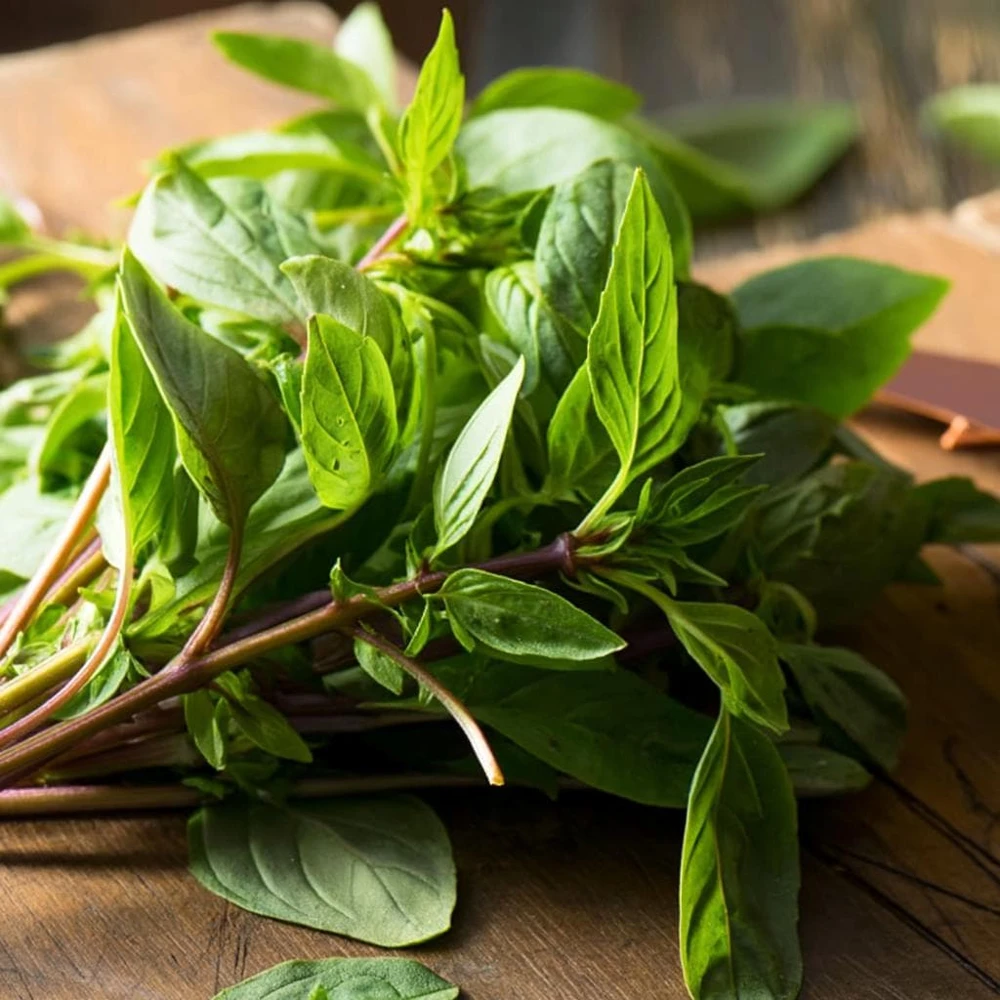
Herb Seeds
Thai Basil Seeds – Heirloom Aromatic Culinary Herb, 250 Seed Packet, for Culinary Gardens
Reviews
There are no reviews yet.