
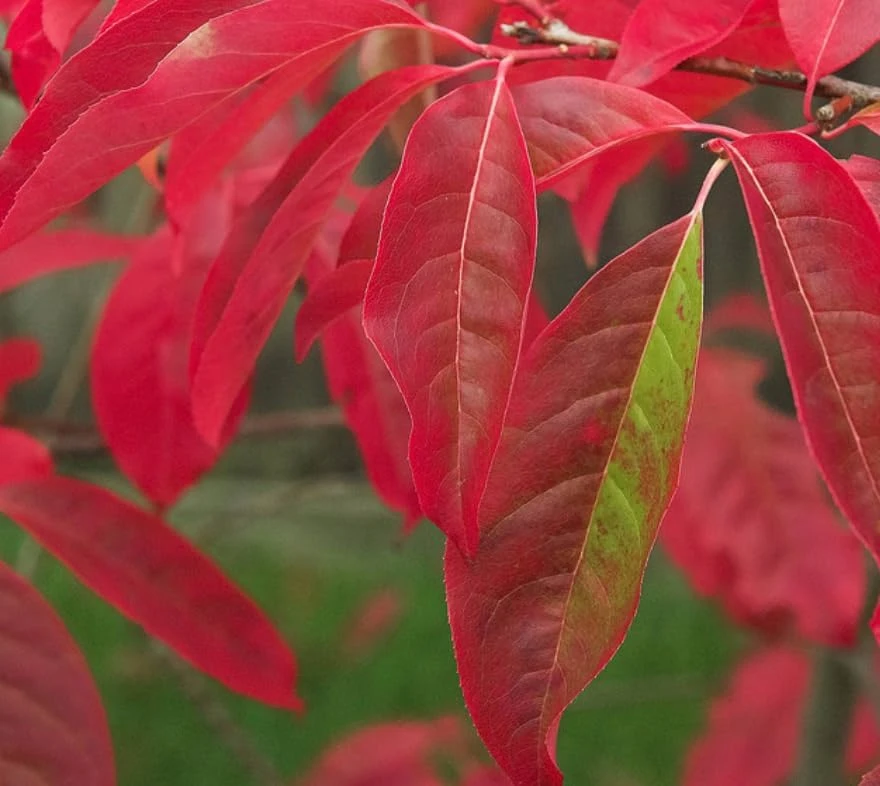
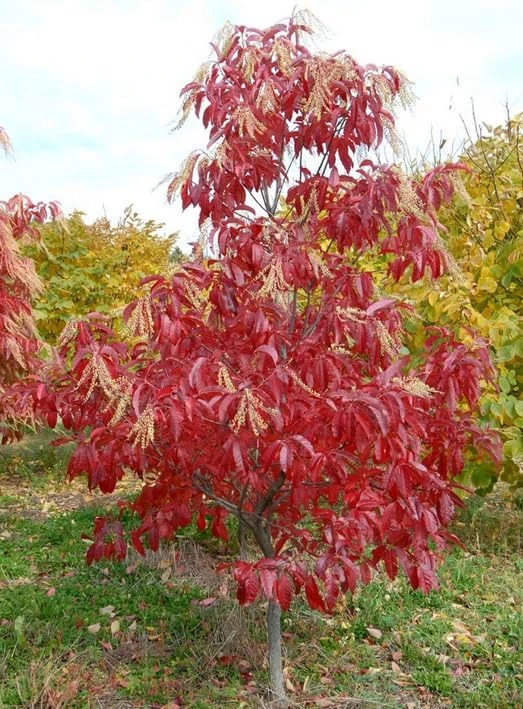
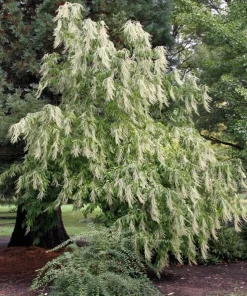
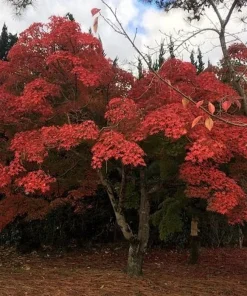
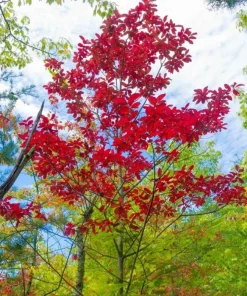
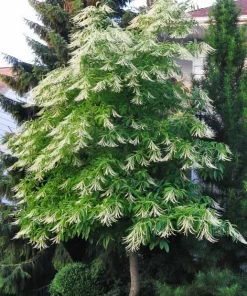
Sourwood Tree Live Plant – 8-16″ Tall, Quart Pot – Oxydendrum arboreum
Original price was: $45.98.$29.99Current price is: $29.99.
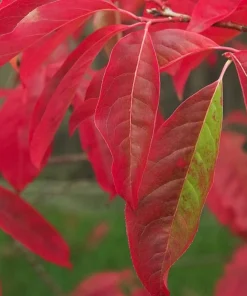
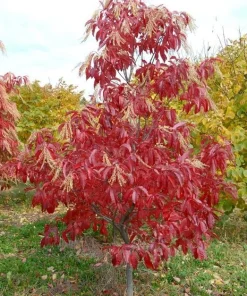
Bring year-round beauty to your landscape with this sourwood tree live plant. Standing 8-16 inches tall in a quart pot, this Oxydendrum arboreum care is surprisingly easy. Enjoy its fragrant summer blooms and stunning sourwood tree fall color, making it a perfect native sourwood tree addition to any garden.
Estimated arrival
Oct 14
Oct 19 - Oct 21
Oct 24 - Oct 28
Shop With Confidence
30-Day Plant Health Guarantee
Arrives damaged? We’ll replace it free — see our return policy.
Responsive Support
Email us anytime, we reply within 1 business day.
Expert Packaging
Temperature-controlled shipping to protect your plants in transit.
Secure Checkout
Pay safely with Visa, Mastercard, PayPal.
Plant Specifications
-
USDA Hardiness Zone
USDA Zones 5-9 -
Soil Type
Well-draining, acidic soil -
Sunlight Exposure
Full sun to partial shade -
Expected Planting Period
Spring or Fall
Overview
Transform your garden with the captivating beauty of a sourwood tree live plant. This exquisite specimen, botanically known as Oxydendrum arboreum, is a true American native treasure, offering an ever-changing display of seasonal interest. Each sourwood flowering seedling is approximately 10 to 16 inches tall and arrives healthy in a quart pot, ready to establish itself in your landscape. Renowned for its spectacular visual appeal, the sourwood tree is an underrated gem that provides dramatic flair throughout the year, making it a focal point in any garden design.
The sourwood tree live plant is a deciduous ornamental that promises to enchant with its unique characteristics. From its elegant form to its vibrant foliage and delicate blooms, this tree offers a wealth of benefits for both the gardener and local ecosystem. Its adaptability and resilience make it an excellent choice for a variety of growing conditions, ensuring a rewarding experience for both novice and experienced gardeners seeking a touch of natural elegance.
Key Benefits
The sourwood tree live plant offers a multitude of advantages, enhancing your outdoor space with its dynamic features and ecological value:
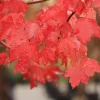
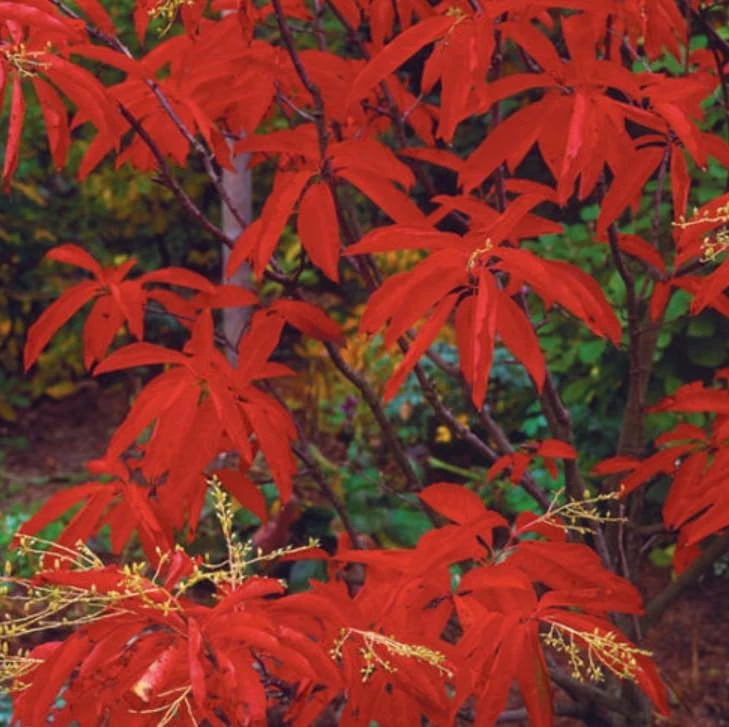
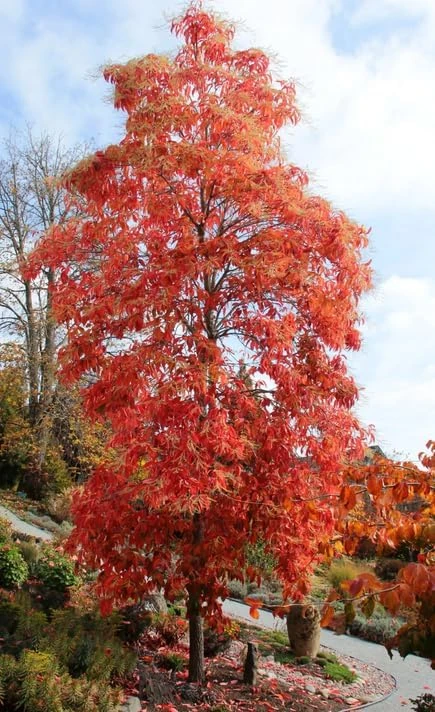
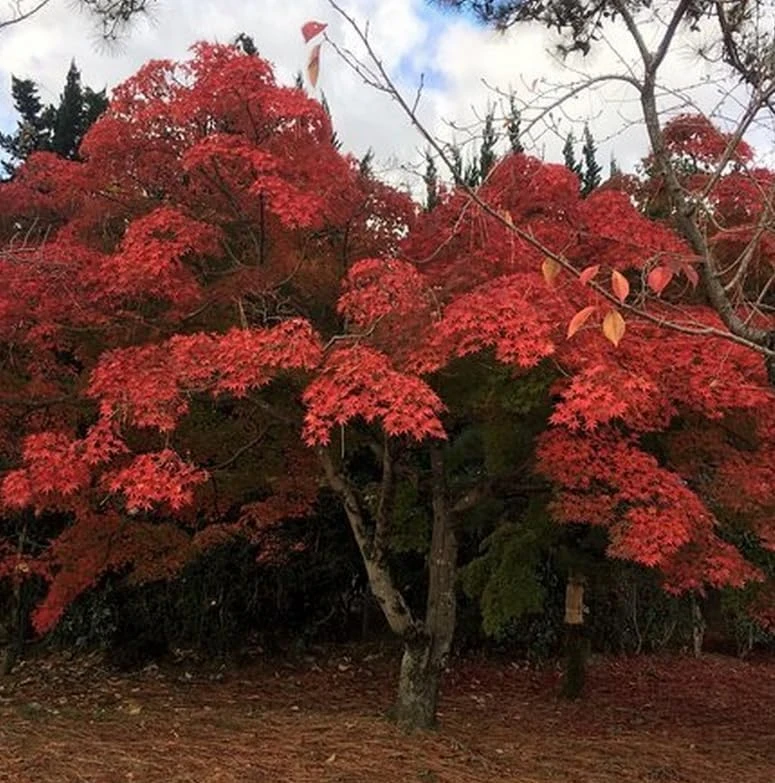
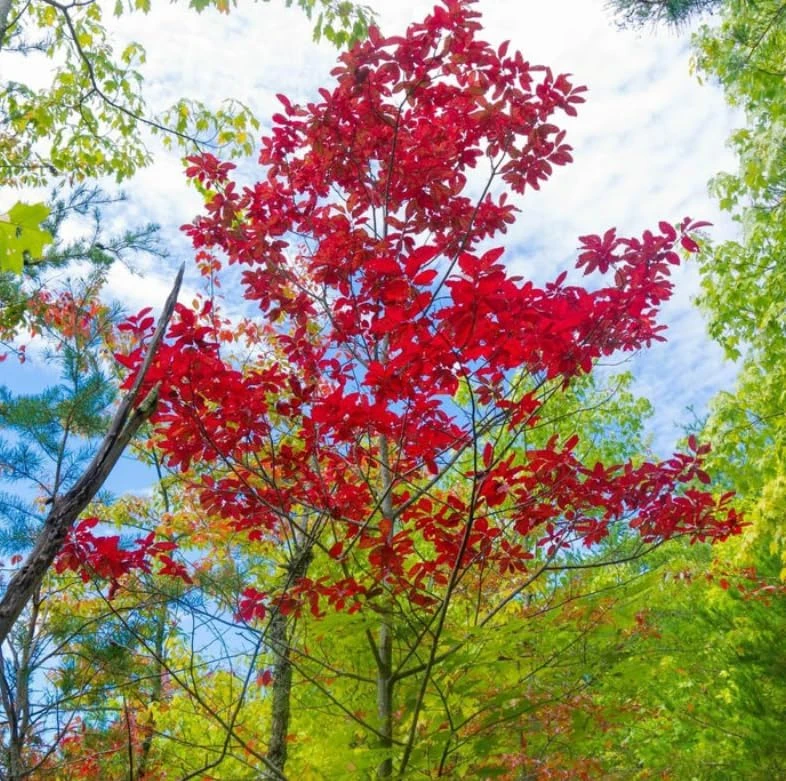
- Spectacular Fall Color: Witness one of nature’s most dramatic transformations as the glossy green leaves of your sourwood tree live plant burst into brilliant shades of crimson, orange, and deep purple. This fiery display rivals the beauty of maples and is a true showstopper, creating unforgettable autumn scenery.
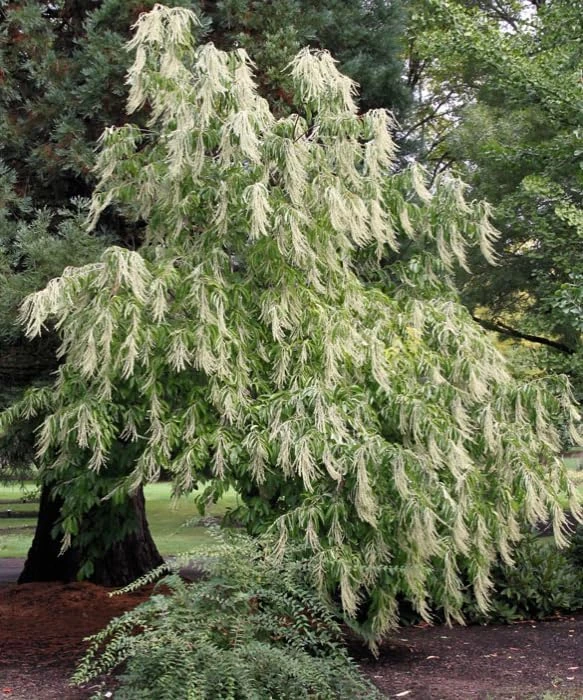
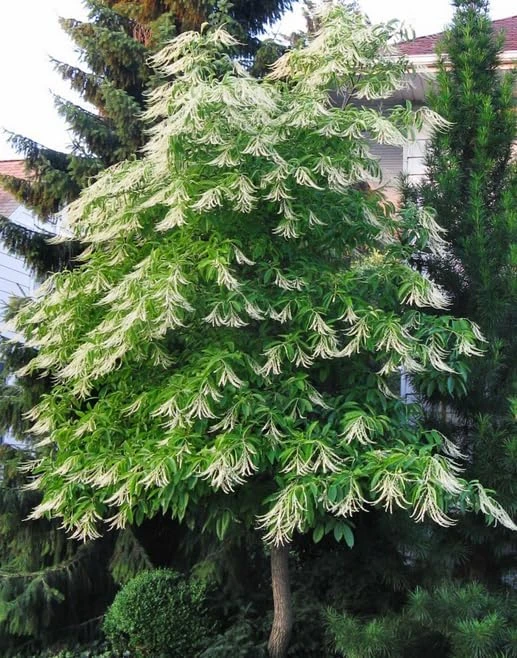
- Fragrant Summer Blooms: Enjoy cascading sprays of delicate, bell-shaped white flowers during the summer months. Resembling lily-of-the-valley, these fragrant blooms not only fill your garden with a sweet aroma but also attract a vibrant array of pollinators, including butterflies and hummingbirds, fostering a lively ecosystem.
- Native American Beauty: As a native sourwood tree, Oxydendrum arboreum is perfectly adapted to the local climate. It thrives naturally, requiring less intervention than many exotic species, and provides authentic habitat value, supporting local wildlife and contributing to biodiversity.
- Architectural Winter Interest: Even after its leaves have fallen, the sourwood tree continues to impress. Its elegant branching patterns and distinctive seed clusters add architectural beauty and visual interest to your winter landscape, ensuring year-round appeal.
- Manageable Mature Size: With a mature height typically ranging from 20 to 30 feet, the sourwood tree is an ideal size for many residential landscapes. It offers significant impact without overwhelming smaller yards or encroaching on neighboring properties, making it a versatile choice for various garden designs.
- Pollinator Magnet: The abundant, nectar-rich flowers are a significant draw for bees, butterflies, and other beneficial insects, making it an excellent choice for supporting local pollinator populations and contributing to a healthy garden environment.
- Low Maintenance: Once established, this sourwood flowering seedling is relatively low-maintenance, requiring minimal care to thrive. Its natural resilience and adaptability make it a rewarding addition for gardeners seeking beauty without constant effort.
Plant Care & Growing Tips
Caring for your sourwood tree live plant is straightforward, ensuring years of beauty and enjoyment. This native species is quite adaptable but performs best when its specific needs are met. Proper oxydendrum arboreum care involves attention to sunlight, soil, water, and occasional feeding.
For optimal growth, the sourwood tree prefers a location with full sun to partial shade. Full sun (at least 6 hours of direct sunlight daily) will encourage the most vibrant fall color and abundant blooms. In hotter climates, some afternoon shade can be beneficial to protect the foliage from scorching. When planting, ensure the soil is well-draining and acidic, with a pH between 4.5 and 6.0. Amending heavy clay soils with organic matter like compost or pine bark can improve drainage and acidity. Water regularly during the first growing season to help the tree establish a strong root system. Once established, it is moderately drought-tolerant but will benefit from supplemental watering during prolonged dry spells, especially in summer. Avoid overwatering, as sourwood trees do not tolerate soggy conditions.
The sourwood tree live plant is hardy in USDA Zones 5-9, tolerating a wide range of temperatures. Fertilization is generally not necessary in rich, acidic soils. However, if your soil is poor, a slow-release, acid-loving plant fertilizer can be applied in early spring. Look for fertilizers formulated for rhododendrons or azaleas. Pruning is typically minimal, mainly for removing dead, damaged, or crossing branches to maintain a healthy structure. Pests and diseases are generally not significant issues for the sourwood tree, making native sourwood tree an excellent, low-fuss choice. Watch out for common garden pests and address them with organic solutions if they appear. Understanding sourwood tree fall color development will help you appreciate its seasonal changes; sufficient sunlight exposure is key to maximizing this display.
Size & Details
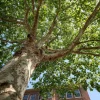
This offering is for one sourwood tree live plant, which will arrive approximately 8 to 16 inches tall. Each plant is carefully nurtured and shipped in a quart-sized nursery pot, providing a robust root system ready for successful transplanting. The Oxydendrum arboreum is a moderate-growing tree, typically adding 12-18 inches in height per year under ideal conditions. At maturity, it can reach an impressive height of 20-30 feet with a spread of 15-20 feet, forming an elegant, somewhat pyramidal to oval crown. This size makes it an excellent specimen tree for residential landscapes, providing shade and ornamental value without becoming overly dominant.
The sourwood flowering seedling will begin to produce its characteristic white, bell-shaped flowers in the summer months once it reaches a certain level of maturity, usually within a few years after planting. Its stunning sourwood tree fall color intensifies with age and proper sun exposure. When you receive your plant, especially if ordering during cooler months (October to May), it may be in its natural dormant state, meaning it will arrive without leaves. This is a normal and healthy part of its life cycle and ensures successful establishment once planted in its new location.
Frequently Asked Questions
- Q: How big does this sourwood tree live plant get? A: This sourwood tree live plant can reach a mature height of 20-30 feet with a spread of 15-20 feet. It’s considered a medium-sized tree, perfect for many residential gardens.
- Q: What size pot does the sourwood flowering seedling come in? A: Each sourwood flowering seedling is shipped in a quart-sized nursery pot, ensuring a healthy root ball for successful planting.
- Q: Is this an indoor or outdoor plant? A: The sourwood tree live plant (Oxydendrum arboreum) is an outdoor tree, best suited for planting directly in the ground where it can reach its full potential.
- Q: How much sunlight does the sourwood tree need? A: For the best growth and most vibrant sourwood tree fall color, it prefers full sun (at least 6 hours of direct sunlight daily). It can tolerate partial shade, especially in hotter climates.
- Q: Is this plant easy to care for? A: Yes, oxydendrum arboreum care is relatively easy. Once established, it is quite low-maintenance, requiring well-draining, acidic soil and moderate watering.
- Q: What condition will it arrive in? A: Your sourwood tree live plant will arrive approximately 10-16 inches tall in a quart pot. If ordered between October and May, it may be dormant and leafless, which is normal for its health and successful transplanting.
- Q: How long until my sourwood tree blooms? A: Your sourwood flowering seedling will typically begin to produce its fragrant summer blooms within a few years of planting, once it has established itself.
- Q: Will it survive winter in my zone? A: The native sourwood tree is hardy in USDA Zones 5-9, meaning it can tolerate winter temperatures within this range. Check your local USDA zone for compatibility.
- Q: What type of soil does a sourwood tree prefer? A: Sourwood trees thrive in well-draining, acidic soil. Amending with compost or pine bark can help achieve the ideal conditions.
- Q: Is the sourwood tree good for pollinators? A: Absolutely! The fragrant summer flowers of the sourwood tree live plant are a magnet for bees, butterflies, and other beneficial pollinators, making it an excellent choice for supporting local wildlife.
Be the first to review “Sourwood Tree Live Plant – 8-16″ Tall, Quart Pot – Oxydendrum arboreum”
People Also Viewed
Reviews
There are no reviews yet.