
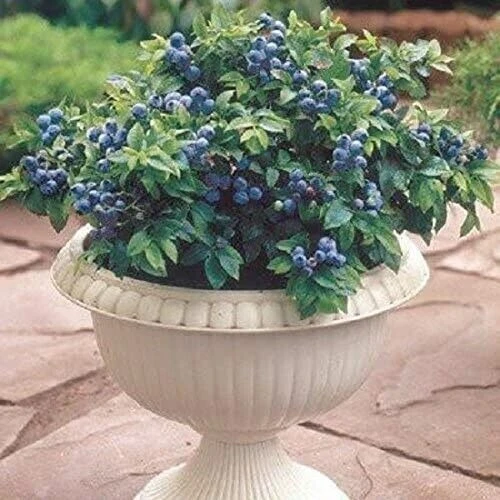
50 Dwarf Bonsai Blueberry Seeds – Mini Edible Bush Tree Seeds
Original price was: $49.99.$24.99Current price is: $24.99.
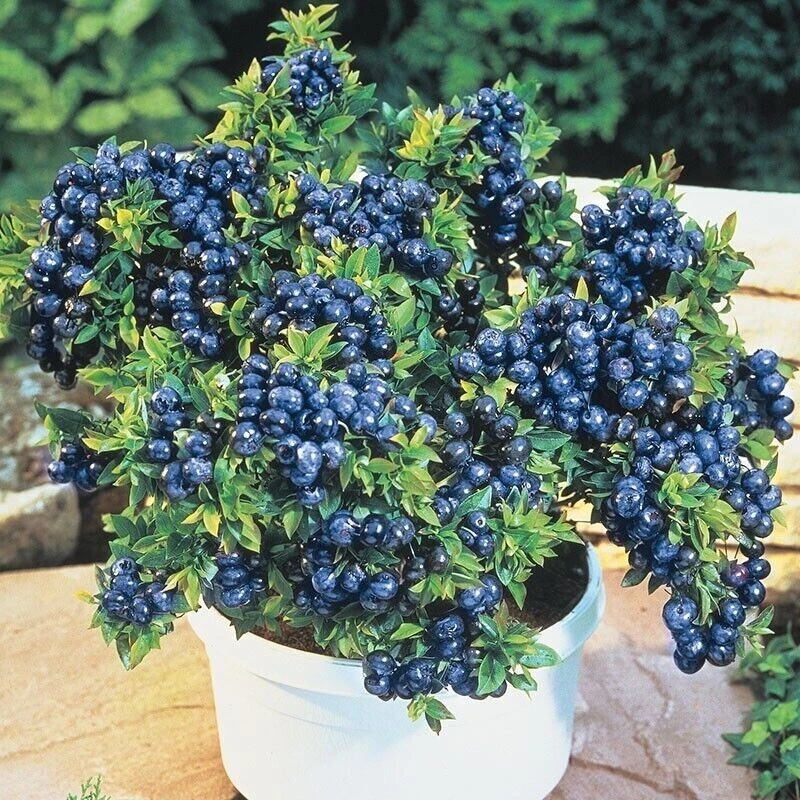
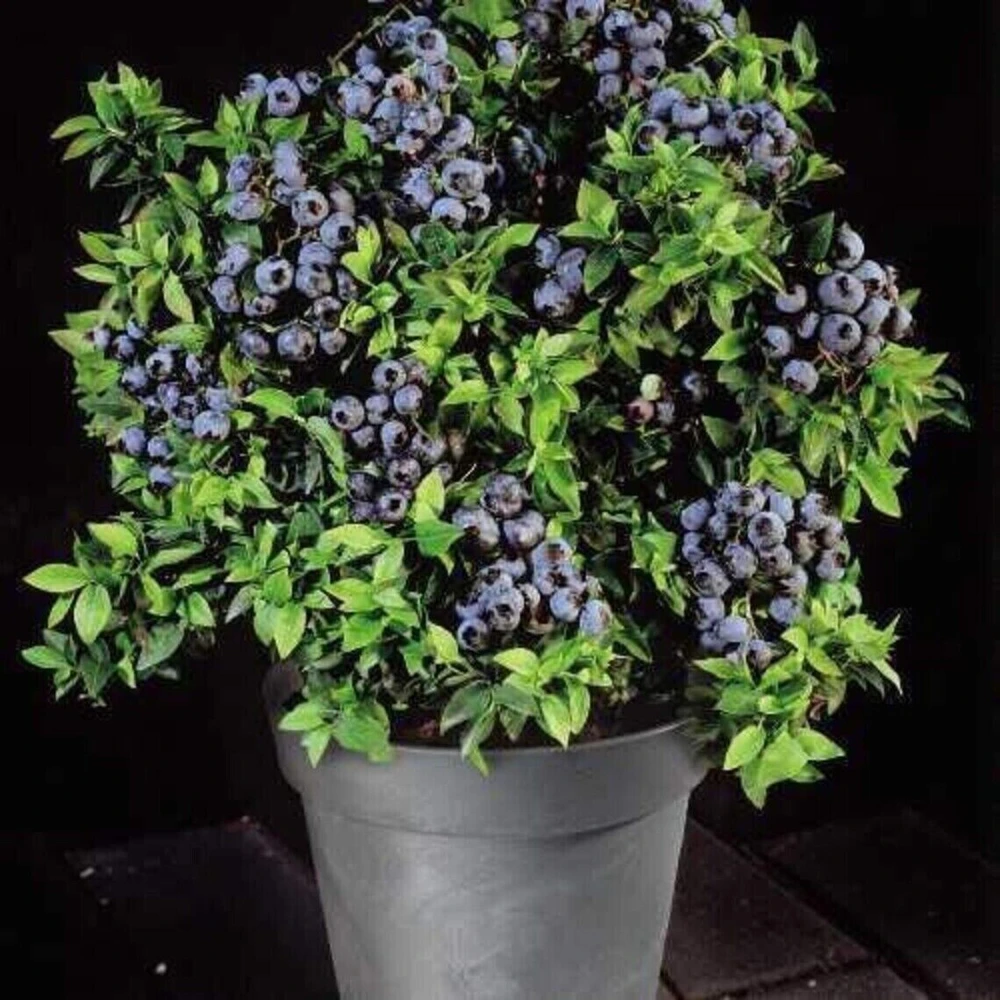
Cultivate charming and productive dwarf bonsai blueberry seeds! This pack of 50 seeds allows you to grow compact, edible blueberry bush trees, perfect for small spaces or unique ornamental gardening. Enjoy fresh berries from your very own mini blueberry tree.
Estimated arrival
Oct 27
Nov 01 - Nov 03
Nov 06 - Nov 10
Shop With Confidence
30-Day Plant Health Guarantee
Arrives damaged? We’ll replace it free — see our return policy.
Responsive Support
Email us anytime, we reply within 1 business day.
Expert Packaging
Temperature-controlled shipping to protect your plants in transit.
Secure Checkout
Pay safely with Visa, Mastercard, PayPal.
Plant Specifications
-
USDA Hardiness Zone
USDA zones 4-8 (with winter protection in colder zones for potted plants) -
Soil Type
Acidic, well-draining soil (pH 4.5-5.5) -
Sunlight Exposure
Full sun (6-8 hours direct light daily) -
Expected Planting Period
Spring to early summer indoors, or after last frost outdoors
Overview
Embark on a rewarding gardening journey with our premium pack of dwarf bonsai blueberry seeds. These specially selected seeds are perfect for cultivating miniature blueberry bush trees that are not only aesthetically pleasing but also bear delicious, edible fruit. Imagine harvesting fresh, sweet blueberries from your own compact, beautifully shaped plant. Ideal for enthusiasts of bonsai or those with limited space, these seeds offer a unique opportunity to combine ornamental gardening with practical fruit production. Each seed holds the potential to grow into a charming mini blueberry tree, bringing both beauty and bounty to your home or garden. Whether you’re an experienced gardener or just starting out, growing these dwarf blueberries from seed is a fulfilling project.
Blueberries (Vaccinium spp.) are renowned for their health benefits and delightful flavor. Our dwarf variety is specifically chosen for its suitability for bonsai cultivation, meaning it maintains a smaller, more manageable size while still producing fruit. These edible bonsai seeds provide a sustainable way to enjoy organic blueberries, right from your windowsill, patio, or small garden plot. They are a fantastic addition to any collection of edible plants and offer a unique twist on traditional fruit growing.
Key Benefits
Growing dwarf bonsai blueberry seeds offers a multitude of advantages for both seasoned gardeners and beginners alike. These compact plants are not only a joy to cultivate but also provide tangible rewards:
- Delicious Edible Fruit: Enjoy a steady supply of fresh, antioxidant-rich blueberries directly from your own plant. These berries are perfect for snacks, desserts, or adding to your morning cereal, offering a truly farm-to-table experience with your mini blueberry tree.
- Space-Saving Design: The dwarf nature of these blueberries makes them ideal for small gardens, patios, balconies, or even indoor cultivation. They don’t require vast expanses of land, making fresh blueberry cultivation accessible to urban gardeners.
- Unique Ornamental Appeal: Beyond their fruit, these blueberry bushes can be trained into beautiful bonsai forms, adding a distinctive and elegant touch to your home decor or garden landscape. The delicate foliage and seasonal berries create a captivating display.
- Rewarding Growing Experience: Cultivating plants from seed provides immense satisfaction as you watch your efforts transform into a thriving, fruit-bearing plant. It’s an educational and engaging hobby for all ages.
- Health Benefits: Blueberries are celebrated as a superfood, packed with vitamins, minerals, and antioxidants. Having your own source means you can enjoy these health benefits fresh whenever you desire.
- Versatile Planting Options: These blueberry bush seeds can be started indoors and then transferred to containers or suitable outdoor spots, offering flexibility in your gardening approach. They adapt well to various growing environments.
Plant Care & Growing Tips
Successfully growing dwarf bonsai blueberry seeds requires attention to specific environmental conditions, particularly regarding soil and sunlight. Blueberries thrive in acidic soil, with a pH range of 4.5 to 5.5. It’s crucial to prepare your planting medium accordingly; a mix of peat moss, pine bark, and perlite can provide the necessary acidity and excellent drainage. For indoor growing, consider using a specialized acidic potting mix. When starting your edible bonsai seeds, sow them shallowly in a seed-starting tray, barely covering them with a thin layer of soil. Keep the soil consistently moist but never waterlogged, as poor drainage can lead to root rot.
Sunlight is another critical factor for your mini blueberry tree. Blueberries require at least 6-8 hours of direct sunlight per day to produce abundant fruit. If growing indoors, place your planter near a south-facing window or supplement with a grow light to ensure adequate light exposure. Outdoor plants should be situated in a sunny spot. Watering should be consistent, especially during dry periods and when the plant is fruiting. Use rainwater or distilled water if your tap water is alkaline, as this can negatively impact soil pH. Fertilize sparingly with an acidic fertilizer formulated for blueberries, typically in early spring and again after fruiting, following product instructions carefully to avoid over-fertilization.
Pruning is essential for maintaining the bonsai form and encouraging fruit production. Begin shaping your blueberry bush seeds as they grow, removing weak or crossing branches. Dwarf blueberries are generally hardy in USDA zones 4-8, but protection may be needed in colder climates, especially for potted plants. Watch out for common pests like birds (who love blueberries!) and implement netting if necessary. With proper care, your dwarf blueberry plants will reward you with years of beautiful foliage and delicious berries.
Size & Details
This package contains 50 dwarf bonsai blueberry seeds, providing ample opportunity to cultivate multiple plants. When mature, these dwarf blueberry bushes typically reach a height of 1-3 feet (30-90 cm) with a similar spread, making them perfect for mini planters, containers, or small garden beds. The compact size is ideal for training into various bonsai styles, showcasing their attractive foliage and small, sweet berries. Each seed is fresh and ready for planting, offering a high germination rate when proper conditions are met. Expect the first fruits to appear within 2-3 years, depending on growing conditions and care.
These blueberry bush seeds are shipped in a protective packet to ensure their viability upon arrival. The growth rate is moderate, allowing for careful shaping and cultivation. With consistent pruning and care, you can maintain your desired bonsai form and enjoy perennial fruit production. The plants are deciduous, meaning they will lose their leaves in the fall, often displaying beautiful autumn colors before entering dormancy, and then leaf out again in the spring.
Frequently Asked Questions
- Q: How big does this plant get? A: When grown from our dwarf bonsai blueberry seeds, these plants typically reach a mature height of 1-3 feet (30-90 cm). Their compact size makes them ideal for small spaces and bonsai cultivation.
- Q: Is this an indoor or outdoor plant? A: These mini blueberry tree plants can be grown both indoors and outdoors, depending on your climate and available light. They thrive outdoors in full sun in USDA zones 4-8, but can also be grown indoors if provided with sufficient light, such as near a south-facing window or under grow lights.
- Q: How much sunlight does it need? A: For optimal growth and fruit production, your dwarf blueberry plant requires at least 6-8 hours of direct sunlight per day. If growing indoors, ensure it receives bright, direct light.
- Q: Is this plant easy to care for? A: While growing blueberries requires attention to specific conditions like acidic soil and consistent moisture, they are generally manageable for gardeners of all levels. Understanding their basic needs for light, water, and pH is key to success with your edible bonsai seeds.
- Q: What condition will the seeds arrive in? A: The dwarf bonsai blueberry seeds will arrive fresh and ready to plant, carefully packaged to ensure their viability and protection during transit.
- Q: How long until it produces fruit? A: Typically, dwarf blueberry plants grown from seed will begin producing fruit within 2-3 years after germination. Patience and consistent care will lead to a rewarding harvest.
- Q: What’s the best soil for these blueberry bush seeds? A: Blueberries require highly acidic soil with a pH between 4.5 and 5.5. A mix rich in peat moss, pine bark, and perlite is recommended to provide both acidity and excellent drainage.
- Q: Can I use regular potting soil for my mini blueberry tree? A: No, regular potting soil is usually not acidic enough for blueberries. You will need to amend it or use a specialized acidic potting mix to ensure the plant thrives and produces fruit.
- Q: How often should I water my dwarf blueberry plant? A: Keep the soil consistently moist but never waterlogged. The frequency will depend on factors like temperature, humidity, and pot size. Always check the soil moisture before watering.
- Q: What are the benefits of growing blueberry bonsai? A: Growing growing blueberry bonsai offers the unique combination of ornamental beauty, the satisfaction of cultivating a living art form, and the delicious reward of fresh, homegrown blueberries. It’s a truly enriching experience.
Be the first to review “50 Dwarf Bonsai Blueberry Seeds – Mini Edible Bush Tree Seeds”
People Also Viewed
Fruits
Brown Turkey Fig Tree Live Plant, 5-9″ Tall, Cold Hardy, Zone 7-9, Sweet Double Harvest Fruit
Flower Seeds
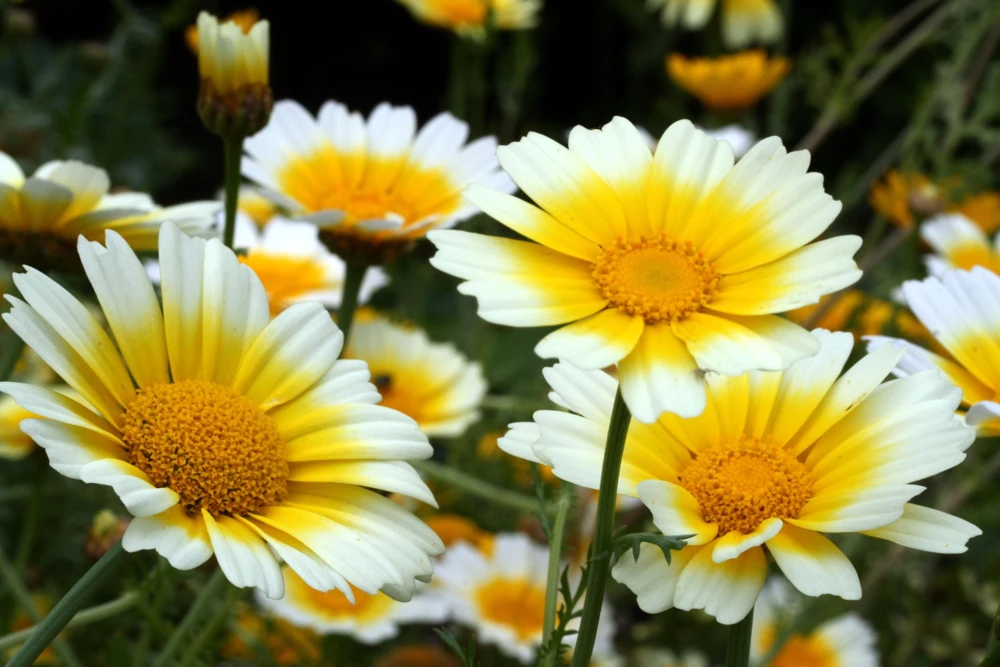
Garland Daisy Seeds – 1000 Chrysanthemum Coronarium Glebionis Seeds, White & Yellow Flowers
Houseplants
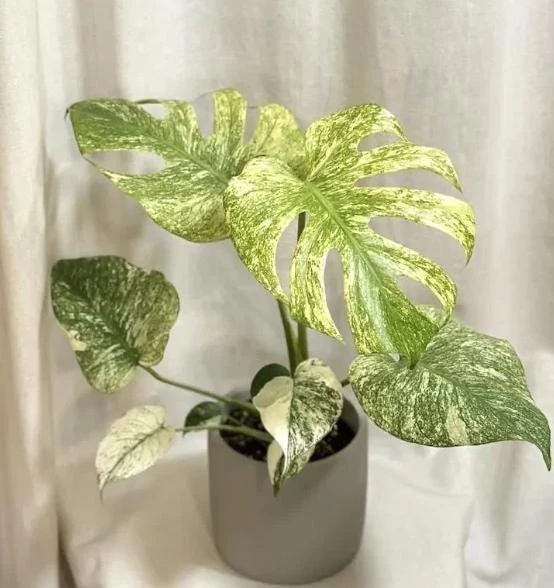
Mint Variegated Monstera Live Plant – Rare Tropical Houseplant – 4-6 Inches Tall – Indoor
Reviews
There are no reviews yet.