
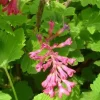
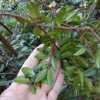
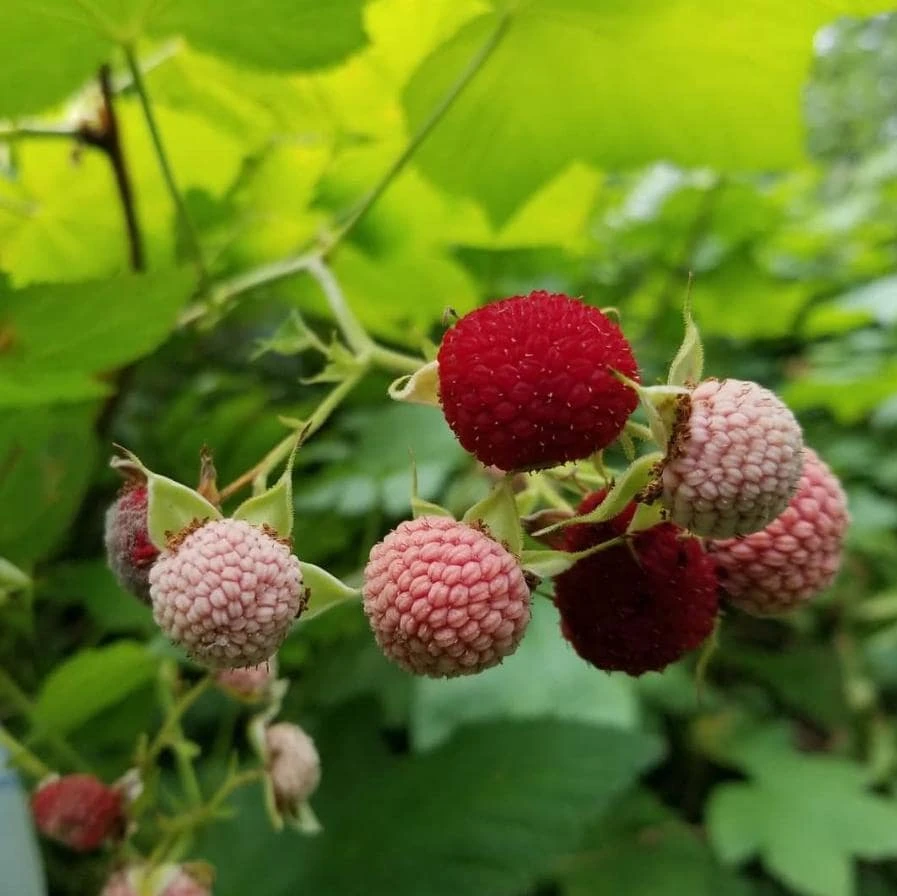
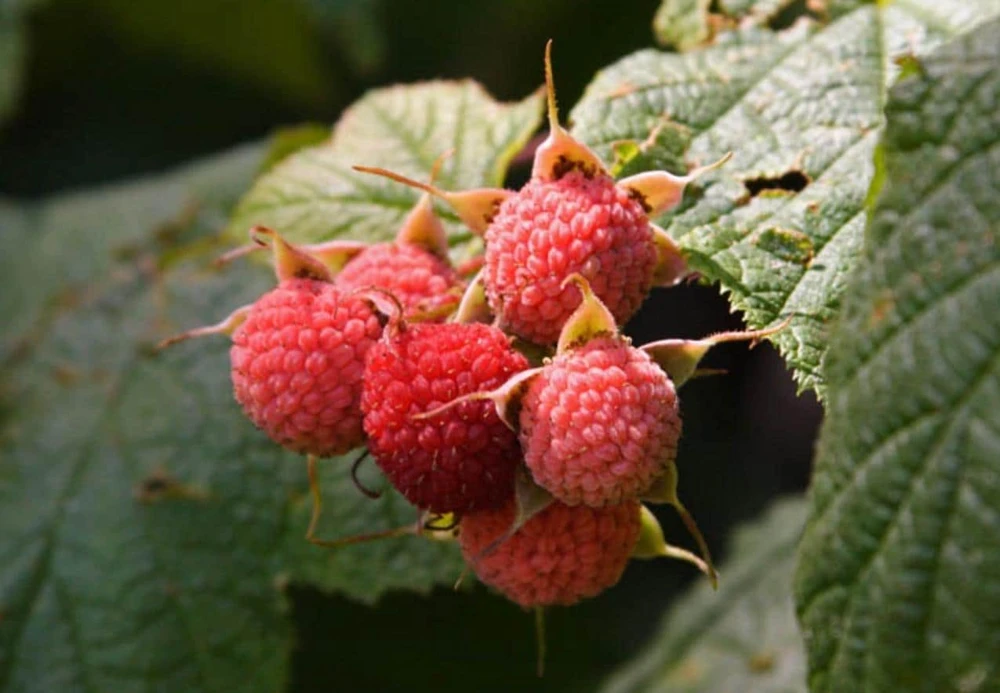
Thimbleberry Live Plant – Native Berry Shrub – 3-4″ Tall – 4 inch Pot – Edible Berries – Shade Fruit
Original price was: $55.99.$35.99Current price is: $35.99.
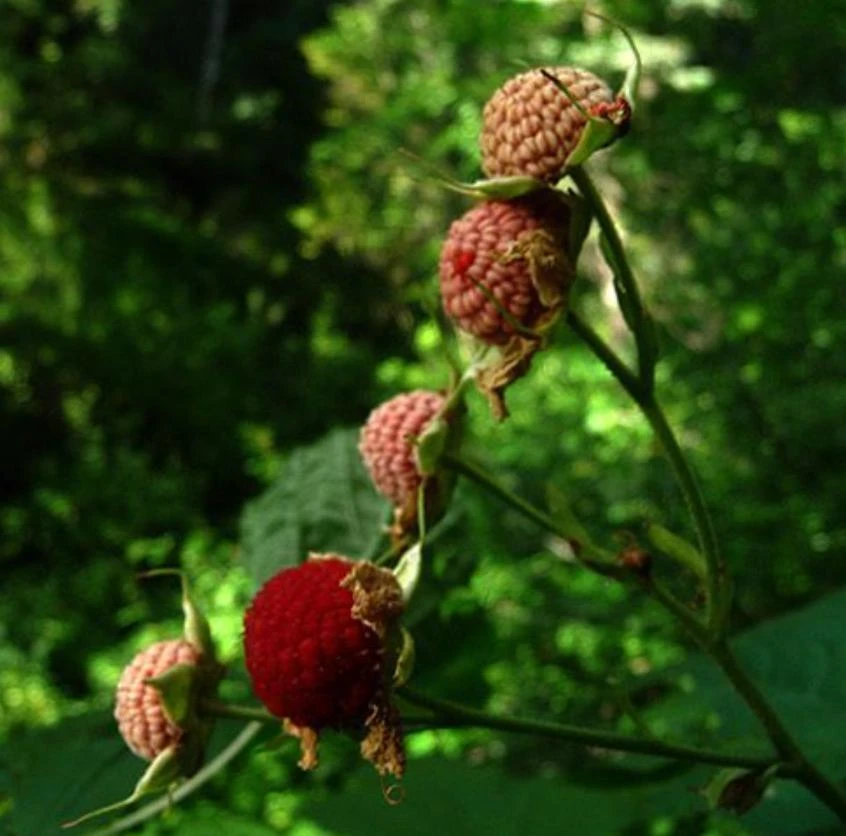
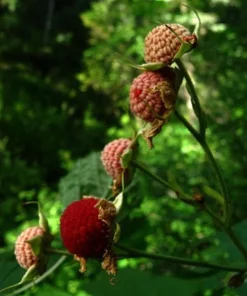
Bring a thimbleberry live plant to your garden, a beautiful native berry shrub known for its soft, red edible berries and large, maple-like leaves. Thriving in shade, this plant is perfect for woodland gardens and provides unique seasonal interest.
Estimated arrival
Sep 29
Oct 04 - Oct 06
Oct 09 - Oct 13
Shop With Confidence
30-Day Plant Health Guarantee
Arrives damaged? We’ll replace it free — see our return policy.
Responsive Support
Email us anytime, we reply within 1 business day.
Expert Packaging
Temperature-controlled shipping to protect your plants in transit.
Secure Checkout
Pay safely with Visa, Mastercard, PayPal.
Plant Specifications
-
USDA Hardiness Zone
USDA zones 3-9 -
Soil Type
Rich, organic, well-draining soil -
Sunlight Exposure
Partial shade to full shade -
Expected Planting Period
Spring to early summer
Overview
Introduce a touch of native beauty and delicious fruit to your landscape with this thimbleberry live plant. Also known by its botanical name, Rubus parviflorus, this deciduous perennial shrub is a wonderful addition to any garden, especially those with shaded areas. Revered for its large, soft, maple-like leaves and delicate, sweet red berries, the thimbleberry live plant offers both ornamental appeal and edible delight. It’s an excellent choice for naturalized gardens, woodland settings, and areas where other fruit-bearing plants might struggle due to lack of sun. This particular specimen arrives as a healthy starter plant, ready to establish and grow into a thriving, fruit-producing bush.
The Thimbleberry is not only beautiful but also a valuable part of its native ecosystem, attracting pollinators and providing food for wildlife. Its unique characteristics make it a standout among native plants, offering an alternative to more common garden shrubs. If you’re looking for an easy-to-grow, shade-tolerant plant that yields tasty fruit, the thimbleberry live plant is an ideal selection.
Key Benefits
Cultivating a Thimbleberry in your garden brings a multitude of advantages, from its aesthetic charm to its ecological contributions. This native berry shrub is a versatile and rewarding plant for various garden styles and conditions.
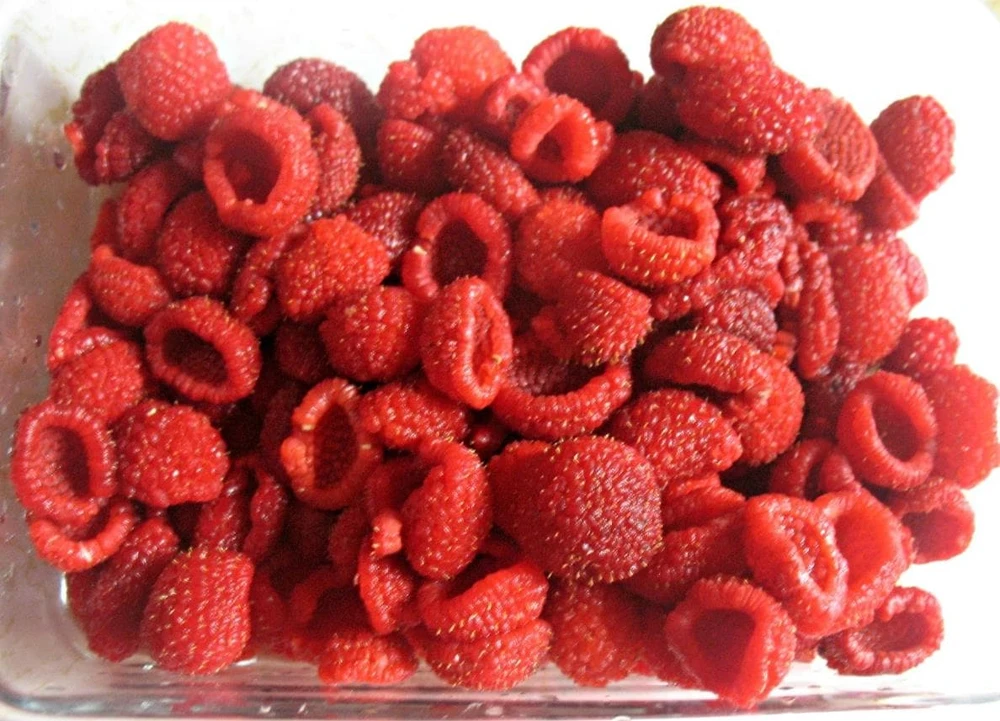
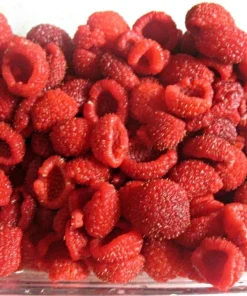
- Delicious Edible Berries: Enjoy soft, red berries with a unique, sweet-tart flavor, perfect for fresh eating, jams, or jellies. The fruit of the thimbleberry live plant is a summer delicacy.
- Stunning Foliage: Features large, velvety, maple-like leaves that provide lush texture and visual interest throughout the growing season, creating a beautiful backdrop in any garden.
- Shade Tolerance: Thrives in partial to full shade, making it an excellent choice for understory planting, woodland gardens, or areas where sunlight is limited. This is a true shade fruit plant.
- Native & Eco-Friendly: As a native species, it supports local wildlife, including birds and pollinators, contributing to a healthy ecosystem and requiring less intervention.
- Low Maintenance: Once established, Thimbleberry plants are relatively low-care, resilient, and adapt well to various conditions within their preferred growing environment.
- Year-Round Interest: Offers attractive foliage in spring and summer, delicate white flowers followed by vibrant red berries in summer, and interesting branch structure in winter.
- Versatile Landscaping: Ideal for naturalized areas, hedges, borders, or as a specimen plant, enhancing the beauty and biodiversity of your outdoor space.
Plant Care & Growing Tips
Caring for your thimbleberry live plant is straightforward, especially when you understand its natural preferences. This hardy native berry shrub thrives in conditions that mimic its woodland origins. For optimal growth, transplant your Thimbleberry into a location that receives partial to full shade. It prefers rich, organic, well-draining soil that remains consistently moist. Avoid overly dry conditions, particularly during the establishment phase and periods of drought. Regular watering is crucial to ensure the plant can develop a strong root system and produce abundant fruit. While generally hardy, providing a layer of mulch can help retain soil moisture and regulate temperature.
In terms of feeding, a balanced fertilizer applied in early spring can support vigorous growth and fruit production. However, in rich, organic soil, it may not be strictly necessary. Pruning should be done after fruiting, focusing on removing old or weak canes to encourage healthy new growth and maintain the plant’s shape and vigor. The Thimbleberry is cold-hardy, typically requiring no special winter protection in most climates. It is adapted to a wide range of USDA zones, often thriving in zones 3-9. Understanding these basic needs will help your edible thimbleberry plant flourish, providing years of enjoyment and delicious berries. While generally robust, consistent moisture and appropriate light are key to a successful rubus parviflorus specimen.
Size & Details
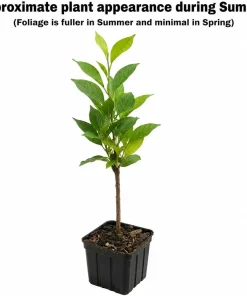
This offering is for one live Thimbleberry plant, approximately 3–4 inches tall at the time of shipping. Each plant is carefully grown and shipped in an individual 4-inch nursery pot, ensuring its root system is well-established for successful transplanting. The pot size reflects the healthy development of the root ball rather than the plant’s height, which is a starter estimate. Thimbleberry plants are known for their moderate growth rate, typically reaching a mature height of 3 to 6 feet and a similar spread, forming a dense, attractive shrub. They begin producing their soft red berries in the summer months, usually within a year or two of planting, depending on growing conditions. This particular edible thimbleberry plant is a young specimen, allowing you to watch it grow and develop its full potential in your garden.
Frequently Asked Questions
- Q: How big does this thimbleberry live plant get? A: A mature Thimbleberry shrub typically reaches a height and spread of 3 to 6 feet. This listing is for a starter plant, approximately 3-4 inches tall in a 4-inch pot.
- Q: Is this an indoor or outdoor plant? A: Thimbleberry is primarily an outdoor plant, native to woodland environments. It thrives in natural landscapes and garden settings in appropriate USDA zones.
- Q: How much sunlight does a native berry shrub need? A: This plant prefers partial shade to full shade. Too much direct, intense sun can scorch its leaves, especially in warmer climates.
- Q: Is this plant easy to care for? A: Yes, once established, Thimbleberry is relatively low-maintenance. It requires consistent moisture and occasional pruning but is generally hardy and resilient.
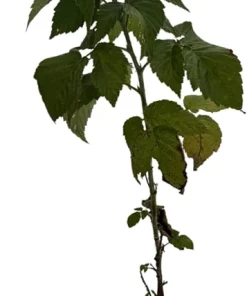
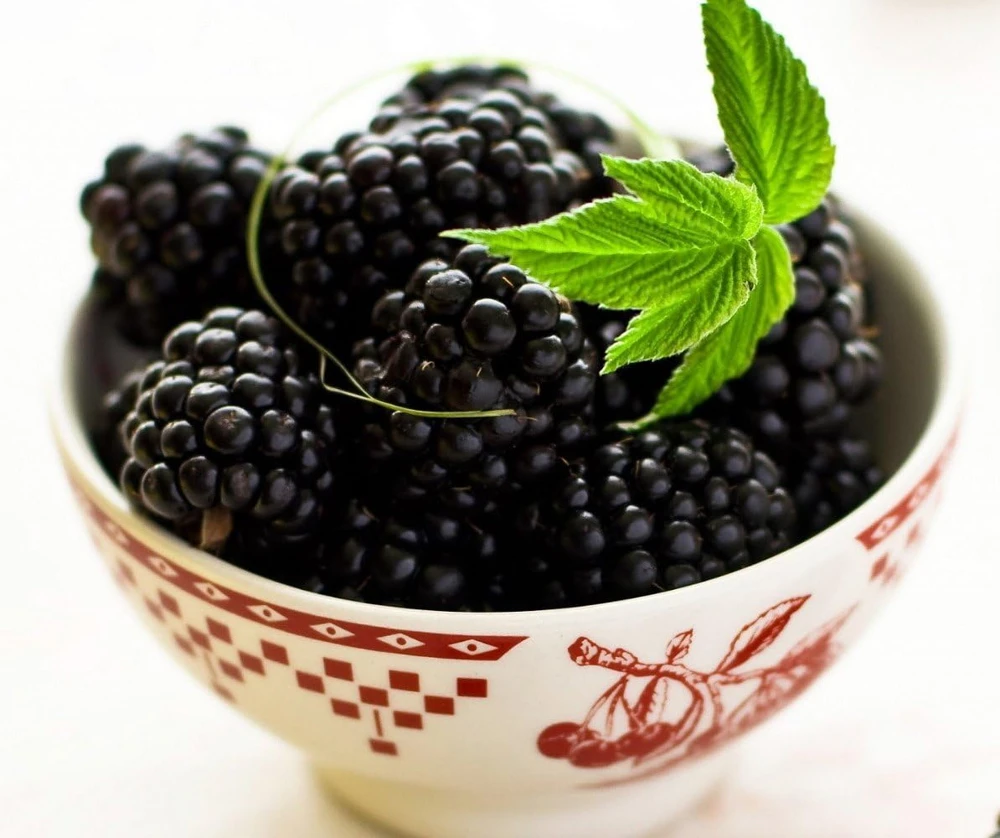
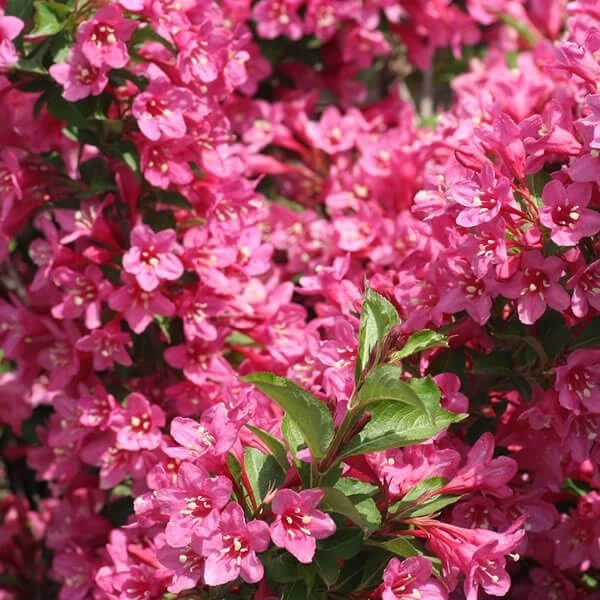
- Q: What condition will the plant arrive in? A: Your thimbleberry live plant will arrive as a healthy, young specimen in a 4-inch nursery pot, ready for transplanting. Please note that photos may show mature plants for reference.
- Q: When is the best time to plant Thimbleberry? A: Spring to early summer is generally the best time to plant Thimbleberry, allowing it ample time to establish before colder weather.
- Q: Will it survive winter in my zone? A: Thimbleberry (rubus parviflorus) is a cold-hardy native shrub, typically thriving in USDA zones 3-9 and usually requires no special winter protection in most climates within these zones.
- Q: Can I eat the berries from this shade fruit plant? A: Yes, Thimbleberry produces soft, red, edible berries that are known for their delicate, sweet flavor. They are delicious fresh or used in preserves.
Be the first to review “Thimbleberry Live Plant – Native Berry Shrub – 3-4″ Tall – 4 inch Pot – Edible Berries – Shade Fruit”
People Also Viewed
Flower Seeds
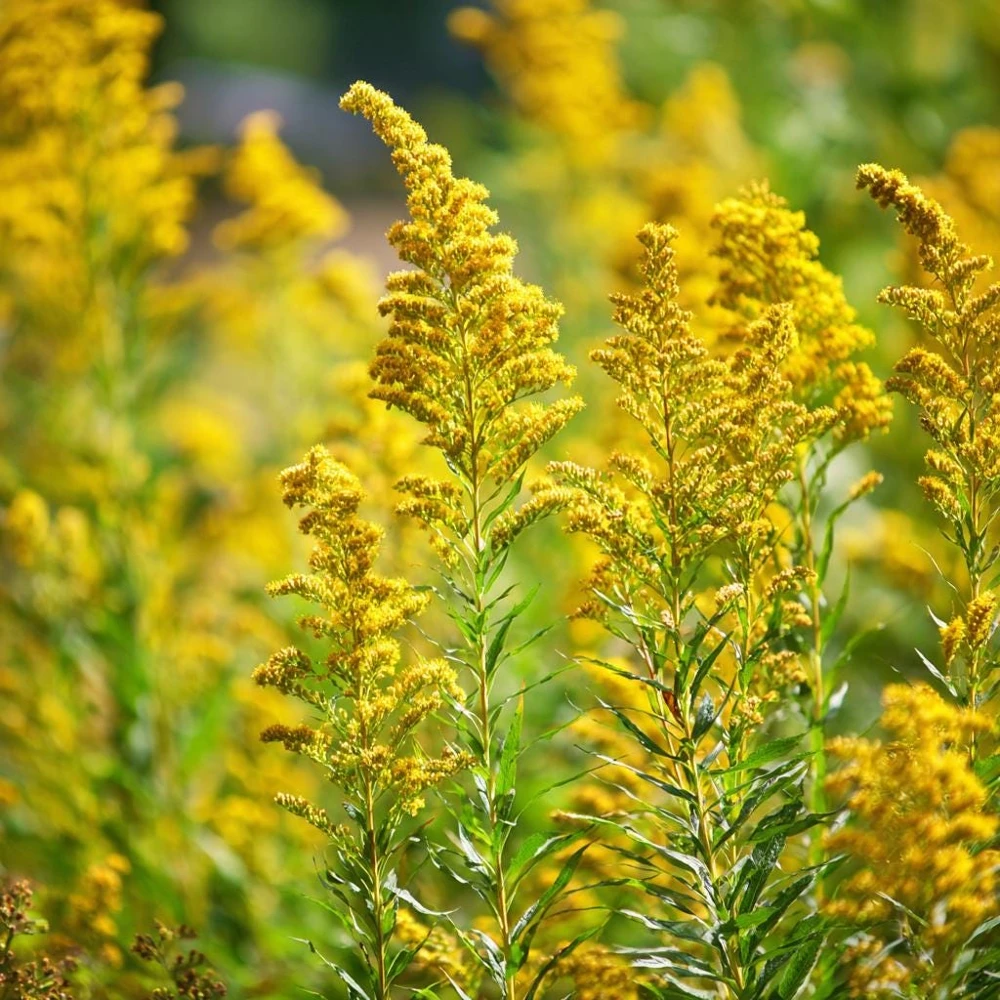
Showy Goldenrod Seeds – 200 Count Perennial Flower for Pollinators, Easy-to-Grow Outdoor

Reviews
There are no reviews yet.