
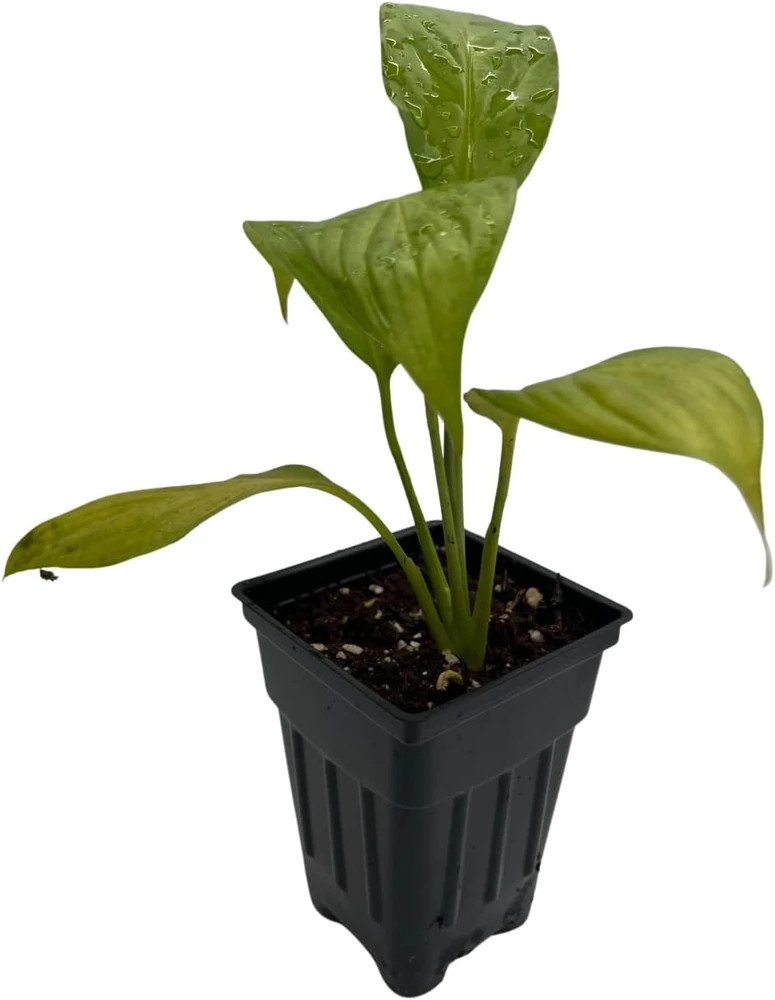
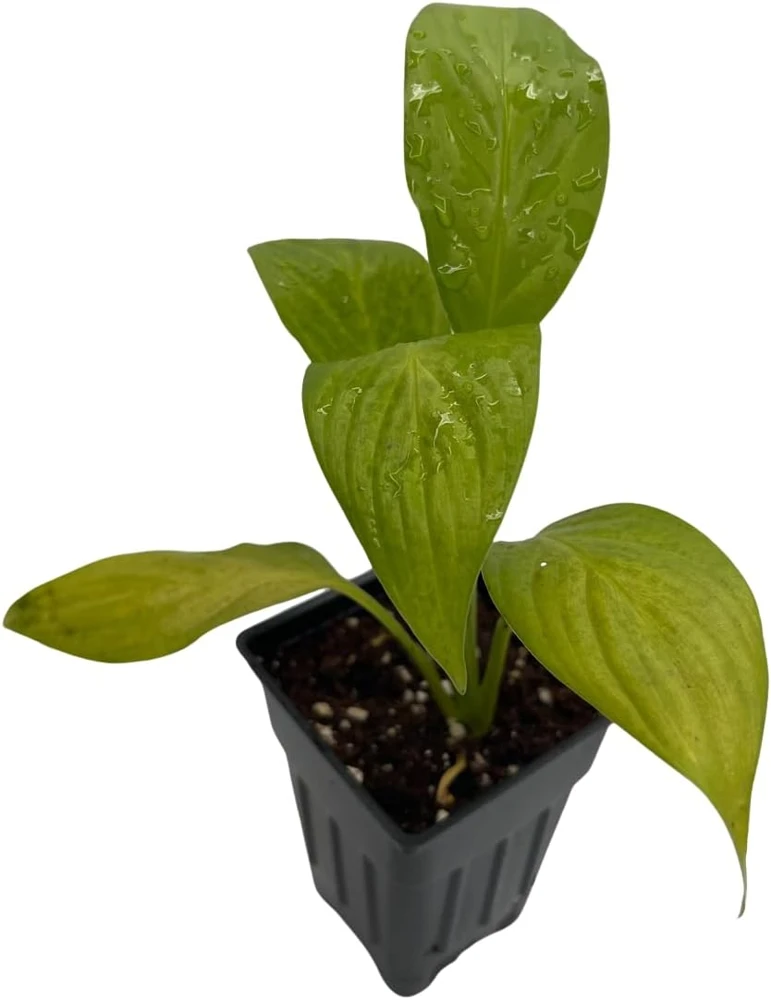
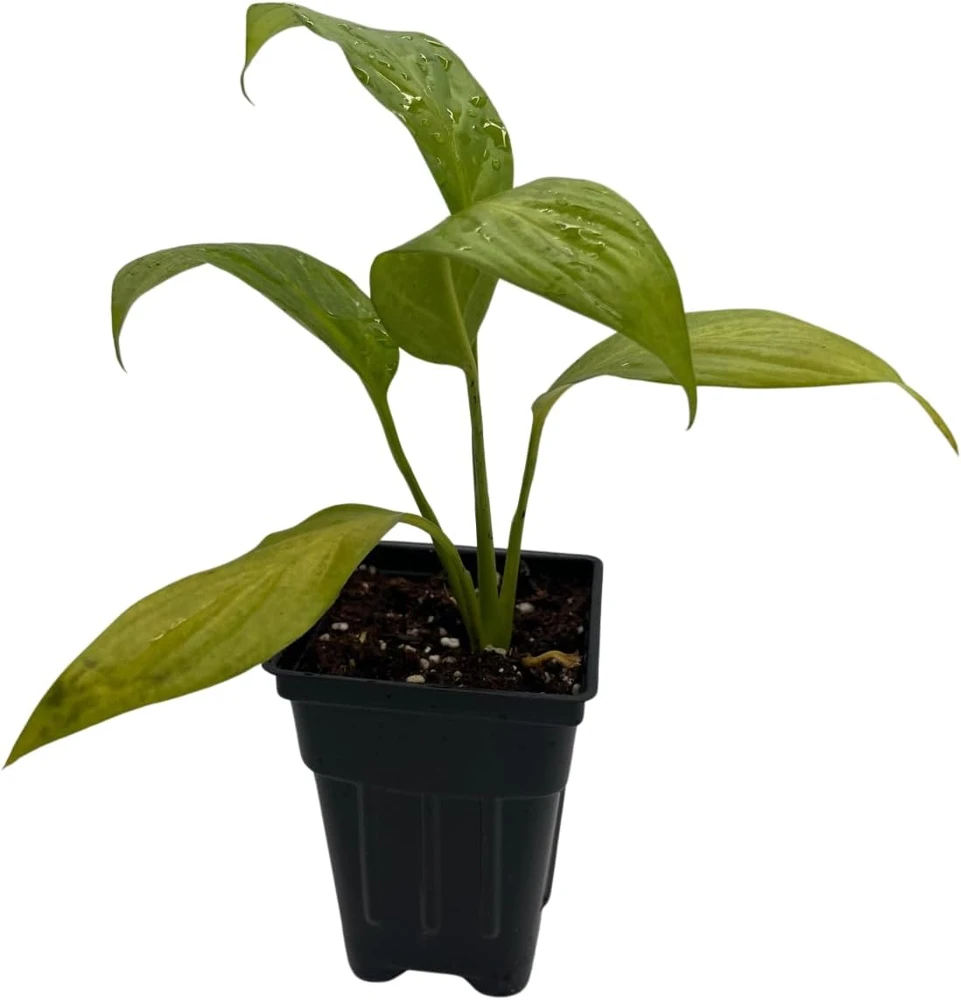
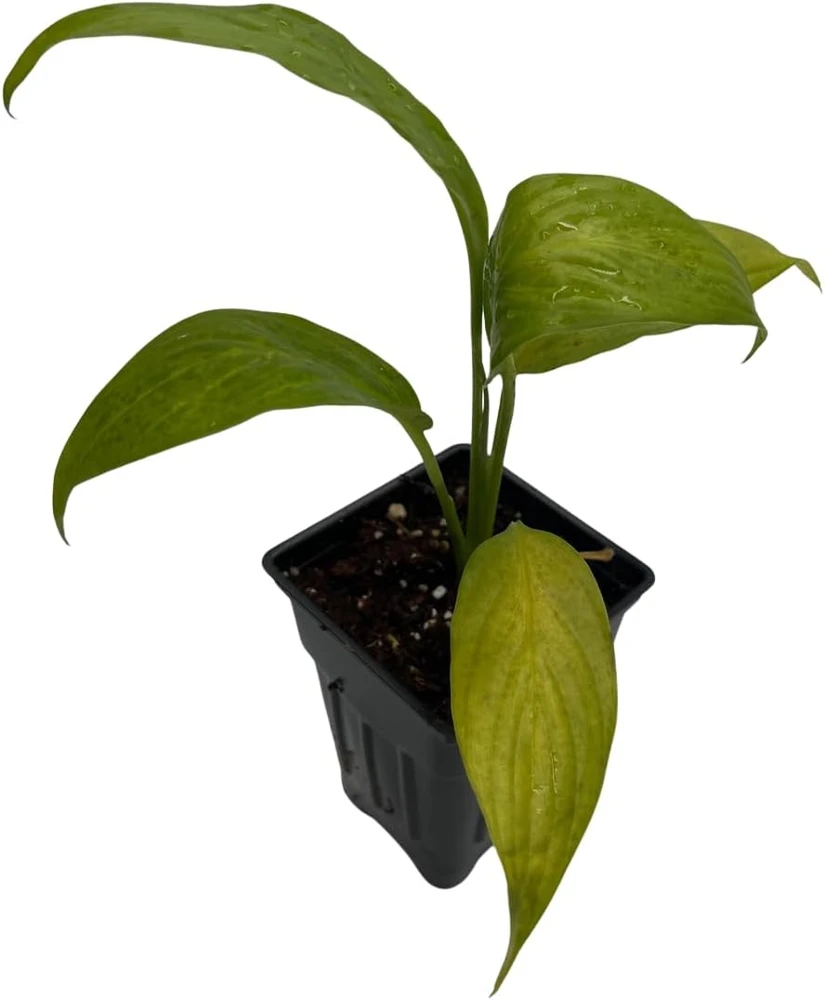
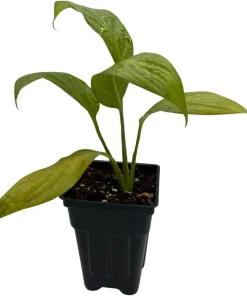
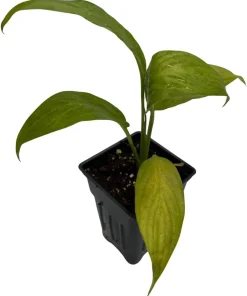
Petite Peace Lily Live Plant – 2.5″ Pot – Spathiphyllum – Indoor Houseplant
Original price was: $34.99.$24.99Current price is: $24.99.
Bring elegance and tranquility to your home with the petite peace lily live plant. This beautiful spathiphyllum houseplant comes in a 2.5″ pot, perfect for desks or small spaces. It’s an ideal low light indoor plant, known for its air-purifying qualities and graceful white blooms.
Estimated arrival
Sep 29
Oct 04 - Oct 06
Oct 09 - Oct 13
Shop With Confidence
30-Day Plant Health Guarantee
Arrives damaged? We’ll replace it free — see our return policy.
Responsive Support
Email us anytime, we reply within 1 business day.
Expert Packaging
Temperature-controlled shipping to protect your plants in transit.
Secure Checkout
Pay safely with Visa, Mastercard, PayPal.
Plant Specifications
-
USDA Hardiness Zone
Year-round indoors (USDA zones 10-12 outdoors) -
Soil Type
Well-draining potting mix -
Sunlight Exposure
Bright indirect light -
Expected Planting Period
Year-round indoors
Overview
Introduce a touch of natural elegance to your indoor environment with the petite peace lily live plant. This captivating Spathiphyllum, commonly known as the Peace Lily, is renowned for its lush green foliage and distinctive white, spoon-shaped flowers (spathes) that bloom year-round. Originating from the humid, shaded understories of tropical rainforests in Central and South America, and even parts of Southeast Asia, the Peace Lily has adapted beautifully to indoor conditions. Our offering is a starter plant, diligently growing in a 2.5″ pot, making it a perfect size for immediate display on shelves, desks, or as part of a larger plant arrangement. Its compact nature and ability to thrive in less-than-ideal lighting make it a favorite among both novice and experienced plant enthusiasts. The petite peace lily live plant is not just a decorative item; it’s a living piece of art that contributes to a serene atmosphere.
The botanical name, Spathiphyllum, literally translates to “leaf spathe,” referring to its unique flower structure. While often mistaken for flowers, the prominent white parts are actually modified leaves that protect the true, small flowers clustered on the central spadix. This particular variety is cherished for its manageable size and consistent performance as a low light indoor plant. It’s a testament to nature’s adaptability, thriving where many other plants might struggle. The Peace Lily is also recognized for its ability to signal when it needs water by a noticeable drooping of its leaves, making it an excellent plant for learning proper watering habits. Once watered, it quickly revives, showcasing its resilience and making peace lily for beginners an excellent choice.
Key Benefits
The petite peace lily live plant offers a multitude of advantages for any indoor space. Beyond its aesthetic appeal, this plant is a powerhouse of natural benefits, enhancing both the beauty and the well-being of your home or office. Its ease of care and forgiving nature make it a top contender for anyone looking to add greenery without significant effort.
- Air Purification: The Peace Lily is well-known for its ability to filter common indoor air pollutants, including benzene, formaldehyde, and trichloroethylene, contributing to cleaner, healthier air in your living space.
- Low Light Tolerance: This spathiphyllum houseplant thrives in indirect and low-light conditions, making it perfect for rooms with limited natural sunlight or for adding greenery to corners that other plants can’t tolerate.
- Year-Round Blooms: With proper care, your petite peace lily live plant can produce its elegant white spathes throughout the year, providing continuous visual interest and a sophisticated touch.
- Easy Care & Maintenance: Often considered a great peace lily for beginners, this plant is forgiving and communicates its needs clearly (e.g., drooping leaves when thirsty), making it straightforward to maintain.
- Adds Humidity: As a tropical plant, the Peace Lily releases moisture into the air through transpiration, which can help increase humidity levels in dry indoor environments, benefiting both you and other nearby plants.
- Stress Reduction: The presence of plants, especially those with lush foliage and calming blooms like the Peace Lily, has been shown to reduce stress levels and improve overall mood and concentration.
- Compact Size: Growing in a 2.5″ pot, this petite version is ideal for small apartments, dorm rooms, office desks, or as a charming accent on shelves and windowsills without taking up much space.
Plant Care & Growing Tips
Caring for your petite peace lily live plant is relatively simple, making it a rewarding experience for gardeners of all levels. Understanding its native tropical environment is key to providing optimal care. This spathiphyllum houseplant prefers conditions that mimic the humid, shaded understory of a rainforest.
Sunlight Requirements: The Peace Lily thrives in bright, indirect light. Avoid direct sunlight, which can scorch its leaves and cause yellowing. An east-facing window is often ideal, or a north-facing window will also work well. If you notice its leaves turning yellow, it might be getting too much light; if it’s not blooming, it might need a bit more indirect light exposure. As a quintessential low light indoor plant, it will tolerate lower light levels, but may produce fewer flowers.
Watering Schedule & Soil Moisture: One of the most distinctive traits of the Peace Lily is its dramatic drooping when thirsty. This is your cue to water! Water thoroughly when the top inch of soil feels dry to the touch, or when the leaves begin to slightly droop. Ensure the pot has good drainage to prevent root rot. Do not let the plant sit in standing water. Once watered, it will quickly perk back up. Maintaining consistent moisture without overwatering is crucial for healthy peace lily plant care.
Soil Type & Drainage: Use a well-draining potting mix that retains some moisture. A standard indoor potting mix amended with some perlite or orchid bark can work well. The goal is a mix that allows excess water to escape while holding enough moisture for the roots. Good drainage is paramount to prevent waterlogging, which can be detrimental to this sensitive plant. The petite peace lily live plant appreciates slightly acidic to neutral soil conditions.
Temperature Range & USDA Hardiness Zone: Peace Lilies prefer warm, stable temperatures between 65-80°F (18-27°C). Avoid sudden temperature fluctuations and cold drafts, which can shock the plant. They are not frost-tolerant and are typically grown as houseplants. In terms of USDA hardiness, they are best suited for zones 10-12 if grown outdoors, but thrive year-round indoors in all zones.
Fertilization Schedule & Type: Fertilize your spathiphyllum houseplant sparingly. A balanced liquid houseplant fertilizer, diluted to half strength, can be applied every 2-4 weeks during the active growing season (spring and summer). Reduce or cease fertilization during fall and winter. Over-fertilization can lead to salt buildup and leaf burn, so always err on the side of less.
Common Problems & Solutions: Yellowing leaves can indicate too much light or overwatering. Brown leaf tips often point to low humidity or fluoride in tap water. Use filtered water if possible. Pests are generally not a major issue for Peace Lilies, but watch out for spider mites or mealybugs, especially in dry conditions. Isolate affected plants and treat with insecticidal soap if necessary. Proper peace lily plant care helps prevent most issues.
Size & Details
This offering is for a vibrant petite peace lily live plant, which arrives actively growing in a 2.5″ pot. This compact size makes it an ideal starter plant, perfect for placement on windowsills, office desks, or as part of a terrarium or miniature garden. At this stage, the plant typically stands about 4-6 inches tall from the top of the soil, with a similar spread, though individual growth can vary. The spathiphyllum houseplant is known for its moderate growth rate, gradually filling its pot with lush foliage. It will eventually grow larger, but its petite nature at this stage makes it very versatile.
The plant is shipped in its nursery pot with soil, ensuring minimal transplant shock upon arrival. While it can eventually be repotted into a slightly larger container, it will thrive in its current 2.5″ pot for some time. With consistent peace lily plant care, you can expect this plant to mature into a beautiful specimen, reaching heights of 1-2 feet and a similar width over several years. Its ability to bloom year-round adds continuous beauty to your home, and its adaptability confirms its status as a top-tier low light indoor plant.
Frequently Asked Questions
- Q: How big does this petite peace lily live plant get? A: This starter plant comes in a 2.5″ pot and is typically 4-6 inches tall. With good care, it can eventually grow to 1-2 feet tall and wide, making it a substantial indoor plant.
- Q: Is this an indoor or outdoor plant? A: The Peace Lily is primarily an indoor plant in most climates due to its tropical origins. It thrives in stable indoor temperatures and indirect light, making it an excellent low light indoor plant.
- Q: How much sunlight does a spathiphyllum houseplant need? A: Peace Lilies prefer bright, indirect light. Direct sunlight can scorch their leaves. They are very tolerant of lower light conditions, but may produce fewer flowers.
- Q: Is this plant easy to care for? Is it good for beginners? A: Yes, Peace Lilies are considered very easy to care for and are an excellent choice for beginners. They clearly signal their need for water by drooping, which quickly resolves once hydrated. This makes them a perfect peace lily for beginners.
- Q: What condition will it arrive in? Is it shipped in soil? A: Your petite peace lily live plant will arrive in its 2.5″ nursery pot, securely packaged with soil to ensure it remains healthy during transit.
- Q: How often should I water my Peace Lily? A: Water when the top inch of soil feels dry or when the leaves begin to slightly droop. This plant is very expressive about its watering needs!
- Q: Does this plant purify the air? A: Yes, the Peace Lily is well-known for its air-purifying qualities, effectively removing common toxins from indoor air.
- Q: Can I keep my low light indoor plant in a bathroom? A: Yes, Peace Lilies love humidity, making a well-lit bathroom an ideal spot for them to thrive.
- Q: When is the best time to repot my spathiphyllum houseplant? A: Repot your Peace Lily when it becomes root-bound, usually every 1-2 years. Spring is the best time to do this.
- Q: Are Peace Lilies toxic to pets? A: Peace Lilies contain calcium oxalate crystals, which can cause irritation if ingested by pets or humans. It’s best to keep them out of reach of curious pets.
Be the first to review “Petite Peace Lily Live Plant – 2.5″ Pot – Spathiphyllum – Indoor Houseplant”
People Also Viewed



Reviews
There are no reviews yet.