
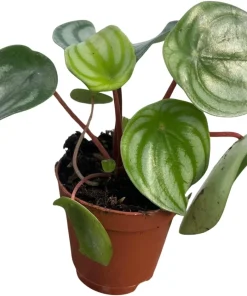
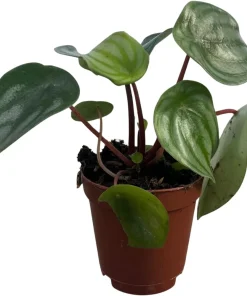
Watermelon Peperomia Live Plant – Peperomia argyreia – 2 inch Pot – Indoor Houseplant
Original price was: $36.99.$26.99Current price is: $26.99.
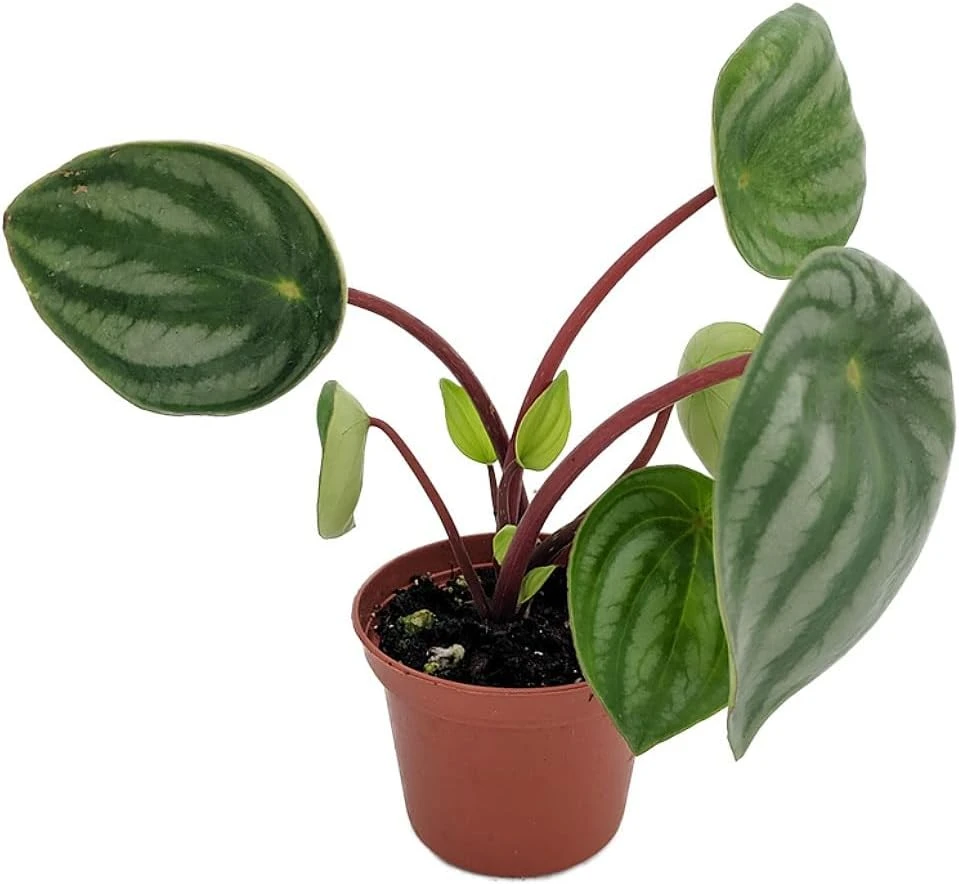
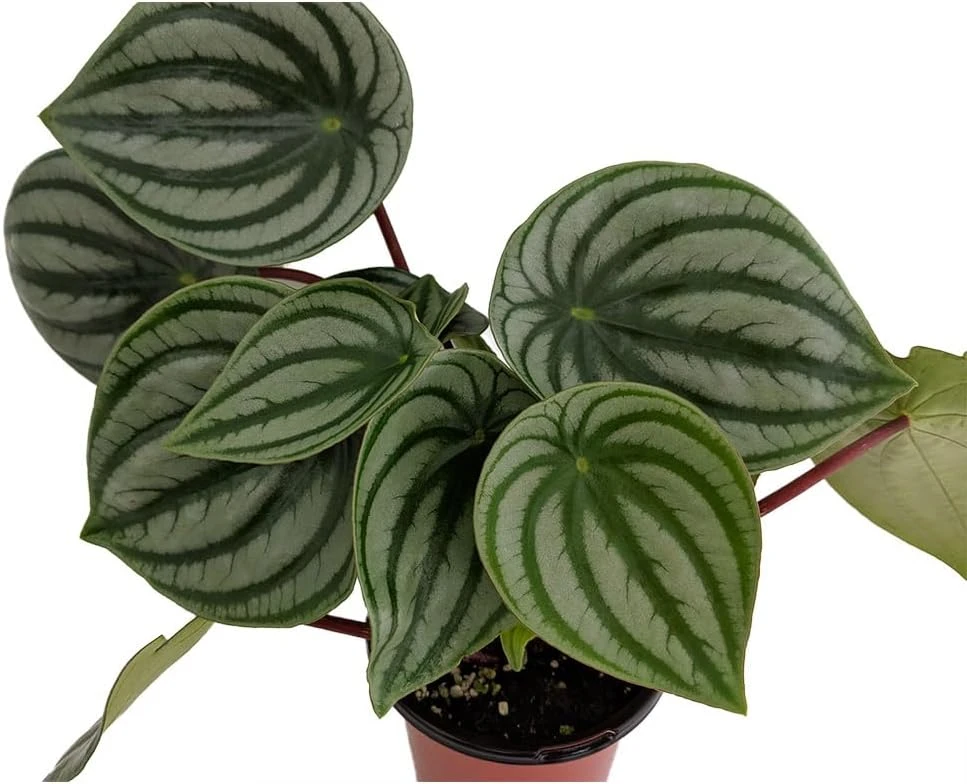
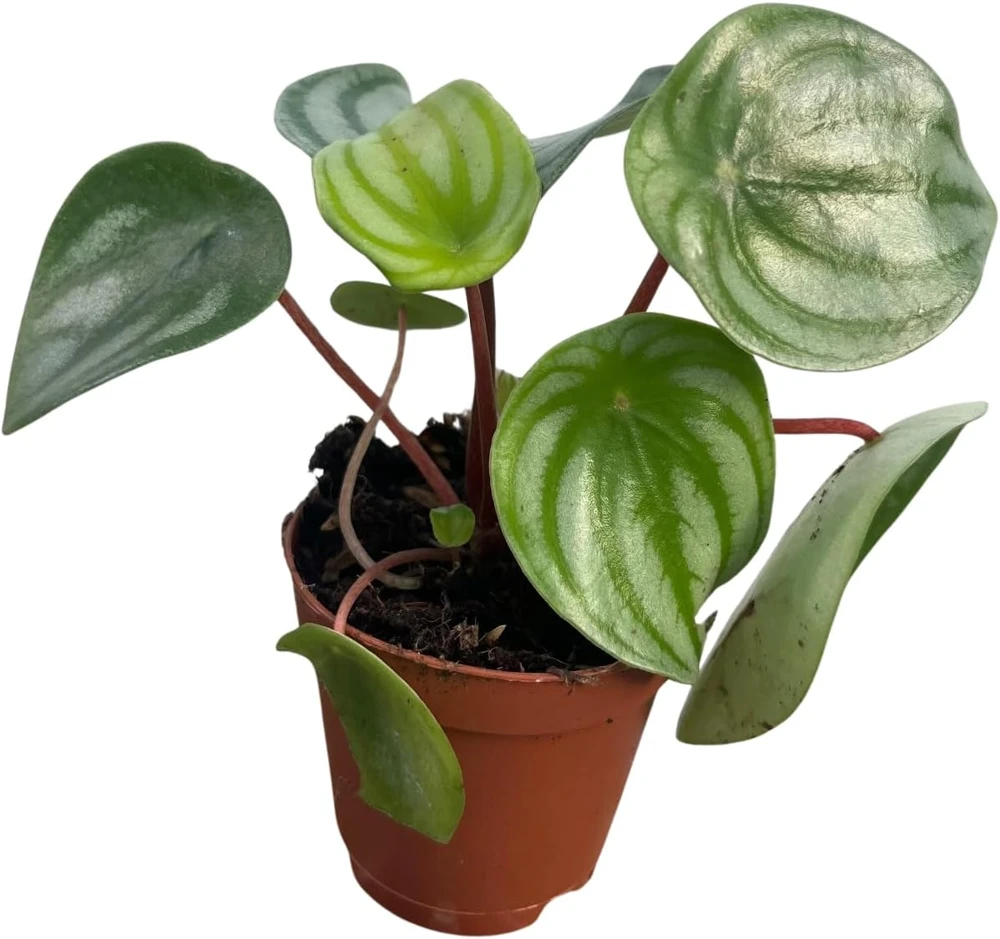
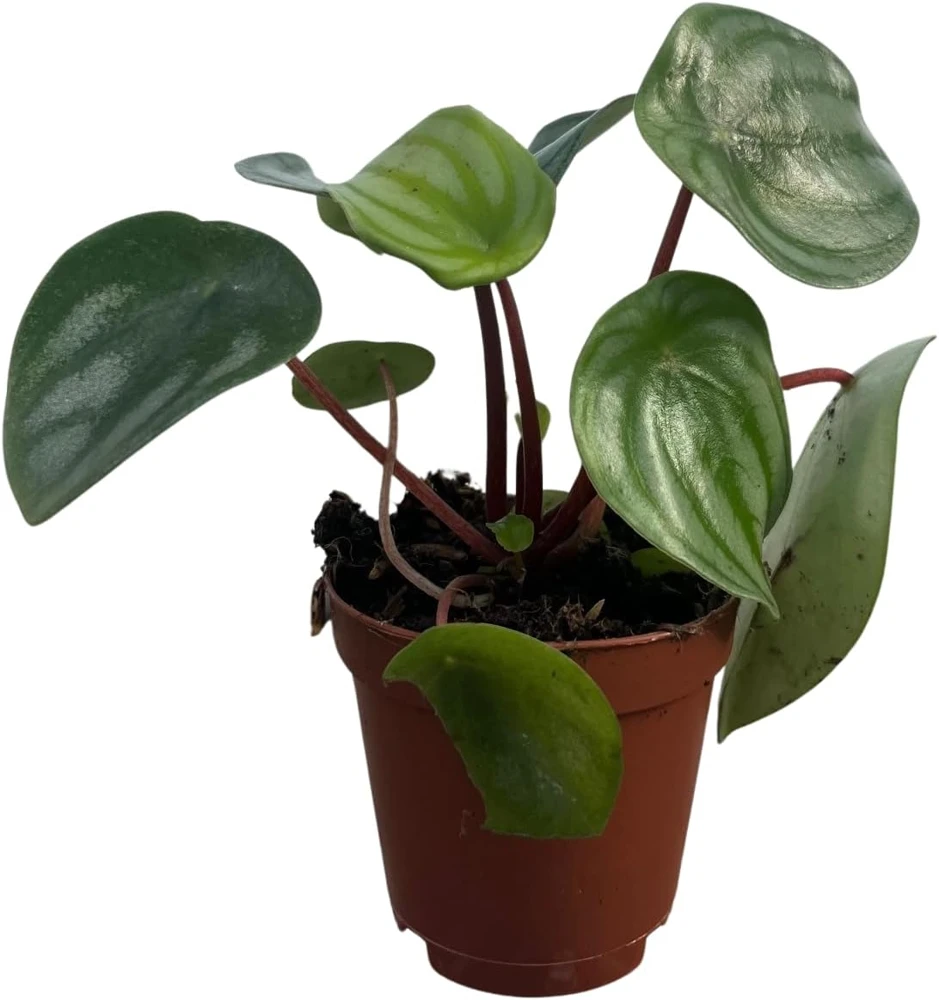
Bring home a captivating watermelon peperomia live plant in a 2-inch pot. This indoor houseplant, Peperomia argyreia, features stunning silver and green striped foliage resembling a watermelon rind. It’s a low-maintenance choice for adding unique beauty to any space.
Estimated arrival
Sep 29
Oct 04 - Oct 06
Oct 09 - Oct 13
Shop With Confidence
30-Day Plant Health Guarantee
Arrives damaged? We’ll replace it free — see our return policy.
Responsive Support
Email us anytime, we reply within 1 business day.
Expert Packaging
Temperature-controlled shipping to protect your plants in transit.
Secure Checkout
Pay safely with Visa, Mastercard, PayPal.
Plant Specifications
-
USDA Hardiness Zone
year-round indoors -
Soil Type
well-draining potting mix -
Sunlight Exposure
bright indirect light -
Expected Planting Period
year-round indoors
Overview
Introduce a touch of tropical elegance to your home with the captivating watermelon peperomia live plant. This exquisite indoor houseplant, scientifically known as Peperomia argyreia, is celebrated for its truly unique and eye-catching foliage. Each rounded leaf boasts a pointed tip and is adorned with shimmering silver and deep green bands, creating a visual resemblance to a miniature watermelon rind. This compact and charming plant is a fantastic addition to any plant collection, offering vibrant color and interesting textures without demanding excessive space. Ideal for shelves, desks, or terrariums, the watermelon peperomia live plant is a conversation starter and a joy to behold, bringing a slice of natural artistry into your living environment.
The Peperomia argyreia is native to the rainforests of South America, thriving in warm, humid conditions beneath the canopy. Its distinctive appearance makes it a favorite among houseplant enthusiasts and beginners alike. Unlike many other houseplants, the watermelon peperomia remains relatively small, making it perfect for smaller living spaces or as part of a larger plant display. Its ease of care and striking looks ensure it will quickly become a cherished part of your indoor garden.
Key Benefits
The watermelon peperomia live plant offers numerous advantages, making it an excellent choice for both seasoned plant parents and those new to gardening. Its unique aesthetics and manageable care requirements contribute to a rewarding ownership experience.
- Stunning Visual Appeal: The primary benefit of this plant is its incredibly decorative foliage. The vibrant silver and green stripes on each leaf create a mesmerizing pattern that instantly brightens any room and draws the eye.
- Compact Size: Growing to a moderate size, the watermelon peperomia live plant is perfect for small apartments, office desks, windowsills, or as part of a mixed plant arrangement. It won’t outgrow its space quickly.
- Low Maintenance: This plant is remarkably forgiving and does not require constant attention. It thrives on a ‘neglect-friendly’ watering schedule and is not overly demanding regarding light or humidity, making it ideal for busy individuals.
- Air Purifying Qualities: Like many houseplants, the watermelon peperomia contributes to a healthier indoor environment by helping to filter airborne toxins and improve air quality, creating a fresher living space.
- Pet-Friendly: According to the ASPCA, Peperomia argyreia is non-toxic to cats and dogs, offering peace of mind for pet owners who want to enjoy beautiful plants safely.
- Unique Texture: Beyond its color, the slight thickness and smooth texture of its leaves add another layer of sensory interest to your indoor plant collection.
- Easy Propagation: For those who enjoy expanding their plant collection, the watermelon peperomia can be easily propagated from leaf cuttings, allowing you to share its beauty with friends or create more plants for yourself.
Plant Care & Growing Tips
Caring for your watermelon peperomia live plant is straightforward, ensuring that even novice gardeners can enjoy its beauty. Understanding its basic needs will help it thrive and maintain its vibrant appearance. This beautiful indoor peperomia plant prefers conditions that mimic its native tropical habitat, but it’s also adaptable to typical home environments.
Light: The watermelon peperomia live plant thrives in bright, indirect light. Place it near an east or north-facing window, or a few feet away from a south or west-facing window where it won’t receive direct, harsh sunlight, which can scorch its leaves. Too little light can cause the vibrant silver stripes to fade. An ideal spot would be one that receives filtered light throughout the day.
Watering: Water thoroughly when the top 1-2 inches of soil feel dry to the touch. It’s crucial to avoid overwatering, as peperomias are prone to root rot. Allow excess water to drain completely from the pot. In winter, reduce watering frequency as the plant’s growth slows. The phrase “water when dry” from the original input is a good guideline to follow for peperomia argyreia care.
Soil: Use a well-draining potting mix that retains some moisture but doesn’t become waterlogged. A mix formulated for houseplants or succulents, often containing peat, perlite, or coco coir, is ideal. Good drainage is key to preventing root issues.
Temperature & Humidity: This plant prefers average room temperatures between 65-80°F (18-27°C). Avoid sudden temperature fluctuations or cold drafts. While it appreciates higher humidity, typical household humidity levels are usually sufficient. For extra humidity, you can mist the leaves occasionally or place the pot on a pebble tray with water.
Fertilization: Feed your watermelon peperomia live plant sparingly during the growing season (spring and summer) with a balanced liquid houseplant fertilizer diluted to half strength. Do not fertilize in fall or winter when the plant is dormant. Over-fertilization can harm the plant.
Pruning: Pruning is generally minimal, mainly to remove any yellowing or leggy stems to maintain a compact shape. You can also pinch back new growth to encourage a bushier plant.
Pests & Problems: Peperomias are generally resilient but can occasionally encounter common houseplant pests like spider mites or mealybugs. Inspect your plant regularly and treat any infestations promptly with insecticidal soap. Yellowing leaves can indicate overwatering, while crispy brown edges suggest too little humidity or underwatering. Learning to buy watermelon peperomia means understanding its needs for long-term enjoyment.
Size & Details
This offering includes one vibrant watermelon peperomia live plant, Peperomia argyreia, meticulously grown and shipped in a 2 inch pot. At this size, the plant is young and well-rooted, ready to establish itself in its new home. The rounded leaves typically measure around four inches long and up to three inches wide, showcasing the distinctive silver and green stripes. While slender white flower wands may emerge above the foliage, the plant is primarily grown for its stunning leaves. This compact size makes it an excellent choice for tabletops, desks, or small shelves.
The plant will be carefully packaged to ensure safe arrival. Expect a healthy, established plant that is actively growing. With proper peperomia plant care, it will continue to mature, though it remains a relatively small and manageable houseplant, typically reaching a mature height of 6-12 inches. It’s a perfect starter size for anyone looking to buy watermelon peperomia and add a unique touch to their indoor garden.
Frequently Asked Questions
- Q: How big does this plant get? A: The watermelon peperomia live plant typically remains compact, reaching a mature height of approximately 6 to 12 inches and a similar spread. Its moderate size makes it ideal for various indoor spaces without becoming too large.
- Q: What size pot does it come in? A: This particular offering includes a healthy watermelon peperomia live plant in a 2-inch nursery pot, perfectly sized for its initial growth. You can repot it into a slightly larger decorative pot once it outgrows this one.
- Q: Is this an indoor or outdoor plant? A: The Peperomia argyreia is primarily cultivated as an indoor peperomia plant in most climates. It thrives in typical household temperatures and humidity, making it an excellent choice for interior decoration.
- Q: How much sunlight does it need? A: This plant prefers bright, indirect light. Avoid direct, harsh sunlight which can burn its leaves. A spot near an east or north-facing window, or a filtered light area, is ideal for optimal peperomia argyreia care.
- Q: Is this plant easy to care for? A: Yes, the watermelon peperomia is considered a relatively easy-care houseplant. It’s forgiving of occasional neglect and is a great option for both beginners and experienced plant enthusiasts looking for a beautiful, low-maintenance plant.
- Q: What condition will it arrive in? A: Your watermelon peperomia live plant will arrive well-packaged, healthy, and actively growing, ready to be placed in its new home. We take great care to ensure the plant is protected during transit.
- Q: Is it pet-safe? A: Yes, the Peperomia argyreia is listed as non-toxic to cats and dogs by the ASPCA, making it a safe choice for households with pets. This is an important consideration for those looking to buy watermelon peperomia.
- Q: How often should I water my watermelon peperomia? A: Water your plant when the top 1-2 inches of soil feel dry to the touch. It’s better to underwater slightly than to overwater, as this plant is susceptible to root rot if kept too wet.
- Q: When is the best time to repot it? A: Repot your indoor peperomia plant when it becomes root-bound, typically every 1-2 years during the spring or early summer. Choose a pot that is only slightly larger than its current one.
- Q: What kind of soil is best for this plant? A: A well-draining potting mix is essential. A standard houseplant mix amended with perlite or orchid bark to improve drainage works well for optimal peperomia plant care.
Be the first to review “Watermelon Peperomia Live Plant – Peperomia argyreia – 2 inch Pot – Indoor Houseplant”
People Also Viewed

Flowers
Bougainvillea Live Plant – Barbara Karst Starter Plants – 2 Pack – Bright Red Flowers – Outdoor
Reviews
There are no reviews yet.