


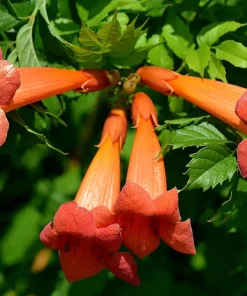
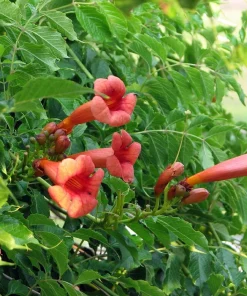
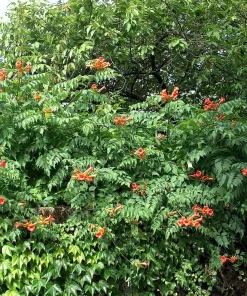

Trumpet Vine Live Plant – Campsis radicans – 2.5″ Pot – Outdoor Climbing Plant
Original price was: $52.99.$42.99Current price is: $42.99.
Add a vibrant touch to your garden with the trumpet vine live plant (Campsis radicans). This fast-growing, deciduous climbing vine is an American native, known for attracting hummingbirds, butterflies, and bees. Ideal for covering garden structures, it thrives in sun to part shade and comes in a 2.5″ pot, perfect for establishing in your landscape.
Estimated arrival
Sep 29
Oct 04 - Oct 06
Oct 09 - Oct 13
Shop With Confidence
30-Day Plant Health Guarantee
Arrives damaged? We’ll replace it free — see our return policy.
Responsive Support
Email us anytime, we reply within 1 business day.
Expert Packaging
Temperature-controlled shipping to protect your plants in transit.
Secure Checkout
Pay safely with Visa, Mastercard, PayPal.
Plant Specifications
-
USDA Hardiness Zone
4-10 -
Soil Type
Average, well-draining soil -
Sunlight Exposure
Full sun to partial shade -
Expected Planting Period
Spring to early summer
Overview
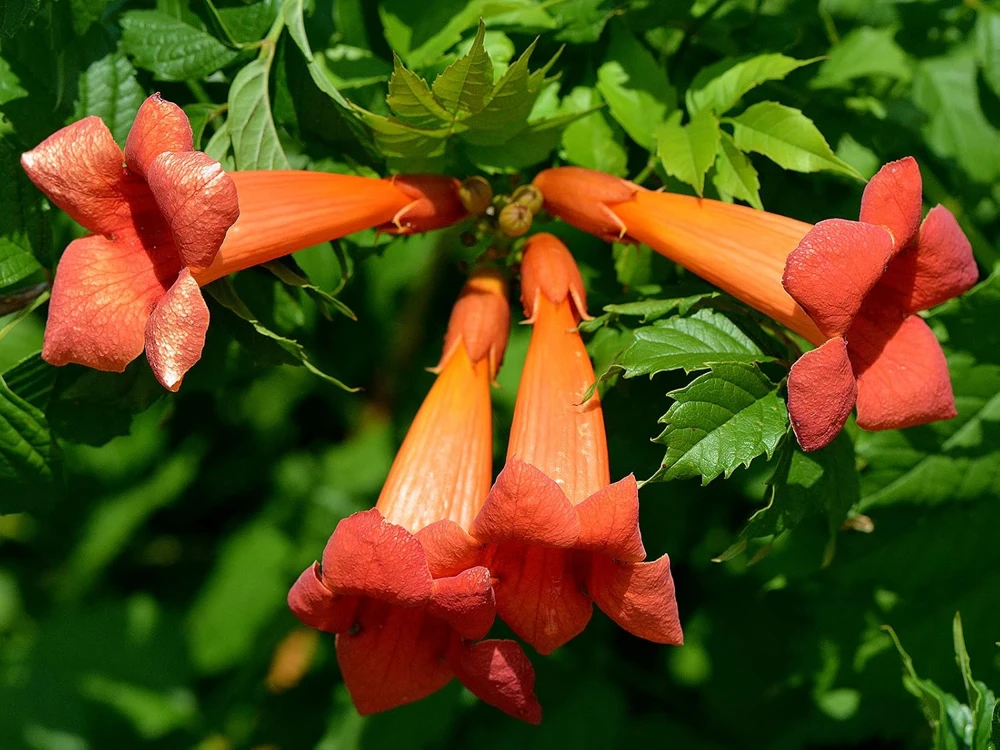
Introduce a splash of vibrant color and a magnet for pollinators to your outdoor space with the magnificent trumpet vine live plant, also known by its botanical name, Campsis radicans. This beautiful deciduous climbing vine is a true American native, celebrated for its vigorous growth and stunning, trumpet-shaped flowers that bloom profusely throughout the summer. Our trumpet vine live plant arrives ready to thrive, carefully cultivated in a 2.5″ pot, making it easy to establish in your garden. It’s an ideal choice for gardeners looking to add vertical interest, create natural screens, or simply enjoy the lively spectacle of hummingbirds, butterflies, and bees flocking to its nectar-rich blooms. The Campsis radicans is renowned for its hardiness and adaptability, promising a spectacular display with relatively little fuss.
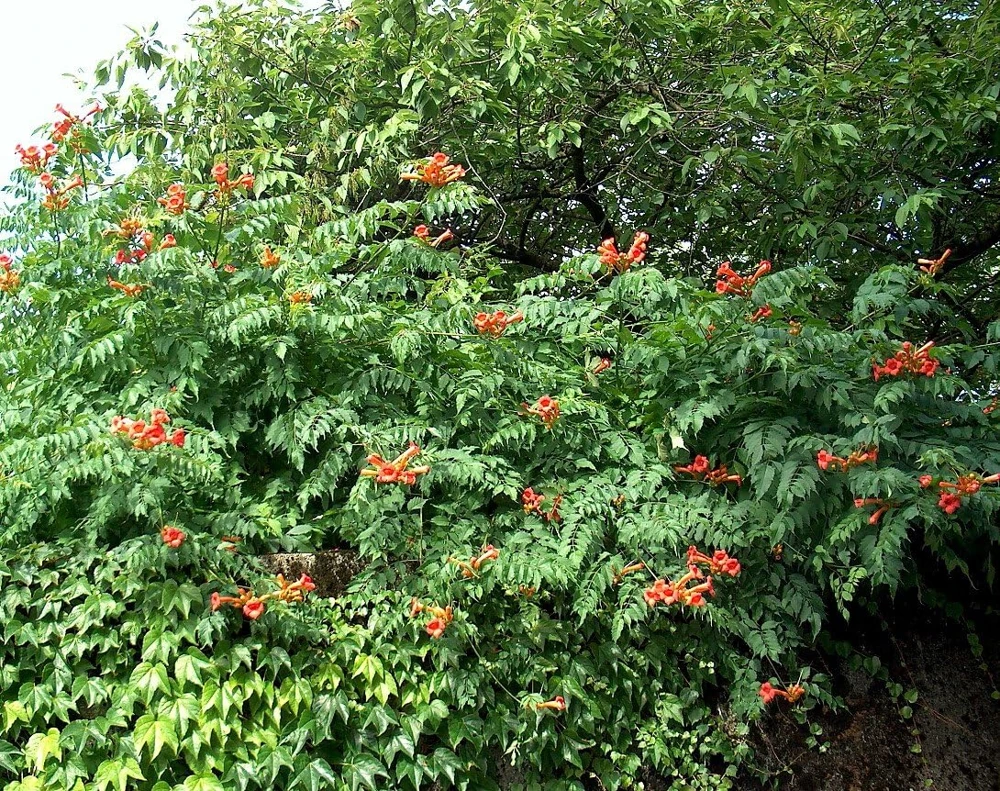
The Campsis radicans is a fantastic addition to any landscape, particularly suited for butterfly gardens or areas where you wish to attract local wildlife. Its robust nature means it can quickly cover arbors, pergolas, fences, or walls, transforming ordinary structures into breathtaking botanical features. This particular variety of climbing vine plant is cherished not just for its aesthetic appeal but also for its ecological benefits, providing vital sustenance for pollinators. Whether you’re a seasoned gardener or just starting, the trumpet vine offers a rewarding growing experience, culminating in a spectacular summer show that will be the envy of your neighborhood.
Key Benefits
The trumpet vine live plant offers a multitude of benefits, making it a highly desirable choice for various garden settings. From its stunning visual appeal to its ecological contributions, this plant truly stands out.
- Attracts Pollinators: This plant is a powerful magnet for hummingbirds, butterflies, and bees, creating a lively and dynamic garden ecosystem. The nectar-rich flowers provide essential food sources for these beneficial creatures, making your garden a haven for local wildlife.
- Vigorous Climber: As a robust climbing vine plant, it quickly covers structures like trellises, fences, pergolas, and walls, offering excellent privacy, shade, or a beautiful focal point in your landscape. Its strong tendrils allow it to cling and ascend with ease.
- Easy to Grow: Known for its resilience and adaptability, the Campsis radicans requires minimal maintenance once established. It tolerates a range of soil conditions and can thrive in full sun to partial shade, making it suitable for many garden environments.
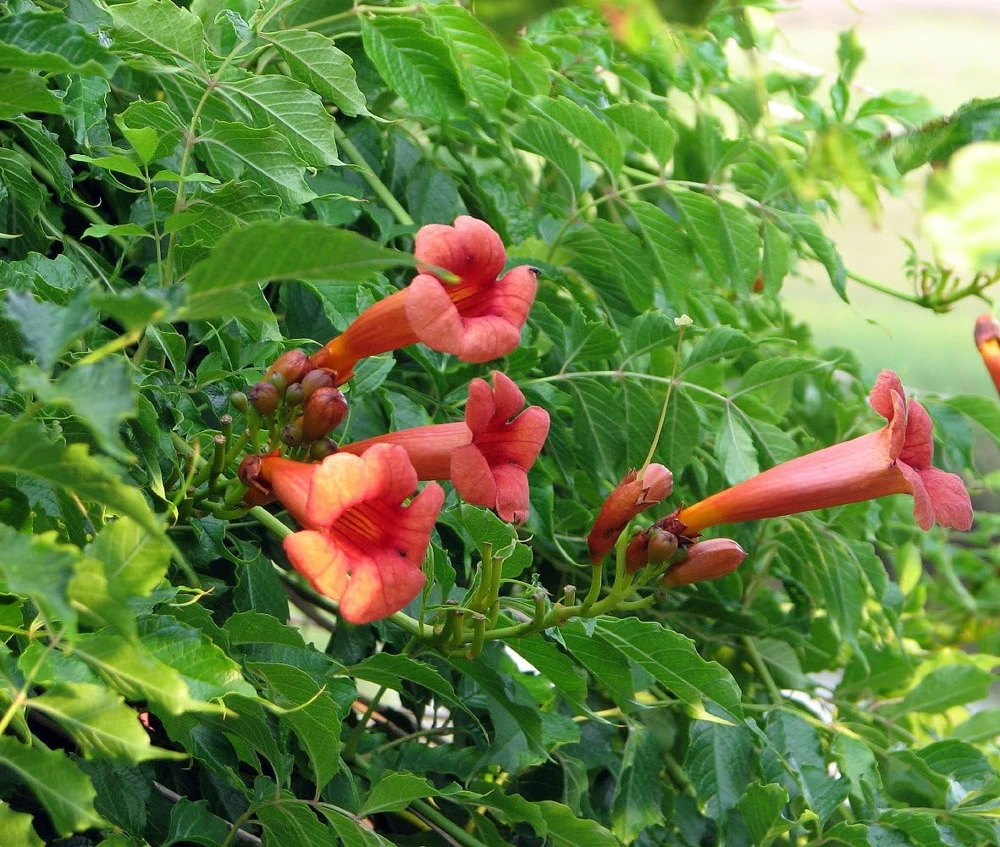
- Spectacular Blooms: Enjoy a profusion of vibrant, trumpet-shaped flowers throughout the summer, adding a dramatic and tropical feel to your garden. The showy blooms are a highlight of the season and provide continuous color.
- Native American Plant: Being an American native, the trumpet vine live plant is well-adapted to local climates and ecosystems, contributing to biodiversity and requiring less intervention compared to non-native species.
- Drought Tolerant: Once established, this vine is quite drought tolerant, reducing the need for frequent watering and making it a sustainable choice for water-wise gardening.
- Erosion Control: Its extensive root system can help stabilize soil on slopes, making it a practical choice for erosion control in challenging garden areas.
Plant Care & Growing Tips
Caring for your trumpet vine live plant is relatively straightforward, as this robust vine is known for its resilience. To ensure optimal growth and abundant blooms, begin by choosing the right location. The Campsis radicans thrives in a spot that receives full sun to partial shade. Full sun (at least 6 hours of direct sunlight daily) will encourage the most prolific flowering. While it tolerates partial shade, flowering may be less abundant. The plant is hardy in USDA Zones 4-10, making it suitable for a wide range of climates across the US. Ensure it has a sturdy structure to climb, as it can grow quite large.
When it comes to soil, the Campsis radicans is not particular and will grow in any average, well-draining soil. While it can tolerate various soil types, enriching the soil with some organic matter at planting can promote stronger initial growth. Water regularly during its first growing season to help establish a deep, extensive root system. Once established, the trumpet vine is quite drought-tolerant, but occasional deep watering during prolonged dry spells will benefit its overall health and flowering. Fertilization is generally not necessary, especially in rich soils, but a balanced slow-release fertilizer in early spring can boost growth in poorer soils. For ongoing health and vigor, understanding trumpet vine care is essential.
Pruning is a crucial aspect of trumpet vine care, as this plant can grow rampantly. Prune back heavily in early spring, before new growth begins, cutting stems back to a few buds. This encourages the formation of new growth, as flower buds form on new wood. Regular pruning also helps to control its size and prevent it from becoming invasive. Keep an eye out for potential pests like aphids or spider mites, though they are rarely a significant problem for this vigorous vine. With proper placement and consistent pruning, your climbing vine plant will provide years of beautiful blooms and attract delightful wildlife to your garden.
Size & Details
This trumpet vine live plant, Campsis radicans, is supplied in a 2.5″ pot, providing a healthy and established root system ready for transplanting into your garden. As a fast-growing deciduous climbing vine, it has the potential to reach an impressive mature height of 29-31 feet, given adequate support and growing conditions. Its vigorous growth habit means it can quickly cover structures, establishing itself as a prominent feature in your landscape within a few seasons. The plant will arrive as a young, actively growing specimen, ready to begin its upward journey.
Expect this hummingbird plant to begin flowering in late spring to early summer, continuing to display its vibrant, trumpet-shaped blooms throughout the warmer months. The growth rate is considered rapid, allowing it to quickly fill in spaces and provide significant coverage. Its hardiness across USDA Zones 4-10 ensures that it will thrive in a wide range of climates. With its substantial mature size, plan for a location where it has ample space to climb and spread, ensuring it can reach its full potential as a stunning ornamental vine.
Frequently Asked Questions
- Q: How big does this trumpet vine live plant get? A: This vigorous climbing vine can reach a mature height of 29-31 feet, given proper support and growing conditions. It is known for its rapid growth and ability to cover large structures.
- Q: What size pot does the trumpet vine come in? A: The trumpet vine live plant is shipped in a 2.5″ pot, which provides a well-established root system ready for planting in your garden.
- Q: Is this an indoor or outdoor plant? A: The Campsis radicans is an outdoor climbing vine. It thrives in garden settings where it can receive ample sunlight and has structures to climb.
- Q: How much sunlight does it need? A: This plant prefers full sun (at least 6 hours of direct sunlight daily) for the best flowering, but it can also tolerate partial shade.
- Q: Is this plant easy to care for? A: Yes, the trumpet vine care is generally considered easy. It’s a hardy and adaptable plant, requiring minimal maintenance once established, though regular pruning is essential to manage its vigorous growth.
- Q: What condition will it arrive in? A: Your climbing vine plant will arrive as a healthy, actively growing specimen in its 2.5″ nursery pot, carefully packaged to ensure its safe journey.
- Q: When is the best time to plant a trumpet vine? A: The best time to plant a trumpet vine is in spring or early summer, after the last frost, allowing it ample time to establish before winter.
- Q: Will it survive winter in my zone? A: The Campsis radicans is hardy in USDA Zones 4-10, meaning it is well-suited to survive winters in most temperate regions of the United States.
- Q: How often should I water my trumpet vine? A: Water regularly during the first growing season to establish roots. Once established, it is fairly drought-tolerant, but benefit from deep watering during dry periods.
- Q: Why is it called a hummingbird plant? A: It is called a hummingbird plant because its trumpet-shaped flowers are perfectly designed to attract hummingbirds, which feed on its abundant nectar, making it a favorite for these tiny birds.
Be the first to review “Trumpet Vine Live Plant – Campsis radicans – 2.5″ Pot – Outdoor Climbing Plant”
People Also Viewed



Reviews
There are no reviews yet.